







Introduction:Americano is not only a bestseller in coffee shops but also the first step for many beginners stepping into the world of black coffee. So why is it so popular? Aside from being convenient, quick, and great value for money, its stable flavor and moderate intensity are key factors. This article covers everything from the definition and historical origins of Americano to how to choose the right coffee beans and master the brewing ratio—helping you make professional-grade iced Americano at home.
Among the many coffee options, Americano is undoubtedly the top seller in cafés. It’s not only quick to prepare and affordable, but also preferred by office workers for its caffeine boost. Additionally, most Americanos use espresso blends with balanced and consistent flavors. Coupled with the refreshing nature of black coffee, which aids digestion, it has become widely loved.
So, what exactly is an Americano? Many people associate black coffee with Americano, but in fact, black coffee is a broader category—any beverage made solely from coffee beans and water, without any added ingredients, can be classified as black coffee. A standard Americano refers to a drink made by diluting espresso with hot water.
The Americano, known in English as Americano,is defined by authoritative dictionaries as a beverage made by adding hot water to espresso. Simply put, it’s espresso diluted with water. This method not only reduces the intense taste of espresso but also makes the flavor of black coffee more approachable for more people.
Interestingly, although the name "Americano" is associated with America, it actually originated in Italy. Legend has it that during World War II, American soldiers found it hard to accept the strong, smoky-flavored Italian espresso available locally, so they began adding hot water to the espresso to make it more palatable. The creation of espresso itself was originally aimed at providing a quick energy boost, using high pressure to extract a small, intense cup of coffee.

If you want to make Americano at home, choosing the right coffee beans is key. Generally speaking,it is recommended to use espresso blends specifically designed for espresso. These beans are usually a mix from different regions, complementing each other’s flavors and ensuring consistency in every cup. Moreover, espresso blends often use medium to dark roasts or darker, which helps avoid overly sharp or thin acidity, making them more suitable as the base for Americano.
Common blend combinations may include beans from Brazil, Colombia, Honduras, etc. The ratio and roast level will affect the final flavor profile, such as notes of nuts, caramel, chocolate, or subtle fruitiness. However, if you want to try single-origin espresso (SOE), that’s also possible—but be aware that some light-roast beans, under high pressure and very fine grind settings, can release overly intense acidity and astringency, negatively affecting overall balance.

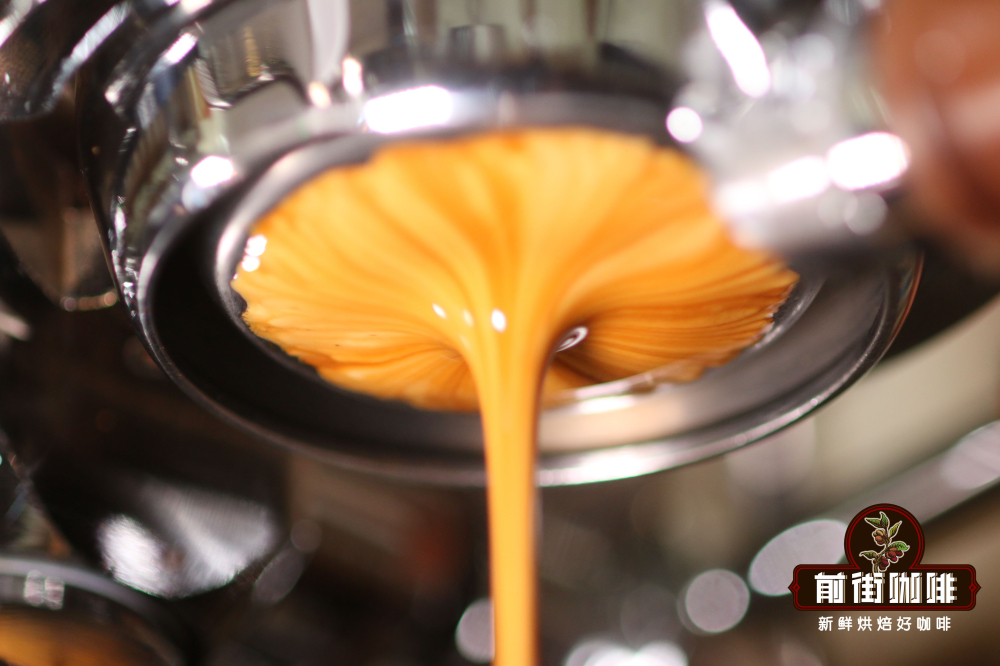
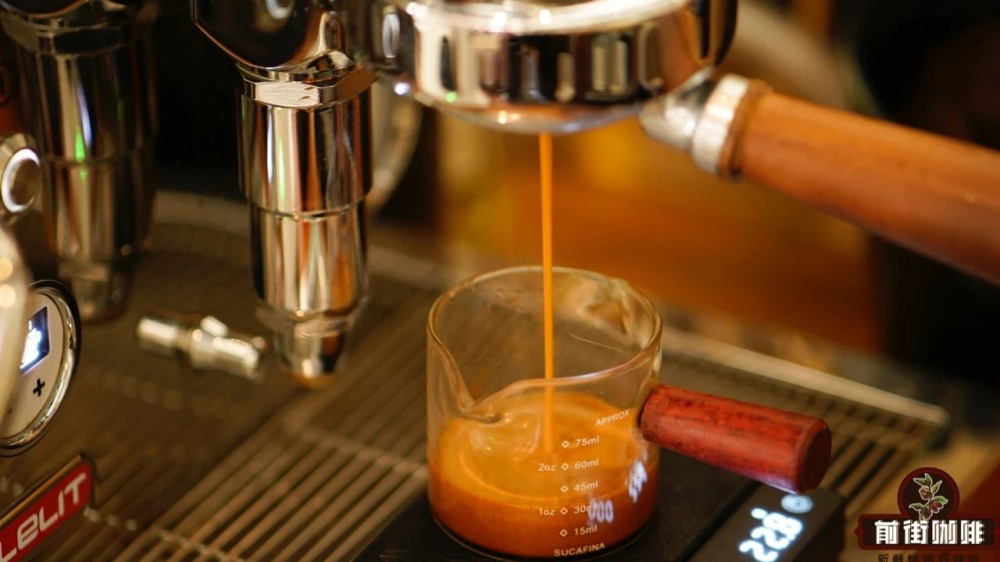
As for the preparation of espresso, this is the soul of Americano. Since every coffee machine and grinder performs differently, there is no absolute standard for extraction parameters. Beginners are advised to start with “20 grams of coffee grounds yielding 40 grams of espresso in 25 to 30 seconds” as a baseline, then fine-tune grind size and tamp pressure based on actual flavor results.
In practical settings at home or in shops, taking a certain Warm Sun blend as an example—using 20 grams of coffee grounds with a target yield of 40 grams of espresso in about 27–28 seconds—can fully showcase wine-like and chocolatey tones. Then, adjusting the water-to-espresso ratio for the Americano is also key: through repeated testing, a 1:4.5 water ratio (i.e., 40 grams of espresso + 180 grams of hot water) can best bring out the layered characteristics of this blend. However, this ratio applies only to specific beans, and beginners are recommended to start with a 1:5 ratio, then adjust the water amount according to taste strength.

In summary, making a delicious iced Americano is not just about diluting with water. Every step—from bean selection, roast level, extraction parameters, to water-to-coffee ratio—affects the final flavor. Whether you’re a beginner or already an experienced coffee lover, understanding these basic principles will help you adjust your Americano to your ideal taste.



The above content is compiled by CoffeeHunters, a coffee news website.


