








Introduction:As the birthplace of Arabica coffee, Ethiopia boasts unparalleled natural conditions and a long history of coffee cultivation. Its diverse regional flavor profiles make it a top choice for many coffee enthusiasts just starting out. This article delves into the unique flavor characteristics of Ethiopia’s major coffee-growing regions and, based on pour over brewing preferences, selects five high-value, fresh, and representative coffee beans. Ranging from bright citrus to rich berry notes, these beans help readers establish a clear tasting framework and selection direction.
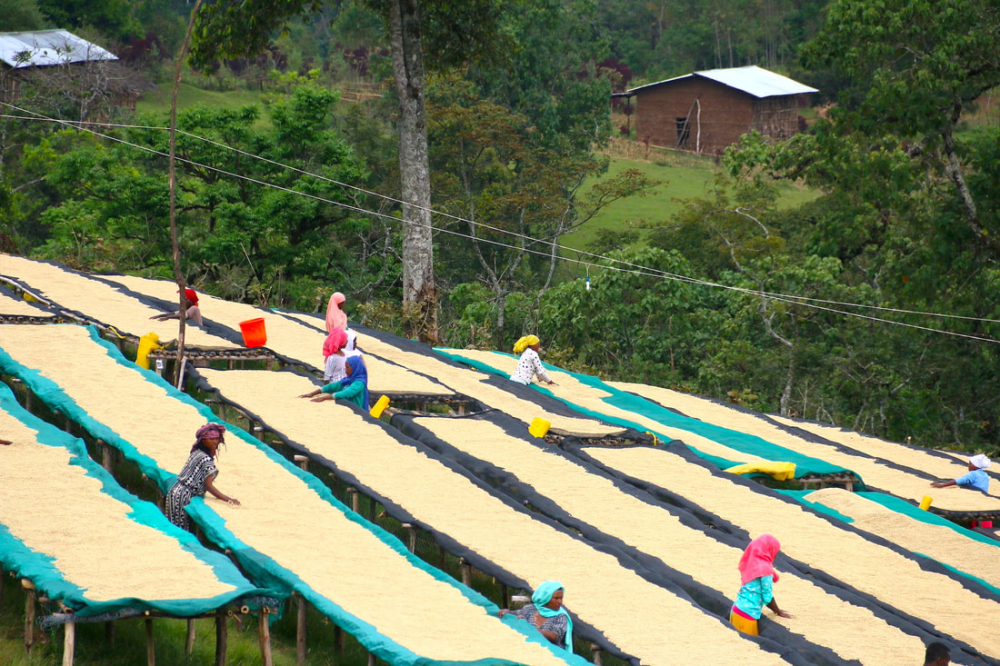
As the global birthplace of Arabica coffee, Ethiopia still preserves the natural ecosystem of wild coffee trees, where local farmers continue the ancient tradition of harvesting wild coffee cherries. Over centuries, this highland land has developed rich and varied microclimates and soil conditions, giving each region’s coffee beans distinctly unique flavor personalities—some exude fresh floral aromas and bright acidity, while others offer rich nuttiness and sweet aftertastes, cementing Ethiopia’s irreplaceable status in the coffee world. For pour over beginners new to specialty coffee, finding a starting point among the numerous regions and offerings can be a major challenge.
When choosing an Ethiopian coffee bean suitable for pour over, the primary considerations are roast freshness and overall value. It is recommended to prioritize roasters with stable supply and good market reputation to ensure the beans remain at their optimal flavor peak from roasting to delivery. Generally, roasted coffee beans should be stored in a light-proof, airtight container before grinding, and ideally used within 2 to 4 weeks post-roast to achieve the most vibrant aroma and layered profile. For pour over enthusiasts who prefer clear acidity and fruity-floral notes, Ethiopian regional beans are undoubtedly classic, must-try options.
Below are five Ethiopian coffee bean recommendations ideal for pour over beginners, each with distinct regional characteristics and showcasing diverse taste profiles through different processing methods—from bright citrus to rich berries, catering to a variety of palates:
1. Bright Citrus Profile: Gu Ding Ding Coffee Beans
Region: Yirgacheffe (Gedeo Zone)
Altitude: 1900–2300 meters
Variety: Ethiopian Heirloom
Processing Method: Washed
Flavor Notes: Citrus, black tea, caramel, almond, green tea
Recommendation Highlights: This bean is known for its refreshing fruit-tea flavor, with bright acidity that is not overly sharp, making it ideal for pour over beginners who enjoy a light mouthfeel and tea-like finish. It is recommended to use a medium-fine grind, a water temperature of around 88–90°C, and a center-pouring method to fully bring out its layered complexity.
2. Tropical Fruit Atmosphere: Red Cherry Coffee Beans
Region: Yirgacheffe Aletaran Washing Station
Altitude: 2300 meters
Variety: Ethiopian Heirloom
Processing Method: Natural (Sun-dried)
Flavor Notes: Citrus, berries, fruity fermentation, honey, creamy smooth texture
Recommendation Highlights: The natural processing enhances the fruitiness, resulting in a round mouthfeel with natural sweetness. It delivers captivating tropical fruit notes whether brewed hot or cold. It is recommended to slightly extend the blooming time during pour over to aid flavor release.
3. Creamy Berry Classic: Huakui Coffee Beans
Region: Guji, Hambela area
Processing Farm: Buku Able
Altitude: 2250–2350 meters
Variety: Ethiopian Heirloom
Processing Method: Natural (Sun-dried)
Flavor Notes: Citrus, strawberry, passionfruit, fermented aroma, black tea base
Recommendation Highlights: Known as the representative of “creamy strawberry flavor,” it is a must-try for many coffee enthusiasts. With a full body and gentle profile, it suits various pour over techniques. It is recommended to control the water temperature at 90–91°C to fully highlight its fruity notes and rich texture.

4. Floral and Creamy Layers: Kafa Forest Coffee Beans
Region: Kafa Forest (extension of the Yirgacheffe area)
Altitude: 2000–2300 meters
Variety: Ethiopian Heirloom
Processing Method: Washed
Flavor Notes: Bergamot, white floral, orange, apricot, creamy smooth aftertaste
Recommendation Highlights: This coffee excels in floral-fruity aroma and delicate creamy texture, offering a balanced and layered taste that is perfect for those seeking a refined extraction experience. It is recommended to use a medium-fine grind and a water temperature of 89–90°C, along with steady water flow control, to fully present its aroma and richness.
5. Famous Estate Classic: Gesha Village Chaka Coffee Beans
Region: Bench Maji Zone
Estate: Gesha Village
Altitude: 1500–2000 meters
Variety: Gesha 1931, Gori Gesha, Illubabor
Flavor Notes: Berries, oolong tea, lemony tone
Recommendation Highlights: As a representative offering from a renowned Gesha-producing region, this coffee showcases the elegant floral-fruit character and unique tea-like quality typical of the Gesha variety, making it a top choice for many estate coffee enthusiasts. It is recommended to brew with a finer grind and slightly lower water temperature (around 88–89°C) to better highlight its delicate aroma and layered complexity.
The above content is compiled by CoffeeHunters, a coffee news website.


