








Introduction:For those who are new to coffee, ordering can be confusing with terms like latte and americano, let alone understanding their brewing methods and flavor differences. This article will take you deep into the essential distinctions between latte and americano, starting from the foundation of espresso, analyzing how the addition of milk or water changes a cup of coffee’s texture and bitterness, and also why some people find americano particularly bitter. Get all your common misconceptions and practical knowledge clarified in one go.
For those who don’t drink coffee often, facing a menu full of options can be overwhelming. Names like latte, americano, and cappuccino may look similar but are actually quite different. What are the clear differences between latte and americano? Why do some people find black americano especially bitter? In fact, these questions are all closely related to the base of espresso.
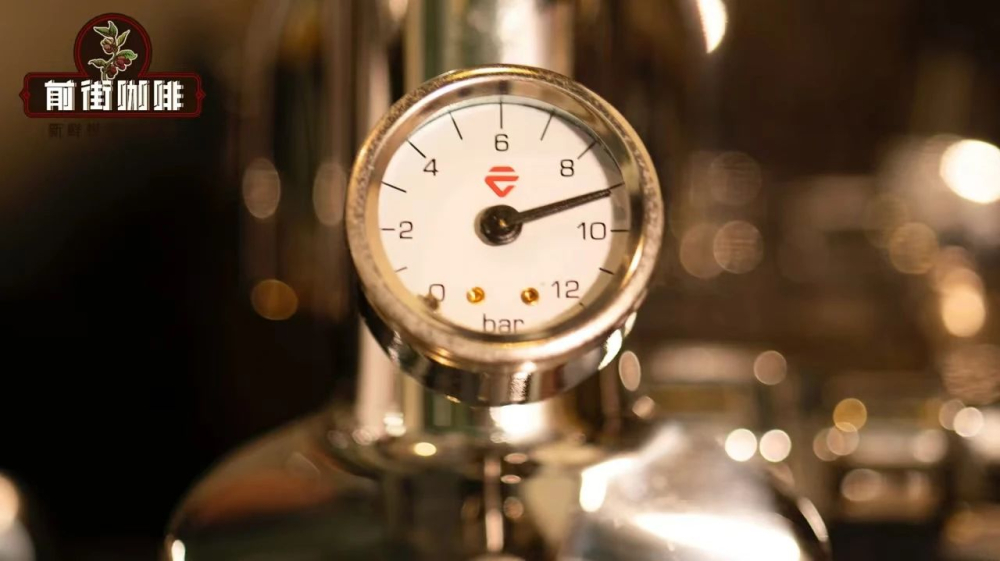
Espressois the foundation of many coffee drinks. It is a strong coffee liquid extracted quickly under high pressure (usually above 9 bar), using extremely finely ground coffee powder. The standard extraction ratio is about 1:2, meaning 20 grams of coffee powder yields 40 grams of coffee liquid, with extraction time controlled between 25 to 30 seconds. This extraction method gives espresso its intense flavor and rich aroma, serving as the soul of all espresso-based drinks.
 " alt="Espresso illustration" />
Among the various espresso drinks,latte (Caffè Latte)is one of the most popular milk coffees. It is made by adding a large amount of heated milk with finely steamed foam to a shot of espresso, typically in a ratio of one part espresso to three parts hot milk, plus a suitable amount of foam. This combination gives the latte a smooth texture and gentle sweetness, and it is also suitable for various latte art creations.
 " alt="Latte coffee making illustration" />
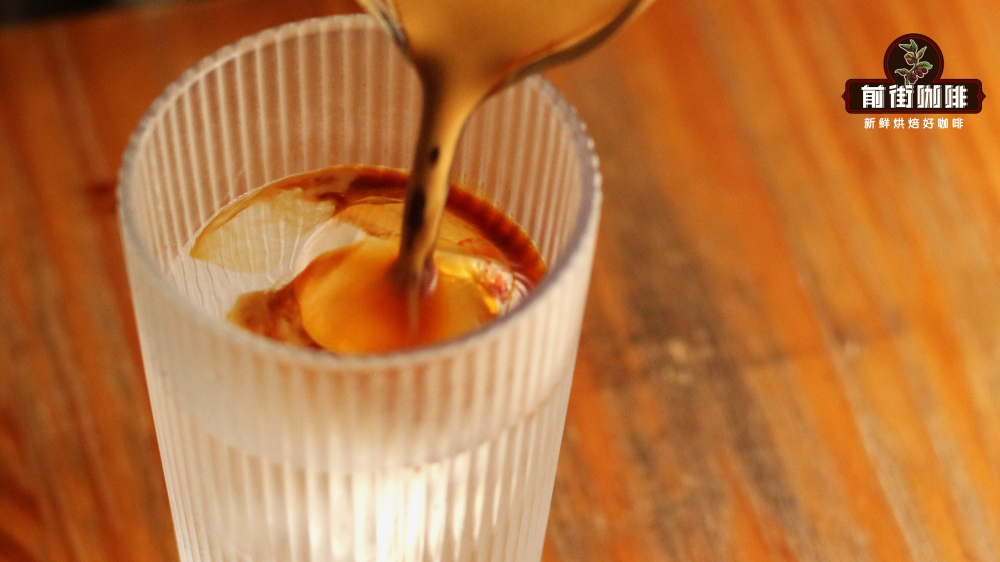
Whereasamericano (Americano)is made by diluting espresso with hot or cold water. The process is relatively simple—just add an appropriate amount of hot or cold water to the espresso to adjust it to your preferred strength. A common brewing ratio is 1:5, but this can be adjusted according to taste. Americano retains the foundational flavors of espresso, but because it is diluted with water, the overall taste is fresher, yet the bitterness of the coffee itself becomes more prominent.
 " alt="Americano illustration" />
Many people wonder why americano often tastes more bitter. This is actually directly related tothe extraction quality of the espresso. If the extraction time is too long, the water temperature is too high, or the coffee grind is too fine, it can lead to over-extraction, releasing excessive bitter substances. Additionally, since americano is diluted with water, the acidity and sweetness originally present in the espresso are toned down, making the bitterness more dominant. If you find the bitterness too pronounced, you can try increasing the water ratio, or adjusting the espresso extraction parameters, such as reducing the grind size or shortening the extraction time.
 " alt="Extraction parameter explanation" />
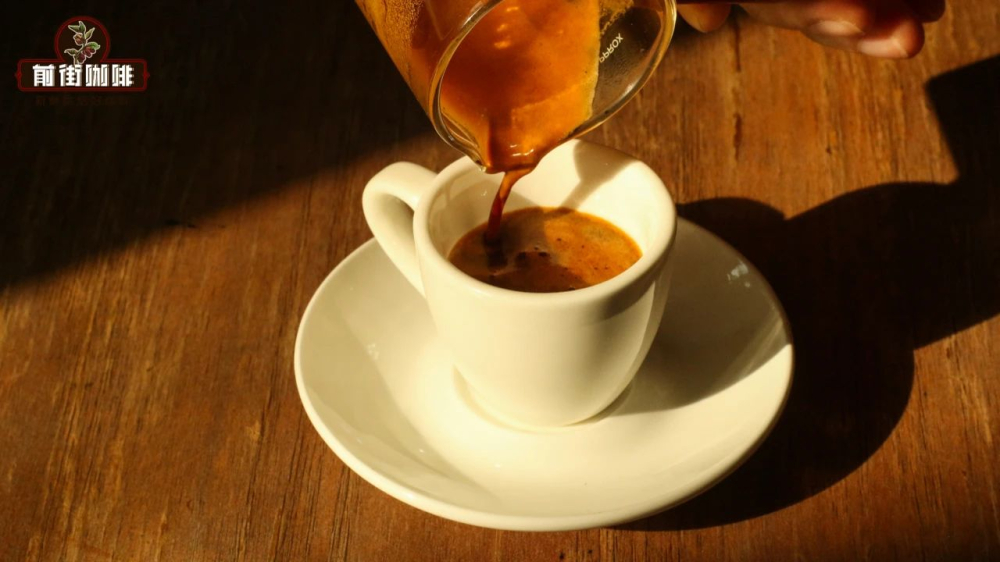
Going back to espresso itself, its recommended extraction parameters can serve as a reference for shops or coffee enthusiasts: using about 20 grams of extremely finely ground coffee powder, extracting 35 to 38 grams of coffee liquid under 9 bar pressure, within a time frame of 27 to 30 seconds. Such an extraction usually results in distinct fermented fruity notes, berry-like acidity and sweetness, a velvety texture akin to vanilla cream, and lingering notes of nuts and caramel, laying a solid foundation for subsequent additions of milk or water.
 " alt="Espresso flavor characteristics" />
In summary, although both latte and americano originate from espresso, the former softens the overall flavor by adding a large amount of milk, making it suitable for those who prefer a smooth, slightly sweet taste; the latter dilutes the espresso with water, presenting a more direct and intense coffee flavor with relatively more noticeable bitterness, but it also makes the characteristics of the coffee beans more prominent. Understanding these basic differences not only helps you make more suitable choices when ordering coffee, but also allows you to better appreciate the details and craftsmanship behind each cup.


The above content is compiled by CoffeeHunters, a coffee news website.


