







Introduction:Although Rwanda is a small African country, its high altitude and fertile volcanic soil nurture uniquely flavorful Arabica coffee. This article delves into the geographical characteristics of Rwanda’s main coffee-growing regions, the genetic advantages of the Bourbon variety, and how the washed processing method shapes its bright and clean taste—guiding you through regional distribution, processing techniques, and flavor profiles to fully grasp the essence of coffee from this “Land of a Thousand Hills.”
Despite its modest land area, Rwanda benefits from exceptional natural conditions, making it one of the few African nations capable of producing high-quality Arabica coffee. Its high-altitude terrain, mineral-rich volcanic soils, and year-round mild, stable climate provide an ideal environment for coffee trees, yielding beans with distinct tropical characteristics. Among them, the Bourbon variety is renowned for its round bean shape, gentle acidity, and rich fruity sweetness. When paired with refined washed processing, Rwandan coffee has secured a notable place in the international market.
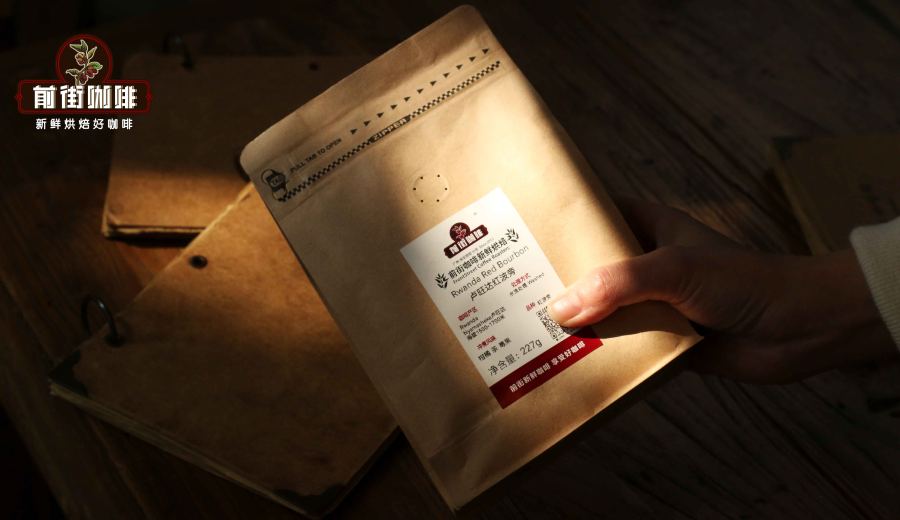
Coffee cultivation in Rwanda is primarily concentrated in the southern and western regions. In the south, areas like the Huye Mountains and Nyamagabe, due to their higher elevation, often produce coffee with delicate floral notes and citrus undertones, offering a fresh and bright flavor profile. Meanwhile, the western Nyamasheke region, adjacent to Lake Kivu, benefits from a humid microclimate and well-drained slopes, fostering specialty coffees with juicy fruitiness and layered complexity. Particularly at around 1,500 meters above sea level, Nyamasheke is home to many renowned coffee farms and processing stations. Here, the Red Bourbon variety, when washed, showcases exceptionally clean and bright flavor characteristics.
Take the Nyamasheke region as an example: the altitude of 1,500 meters allows the coffee cherries to ripen slowly, accumulating richer sugars and flavor compounds.Red Bourbon VarietyNaturally boasts a round bean structure and a balanced acidity-to-sweetness ratio. After washed processing, impurities and undesirable flavors are removed, leaving behind pure fruity aromas and refreshing citrus notes. Such coffees are typically suited for medium-light roasting, which highlights their floral and fruity notes and bright acidity.Roasting to the end of the first crack, about 10 seconds in, preserves the maximum flavor details and is ideal for extraction via pour over or drip methods.
Looking back at history, Rwanda began cultivating Arabica coffee as early as the 1920s, when its unique fruity sweetness and grassy aroma garnered attention in the international market. In recent years, the Rwandan government has actively promoted the upgrading of its coffee industry by establishing cooperatives, providing technical training, and offering financial subsidies, significantly enhancing overall coffee quality and production. Currently, the country has approximately 33,000 hectares of coffee plantations, with over 500,000 people engaged in coffee-related work. These coffee trees grow rapidly in the fertile volcanic soil and suitable altitudes but require meticulous management to ensure the production of high-quality beans.
The Rwanda Coffee Association plays a pivotal role in industry development, overseeing the entire process from production to sales. In recent years, it has also focused on raising industry standards and promoting the global market. Through policy guidance and market strategies, the association strengthens Rwanda coffee’s professional image, gradually bringing the coffee culture of this “Land of a Thousand Hills” onto the world stage.
Notably, the flavor profile of Rwandan coffee differs from that of neighboring Kenya or Ethiopia. Although also dominated by the Bourbon variety, Rwandan coffee tends to be more reserved in character, with excellent flavor balance. It often features gentle citrus sweetness, refreshing tropical fruit tones, and a delicate chocolate aftertaste. This combination of “grassy aroma” and tropical climate traits delivers a bright, clean, and layered sensory experience when sipped.
Take Karnogi Coffee as an example: this washed coffee, grown by local smallholder farmers and processed at Gitesi Washing Station, won the championship at the 2013 CoE competition. Its beans are typically round, a characteristic appearance of the Bourbon variety, with processed beans being crystal clear, minimal silver skin residue, and a vivid green hue. Medium-light roasting is suitable to preserve optimal flavors. During roasting, it’s recommended to pay attention to the timing of the first crack development.Dropping the beans at the end of the first crack, about 10 seconds ineffectively balances acidity, sweetness, and body, making it ideal for coffee enthusiasts who pursue nuanced flavors.
Overall, Rwandan coffee stands out with its consistent quality, distinctive regional flavors, and refined processing techniques, making it an unmissable choice for coffee lovers exploring African coffee. From the floral and citrus notes of the Huye Mountains to the juicy fruitiness of Nyamasheke, this Land of a Thousand Hills is telling its own coffee story cup by cup.
The above content is compiled by CoffeeHunters, a coffee news website.


