







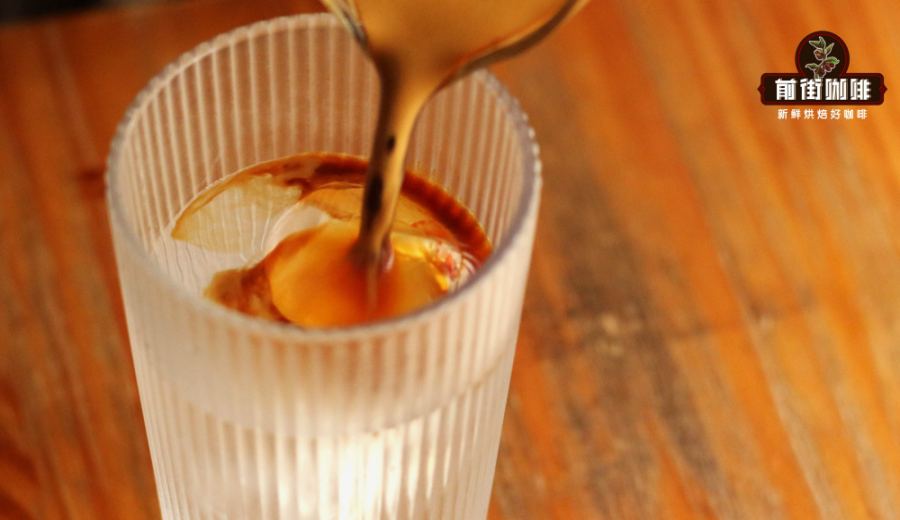
Introduction:To brew an iced Americano that keeps customers coming back, everything from espresso bean selection to extraction ratio matters. This article delves into the origins of Americano coffee, the differences between hot and iced versions, and identifies the optimal flavor balance through practical testing of various coffee-to-water ratios. Whether you're new to coffee or looking to refine your skills, you’ll gain professional-level insights and practical parameters here.
Many customers often wonder: why is the iced Americano at some shops particularly smooth? The secret lies in the synergistic effect of the overall recipe and coffee bean variety. Americano coffee originated from adapting the European espresso culture after it was introduced to America—diluting strong espresso with hot water to create a more approachable version, which has now become a staple in coffee shops worldwide. However, the unique handling details of each shop result in distinct taste profiles.
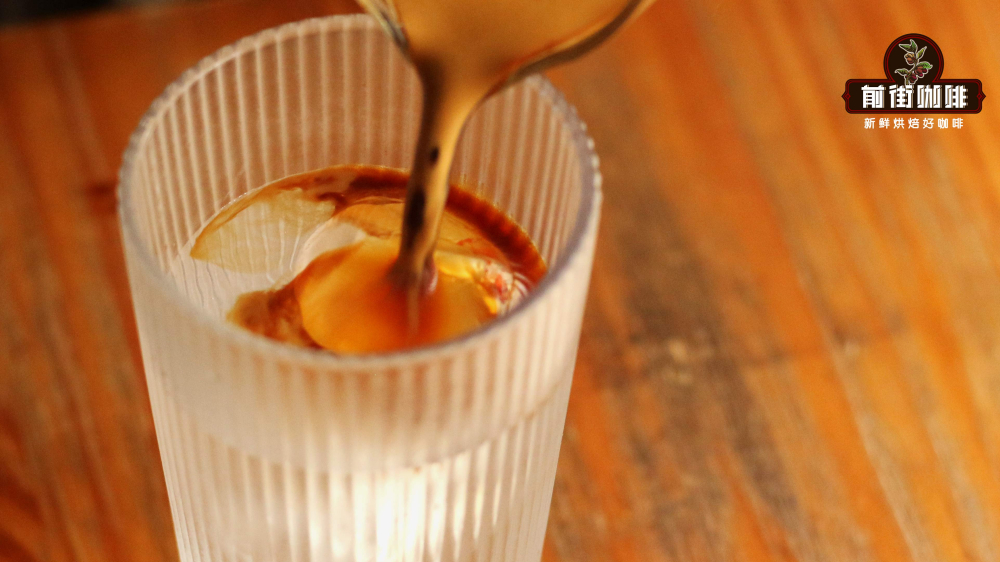
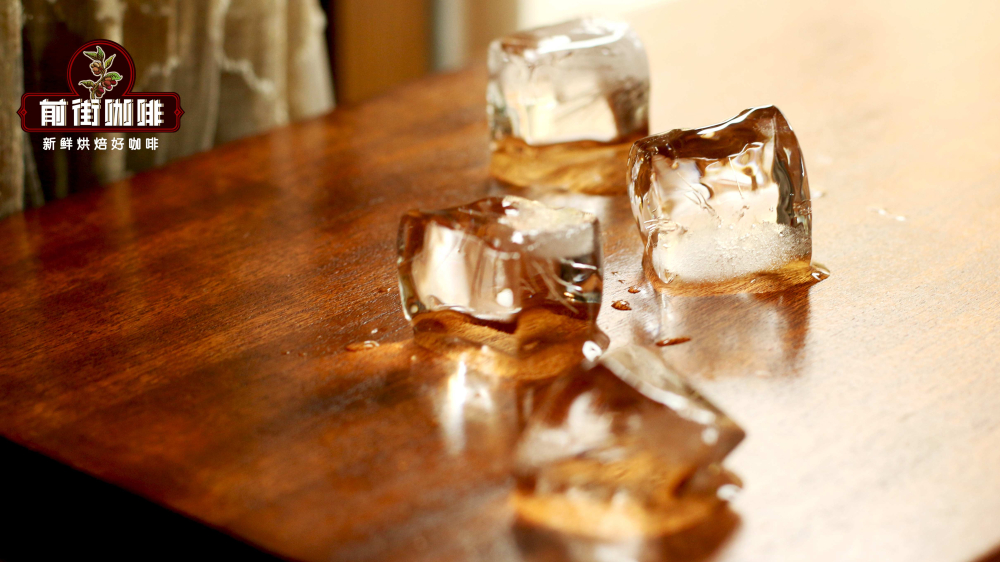
Making iced Americano can be broken down into two key elements: the espresso base and the dilution system. The basic hot Americano uses a 1:2 espresso extraction ratio (typically reaching 19–20% extraction yield), then adjusts concentration by adding hot water. For the iced version, you also need to account for dilution caused by melting ice cubes—recommended is using dense, square ice cubes to slow down melting. In practice, we found that the ideal water adjustment range falls between 1:4 and 1:8.
Through systematic testing of three common ratios: 1:4.5 (180ml water) yields a concentration of 1.67%, which is at the upper limit of the Golden Cup standard and suits those seeking intense flavor layers; 1:6 (240ml) reaches 1.34%, hitting the balance point preferred by most, especially when paired with medium-roast beans with nutty profiles; 1:8 (320ml) at 1.05% concentration complements the bold characteristics of traditional dark roasts. It’s worth noting that the same ratio can yield very different results between light and dark roasts.
For practical brewing, a dynamic adjustment strategy is recommended. Using 40g of espresso as an example, our field-tested recipe combines 120ml of hot water with 100g of large ice cubes (a ratio of 1:3:2.5), ensuring the drink maintains an ideal taste until the last sip. If using a light-roast blend (e.g., with high citrus notes), reducing total water volume by about 10% can highlight bright acidity; for dark roasts, adding 5–10ml more water helps soften bitter edges.

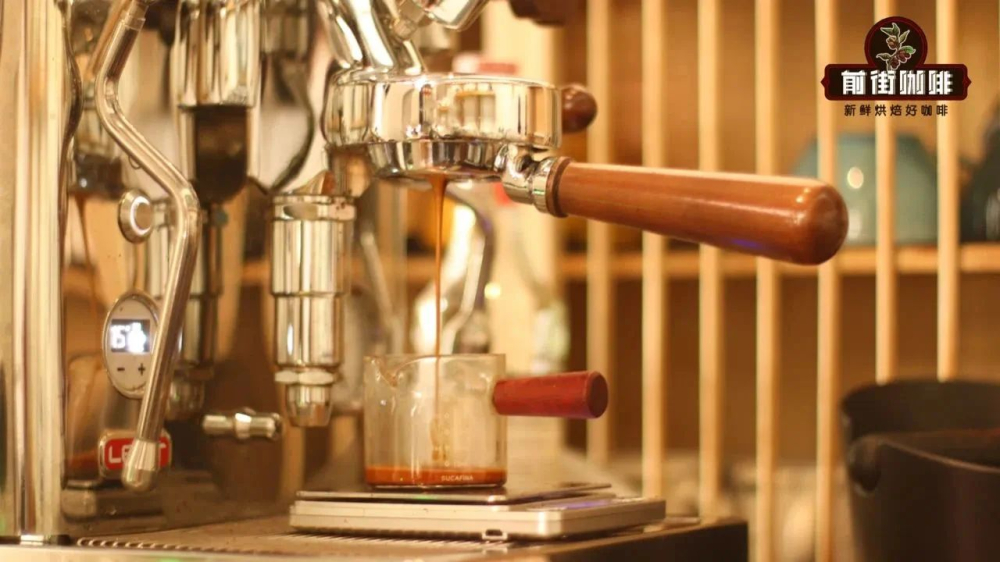
Parameter control during the extraction phase is equally crucial. It is advised to pre-set the grind size to medium-fine (around 75% passing through a #20 sieve), maintaining an extraction time of 25–30 seconds to yield 36–40g of liquid. Observe that the crema should be at least 3mm thick with a hazelnut hue, indicating uniform pressure extraction. Common mistakes include grinding too coarse, causing channeling, or insufficient pre-infusion leading to overly sharp flavors.
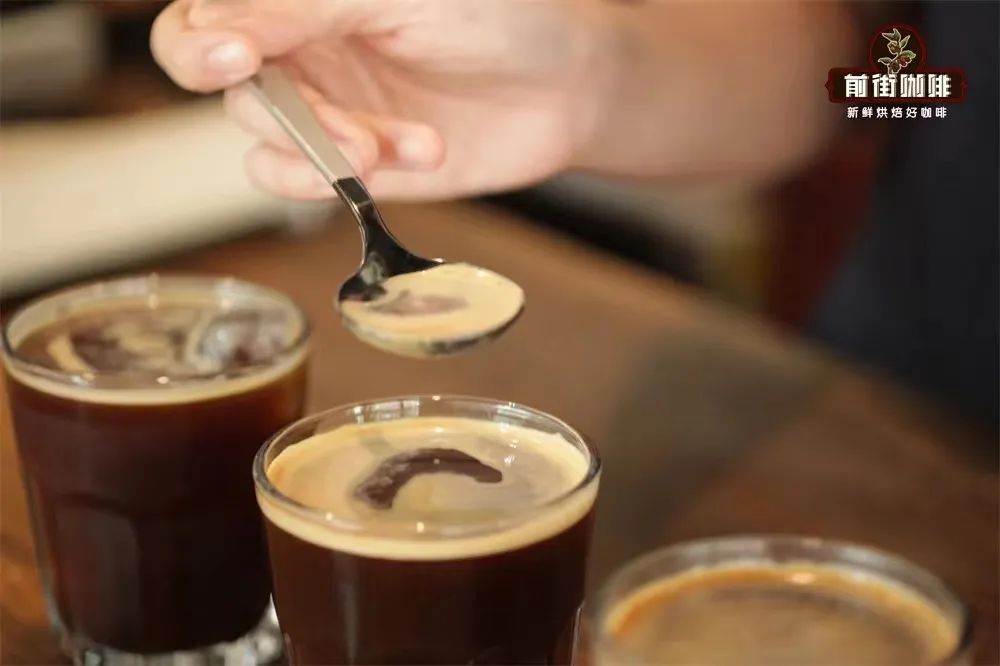
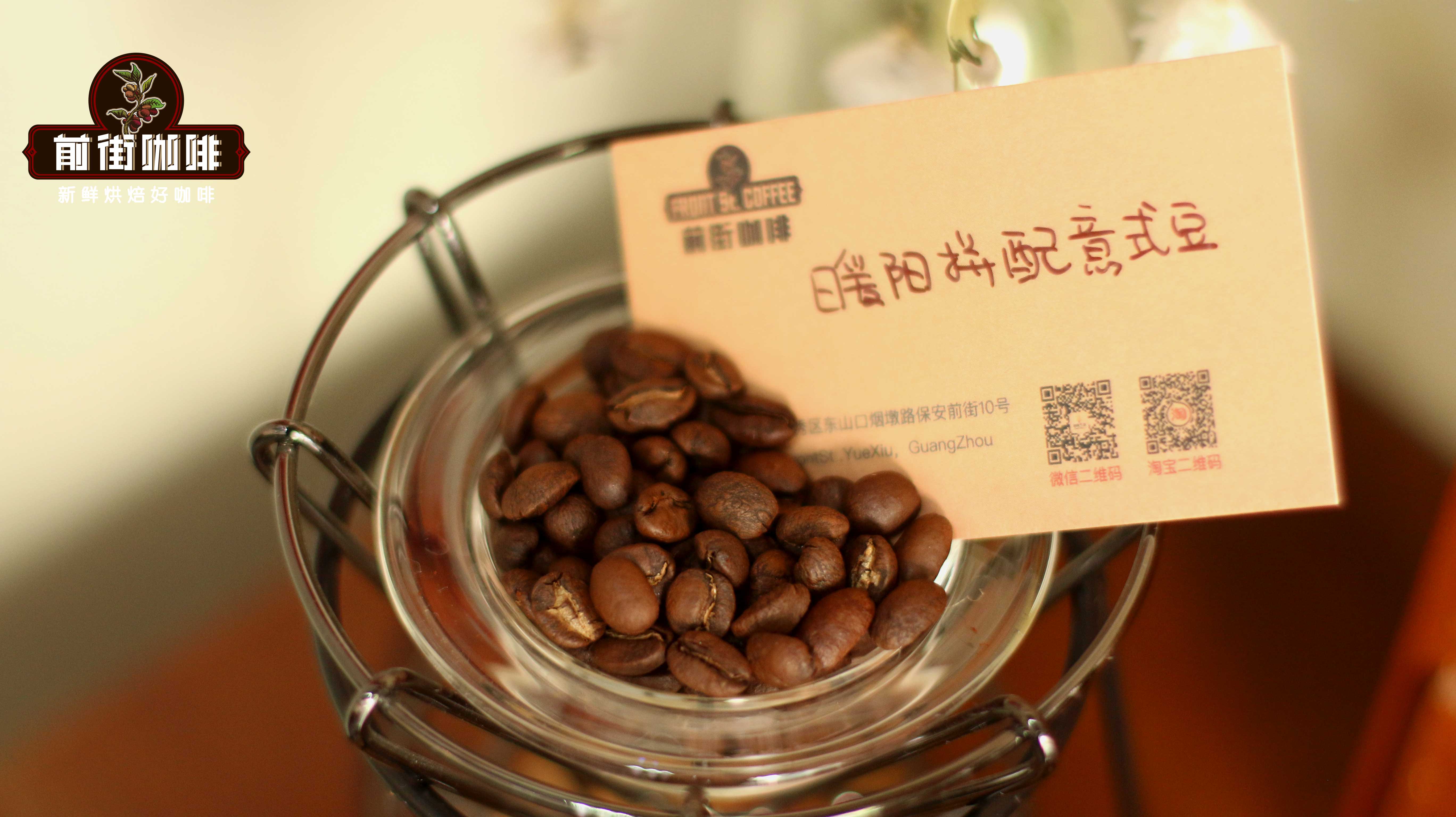
Bean selection directly determines the final outcome. Our recommended blend consists of 70% Honduran sherry-cask-fermented beans and 30% Ethiopian Yirgacheffe sundried red cherry beans—the former contributes a rich caramel base and winey finish, while the latter adds bright berry notes and brown sugar sweetness. Alternatives could include 60% Rambung sundried beans paired with 40% Sumatran Mandheling, creating a heavier spice and smoky profile. Avoid over-fermented single-origin beans that may cause flavor imbalance.
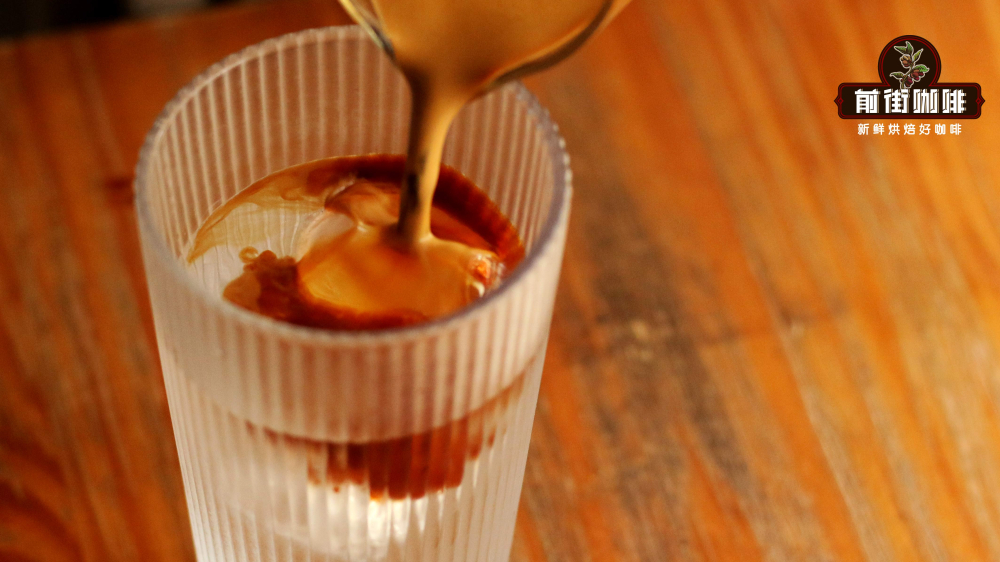
Temperature management is another often overlooked factor. The optimal drinking temperature for hot Americano is between 65–70°C; going higher can mask delicate aromas. For the iced version, it’s recommended to keep the entire system below 4°C, achievable by pre-chilling cups and streamlining the brewing process. Observations show that using double-walled insulated glass can reduce ice melt rate by about 40%, extending the optimal flavor window by approximately 8–10 minutes.
Advanced tips include flavor fine-tuning methods: if the acidity feels too high, adding 2–3% steamed milk can balance it out; for a richer taste, try making a “concentrated Americano” using a 1:2 espresso ratio. Regularly calibrating your grinder (recommended to check grind uniformity weekly) and cleaning residual coffee grounds from the portafilter helps maintain consistent flavor. Remember, a great Americano should showcase a clear core flavor along with a harmonious aftertaste structure.
The above content is compiled by CoffeeHunters, a coffee news website.

