







Introduction:Want to brew a delicious iced or hot Americano at home? This article takes an in-depth look at the differences between the two, covering everything from coffee bean selection and roast levels to extraction parameters. Learn how to choose the right espresso beans for Americano, and discover professional-grade espresso extraction settings and blending ratios to help you easily master the key to a great-tasting Americano.
Thanks to its refreshing taste and low-calorie profile, the Americano has become a top choice for many young people as a daily beverage. Not only does it aid digestion after meals, but it also supports fat metabolism. Paired with moderate exercise, it’s even become a little secret some celebrities use to maintain their figure. The principle behind making an Americano is actually quite simple: just dilute freshly extracted espresso with hot or iced water to create a rich yet true-to-coffee flavor drink.
However, many first-time pure coffee drinkers are often put off by its relatively bitter taste and tend to add sugar or milk to balance it out. In reality, whether to add sugar to your Americano is entirely a matter of personal preference. If you enjoy experiencing the original flavors of coffee, drinking it straight allows you to appreciate its unique layers and aftertaste more fully.

Much of the bitterness in Americano comes from the roast level of the coffee beans used. Typically, beans used for Americano are medium-dark to dark roasted, which helps bring out richer flavors and a fuller body. Common bean choices include blends with notes of nuts, cocoa, caramel, or chocolate, and sometimes a small amount of Robusta is added to enhance crema and intensity.
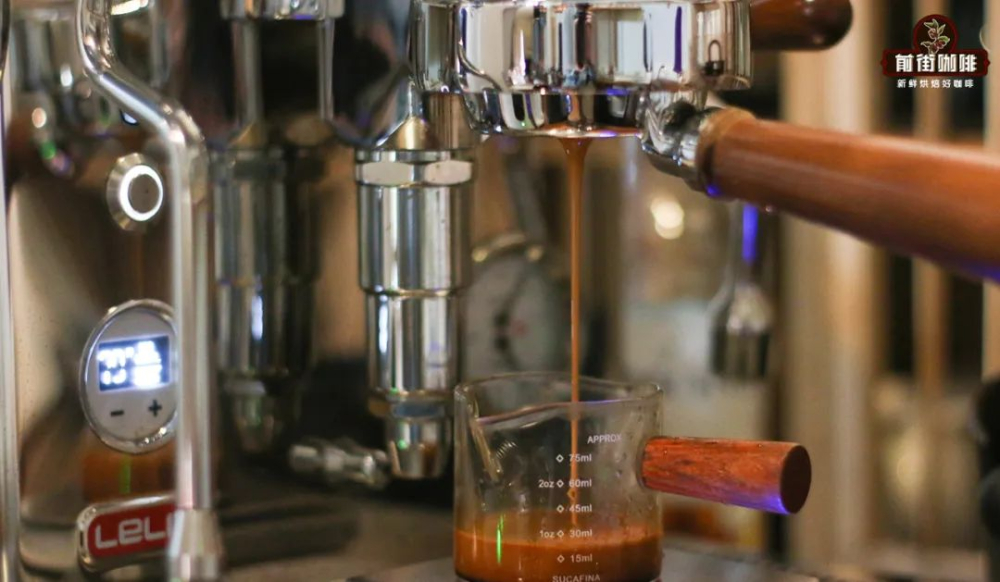
In specialty coffee shops, common blend combinations bring together beans from different regions to balance acidity, sweetness, and body. For example, some shops use a blend of Honduran Sherry and Ethiopian Yirgacheffe Red Cherry in a ratio of about 6:4. Through careful blending, this combination showcases distinct fruit acidity, berry aroma, and an inviting wine-like finish, with a very pleasant aftertaste.Common extraction parameters include: 9 bar pressure, water temperature of 90.5–96°C, extraction time of 20–30 seconds, and a coffee-to-water ratio of about 1:1.7 to 1:2. The coffee dose depends on whether it's a single or double shot — around 12g for a single and 20g for a double.

If you want to replicate a similar flavor at home, it’s recommended to choose a medium-dark roasted blend. These beans usually have more intense notes of chocolate, caramel, or nuts that can still deliver a rich taste even when diluted with hot or iced water. Some recipes also include beans processed through whiskey barrel fermentation to add distinctive wine-like aromas. But if you prefer a cleaner taste, you might opt for blends based on stable-origin beans like Brazil or Yunnan, which offer gentle fruit acidity and caramel sweetness.
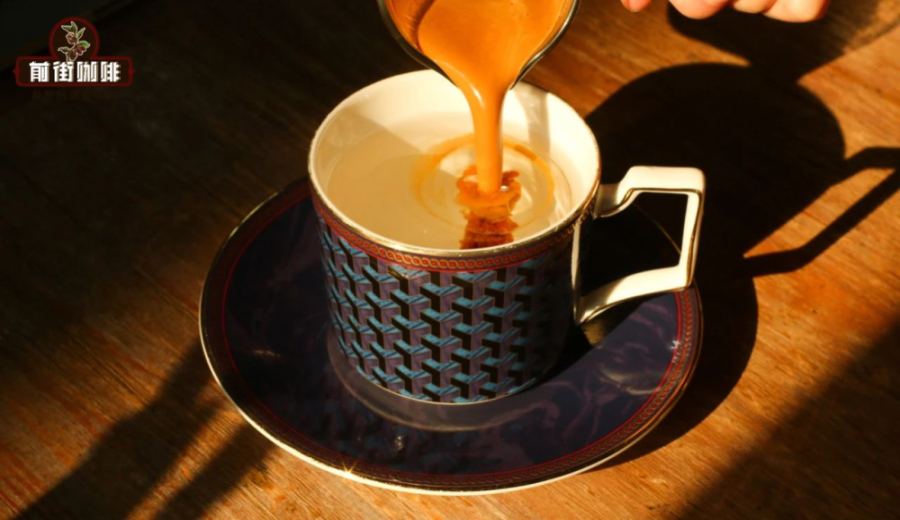
Making a hot Americano is relatively straightforward. It typically uses a double shot of espresso (about 40ml), then adjusted to your preferred strength by adding hot water around 85°C. It’s suggested to keep the water ratio around 1:4.5 to balance taste and flavor expression while avoiding over-dilution that could diminish the flavor. The coffee-to-water ratio and extraction parameters are the same as those for regular milk-based drinks like lattes and cappuccinos, and can be fine-tuned using the same equipment setup.

Preparing an iced Americano is even simpler. Just pour the freshly extracted espresso directly into pre-prepared ice water or over ice cubes, typically in a 1:1 ratio, with the total water volume adjusted according to cup size. Due to the cooling effect of the ice, the overall flavor tends to be more restrained and refreshing, with less pronounced acidity but still distinct layers.
There are three main differences between hot and iced Americano:First is appearance: hot Americano is dark brown to black, while iced Americano, due to its higher ice-to-water ratio (about 1:9), appears clearer and more transparent. Second is caffeine content: iced Americano typically uses a double shot, resulting in relatively higher caffeine levels. Third is the tasting experience: hot Americano has a rich aroma, with the crema layer adding a creamy texture, a fuller body, and flavor layers that shift noticeably with temperature. Iced Americano, thanks to the chilling effect of ice, delivers a more concentrated and refreshing taste without being overly heavy.

Whether you choose a hot or iced drink, the key lies in selecting the right coffee beans and maintaining stable extraction parameters. Beginners are advised to start with a medium-dark roasted blend, paired with a reliable espresso machine and grinder, gradually adjusting to find the Americano that suits your taste. Remember, a good Americano doesn’t always need sugar — the pure flavor of coffee itself can be surprisingly delightful.


The above content is compiled by CoffeeHunters, a coffee news website.

