







Introduction:This article delves into the transformation of Yunnan coffee from an underrated origin to one gradually gaining market recognition. It focuses on analyzing the differences between the Typica and Catimor varieties, unveils the practical results of a brand’s Typica cultivation in Lincang, and provides detailed flavor profiles and professional pour-over parameters for two representative Yunnan coffee beans—helping you gain a deeper understanding of this rapidly growing coffee-producing region.
In recent years, Yunnan coffee has significantly increased its visibility on the global specialty coffee map. Once overlooked due to its underwhelming flavor profile, it has gradually won consumer favor thanks to advancements in cultivation techniques and innovations in post-harvest processing. This shift is reflected not only in improved quality but also in a deeper consumer understanding of the Yunnan origin.
Looking back at the development trajectory of Yunnan coffee, varietal selection has played a pivotal role. In the early days, Typica—one of the oldest Arabica varieties—had a long history of cultivation in Yunnan. Its flavor profile was characterized by cleanliness and elegance, but it suffered from low yields and high cultivation difficulty. Over time, due to the ravages of leaf rust and shrinking market demand, coffee planting areas drastically shrank. It wasn’t until Nestlé introduced the more disease-resistant Catimor variety that the local coffee industry reignited its growth spark.
Notably, while Catimor boasts excellent disease resistance and high yield potential, its genetic lineage includes Robusta, which contributes to its higher chlorogenic acid content—a key reason traditional Yunnan coffee flavors were often criticized. A brand’s practice in the Lincang region shows that selecting varieties suited to local altitude and climate conditions, paired with precise post-harvest processing, can fully unlock the potential of Yunnan coffee.
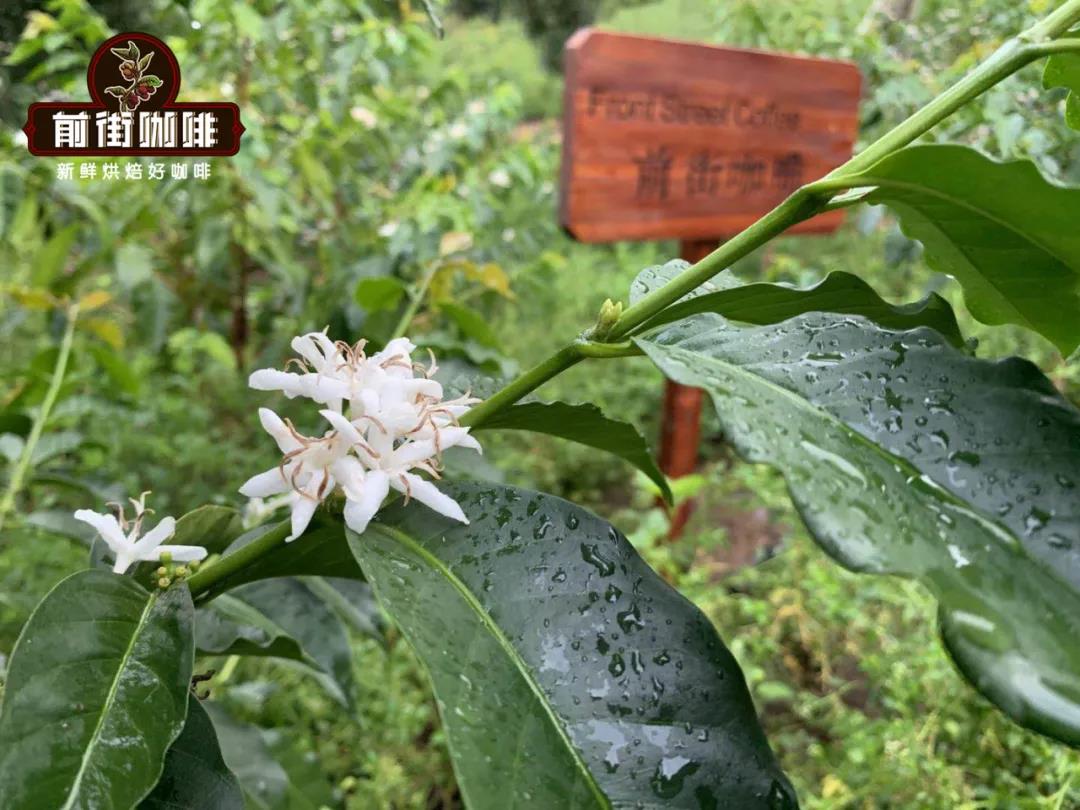
Since 2013, a brand has initiated a Typica planting program in the mountainous regions of Lincang. After years of cultivation, it began harvesting in 2018. The latest data shows that Typica bean production reached a stable 600 kg in the 2021/22 season, with these beans now available in the brand’s physical stores and online channels. Meanwhile, for the Catimor beans from Baoshan in Yunnan, the brand successfully extracted a balanced flavor of nuts, chocolate, and caramel through medium roasting, making it an ideal choice for entry-level enthusiasts.
In terms of extraction practice, taking Yunnan Catimor as an example, it is recommended to use a V60 filter with a 1:15 coffee-to-water ratio and a medium grind size (similar to coarse sugar or about 75% passing rate through a Chinese No. 20 sieve), with water temperature precisely controlled at 88–89°C. The specific operation process is as follows: the first pour is 30 g of water for a 30-second bloom; then pour in small circles to reach 125 g, followed by additional pouring to 225 g after the coffee bed visibly drains, with the total extraction time controlled around 2 minutes and 10 seconds to fully showcase the bean’s layered flavors.
In terms of flavor profile, the brand’s Typica exhibits a distinct berry character, including the fresh fruitiness of plums and berries, complemented by the sweetness of brown sugar and the richness of black tea, with a finish of high-quality nutty notes. The Catimor, on the other hand, presents a richer chocolate base, paired with complex flavors of spices, caramel, and plums—suitable for drinkers who prefer a fuller-bodied cup.
The above content is compiled by CoffeeHunters, a coffee news website.


