







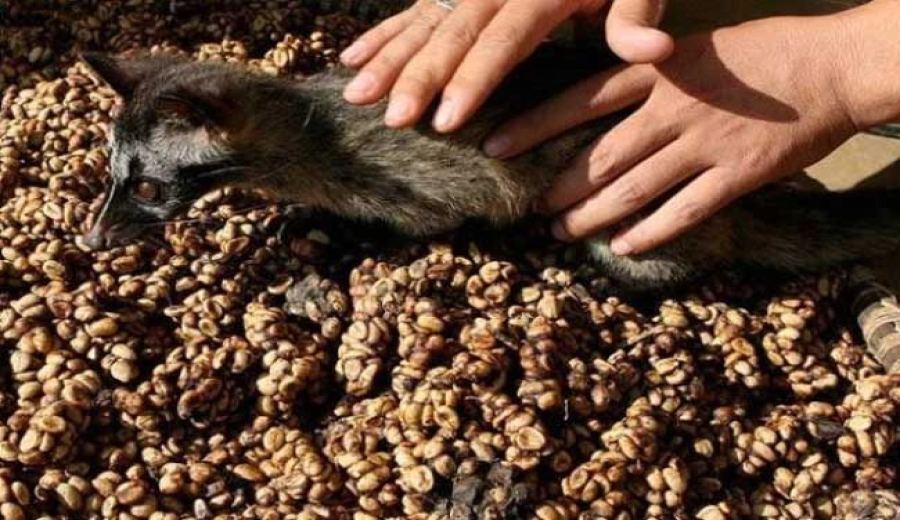
Introduction:Civet coffee, commonly known as cat poop coffee, originates from Indonesia and is produced when civets consume coffee cherries, which are then fermented in their digestive system and excreted. It boasts unique fermented aromas and a smooth mouthfeel. This article will delve into the true origins of civet coffee, its rare production regions, how to identify genuine products in the market, and provide a detailed breakdown of its flavor profile, market price, and proper brewing methods. It also offers alternative bean recommendations to help readers gain a deeper understanding of this highly talked-about specialty coffee.
Civet coffee, also called cat poop coffee, first originated in Indonesia and is a special type of coffee produced when civets eat coffee cherries, which then undergo natural fermentation inside their bodies before being excreted. This coffee is often compared to Indonesia’s classic Mandheling. While there are some flavor similarities, civet coffee features a more pronounced fermented aroma and a smoother mouthfeel, with almost none of the earthy or grassy notes commonly found in Mandheling.
Authentic civet coffee has an extremely limited production volume, and its rarity places it among the most expensive coffees in the world, regarded as the pinnacle of specialty coffee. However, due to its high price, the market is flooded with many counterfeit or merely similarly flavored products. Some even involve unethical practices such as caged farming and forced feeding. Consumers should exercise extra caution when purchasing.
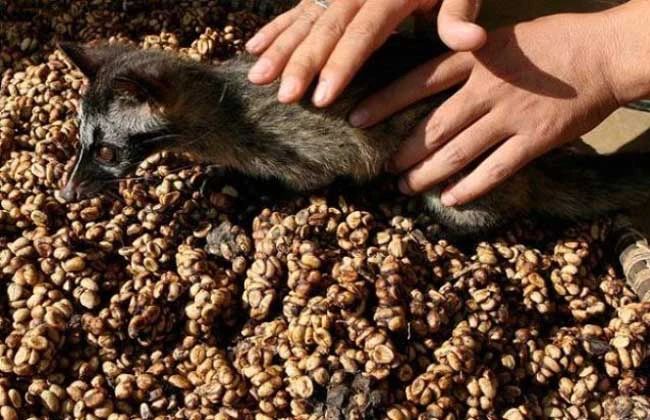
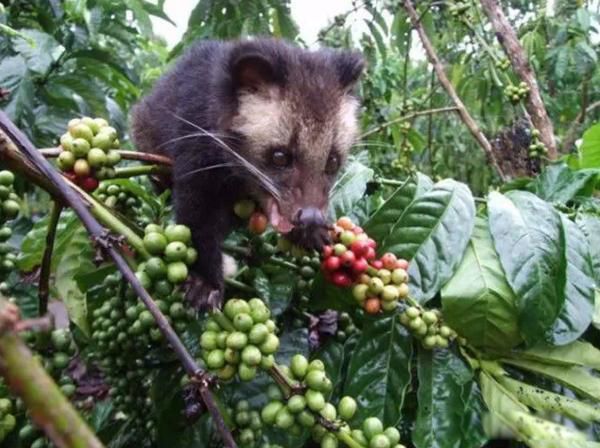
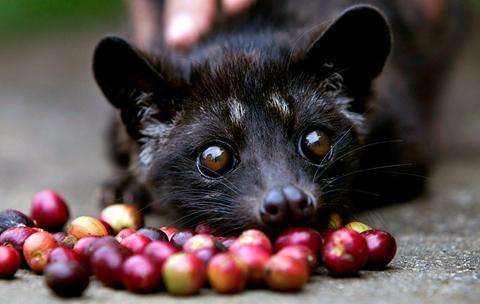
The civet, locally known as Luwak, is a wild, omnivorous, nocturnal animal native to the forests of Indonesia. It has a keen sense of smell that allows it to distinguish the sweetest and ripest coffee cherries on the trees. They select bright red, plump coffee fruits to eat but typically only digest the flesh, while the hard coffee beans pass into the intestines. There, they undergo natural fermentation through digestive fluids and internal microbes before being excreted in the feces.
During the excretion process, the coffee beans come into contact with musk oils secreted by the civet’s reproductive organs, adding a unique aromatic layer. These feces-containing coffee beans must be collected one by one by skilled workers venturing into the jungle. It is estimated that out of approximately 1,300 fecal coffee beans collected, only about 100 usable coffee beans can be extracted, making the process complex and the yield extremely low.
This unique fermentation process replaces traditional washed or sun-dried methods, significantly reducing the acidity and bitterness of the coffee beans and imparting a rich, thick flavor with herbal and nutty undertones. The coffee has a syrupy mouthfeel, and the aftertaste may even carry a hint of mint-like freshness, making it unparalleled compared to most conventional coffees.
However, civets are inherently wild animals that are difficult to domesticate, with a small population and modest food intake, resulting in extremely limited natural production of civet coffee beans—globally, less than 400 kilograms per year. This is why genuine civet coffee is so expensive and rare. Some consumers have described that after tasting it, they are reluctant to brush their teeth immediately, hoping the lingering aroma will stay in their mouths longer, a testament to its uniquely captivating flavor.
But many commercially available products labeled as “cat poop coffee” often do not come from the natural digestion process of wild civets. Instead, they are produced through caged farming, where animals are force-fed coffee cherries and their excrement is collected. This kind of “artificial civet coffee” not only carries significant ethical concerns—civets are often confined in small spaces, force-fed, leading to stress, abnormal behavior, and even death—but also lacks the essence of natural selection and fermentation, resulting in greatly diminished flavor and rarity.
In terms of flavor essence, civet coffee is not fundamentally different from other specialty coffees, as all can provide the common benefits of coffee such as stimulation and metabolism boost. But if we talk about uniqueness and scarcity, there are actually many other specialty coffees from different regions that offer outstanding flavors. For example, Panama Geisha with its citrus and floral notes, Ethiopian coffee with its bright acidity and floral aromas, and Brazilian coffee with its nutty and chocolatey profiles—all are highly representative alternatives.
If you are particularly fond of Indonesian coffee flavors, consider trying the country’s Golden Mandheling or Lintong Mandheling. The former is known for its clean, full-bodied profile with nutty and chocolatey flavors, while the latter is an affordable choice favored by many coffee beginners, also showcasing the deep-rooted character of Indonesian coffee.
For brewing authentic civet coffee, it is recommended to use a medium-dark roast to fully bring out its herbal and full-bodied characteristics. Specific parameters are as follows: use a KONO filter, water temperature around 88°C, a coffee-to-water ratio of 1:15, and a grind size set to 75% passing through a #20 sieve, roughly equivalent to a medium-fine grind. Use 15 grams of coffee powder and perform a three-stage extraction as follows:
First, perform a 30-second bloom with twice the amount of water (about 30 grams) to release carbon dioxide from the coffee grounds and ensure stable extraction afterward. Then, pour water in small circles until the total reaches 125 grams for the first pour, continue pouring to 225 grams, and then stop. Once dripping from the filter is complete, remove the filter. The total extraction time should be controlled to around 2 minutes. Finally, swirl the brewed coffee and pour it into a cup for tasting.
In terms of flavor profile, civet coffee often exhibits herbal and nutty notes, with a smooth mouthfeel and rich layers. The aftertaste is thick and long-lasting. This unique flavor profile is one of the reasons why it has become a legend in the coffee world.
For enthusiasts looking to try brewing civet coffee, it is especially important to pay attention to the freshness of the coffee beans. It is generally recommended to choose beans roasted within five days and to brew them within 4 to 7 days after roasting, when the coffee is at its optimal flavor window. If purchasing pre-ground coffee, it is advised to use it as soon as possible, as ground coffee oxidizes faster upon exposure to air, leading to rapid flavor loss. Therefore, for the best drinking experience, it is recommended to prioritize purchasing whole beans and grind them fresh before brewing, in order to fully appreciate the rarity and charm of civet coffee.
The above content is compiled by CoffeeHunters, a coffee news website.


