







Introduction:Panamanian Geisha is the pinnacle of specialty coffee for enthusiasts worldwide, with its distinctive citrus, floral notes, and creamy mouthfeel leaving an unforgettable impression. This article delves into the terroirs of the Boquete and Volcán regions, explains the stringent environmental demands and low yields of the Geisha variety, and provides a comprehensive flavor profile for a medium-light roasted washed Boquete Geisha from a certain brand. It also includes practical V60 pour-over parameters and steps to help you brew the best possible cup.
In recent years, Geisha coffee has consistently ranked at the top of the global specialty coffee bean value spectrum, with Panamanian origins being the most representative. What kind of environment and variety create such captivating citrus acidity, delicate floral notes, and silky texture? This article will take you through the regional background, variety characteristics, and practical pour-over techniques to fully explore the unique charm of a high-quality washed Boquete Geisha.
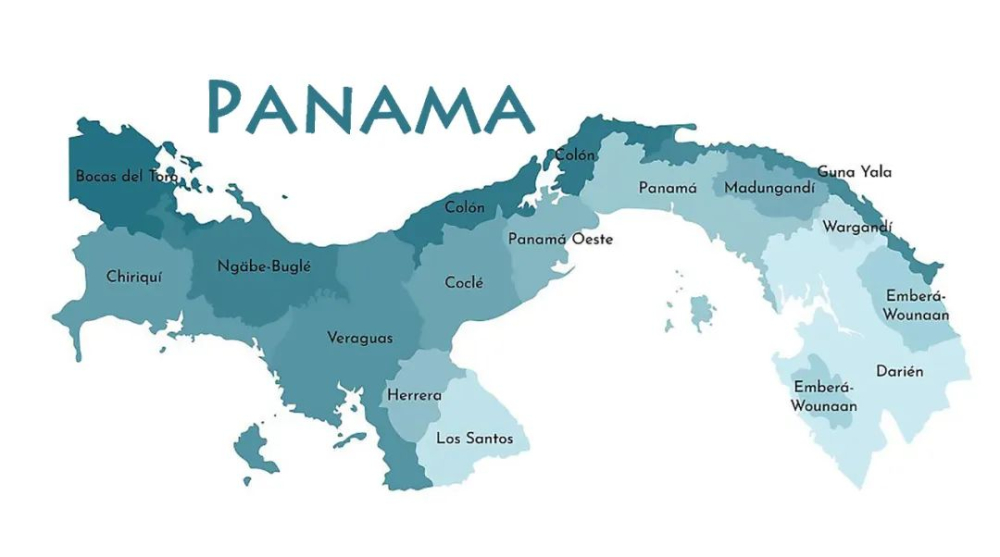
Although Panama is not the largest coffee-producing country, it is renowned for its refined and diverse flavors. Coffee cultivation in the country is primarily concentrated in the western mountainous regions, including well-known areas such as Boquete, Volcán, Santa Clara, and Piedra de Candela. Among these, Boquete and Volcán stand out as hubs of specialty coffee production due to their exceptionally favorable ecological conditions. Both regions are located in the volcanic mountain range of Chiriquí Province, boasting cool climates, moderate altitudes, fertile volcanic soils, and a wealth of microclimates that contribute to the diversity and high potential quality of the coffee.
Boquete is a mountain town in Chiriquí Province, bordering Costa Rica and adjacent to the Barú Volcano. With its rugged terrain and cool climate, the area is often shrouded in mist year-round, influenced by the warm, humid air from the Caribbean Sea and the cold currents of the Atlantic Ocean, creating a diverse array of microclimates. The Barú Volcano National Park within its borders is a biodiversity treasure trove, featuring over seven distinctly different microclimate types, providing nearly perfect conditions for coffee cultivation. Many renowned farms, such as Emerald, Elida, and Duncan, have chosen to establish themselves here.
In contrast, the Volcán region is known for its extremely high altitudes, with plantings generally occurring between 2,000 and 3,000 meters above sea level. In earlier years, the area was primarily dedicated to fruit cultivation, with coffee emerging as an industry only later—most notably led by the Hartmann family. Due to slightly lower annual rainfall compared to Boquete and intercropping with fruit trees, Volcán-grown Geisha often exhibits more intense fruity aromas, higher sweetness, and brighter acidity, delivering an exceptionally standout flavor profile.
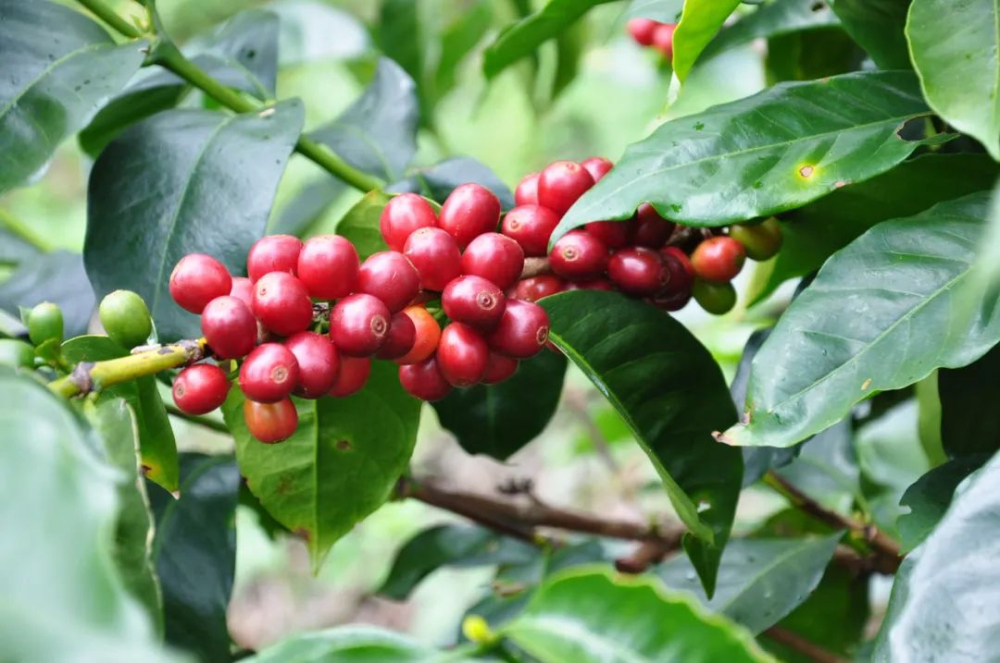
The Geisha variety originated in Ethiopia but was rediscovered and rose to prominence in Panama. The reason this coffee is both expensive and highly esteemed is closely tied to its extremely demanding growing conditions. Not only does Geisha yield low, but it also requires very specific environmental conditions: high altitudes, fertile soils, moderate shading, and cloud cover protection—it cannot be exposed to direct, harsh sunlight. Its leaves are thinner, resulting in lower photosynthetic efficiency, and its root system is underdeveloped, leading to slow absorption of water and nutrients. As a result, the yield per plant is less than half that of the Caturra variety.
Additionally, Geisha fruits take a long time to ripen, requiring patience to await the optimal harvest time. Any premature or delayed picking can severely impact the flavor. The owner of Emerald Estate has noted that growing Geisha requires a significant amount of shade trees, and traditional pruning methods must be employed initially; otherwise, the plants are prone to death. The high-altitude environment extends the maturation period of the fruits, imparting richer and more complex flavor layers—all of which demand a high level of professional judgment and meticulous management from the farm owners.
A certain brand’s washed Boquete Geisha aims to recreate the most classic flavor characteristics of Panamanian Geisha. The washed processing method, which involves removing the pulp and mucilage followed by water tank washing and moderate drying, effectively enhances the coffee’s cleanliness and clarity of flavor. The specific process includes: first using a pulper to remove the outer skin and pulp, then soaking the mucilage-covered beans in water for about 24 hours of fermentation, subsequently rinsing them clean with fresh water, and finally drying them to approximately 12% moisture content before removing the parchment layer.
This processing method preserves the purest essence of Geisha, showcasing bright acidity, delicate floral notes, and a refreshing aftertaste. After roasting, the beans exhibit elegant white floral, citrus, and lemony acidity, with a hint of green tea undertones. The overall mouthfeel is refreshing yet layered, reminiscent of sipping a high-quality Tieguanyin oolong tea.
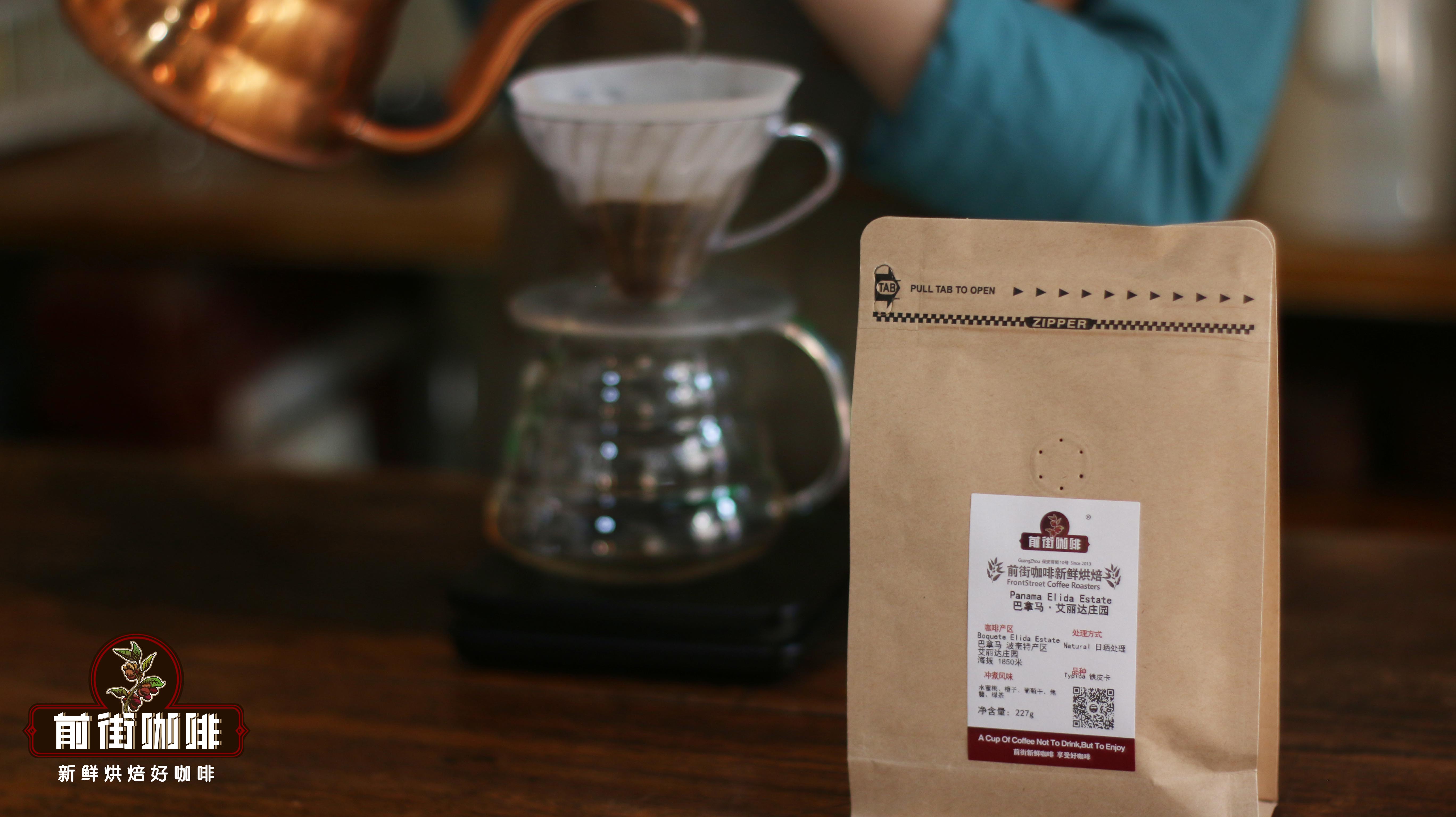
To fully highlight the refined flavors of Geisha, the brand recommends a medium-light roast to preserve its inherent acidity and fruity notes. For brewing, the V60 filter cone is suggested, using a 1:16 coffee-to-water ratio, with water temperature controlled at 91–92°C and grind size roughly equivalent to granulated sugar (80% through a #20 sieve). This combination effectively improves extraction efficiency while avoiding over-extraction, resulting in a more balanced acidity and sweetness.
The actual pour-over parameters are as follows: use 15 grams of coffee grounds, with the first pour of 30 grams of water for a 30-second bloom, using a small stream to circle from the center outward to ensure even saturation of the coffee bed; the second pour uses a slightly larger stream to add 120 grams of water, reaching a total of 150 grams at around 55 seconds, lifting the coffee bed to aid extraction; the third pour switches to a small stream to add 90 grams, controlling the flow rate to avoid disrupting the coffee bed, reaching a total of 240 grams with a drip time of about 2 minutes and 10 seconds. After brewing, gently shake the server to evenly distribute the coffee liquid before enjoying.
This washed Boquete Geisha from Panama, when brewed using pour-over, reveals pronounced citrus, lemon, and bergamot acidity, with a creamy smooth mouthfeel and a honey-and-green-tea sweet aftertaste. It is a premium specialty coffee worthy of careful savoring.
The above content is compiled by CoffeeHunters, a coffee news website.


