







Introduction:Delve deep into the highest-altitude Elida Estate in Panama’s Boquete region to explore its exceptional geographical conditions, meticulous cultivation and processing procedures, as well as the unique allure of the famed Geisha variety. This article covers the estate’s history, microclimate, shade management, the origins and modern development of the Geisha variety, and provides practical pour over parameters and recommendations for ASD anaerobic processed Geisha—offering a comprehensive understanding of high-altitude specialty coffee from origin to cup.
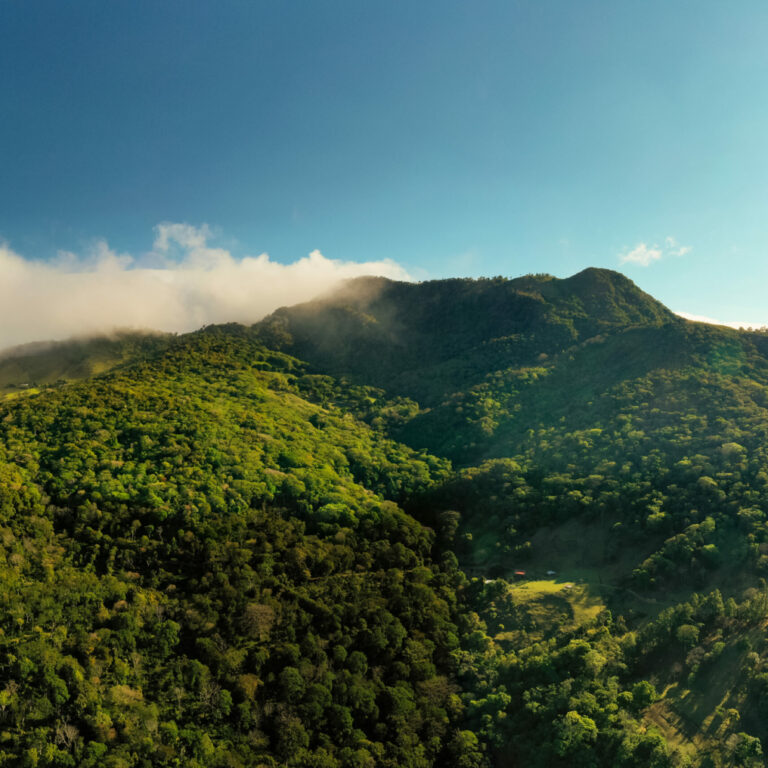
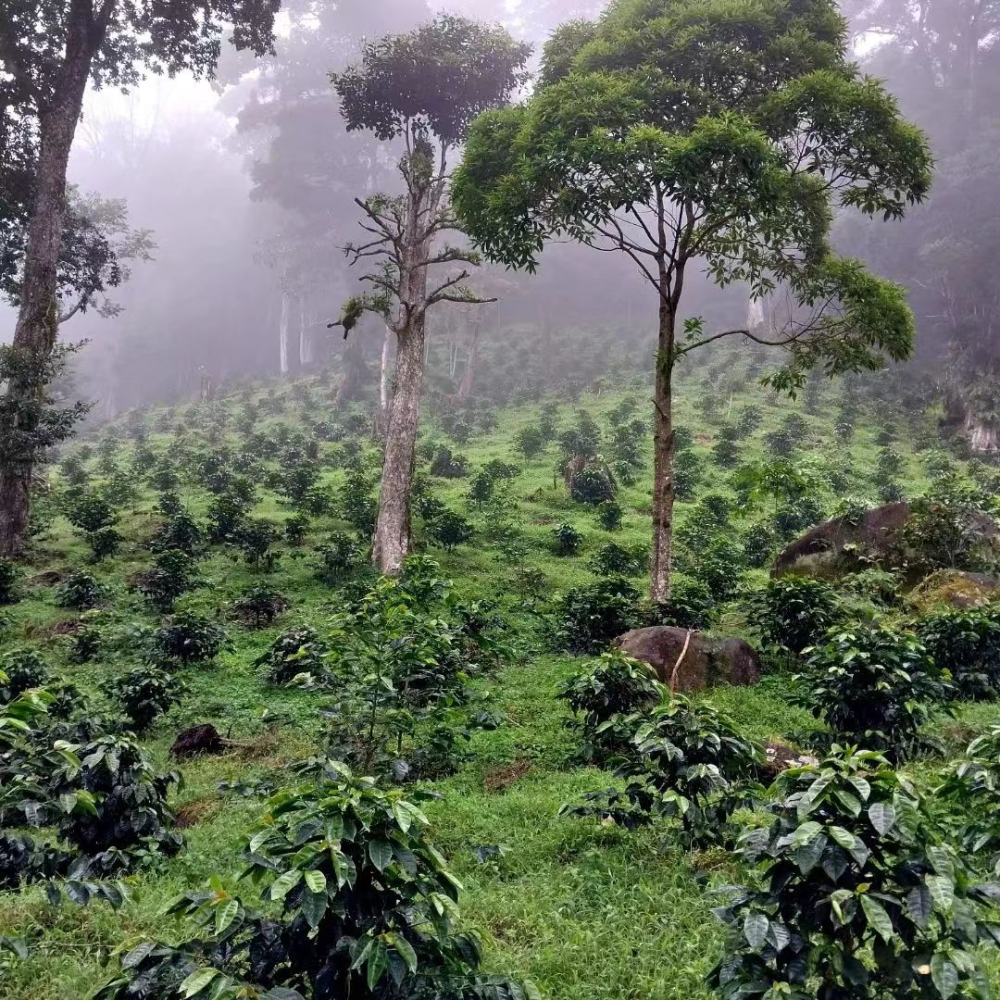
Nestled in the highlands of Boquete, Panama, Elida Estate enjoys one of the rare ultra-high-altitude coffee-growing environments in Central America. Its history dates back to 1918, when it was founded by the Lamastus family. The estate is not only one of the highest-altitude coffee-growing areas in Panama, but also stands out due to its location within the boundaries of the Baru Volcano National Park. Over half of the estate lies within the national park, with coffee planted at elevations between 1,670 meters and 1,850 meters, and some areas even approaching 1,900 meters—creating ideal conditions for coffee cultivation.
The name Elida Estate originates from Mrs. Robert Louis Lamastus, the matriarch of the Lamastus family at the time. Covering a total area of 65 hectares, over half of the estate (30 hectares) is dedicated to coffee cultivation, while the rest remains pristine forest to preserve the natural ecosystem. Such high-altitude growing areas are extremely rare in Central America. Owing to its location at the foot of a volcano, the estate experiences significant day-night temperature variations, causing coffee trees to grow slowly—typically taking up to five years to reach their first harvest, compared to the usual three years in other regions. Although this long wait increases production difficulty and risk, it allows the coffee cherries more time to accumulate complex flavors.
Under high-altitude microclimates and strict management, Elida Estate primarily cultivates three varieties: Catuai, Typica, and Geisha. Among them, Geisha, which demands extremely high environmental conditions, has become the estate’s flagship offering. During harvest, only fully ripe coffee cherries are selected, and manual picking is strictly adhered to in order to ensure consistent quality. In addition, the estate places great emphasis on the subsequent “resting” (resting period) of the green beans, with each batch stored at low temperatures for over five months. This practice helps develop a rounder and more balanced flavor profile. This process originates from the purification concept proposed by coffee expert George Howell in 2006, applicable to the preservation and maturation of green beans in high-altitude and subtropical regions.
Speaking of the Geisha variety, its long historical background cannot be overlooked. Geisha (also spelled Gesha) was first discovered in 1931 in the Gesha Forest of Ethiopia, later introduced by the Kenya Coffee Research Institute, and gradually spread to Uganda, Tanzania, Costa Rica, and other regions, before finally arriving in Panama in 1970. Initially, the variety did not receive particular attention until 2003, when Panama’s Hacienda La Esmeralda isolated it from other varieties and achieved victory in the Best of Panama (BOP) competition in 2004 with its distinctive floral and fruity notes and delicate taste. Since then, the variety, with its elegant floral aroma, citrus character, and tea-like aftertaste, has become a globally sought-after specialty coffee.
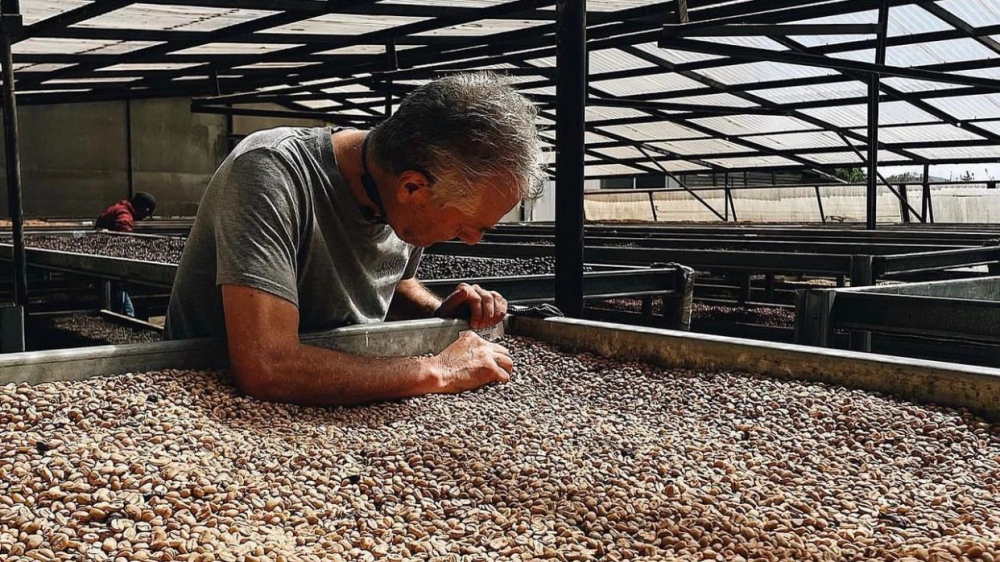
Returning to Elida Estate, in addition to its geographical advantages and varietal selection, the commitment of owner Wilford in the harvesting and processing stages is a key factor contributing to the uniqueness of its coffee flavors. Only fully ripe coffee fruits are harvested to ensure high sugar content and ample mucilage, laying a solid foundation for subsequent processing. Coupled with rigorous low-temperature, long-term resting, the coffee’s flavor becomes even more layered. This craftsmanship not only enhances flavor expression but also reflects Panama’s high-altitude coffee regions’ relentless pursuit of quality.
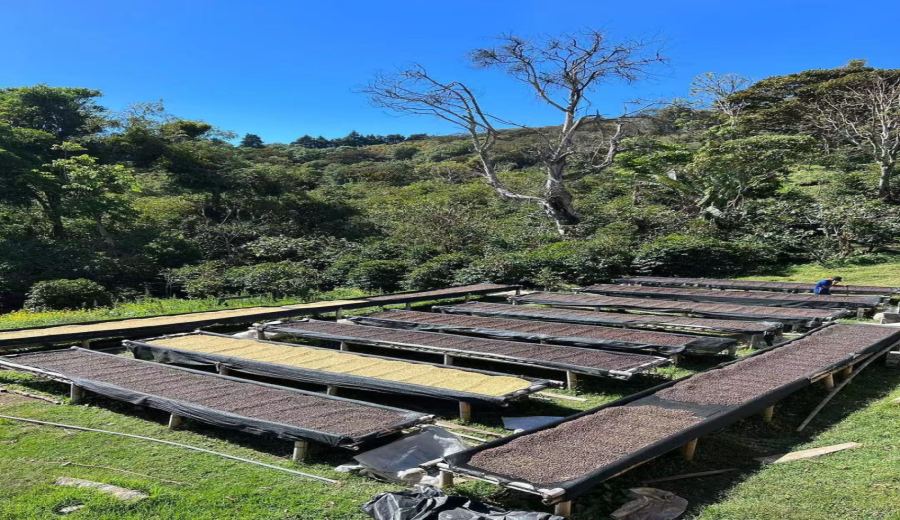
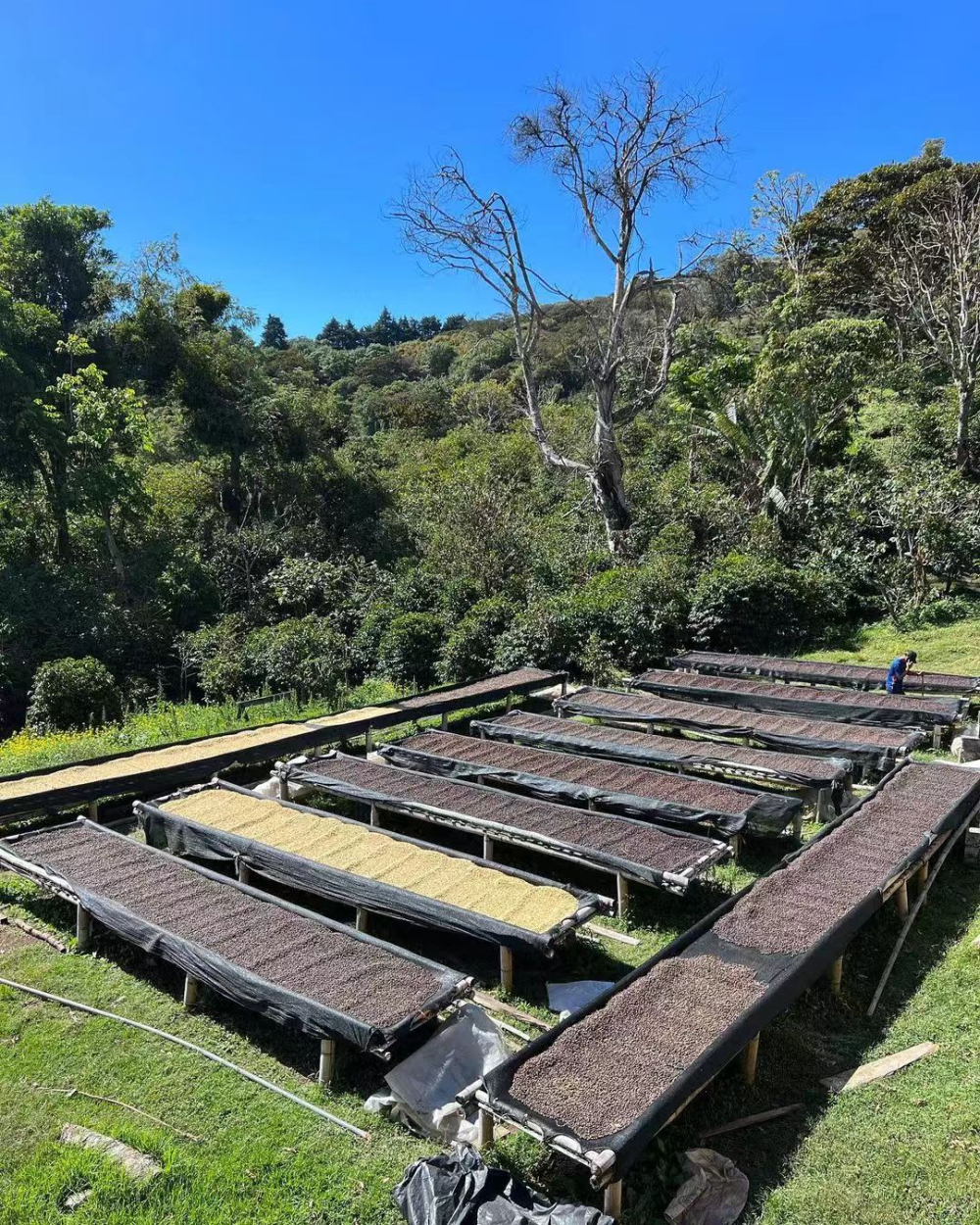
Take the recently highly acclaimed ‘Elida Estate ASD Process Geisha’ as an example. This bean adopts an innovative processing method combining anaerobic fermentation with low-temperature slow sun drying. After harvesting, the coffee cherries undergo 4 to 5 days of anaerobic fermentation, during which temperature and humidity are tightly controlled to foster richer aromatic compounds. Once fermentation is complete, the coffee berries are spread out on sun beds and dried slowly at low temperatures. While this entire process requires more time and labor, it also imparts a rounder acidity, delicate floral notes, and a longer-lasting aftertaste to the coffee. It should be noted that this processing method demands highly favorable weather conditions, has a long production cycle, and comes with relatively higher costs—representing top-tier craftsmanship among specialty coffees.
For this Elida Geisha processed with anaerobic fermentation and low-temperature slow sun drying, a medium-light roast is recommended to highlight its bright acidity and rich fruit and floral profiles. Practical pour over recommendations are as follows: use a V60 filter, with approximately 15 grams of coffee, a 1:15 coffee-to-water ratio, and a grind size close to that of fine sugar (approximately 80% passing through a #20 sieve). Water temperature should be controlled between 91–92°C to effectively bring out the aromatic compounds of the floral and fruity notes. For brewing, a pulse pouring method is suggested: start with a 30-second bloom using 30 grams of water, followed by pouring 95 grams of water, then wait for the flow to slow before adding the final 100 grams. Total brew time is around 2 minutes, with an allowable margin of about 10 seconds. These parameters are ideal for coffee enthusiasts seeking clear flavor profiles and subtle nuances, and are especially suitable as an entry-level choice for practicing pour over techniques or tasting high-altitude Geisha.
The above content is compiled by CoffeeHunters, a coffee news website.


