







Introduction:Yirgacheffe is considered the "fruit aroma holy land" in the hearts of many coffee enthusiasts, renowned for its distinctive citrus acidity and tea-like aftertaste. This article delves into the geographical background and flavor origins of this famous coffee region, highlights three representative Yirgacheffe coffee beans, and offers practical medium-to-light roast pour over brewing suggestions — including grind size, water temperature control, and stage extraction techniques — so you can easily enjoy clean and elegant classic flavors at home.
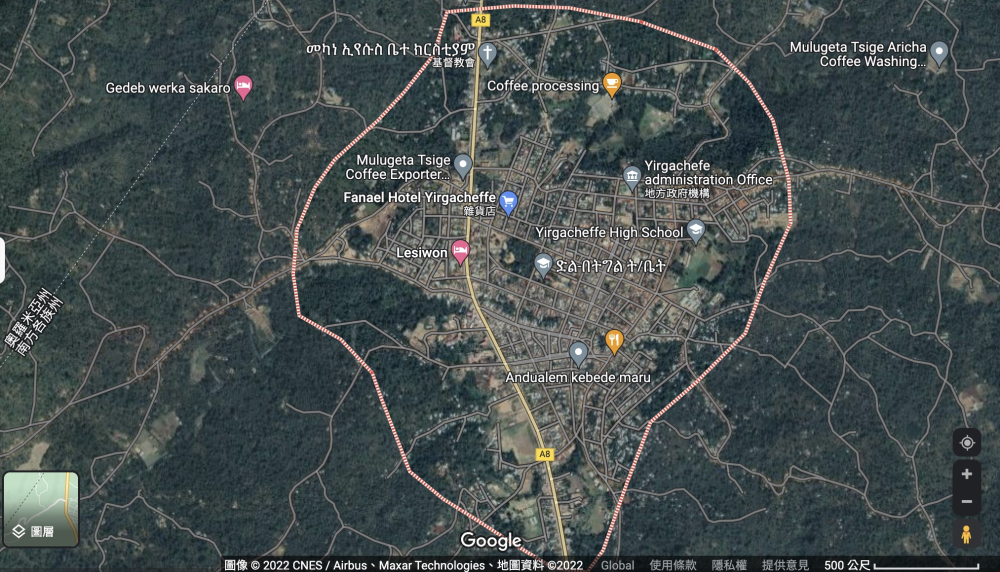
Yirgacheffe is a well-known town in the Gedeb district (GEDEO) of southern Ethiopia, and its name is also widely used to refer collectively to the coffee produced there. Although many people assume Yirgacheffe is a province or a single producing region, it was originally just a town within the Sidamo region. It wasn't until the Ethiopian administrative reorganization in 1995 that it was officially placed under the management of the Gedeb district.
The coffee produced in this region is internationally acclaimed for its distinct white floral notes, lemon-like acidity, and tea-like aftertaste, even becoming a top choice for many newcomers to specialty coffee. Interestingly, due to high market demand, many coffee beans not truly from Yirgacheffe are often labeled as such — a situation somewhat akin to how "Yonghe Soy Milk" isn’t necessarily from Yonghe.
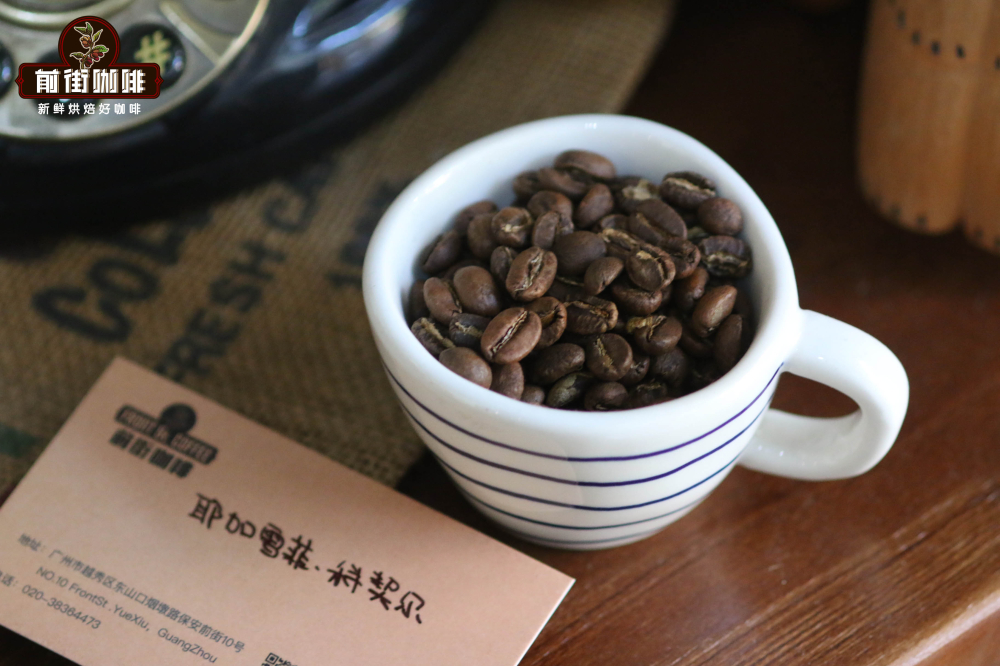
Currently, "Yirgacheffe" coffee on the market mostly refers to beans produced in this region, with those from cooperatives or villages such as Kochere, Worka, Gotiti, Chelelektu, Misty Valley, and Konga receiving the most attention. When trading, green bean merchants often specify the exact origin in the product name, such as "Yirgacheffe Kochere," helping consumers better understand the beans' source and potential flavor profile.
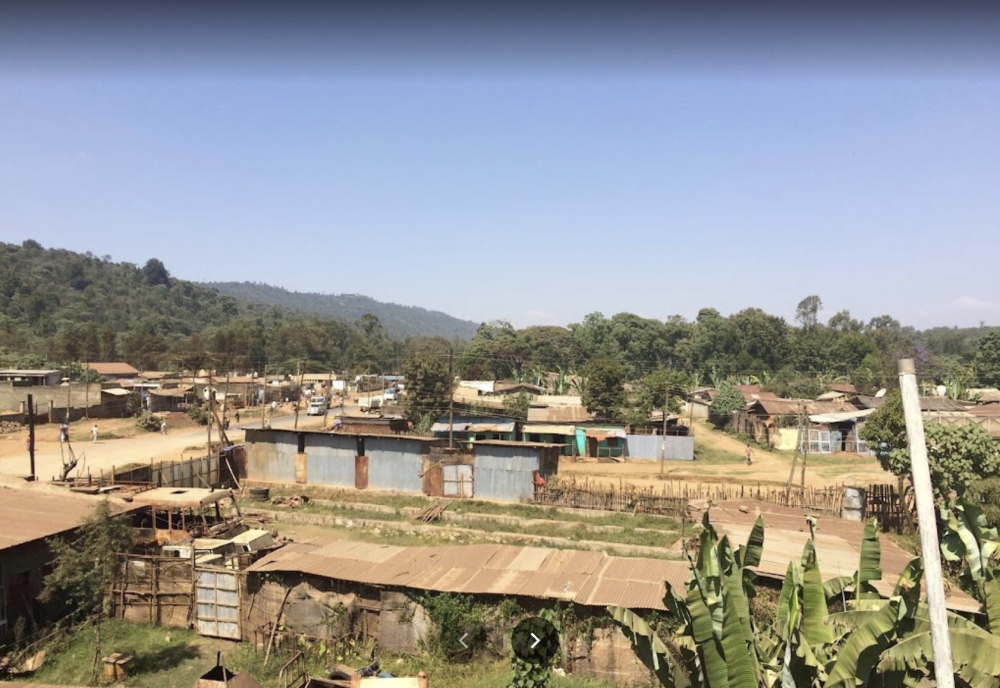
Yirgacheffe’s ability to cultivate such unique coffee flavors is inseparable from its geographical and climatic conditions. The region lies within the golden altitude range of the coffee belt, approximately 1700 to 2100 meters above sea level, with some premium areas like Kochere reaching over 2300 meters. The high altitude slows the ripening of coffee cherries, aiding the accumulation of flavor compounds. Additionally, the large diurnal temperature variation, along with the area’s humid and foggy environment, abundant water sources, and mineral-rich acidic soil, all contribute to the distinct bright acidity, sweetness, and complexity of Yirgacheffe coffee.
These terroir conditions give Yirgacheffe coffee pronounced citrus (like lemon and orange), white floral (such as jasmine and white rose), and tea-like aftertaste notes, resulting in a refreshing and light-bodied cup reminiscent of a fruit-infused, high-quality lemon herbal tea. Compared to the common stereotype of coffee being "strong and bitter," Yirgacheffe goes against the norm, making it a top choice for many beginners exploring specialty beans.
If you want to experience classic Yirgacheffe flavors, the following three coffees — each with different processing methods and cooperative origins — are excellent entry-level choices:
1. Washed Process Yirgacheffe (recommended as an everyday drinking bean)
Region: Yirgacheffe, Ethiopia
Altitude: Approximately 2300 meters
Variety: Ethiopian Heirloom
Processing Method: Washed
Flavor Profile: Citrus, lemon, honey, berries, refreshing tea-like notes
Features: Retains the most classic Yirgacheffe flavor profile, with bright acidity, balanced structure, and ideal for daily enjoyment.
2. Washed Process Gotiti Cooperative Coffee Beans
Region: Yirgacheffe Region (specific village: Gotiti)
Altitude: 1900–2000 meters
Variety: Heirloom
Processing Method: Washed
Flavor: Prominent floral notes (especially jasmine), citrus tones, berry aromas, and soft tea-like finish
Features: Cooperative-grade washed beans with clear layers, suitable for those who enjoy a balance of fruity and floral notes.
3. Natural Process Red Cherry Coffee Beans (from the Aletan Washing Station)
Region: Yirgacheffe Aletan Washing Station
Altitude: Approximately 2300 meters
Variety: Ethiopian Native Variety
Processing Method: Natural
Flavor: Citrus, berries, fruity fermentation aromas, honey sweetness, and a light creamy texture
Features: Sweetness is more pronounced after natural processing, featuring intense fruitiness and special fermentation notes, ideal for coffee lovers who prefer sweeter profiles.
To brew Yirgacheffe with vibrant flavors at home, it’s recommended to use freshly roasted (ideally within 5–30 days post-roast) beans with a medium-to-light roast level. Experienced brewers often suggest using a Hario V60 filter cone, with a medium-fine grind (about 80% passing through a Chinese No. 20 sieve) to preserve acidity and aroma, paired with 90–91°C hot water for pour over. This approach best highlights its fresh citrus and tea characteristics.
Practical pour over parameter recommendations are as follows:
• Filter Cone: Hario V60
• Coffee Dose: 15 grams
• Water Temperature: 90°C (recommended range 90–91°C)
• Grind Size: Medium-Fine (approximately 80% passing through a Chinese No. 20 sieve)
• Coffee-to-Water Ratio: 1:15
• Stage Extraction Process: Start with a 30-second bloom using 30 grams of water, then pour in a small circular motion until reaching 125 grams and pause briefly. Once the water level drops, continue pouring to a total of 225 grams. Remove the filter cone once all the water has dripped through, aiming for an overall extraction time of around 2 minutes.
Reminder: The cleanliness of your filter cone and grinder, as well as the storage of coffee beans (recommended to store in an airtight container away from light), are also key factors affecting final flavor — be sure to pay attention. Also, actual flavor performance may vary slightly depending on roast level and processing method. Feel free to adjust water temperature or grind size slightly based on personal taste to find your optimal brewing setup.
The above content is compiled by CoffeeHunters, a coffee news website.


