








Introduction:An in-depth exploration of the Typica variety — one of the most celebrated among Yunnan’s small Arabica beans. From its botanical traits and flavor profile to the logic behind its washed processing, we fully dissect this historic Arabica cultivar. Paired with practical roasting curves, cupping notes, and pour over parameters, this guide provides a comprehensive reference from cultivation to brewing, helping coffee enthusiasts more accurately grasp the unique charm of Typica.
In Yunnan’s coffee varietal landscape, Typica and Catimor represent two main developmental axes. Typica boasts a long cultivation history, with delicate and elegant flavors, though it suffers from low yields. In contrast, Catimor stands out for its exceptional disease resistance and high productivity, making it the dominant choice among Yunnan’s small Arabica beans today. Based on their hands-on planting experience, a certain coffee brand delves into why mainstream specialty coffee varieties struggle to gain traction in Yunnan and chooses to tackle the challenge head-on by focusing on the more demanding path of cultivating Typica. This article offers coffee lovers a theoretical and practical varietal guide, covering everything from Typica’s plant characteristics and flavor expression, to its washed processing method, and the brand’s 2013 Typica washed beans — including roast settings, cupping records, and pour over recommendations.
When it comes to Yunnan coffee, varietals remain an unavoidable core topic. Currently, the main coffee varieties planted locally are Typica and Catimor, with Typica being an earlier introduction and Catimor rising to prominence later. Nowadays, thanks to its planting advantages, Catimor dominates the market for Yunnan’s small Arabica beans and has become the representative of “Yunnan small beans” in the minds of most consumers. A certain coffee brand takes this opportunity to share its observations on the current state of Yunnan’s coffee varietals and recounts its own twists and turns in personally participating in planting in Yunnan.
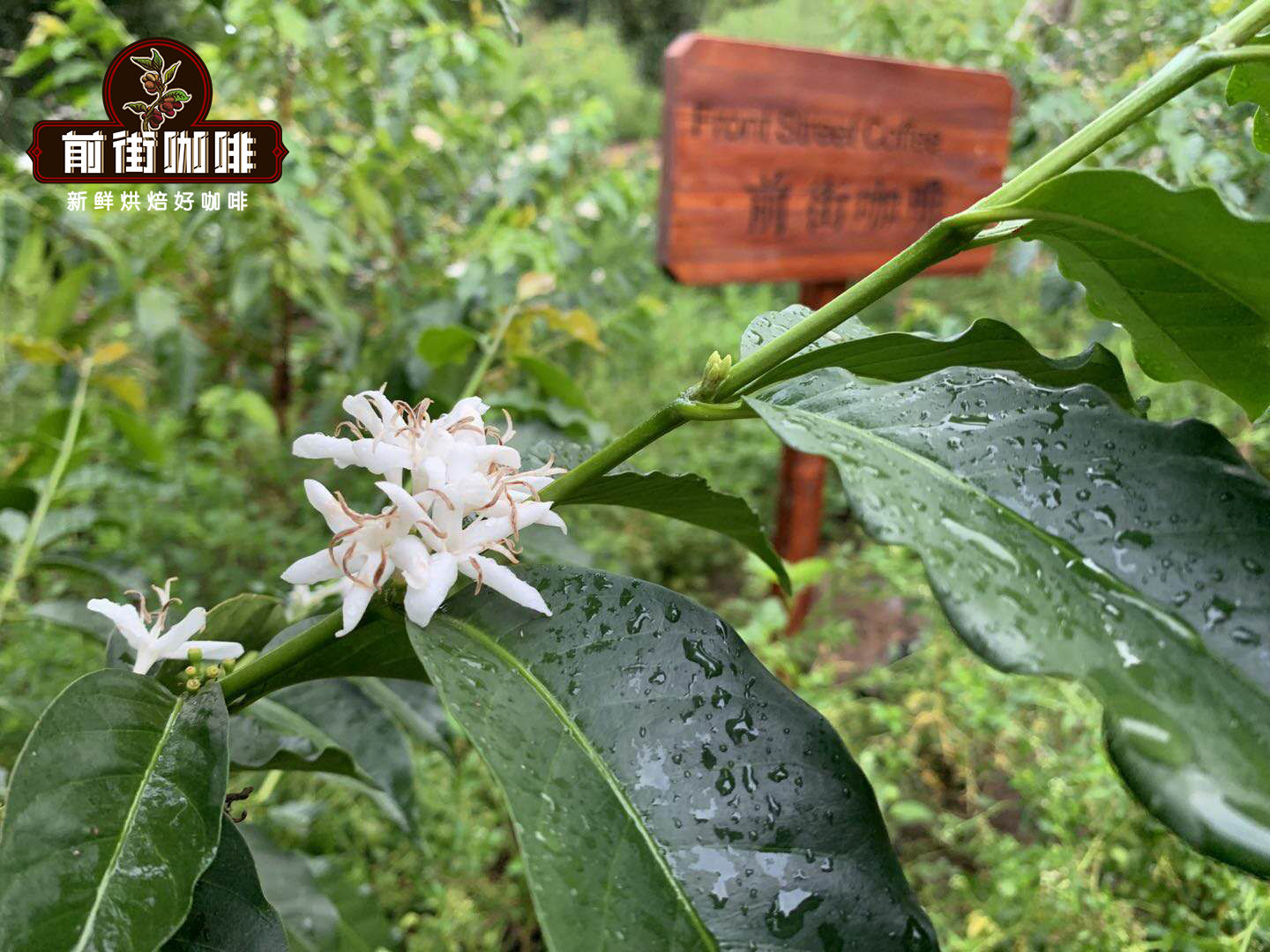
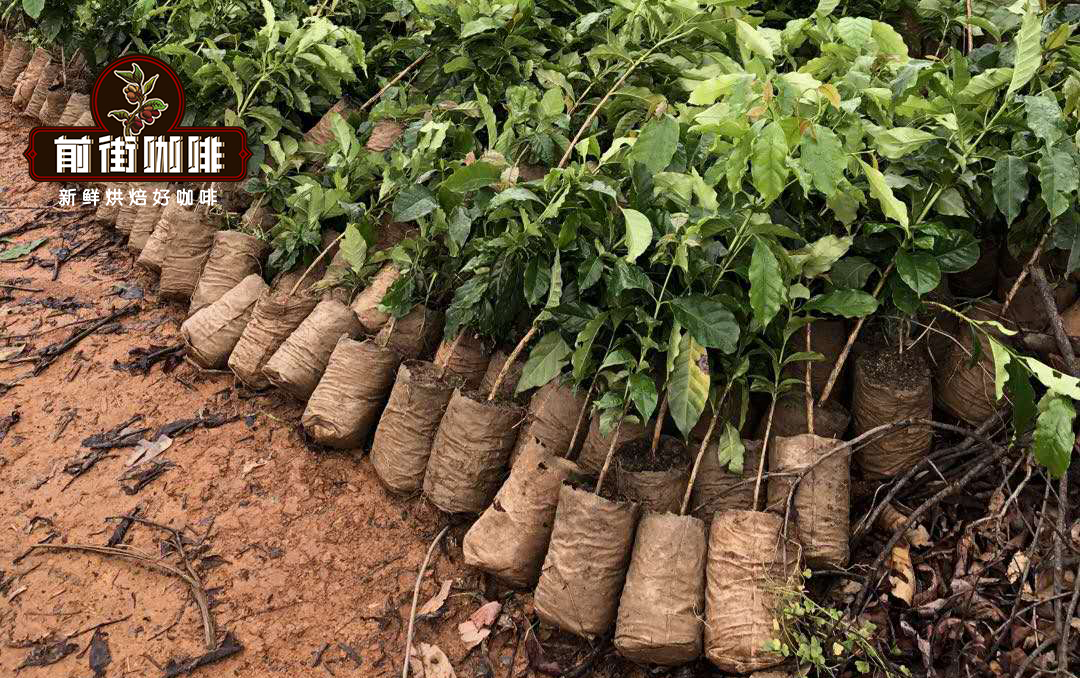
In fact, half a year before officially entering the roasting business, a certain coffee brand had already attempted to grow coffee trees in Dazhen, Guangdong. At that time, they chose the Catimor variety. It wasn’t until the coffee seedlings grew to about 20 cm tall that the team gradually understood the subtle connections between varietal characteristics, growing environments, and subsequent processing methods. It was also during this process that they discovered that choosing the wrong varietal and planting location from the start could result in a final brewed coffee flavor far from expectations.
Based on these hands-on experiences, the coffee brand decided to suspend its planting plans in Guangdong and instead continue to deepen its roasting techniques, actively visiting the Tropical Agriculture Research Institute (also the coffee germplasm bank under the Ministry of Agriculture) and some local coffee farmers focused on specialty coffee. These exchanges not only helped the team understand why Yunnan rarely plants mainstream specialty coffee varieties like Typica and Bourbon but also unexpectedly led to the discovery of ideal plots suitable for cultivation.
Owning an established coffee plantation isn’t difficult, but Yunnan’s coffee farmers have long lacked interest in growing coffee, mainly due to high labor costs — the wages for harvesting each kilogram of coffee often exceed the selling price of the beans themselves. Unless farmers have ample family labor, they’d rather let the coffee cherries ripen and fall than pick them. As a result, many operators choose to rent land from farmers shortly before harvest season to carry out simple natural or honey processing, launching so-called “Yunnan specialty coffee” in just two or three months. Whether this practice is appropriate is a matter of debate, but some industry insiders have bluntly stated: “The status quo of over a million acres of Catimor in Yunnan’s producing regions is a key area urgently in need of reform and improvement.” Controversies exist, but the efforts of all practitioners should not be dismissed.
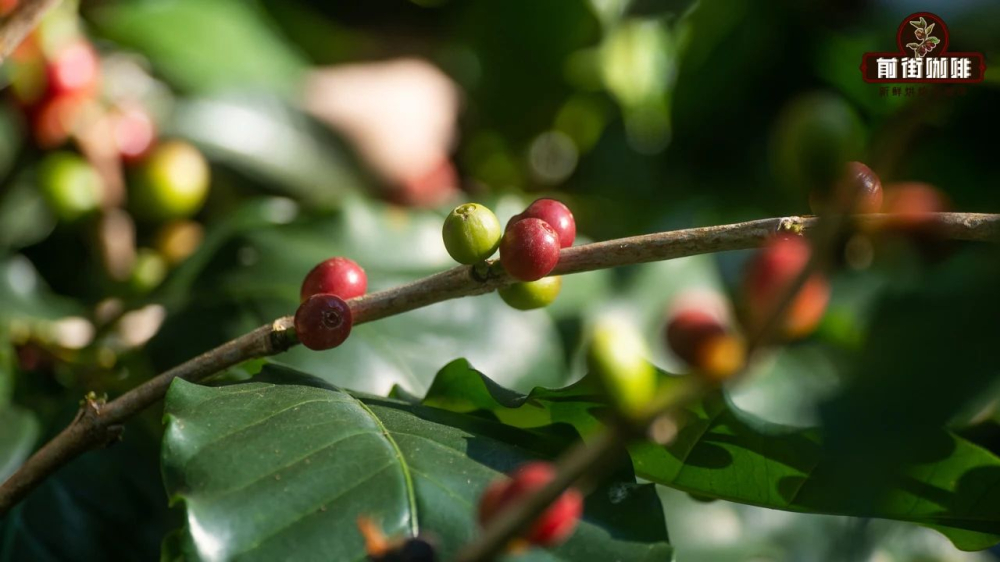
After careful consideration, a certain coffee brand resolutely chose a more challenging path: selecting high-altitude land, cultivating Arabica varieties, and adopting rational planting strategies.
In the varietal selection process, the coffee brand unequivocally chose Typica. As one of the oldest Arabica varieties, Typica is renowned for its elegant and balanced flavors. Coupled with Yunnan’s century-old cultivation records, this further bolstered our confidence in choosing it. However, Typica also has clear drawbacks: its yield is only one-third that of Catimor, it is highly susceptible to leaf rust, and it demands higher agricultural management skills and labor input.
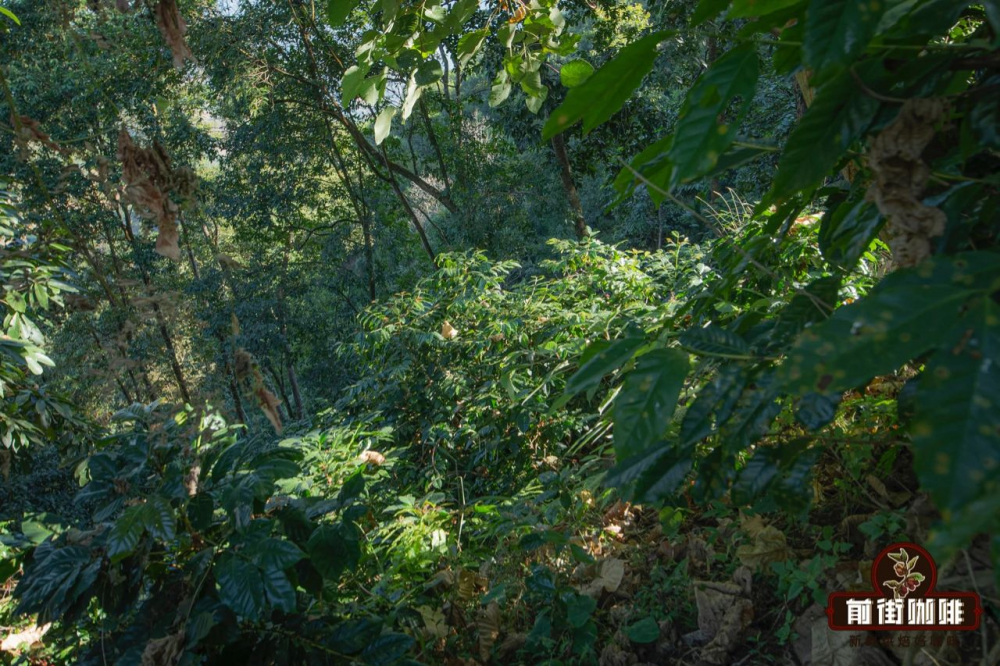
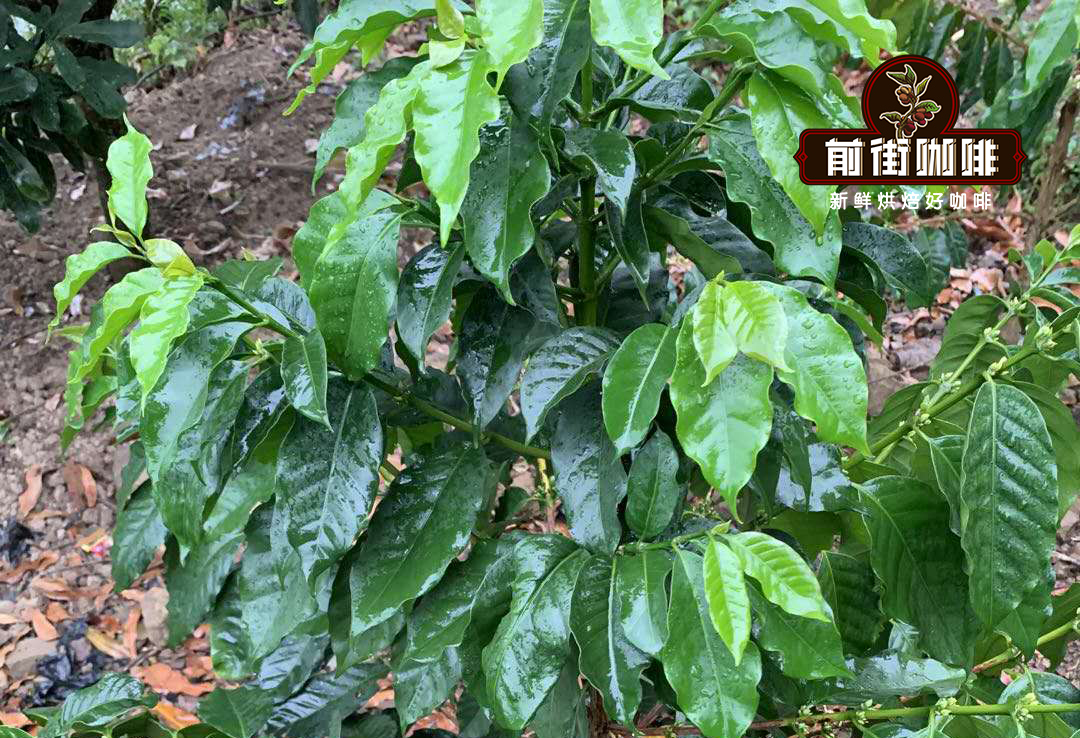
Typica’s external characteristics are highly distinctive, making it perhaps the easiest coffee variety to recognize. The plant exhibits a classic conical shape, with a straight main trunk that can grow up to 5 meters tall. This height results in wider node spacing between lateral branches and the main trunk, as well as greater distribution of nodes along the same branch compared to other varieties. The angle between lateral branches and the main trunk is approximately 50 to 80 degrees. The overall trunk and branches are not particularly thick or sturdy, and the leaves, fruits, and green beans are generally slender in shape, with new shoots often featuring a bronze hue at the tips. Compared to other Arabica varieties, Typica’s leaves have a smoother surface, with less pronounced wavy leaf edges. Mature typical fruits appear bright red.
Typica’s top leaves exhibit a bronze color, which is one of its key features. The beans are relatively large, mostly oval or slender-pointed in shape, hence it is also referred to as “red-top coffee.” Its flavor profile is characterized by a clean and refined taste, with high balance and an overall refreshing, uncluttered profile. However, due to its low yield, specific altitude requirements, and susceptibility to leaf rust, along with weaker resistance to pests and diseases, cultivating Typica presents no small challenges.
Before launching its own Yunnan Typica project, a certain coffee brand also continuously monitored outstanding Yunnan coffee products on the market.
Brand 2013 Typica Washed Beans
Region: Baoshan, Yunnan, China
Altitude: 1200 meters
Variety: Typica
Processing Method: Washed
During their on-site observation of the planting season in Yunnan, the team from a certain coffee brand deeply experienced the region’s frequent rainy seasons and unstable climate. Often, sunlight would appear for just a few minutes, only to be followed by rain lasting over half an hour. For this reason, Yunnan coffee beans are mostly processed using the washed method to ensure flavor stability.
The standard process for washed processing is as follows: first, a pulper is used to remove most of the fruit pulp, then the parchment-covered beans are placed in water tanks for fermentation, where microbial action thoroughly removes the remaining pulp layer. About five years ago, the washed method was often seen as the preferred processing method for high-quality coffee beans. This approach not only uses buoyancy principles to screen out unripe and defective beans, but the fermentation process is also relatively easy to control, resulting in coffee that typically exhibits pronounced fruit acidity, higher complexity, and a clean cup profile — with almost no astringency or harsh negative flavors.
Coffee Brand Roasting Analysis
The roasters at a certain coffee brand believe that a medium-slow roast best showcases the rounded smoothness and rich floral-fruity aromas of the Brand 2013 Typica coffee beans.
Roaster: Yangjia 600g semi-direct-fire
Roast Profile Settings: Start at 200°C into the drum, air vent open at 3; after 30 seconds, adjust heat to 160°C, keep air vent unchanged, turn-around point at 1 minute 33 seconds; at 168°C, perform the first heat adjustment — beans turn yellow, grassy notes completely disappear, dehydration phase complete, then reduce heat to 130°C, air vent adjusted to 4; at 8 minutes 45 seconds, beans show obvious wrinkles and dark spots, emitting a shift from baked bread aroma to coffee aroma, carefully listen for changes in sound before first crack; first crack begins at 9 minutes 07 seconds, reduce heat to 80°C, air vent fully open at 5 (carefully controlled to avoid extinguishing the crack with too little heat); first crack continues for 3 minutes, drop at 198°C.
Brand Cupping Record
Cupping is conducted within 8 to 24 hours after sample bean roasting. Baristas at a certain coffee brand typically use 200ml ceramic cupping bowls marked with 150ml and 200ml gradations. According to SCAA standards, cupping water TDS is controlled around 150ppm — values too low may lead to over-extraction, while too high affects mouthfeel and risks under-extraction. Cupping water temperature is set to 94°C, grind size references SCAA standards, using 20号 sieve with 70%-75% passing rate. Coffee-to-water ratio is 11 grams of coffee grounds to 200 milliliters of hot water, i.e., 1:18.18, yielding an extraction concentration in the optimal range of 1.15%-1.35%, with a brew time of 4 minutes.
Brand 2013 Typica Coffee Bean Cupping Results: Upon entry, rich fruity aromas are immediately perceived, accompanied by cantaloupe and herbal notes, with a smooth mouthfeel; the mid-palate reveals layers of nuts and milk chocolate, while the finish carries a lively, bright plum acidity, with noticeable saliva stimulation. Overall balance is excellent, with medium body and a full mouthfeel; as temperature cools from hot to warm, shifts in sweet and sour layers can be appreciated — starting sweet then turning acidic, with apricot and citrus acidity tones, and a lingering aftertaste as mellow as black tea, with hints of brown sugar.
Brand Pour Over Recommendation (Yunnan Small Bean Typica)
Recommended coffee dosage: 15 grams, coffee-to-water ratio can be 1:15, or adjusted to 1:16 for a clearer flavor profile. V60 dripper is recommended, water temperature set to 88°C to soften acidity, grind size is medium-fine (about granulated sugar size, 20号 sieve with 80% passing rate).
Brand’s Step-by-Step Pour Over Technique: Begin with a 30-second bloom using 30 grams of water, then pour in a small circular motion to reach 125 grams for the first pour; when the water level drops close to exposing the coffee bed, continue pouring to 225 grams, then stop and wait until the water level drops again near exposing the coffee bed before removing the dripper. (Start timing at bloom.) Total extraction time is approximately 2 minutes.
The above content is compiled by CoffeeHunters, a coffee news website.


