







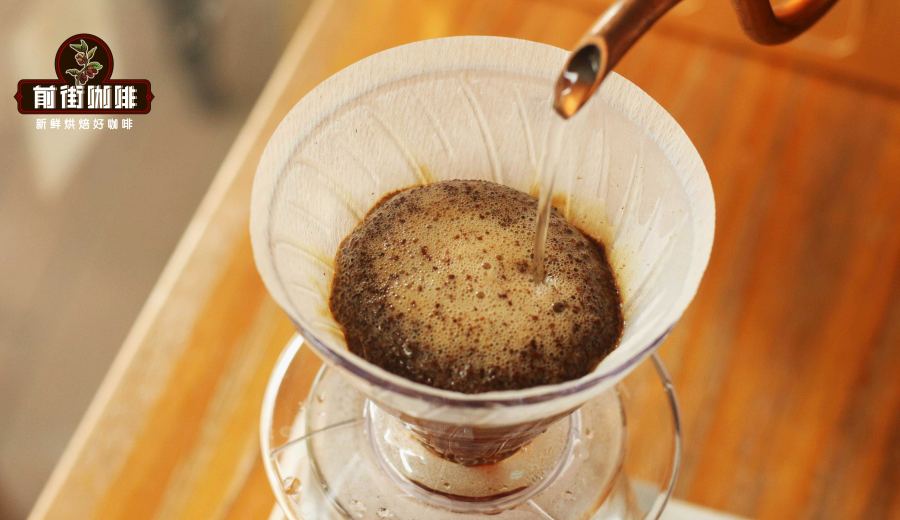
Introduction:As the most representative specialty coffee region in Ethiopia, Yirgacheffe is renowned for its bright acidity and elegant floral aroma. This article delves into the historical background of the region, its primary processing methods, and provides an in-depth analysis of the flavor profiles and ideal usage scenarios of several popular washed Yirgacheffe coffee beans. Whether you're a pour over enthusiast or looking to select a high-quality daily drinker, this guide will help you better understand the charm and nuances of this classic origin.
Yirgacheffe is a well-known specialty coffee region within Ethiopia's Gedeo Zone in the southern part of the country. It is world-famous for its fresh and bright acidity, rich floral notes, and unique tea-like flavor. For those new to the world of single-origin coffee, choosing a Yirgacheffe coffee bean that is both representative and approachable is an excellent starting point for exploring African coffee flavors.
If you're looking for a premium daily drinker that not only offers clear flavors and distinct regional characteristics but also fits within a reasonable budget, then washed Yirgacheffe beans are definitely worth considering. Below, we’ll take you through the region’s history, processing methods, and the actual flavor profiles of specific beans, giving you a comprehensive understanding of the diverse facets of this classic origin.
Yirgacheffe was originally the name of a town, commonly translated in Chinese as "耶加雪菲" or "耶加雪啡." This plateau, situated at an altitude of 1700 to 2100 meters, boasts a cool climate with significant day-night temperature variations and mineral-rich soil—ideal conditions for developing the delicate acidity and unique aromas found in its coffee cherries. In the local language, "yirga" means "to settle," and "cheffe" refers to "wetland," so the name essentially means "the place where people settled in the wetlands."
In earlier years, Yirgacheffe was part of the Sidamo region. However, due to its distinctly recognizable bright floral and citrus notes, along with its generally higher cultivation altitudes, it gradually developed a flavor profile quite different from other areas within Sidamo. Eventually, this small region separated from its original province to become an independent and highly regarded coffee-producing area.
After the administrative reorganization of Ethiopia in 1995, the former Sidamo Province was divided, with parts merging with the Oromia Region, while Yirgacheffe became part of the newly established Gedeo Zone. Despite the change in administrative boundaries, Yirgacheffe coffee remains a top choice for specialty coffee enthusiasts worldwide, thanks to its light acidity, fruity and floral notes, and tea-like aftertaste.
Most of Yirgacheffe’s coffee is grown by local smallholder farmers on their own farms. After harvest, the cherries are typically sent to nearby washed processing facilities for initial processing. Many coffee beans are circulated under the names of the processing mills or cooperatives, such as the well-known Kochere cooperative (one of the common cooperatives in the Gedeb area), which serves as a sourcing channel for many roasters.
Washed processing is one of the most iconic methods for Yirgacheffe coffee. By removing the pulp, fermenting to eliminate the mucilage, and then washing and sun-drying the beans, this method highlights the inherent brightness and delicate aromas of the coffee, making it a favorite process among pour over enthusiasts who prefer a clean-tasting cup.
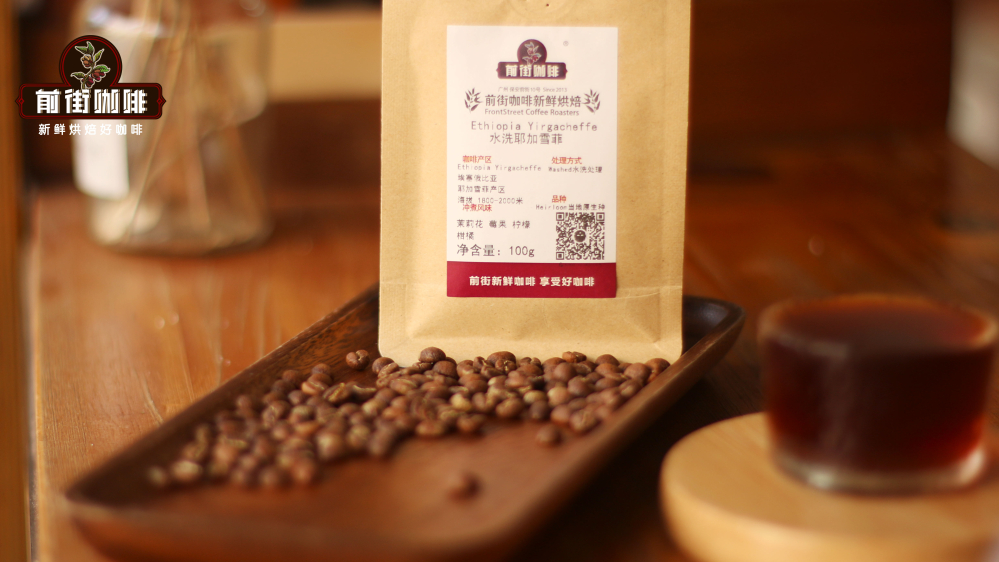
Take “Washed Yirgacheffe” as an example—it uses native variety beans sourced from the Yirgacheffe region at an altitude of around 2300 meters, processed through a standard washed method. Its flavor profile often features bright lemon and citrus notes, a mid-palate of subtle tea-like qualities and berry aromas, and a finish with a hint of honey sweetness. It’s an excellent everyday drinker for consumers who enjoy refreshing, pour over-friendly flavors.
Another popular option is the washed beans from the Yirgacheffe Kochere Cooperative. The producing area sits at an altitude between 2000 and 2100 meters, also using native varieties, and processed at the cooperative’s own washing station. The processing steps include: mechanically removing the skin and pulp first, then fermenting the mucilage-covered beans in tanks for about 24 hours, followed by washing off the mucilage, and finally drying them on raised beds or concrete patios for 2 to 3 weeks. This bean’s flavor profile is dominated by jasmine, citrus, berries, and tea-like notes, with a clear flavor line, bright yet non-aggressive acidity—an essential classic for coffee lovers who enjoy fruity and floral profiles.
If you’re looking for Yirgacheffe coffee beans with stable supply, freshly roasted, and reasonable pricing, it’s recommended to choose brands with good roasting control and transparent supply chains. Generally, premium washed Yirgacheffe is best brewed with a medium-light roast. When pour over brewing, consider a grind size between superfine sugar and white sugar, water temperature controlled at 90–92°C, and a coffee-to-water ratio of 1:15 to 1:16 to fully showcase its bright fruity-floral and tea-like layers.
In summary, Yirgacheffe is not only a symbol of Ethiopia’s specialty coffee but also one of the best entry points for beginners to explore the acidic and aromatic profiles of single-origin coffee. Whether you prefer bright fruit acids, soft tea notes, or delicate floral scents, Yirgacheffe’s washed and natural processed beans offer a wide variety of choices. It’s recommended to select the flavor profile that best suits your personal taste preferences.
The above content is compiled by CoffeeHunters, a coffee news website.


