







Introduction:Sumatra Golden Mandheling is renowned for its rich, mellow flavor profile. Its unique wet-hulled processing method and meticulous sorting craftsmanship result in a clean yet layered cup. This article delves into the characteristics of the two major producing regions—Lintong and Aceh—by exploring their terroir and processing techniques, and offers practical medium-to-dark roast pour over recommendations to help you extract the captivating flavors of nuts, caramel, and spices. Whether you're a beginner or an advanced coffee enthusiast, you'll find useful inspiration here.
When it comes to coffee from Asia, many people first think of bold, full-bodied flavors with rich characteristics. Sumatra Golden Mandheling is a classic representative of this flavor profile. Its deep roast showcases a steady, grounded expression that is not only ideal for single-origin enjoyment but also serves as an essential base for many espresso blends. This article will comprehensively dissect the charm of this classic bean, from its growing environment and processing methods to practical brewing techniques.
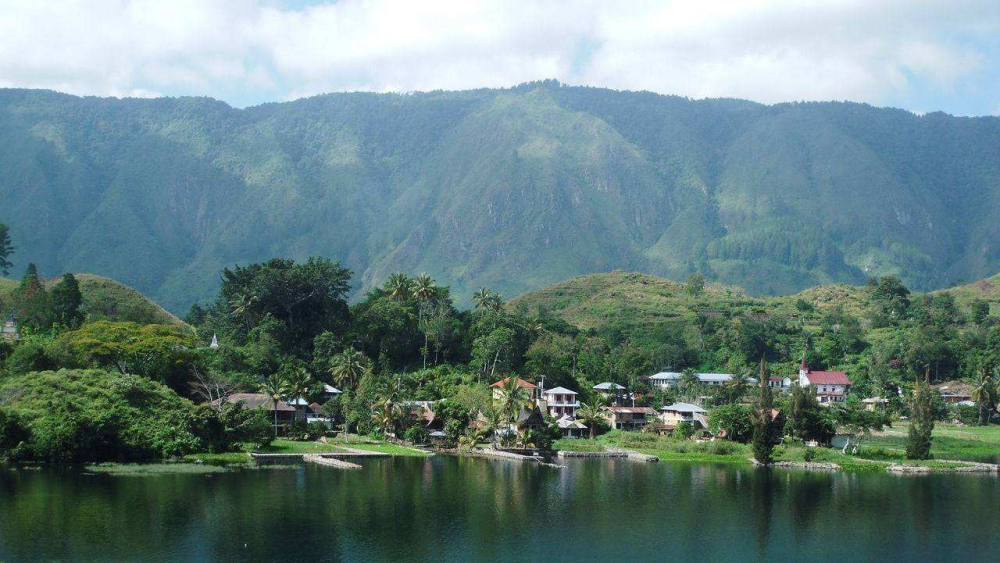
Let’s start with the producing regions. Lintong is located by Lake Toba in north-central Sumatra, home to the world’s largest and deepest volcanic lake. The soil here, enriched by volcanic activity, is rich in various minerals, providing excellent growing conditions for coffee trees. The local climate is rainy, with abundant sunlight but not overly intense, and the high altitude creates significant day-night temperature variations. These factors allow the coffee cherries more time to accumulate flavor compounds, resulting in its distinctive sweetness and aromatic foundation.
Another important producing area is around Lake Tawar in Aceh, near the Gayo Mountains. Though this region has experienced turmoil, it has retained a relatively pristine agricultural environment. Many farmers adhere to organic farming practices, and the coffee produced demonstrates strong performance in both quality and sustainability. Among them, the well-known Pwani Coffee Company (abbreviated as PWN) is famed for its strict quality control standards. Its Golden Mandheling is a premium product that undergoes multiple layers of selection.
PWN is extremely particular about selecting coffee beans. After procurement, the green beans first go through preliminary machine sorting, followed by three rounds of manual hand-picking by experienced staff. Only beans that meet a size of 18 mesh, are intact, and are uniform in appearance are retained—equivalent to Indonesia’s local G1 grade. Cupping results show that this rigorously selected Golden Mandheling significantly reduces the earthy or woody off-flavors commonly found in regular Mandheling, resulting in a purer and more transparent flavor profile.
As for the key factor that shapes Mandheling’s unique character, that would be the “wet-hulled” method. Indonesia’s tropical rainforest climate, with its year-round high temperatures and humidity, makes traditional sun-drying or washed processing difficult to stabilize. As a result, a unique “semi-washed” method was developed locally. The process involves: first removing the skin and pulp, allowing a short fermentation period, then beginning initial drying until the beans reach a semi-dry state, at which point the parchment layer is removed, and drying continues until the moisture content is around 12%. Since much of this process occurs in a high-humidity environment (70%–90%), and the parchment layer is removed early, the green beans are prone to absorbing impurities from the air. This is one reason why Mandheling has often been associated with earthy, woody, or even muted spicy notes in the past.
With an understanding of the producing regions and processing methods, the next step is how to use pour over at home to bring out the most captivating layers of Golden Mandheling. Based on practical experience, it’s recommended to choose a medium-to-dark roast level, which can highlight the roasted aroma without suppressing the coffee’s inherent freshness and sweetness.
Recommended pour over parameters are as follows: water temperature controlled between 87–88°C, grind size roughly equivalent to 70% passing through a Chinese standard 20-mesh sieve—i.e., medium-fine to medium grind. Use 15 grams of coffee, with a 1:15 coffee-to-water ratio. Employ a three-stage pouring method: start by pouring water equal to twice the coffee’s weight (about 30 milliliters) to bloom and let it degas for 30 seconds. Once the coffee grounds expand and form a dome, continue pouring with a thin stream in circular motions from the center outward, accumulating to 125 grams before pausing to let the coffee bed in the filter slightly settle. When the water level drops to about half the height of the filter, pour again with the same thin stream until the total water volume reaches 225 grams. Once all the coffee has dripped through, remove the filter. The total extraction time is approximately 2 minutes. Finally, gently swirl the coffee in the server before enjoying.
The resulting Golden Mandheling brewed this way features a distinct and layered flavor profile. It is full-bodied yet clean on the palate, and as the temperature drops, you can perceive a nutty, caramel base intertwined with delicate notes of chocolate and mildly spicy hints (like cinnamon). The finish is long-lasting and well-balanced, making it an excellent single-origin coffee for in-depth tasting.
The above content is compiled by CoffeeHunters, a coffee news website.


