








Introduction:Kenyan coffee is renowned for its bright and vibrant acidity, particularly the refreshing notes reminiscent of cherry tomatoes, citrus, and lemon, which are beloved by acid lovers. What are the key factors behind this distinctive acidic aroma? This article takes you through a comprehensive analysis — from altitude, volcanic soil, and washed processing, to the K72 method and suitable brewing techniques — and shares practical grind and extraction references to help you more precisely highlight the exceptional flavors of Kenyan coffee.
Kenyan coffee has always held a unique position in the global specialty coffee market, especially known for its high acidity and bright, fruit-forward profile. Many coffee enthusiasts often perceive lively acidity resembling cherry tomatoes, citrus, or even lemon when tasting it. These flavor characteristics make Kenyan coffee a top choice for consumers who prefer brighter, more acidic profiles. But why can Kenyan coffee exhibit such vivid acidity? The reasons can be traced back to the region’s natural conditions, meticulous processing methods, and even roasting and brewing techniques.
First, Kenya’s geographic and climatic conditions provide an ideal environment for coffee cultivation. The country’s Arabica coffee is primarily grown at elevations between 1400 and 2000 meters. At these high altitudes, lower temperatures and thinner air slow down the growth rate of coffee trees, allowing more time for nutrients and flavor compounds to accumulate. Additionally, Kenya’s soil is mostly fertile volcanic earth, rich in various minerals — especially phosphates — one of the key elements contributing to the bright yet smooth acidity of Kenyan coffee.

High altitude not only brings larger diurnal temperature variations but also leads to a longer fruit maturation period, aiding in the accumulation of sugars and flavor compounds. Especially in areas around Mount Kenya, the surrounding mountains and cloud cover create significant day-night temperature differences. Similar to how the large temperature range in Xinjiang boosts fruit sweetness, Kenyan coffee cherries also accumulate rich sugars and fruit acids in such conditions, resulting in a distinct personality that features clear acidity, intense fruity notes, and a full-bodied mouthfeel.
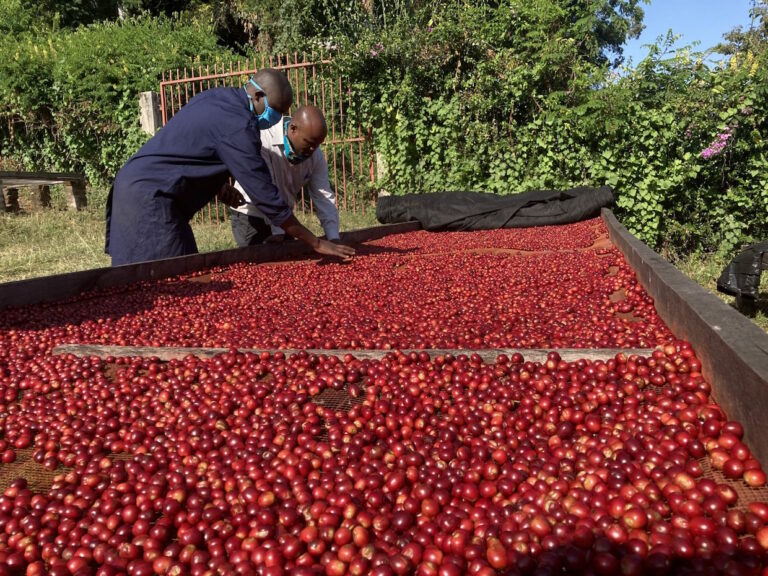
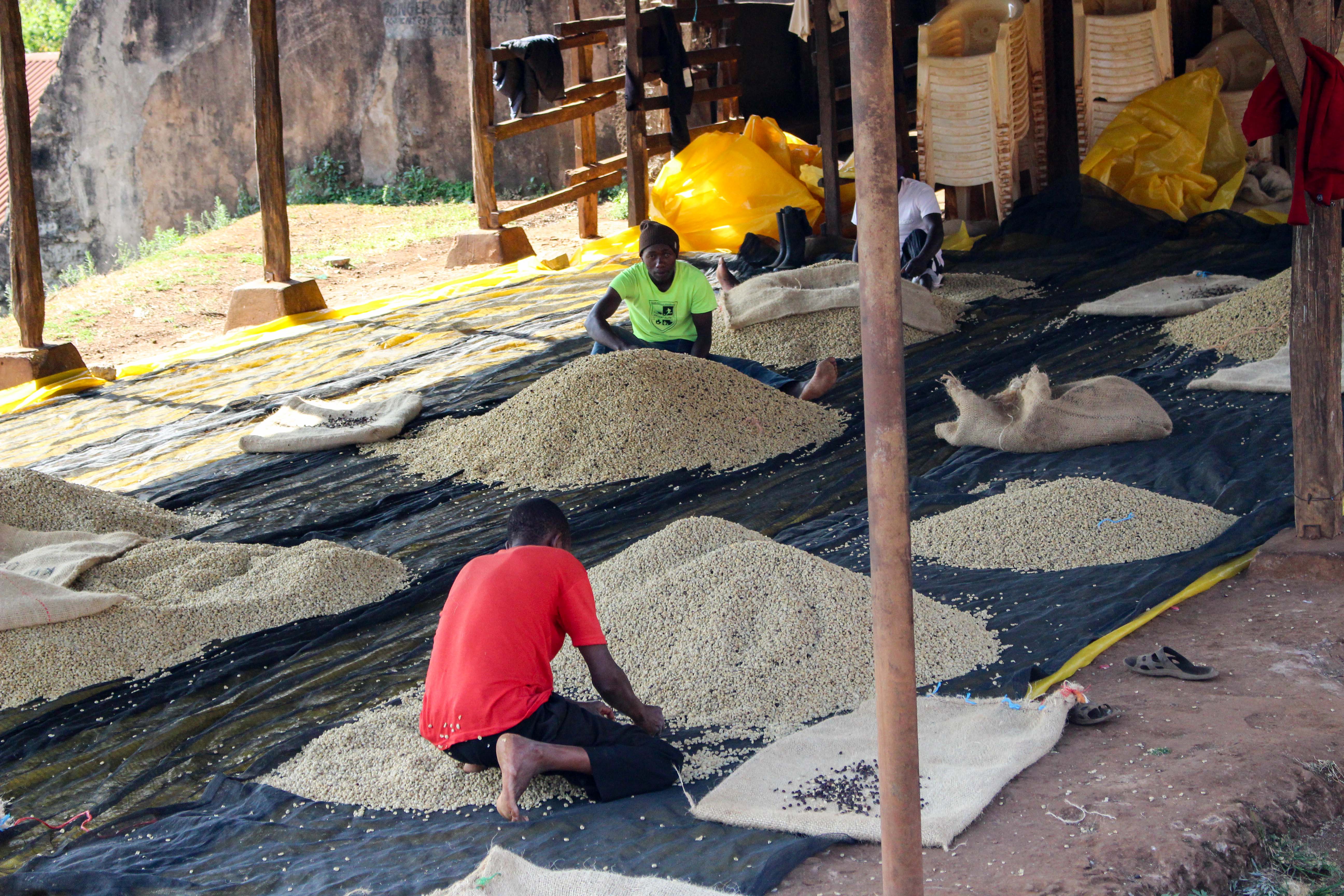
Beyond natural conditions, the production and processing of Kenyan coffee are also extremely meticulous. Most of it is cultivated by smallholder farmers and managed collectively through cooperatives. After harvesting, coffee cherries are sent to centralized processing facilities where they undergo strict screening — including removal of underripe cherries and sorting by bean size — to ensure only uniformly high-quality beans proceed to further processing. This high-standard control is crucial for maintaining both the consistency and purity of the coffee’s flavor.
The most commonly used processing method for Kenyan coffee is washed processing, with the K72 method being the most representative. This process differs from standard washed methods: after depulping, the beans go through multiple soaking and washing cycles, totaling 72 hours — hence the name. This time-consuming process not only removes mucilage and impurities more thoroughly, but also enhances the clarity and complexity of acidity, ultimately delivering a coffee with a brighter, livelier acidic profile.
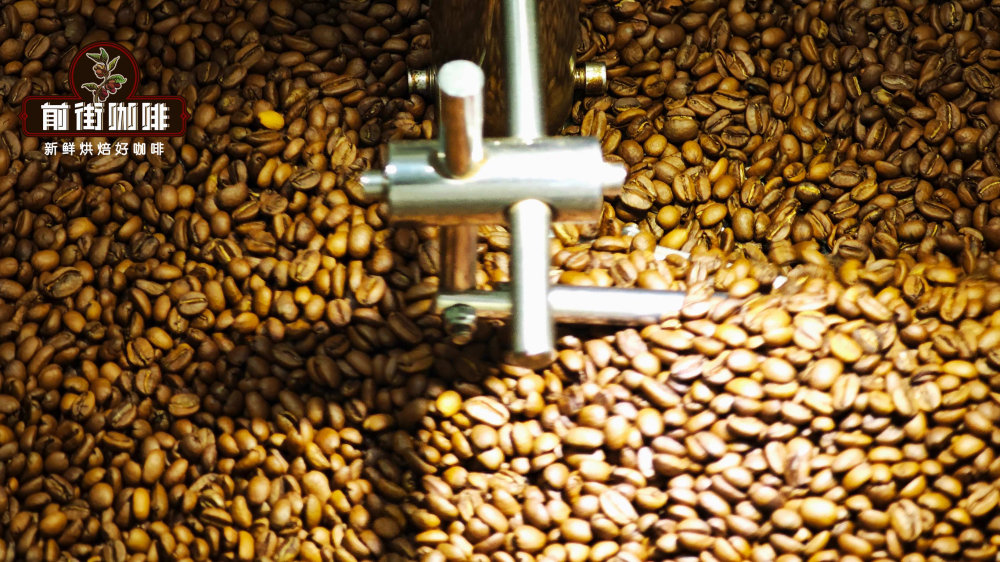
Roast level also affects how acidity is expressed in coffee. Generally, lighter roasts preserve more of the coffee’s native acidity, especially for beans like Kenyan ones that are fruit- and floral-forward; light to light-medium roasts often better highlight their fresh acidic tones. During roasting, chlorogenic acids in the beans gradually break down with rising temperature and time, and acidity typically peaks at very light roasts before declining. Therefore, the roast profiles for Kenyan coffee often retain certain bright fruit acid highlights, allowing drinkers to fully experience its unique balance of acidity and sweetness.
For home brewers of Kenyan coffee, water selection and extraction parameters are details that cannot be overlooked. Many baristas and competition brewers specially adjust their brewing water because water quality greatly impacts coffee flavor. It is generally recommended to use water with a TDS value of about 150 mg/L and a pH between 6.5 and 7.5 — for example, filtered water with balanced total dissolved solids and mineral content — which can more effectively bring out the aromatic compounds and nuanced acidity in the coffee.
In addition, grind size and brewing technique directly influence how acidity is expressed. If the coffee tastes overly sharp or thin, it may be due to too fine a grind causing over-extraction, bringing out bitterness prematurely. Conversely, if the acidity is too prominent and lacks sweetness, it might result from a grind that is too coarse or a water temperature that is too low, leading to under-extraction. It is recommended to test grind fineness using a standard No. 20 sieve, maintaining a sieve retention rate between 75% and 80%, which usually achieves a better extraction balance.
If you don’t have professional tools on hand, you can also observe the coffee grounds' condition during the bloom phase and the flow rate of water to judge whether the grind is appropriate. For instance, if the coffee particles appear compact like sea salt, the grind is likely too coarse; if the grounds clump severely or the water flows slowly, it may be too fine. After adjusting the grind setting, you can find the optimal balance for your taste by observing the total extraction time (ideally between 2 and 2.5 minutes) and the mouthfeel of the brewed coffee.
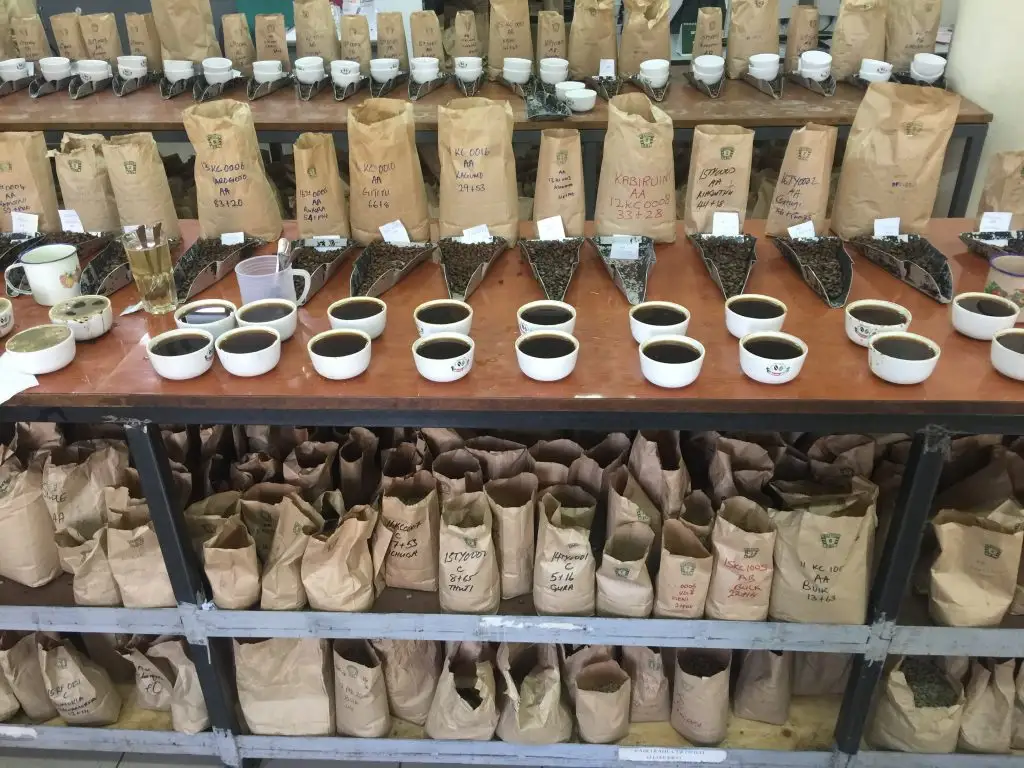
In summary, the bright acidity of Kenyan coffee is the result of perfect synergy between nature, location, and refined craftsmanship. From the natural advantages of high altitude and volcanic soil, to the precise handling of washed and K72 processing methods, to the exacting control of roasting and brewing — every step influences the final cup’s flavor expression. Understanding these key factors not only helps you better appreciate the unique charm of Kenyan coffee, but also enables you to more easily brew a bright, vibrant, and layered coffee experience at home.
The above content is compiled by CoffeeHunters, a coffee news website.


