







Introduction:Have you ever wondered if espresso blends are suitable for pour over? This article delves into the characteristics of espresso beans, the price differences compared to single-origin beans, and analyzes their pour over flavor performance through real-life examples. From roast level and blending logic to specific extraction parameters, we offer practical advice to help you uncover the potential of espresso beans in pour over brewing.
When selecting coffee beans, many people often hesitate between single-origin beans and espresso blends. Single-origin beans, sourced from specific regions, are suitable for various brewing methods, while espresso blends are typically dark roasted and designed for espresso machines. But have you ever thought about whether these espresso blends, created for espresso, can showcase different flavors in pour over? This article will explore the formulation logic behind espresso beans, analyze their viability for pour over, and take you through their actual performance with real examples.
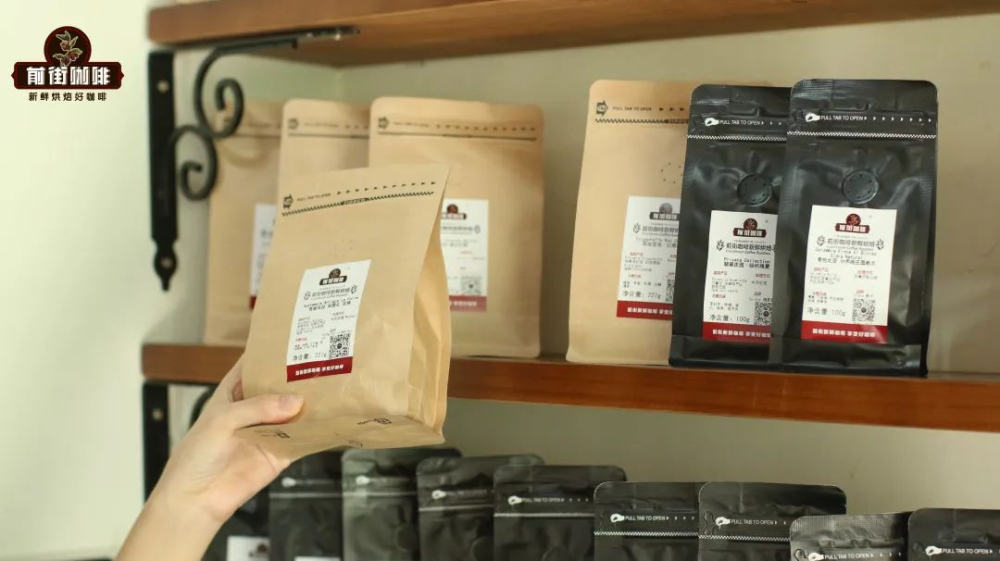
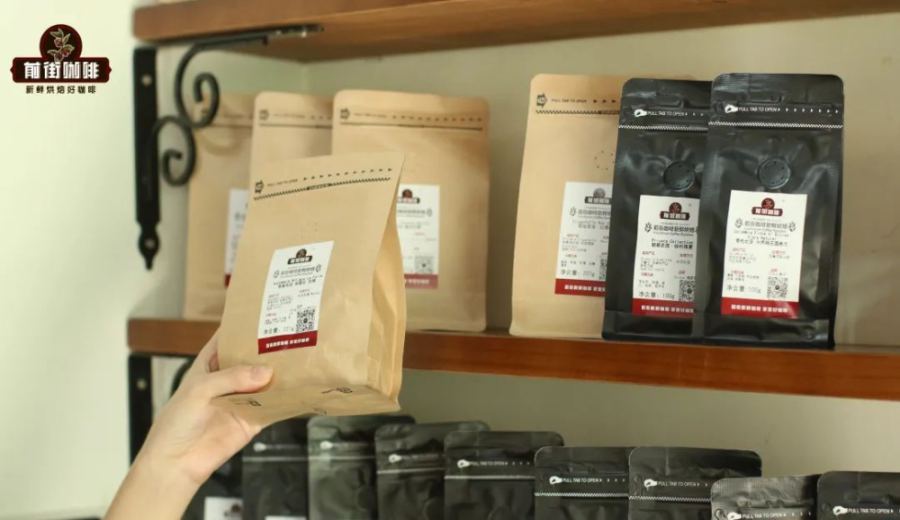
When browsing coffee beans on e-commerce platforms, you’ll commonly find two main types: one is single-origin beans that specify their origin, suitable for pour over, French press, or cold brew, usually in portions of less than half a pound, ideal for beginners exploring flavors; the other type consists of blends specifically made for espresso machines, mostly medium to dark roasted, commonly available in 500g or 1lb packages, known for their rich, roasted aroma and high cost-performance ratio. When you see these large bags of espresso beans, have you ever wondered: can they be used for pour over? How would their flavors transform?

What makes espresso blends unique is that they are originally designed to consistently extract the intense taste and rich crema required for espresso under high temperature and pressure. These beans are usually a mix of two or more coffee beans from different regions, predominantly medium to dark roasted, ensuring a consistent and bold flavor in every shot of espresso. The blending strategy generally revolves around three core aspects: cost-performance, stability, and flavor balance.
For example, some espresso blends combine washed Colombian beans with semi-washed Brazilian beans, along with a small amount of Robusta, to enhance the crema sensation and nutty aroma while keeping costs in check; others focus on flavor complexity, such as blending Ethiopian Yirgacheffe, Colombian, and Costa Rican beans to create a combined experience of floral-fruity and milky notes. These variations in formulations give each espresso blend its own unique expression.

You might have heard that “not all beans are suitable for pour over,” but in fact, any roasted coffee beans, including espresso blends, can be used for pour over. The key lies in matching the bean’s roast level with the brewing parameters. Espresso beans, often medium to dark roasted, tend to emphasize roasted aromas—such as dark chocolate, caramel, nuts, and cream—and when brewed using pour over, they may reveal a richer, more balanced bitterness and sweetness.
If you prefer coffee with bright fruity acidity, light-roasted single-origin beans are usually the first choice, and their pour over parameters also differ significantly from those of dark-roasted beans. But if you want to explore different flavors from espresso beans, simply by adjusting water temperature, grind size, and brewing technique, you can also achieve surprisingly satisfying results.
Out of curiosity, we conducted a hands-on pour over test using a medium to dark roasted espresso blend, adjusting related parameters to reduce the risk of over-extraction. The beans selected for this test were medium to dark roasted espresso blends. To avoid excessive bitterness, we used a lower brewing water temperature and a moderate grind size, and chose a filter cone and coffee-to-water ratio that could highlight the layers, aiming to bring out the unique flavors of the pour over version.
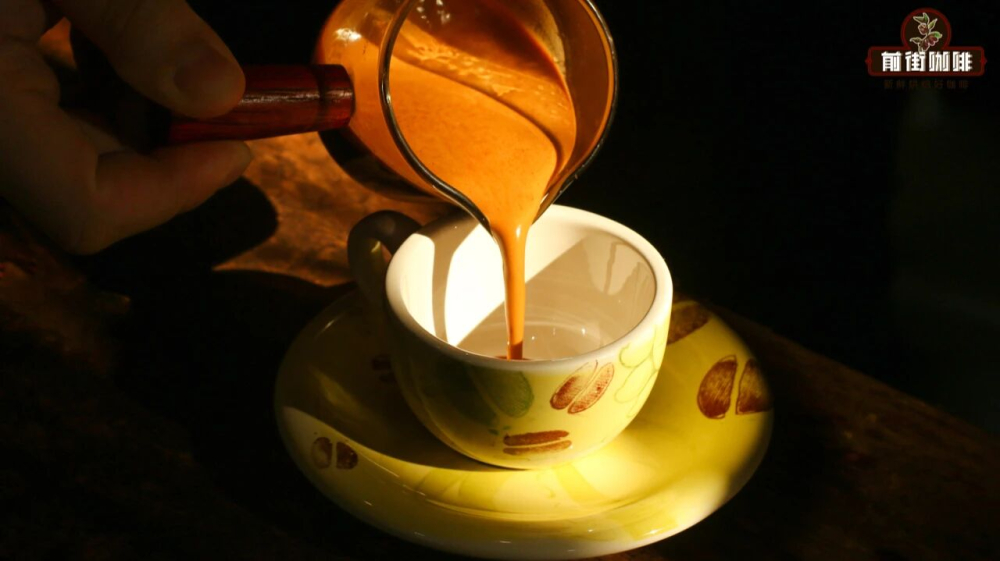
The test parameters were as follows: 15 grams of the espresso blend, a coffee-to-water ratio set at 1:16, water temperature controlled at 88°C, and a grind size of 75% passing through a 20-mesh sieve (approximately equivalent to EK43s setting 10.5). A three-stage pouring method was used with a KONO filter cone, and the total extraction time was about 2 minutes and 4 seconds. This combination helps reduce the bitterness from over-extraction and highlights the delicate aromas in the beans.
The final brew presented flavors of rose, creamy chocolate, and raisins, accompanied by subtle fermented aromas and citrus acidity. The mouthfeel was smooth like cream, with a relatively high body, and the aftertaste carried a mellow caramel aroma, demonstrating a layered profile distinctly different from espresso. This experiment proves that even blends originally crafted for espresso machines, when brewed with the right parameters, can unlock different flavor potentials in pour over.
The above content is compiled by CoffeeHunters, a coffee news website.


