







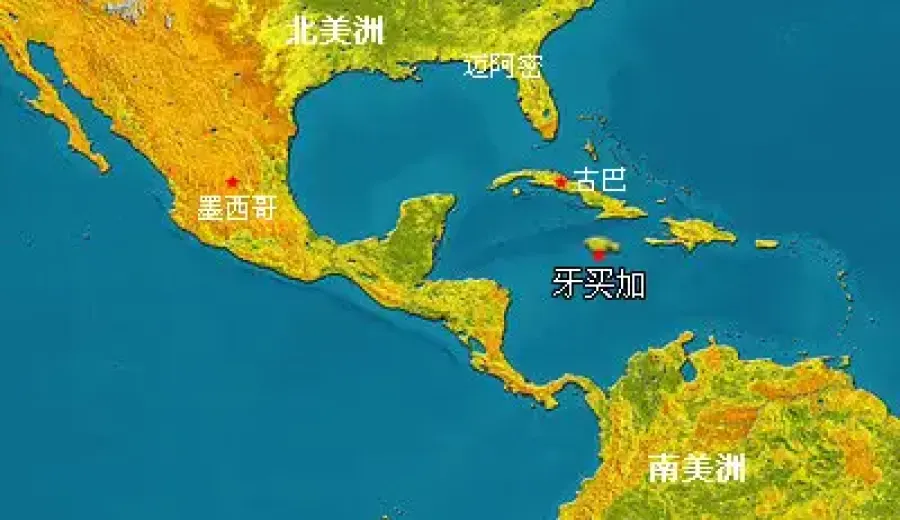
Introduction:Jamaica Blue Mountain coffee is renowned as one of the world’s top-tier coffees, grown in the high-altitude regions of the Blue Mountains and celebrated for its unique flavor profile and strict grading system. This article delves into the history of Blue Mountain coffee, its growing environment, the differences between grades NO.1 to PB, as well as how to source authentic Blue Mountain No.1 and recommended pour over brewing tips, helping you understand how to brew a balanced and rich Blue Mountain cup.
Jamaica Blue Mountain coffee is globally recognized as one of the finest coffees, grown in the Blue Mountain range in the eastern part of Jamaica in the Caribbean. It benefits from exceptional natural conditions and rigorous quality control. This article will guide you through the origins of Blue Mountain coffee, its terroir, grading system, and the most sought-after Blue Mountain No.1 grade — including where to buy it and how to brew it — offering an in-depth look at the allure of this legendary coffee.
The history of coffee cultivation in Jamaica dates back to the early 18th century. In 1728, then-Governor Sir Nicholas Lawes introduced coffee seeds from Martinique, successfully planting them in the St. Andrew area. With the expansion of slavery in the late 18th century, coffee production grew rapidly, particularly in the ideal climate and terrain of the Blue Mountain region, reaching an annual output as high as 15,000 tons by 1814. However, after the abolition of slavery in the early 19th century, many farmers shifted to other cash crops, leading to a long-term decline in the coffee industry.
To revive the coffee sector, the Jamaican government launched a series of revitalization policies in 1891 and established the Central Coffee Clearing House in 1944 to strengthen export quality control. In 1950, the official body "Jamaica Coffee Industry Board (CIB)" was formally created, dedicated to maintaining the reputation and quality standards of Jamaican coffee. According to Jamaica’s Coffee Industry Regulation Act, only Arabica Typica variety coffee grown in the four parishes of St. Andrew, St. Thomas, Portland, and St. Mary, and at altitudes between910 and 1700 meters, qualifies as "Jamaica Blue Mountain coffee."

Blue Mountain coffee is strictly classified intoNO.1, NO.2, NO.3, and PB (Peaberry)based on bean size, visual defects, and cup quality, with NO.1 being the highest grade. It requires less than 3% defective beans, bean size of 17 mesh or above, and professional cupping certification. Such stringent controls have earned Blue Mountain coffee a prestigious status in the global specialty coffee market, especially during the mid-20th century when it was regarded as synonymous with coffee excellence.
Interestingly, during the 1960s, Jamaica suffered severe hurricanes that damaged its coffee industry. At that time, Japan’s UCC company stepped in, introducing eco-friendly farming techniques to aid recovery, and in 1972 signed a 30-year exclusive agreement to purchase Blue Mountain coffee, resulting in 90% of Blue Mountain beans being exported to Japan, with only small amounts allocated to Europe and the Americas. This history also explains why Blue Mountain coffee was once expensive and scarce.
With the expiration of that agreement, Blue Mountain quotas have gradually been distributed to global markets, including China, where demand has been rising in recent years. Currently, consumers can obtain authentic Blue Mountain No.1 through certain channels. For example, a certain micro-roaster’s Blue Mountain No.1 uses beans sourced from the largest estate in the Blue Mountains — the Clifton Estate, which has been producing coffee since the mid-18th century and is the only coffee farm in the Blue Mountain region to holdRainforest Alliance (RFA) certification. Its beans are all processed using traditional washed methods, effectively removing defects and highlighting a cleaner, brighter flavor profile.
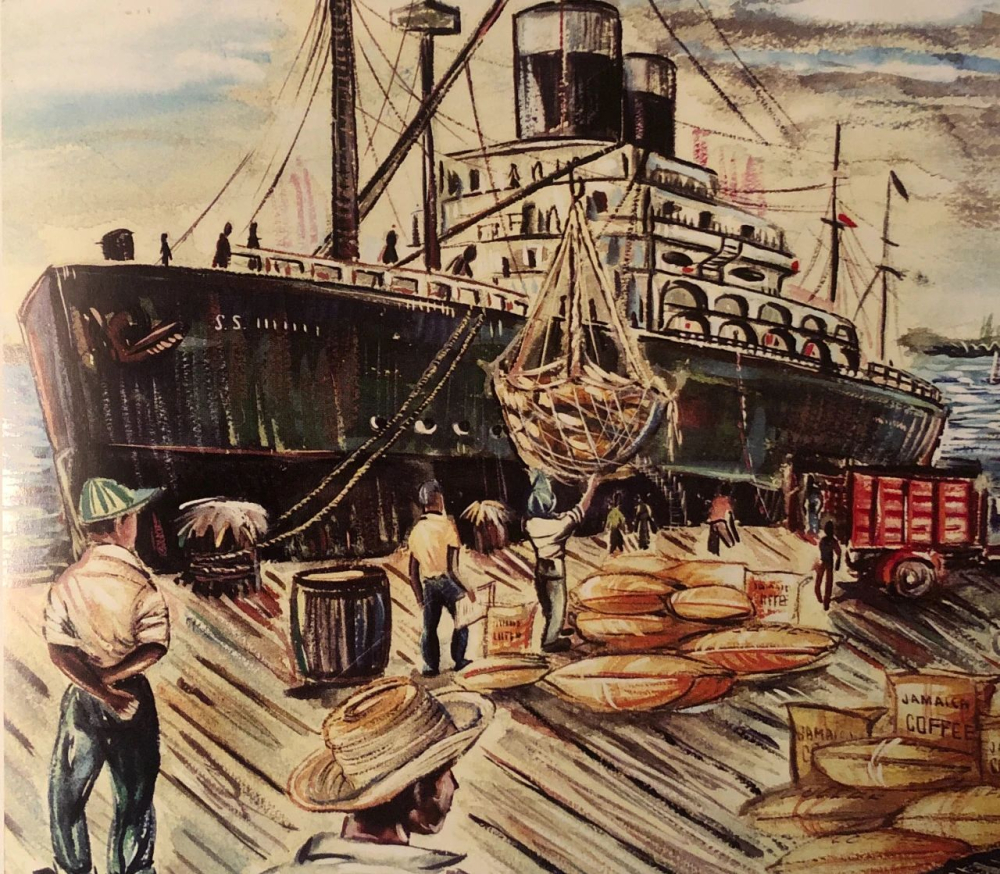
Before export, Blue Mountain green beans must be evaluated by CIB-approved professional cuppers to ensure their balance of acidity, sweetness, bitterness, richness, and aroma. Approved beans are packed in handcrafted wooden barrels for shipment. Compared to conventional burlap sacks, wooden barrels better regulate humidity and block odors, helping maintain moisture content and aroma stability, thereby providing a solid foundation for subsequent roasting.
The flavor profile of Jamaica Blue Mountain No.1 coffee is characterized bydark chocolate, cocoa, nuts, and caramelas its core notes, with gentle and layered acidity. A certain roaster chose a medium-to-dark roast to authentically highlight these traits, enhancing aroma intensity while preserving moderate brightness. In cupping, its dry fragrance reveals notes of nuts, melon, and chocolate; upon hot water infusion, aromas of oolong tea, caramel, and honey emerge. The cup delivers rich dark chocolate, roasted hazelnuts, butter, and brown sugar tones, with a full-bodied yet clean mouthfeel and a sweet, pleasant aftertaste.
For brewing recommendations, a barista suggests using the pour over method to fully showcase the delicate layers and full body of Blue Mountain No.1. The choice of a Kono filter is due to its design, where the ribs do not extend halfway up the cup, allowing the filter paper to adhere more tightly to the walls during blooming. This reduces airflow, extends coffee grounds’ water absorption time, and enhances extraction evenness and body.
As Blue Mountain No.1 is a medium-to-dark roast with relatively fluffy beans, it is recommended to usea 20-mesh standard sieve with about 75% extraction rate, paired witha water temperature of 88°C, and a three-stage pouring technique to control extraction pace. Specific parameters are: 15 grams of coffee, a 1:15 coffee-to-water ratio, with total extraction time around 2 minutes (including bloom).
Recommended brewing steps are as follows:
- Bloom:Pour 30 grams of water, bloom for 30 seconds;
- First pour:Using a slow, circular pour, add water up to 125 grams, then stop to let the coffee drip;
- Second pour:When the liquid level is about to expose the coffee bed, continue pouring to 225 grams to complete the extraction.
This pour over method can fully highlight thedark chocolate, nut, and caramel flavorsof Blue Mountain No.1, delivering a creamy-smooth mouthfeel that is full-bodied, balanced, and finishes with a refreshing sweetness — making it an excellent choice for coffee lovers who enjoy medium-to-dark roasts.
If you’d like to brew quality Blue Mountain coffee at home, it’s recommended to use freshly roasted beans and start enjoying them within 5 days post-roast for optimal flavor. Remember, stable-quality green beans and precise brewing parameters are the two keys to reproducing the true Blue Mountain taste.
The above content is compiled by CoffeeHunters, a coffee news website.


