







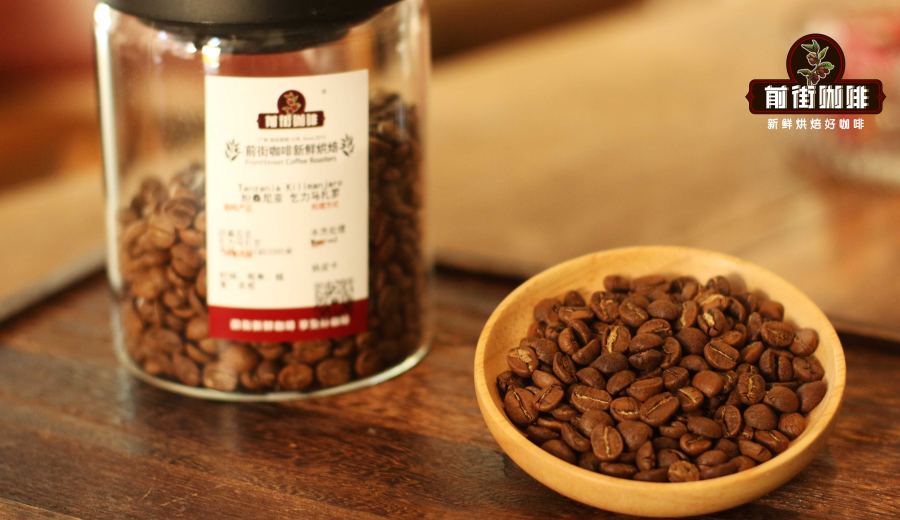
Introduction:Tanzanian Kilimanjaro coffee is renowned for its gentle acidity and rich wine-like aroma, often hailed as the "coffee gentleman" by many enthusiasts. This article delves into its regional background, varietal characteristics, roast profile, and V60 pour-over three-stage pouring technique — from the selection logic of AA-grade Bourbon washed beans to practical extraction parameters — helping you master the unique flavor profile and brewing tips of this premium African single origin.
Tanzanian Kilimanjaro coffee is famous for its soft fruity acidity and full-bodied wine aroma, earning it the esteemed title of “coffee gentleman.” These Bourbon washed beans from the volcanic slopes of Mount Kilimanjaro, after expert roasting and cupping adjustments, exhibit a balanced acidity and sweetness of citrus and berries, making them an excellent choice for pour-over lovers exploring African coffee flavors. This article will detail the complete process — from regional environment, varietal features, roast settings, to V60 three-stage pouring — to help you deeply understand this coffee’s potential and brewing nuances.
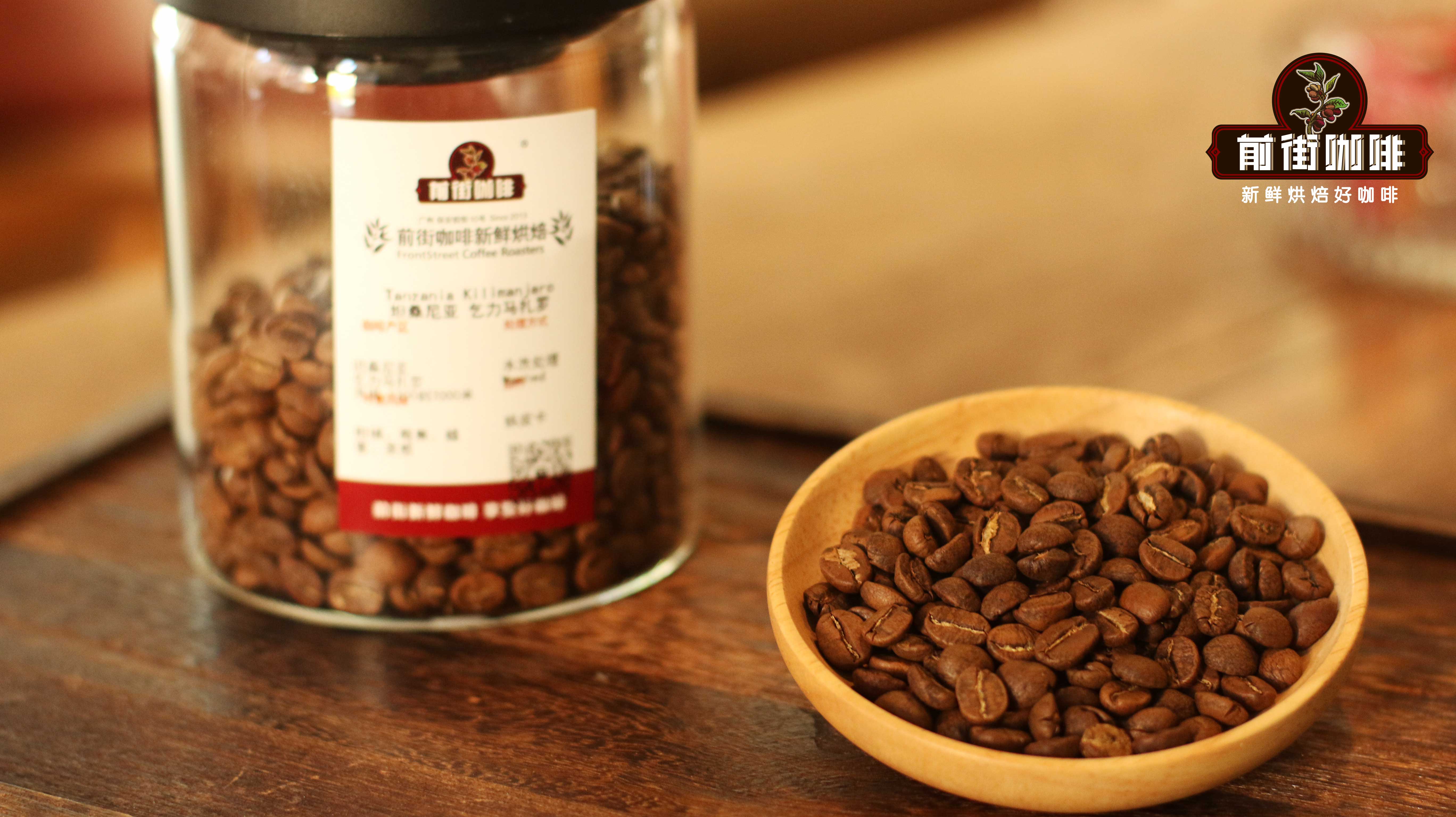
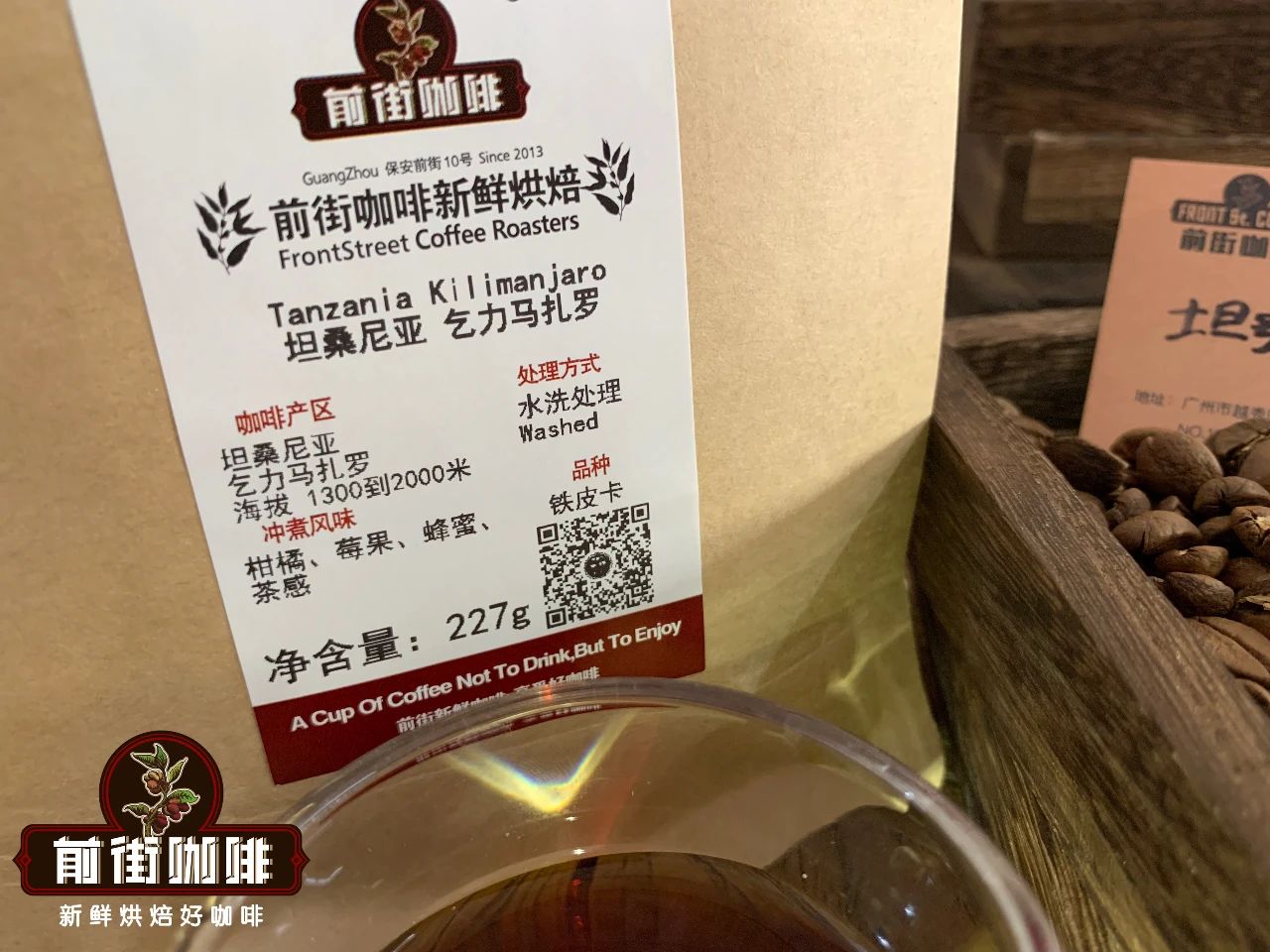
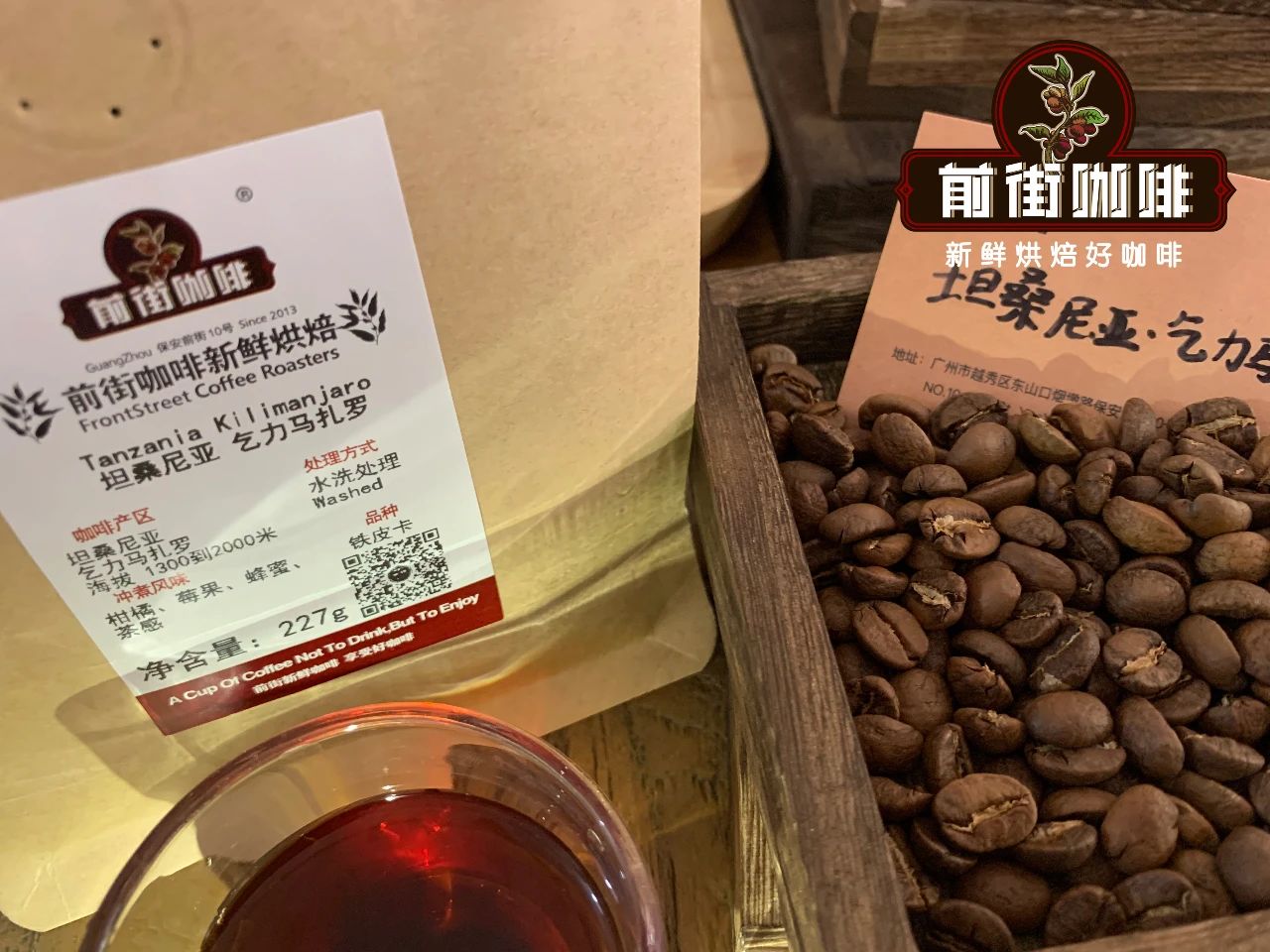
These coffee beans come from the Kilimanjaro region in northern Tanzania, growing at altitudes between 1,300 and 2,000 meters above sea level, and belong to the AA-grade Bourbon variety, processed via the washed method. As Africa’s highest peak, Mount Kilimanjaro’s volcanic soil is rich in minerals, bestowing the coffee with a complex mouthfeel and distinctive terroir character.
Tanzania has a long-standing coffee culture, with approximately 250,000 hectares under cultivation. Though not as internationally renowned as neighboring Kenya, its annual production is similar, reaching around 50,000 metric tons. Kilimanjaro coffee is known for its full body, moderate acidity, and intense aroma, especially praised under the moniker “coffee gentleman.” Compared to the bright acidity of Kenyan beans, Tanzanian acidity is gentler while still featuring distinct wine notes, with excellent sweetness performance.
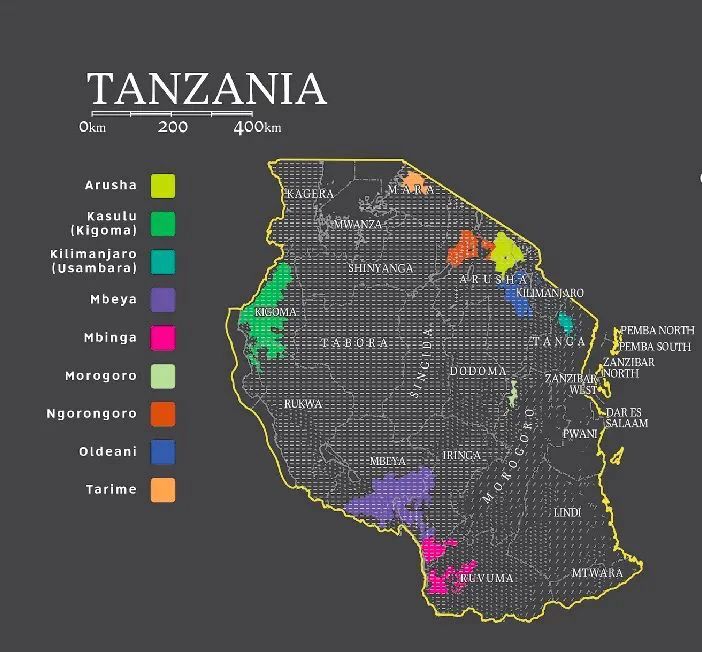
Tanzania’s coffee-growing regions are distributed across the northern highlands and southern river basins, with Moshi and Mbeya near the Kilimanjaro volcano being major production areas. To protect the sisal industry, local regulations stipulate that coffee beans must not be packaged in jute bags but instead use agave fiber — a unique hallmark of their packaging.
The Kilimanjaro region primarily cultivates three varieties: Bourbon, Typica, and Kent. Bourbon coffee is known for its round fruitiness and high-density seeds, offering high sweetness and bright acidity, especially in high-altitude environments where it can express wine-like aromatic traits. Typica is a classic specialty bean with outstanding flavor but lower yield and higher susceptibility to disease. The Kent variety combines high productivity with disease resistance, has a rich aroma, and is widely planted in New World regions.
The fertile soil and suitable altitude of Mount Kilimanjaro provide ideal growing conditions for coffee. The beans from this area not only offer intense flavors but also unique regional characteristics, making Kilimanjaro one of the representative coffee-producing regions in Tanzania. Nearby areas such as Arusha and Ruvuma also have their own distinctive features, with diverse harvest periods and varietal combinations laying the foundation for flavor diversity.
Tanzanian coffee is mostly processed using the washed method. After harvesting, farmers deliver the cherries to processing facilities where steps such as pulping, fermentation, and washing remove the mucilage and impurities, preserving the beans’ pure flavor. The washed method effectively highlights the coffee’s acidity and aroma, and is a preferred processing method for many specialty coffees.
The country’s coffee grading system is similar to Kenya’s, with bean size as the main criterion. AA grade is the highest, with bean diameter around 7.20 mm, representing large, high-quality beans; AB grade is slightly smaller, and PB grade refers to peaberry beans, which make up about 10% of the total. This grading system helps consumers identify the quality and potential of the coffee.
In terms of roasting, this Kilimanjaro Bourbon bean uses a medium-light roast. The charge temperature is set at 170°C, first crack (yellowing point) occurs at around 6 minutes 30 seconds and 150.8°C, first crack begins at 10 minutes 16 seconds and 182.7°C, and after 1 minute 45 seconds of development, the beans are dropped at a drum temperature of 193°C. This roast curve enhances sweetness and bright acidity while preserving wine and berry aroma characteristics.
For pour-over, it is recommended to use a V60 filter cone, with a coffee-to-water ratio of 1:15, water temperature controlled at 91°C, and grind size at BG#5G. A three-stage pouring technique is used: the first stage involves a 30-second bloom to help the coffee grounds degas and improve extraction uniformity. The second stage pours in small circles from the center, keeping the water volume below the height of the coffee bed. The third stage adjusts the circle range and agitation based on water level drop to ensure full release of soluble compounds while avoiding over-extraction and off-flavors in the final drops.
The flavor profile of this Kilimanjaro coffee centers around berry aromas, with a gentle citrus acidity upon entry, a honey-like sweetness in the mid-palate, and a delicate tea-like finish with lasting aftertaste. It suits coffee lovers who enjoy balanced acidity and sweetness along with distinct regional characteristics — a classic choice that showcases the unique charm of African beans.
The above content is compiled by CoffeeHunters, a coffee news website.


