







Introduction:Indonesia’s Sumatra is renowned for its bold and rich-flavored Mandheling coffee, and its unique wet-hulled processing method and Golden Mandheling grade further captivate coffee enthusiasts. This article delves into the geography, coffee varieties, and processing methods of the three major producing regions—Sumatra, Java, and Sulawesi—to help you understand the origins of Mandheling, the key steps of wet hulling, and how to identify high-quality Golden Mandheling. From altitude and variety to processing, get all the practical insights you need to choose premium Indonesian specialty coffee.
As a globally significant coffee-producing country, Indonesia’s Sumatra Island is famous for its Mandheling coffee, known for its bold, bitter-sweet profile with herbal and dark chocolate notes, forming a sharp contrast to the bright acidity of Yirgacheffe or the balanced taste of Costa Rican beans. This article will systematically introduce the terroir conditions and coffee characteristics of Sumatra, Java, and Sulawesi, explain in detail the origin of the name “Mandheling,” the processing principles of wet hulling, as well as the grading standards and identification methods of Golden Mandheling, helping readers deeply appreciate the unique charm of Indonesian coffee.
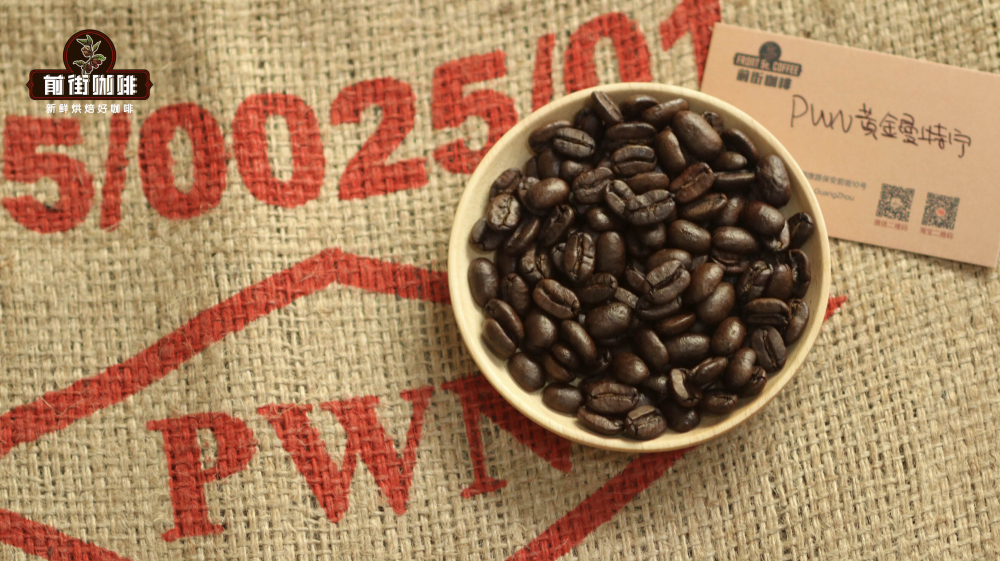
The history of coffee cultivation in Indonesia dates back to the 17th century, when the Dutch introduced coffee trees to Java and gradually expanded to Sumatra and Sulawesi. Today, although Arabica coffee accounts for only 6% to 10% of Indonesia’s total coffee production, Sumatra’s Mandheling, Java’s Arabica, and Sulawesi’s bold bean varieties still hold a distinctive place in the global specialty coffee market due to their unique flavors. Among them, the Lake Toba region in northern Sumatra is the core producing area of Mandheling, with an average altitude of about 900 meters and a cool, rainy climate that is very suitable for coffee cultivation.
Mandheling coffee is mainly grown in the mountainous areas around Lake Toba in northern Sumatra. This lake is a high-altitude freshwater lake on the island, with an average elevation of nearly 900 meters. Traditionally, Mandheling is mostly cultivated using the Ateng variety (the Indonesian term for Catimor), which is a hybrid of Arabica and Robusta, known for its bold and full-bodied flavor. The Lake Toba region includes places like Lintong and Gayo Mountain, where Lintong is considered the orthodox Mandheling producing area, while the coffee from Gayo Mountain, grown at higher altitudes (1100–1600 meters), often exhibits richer aromatic layers.
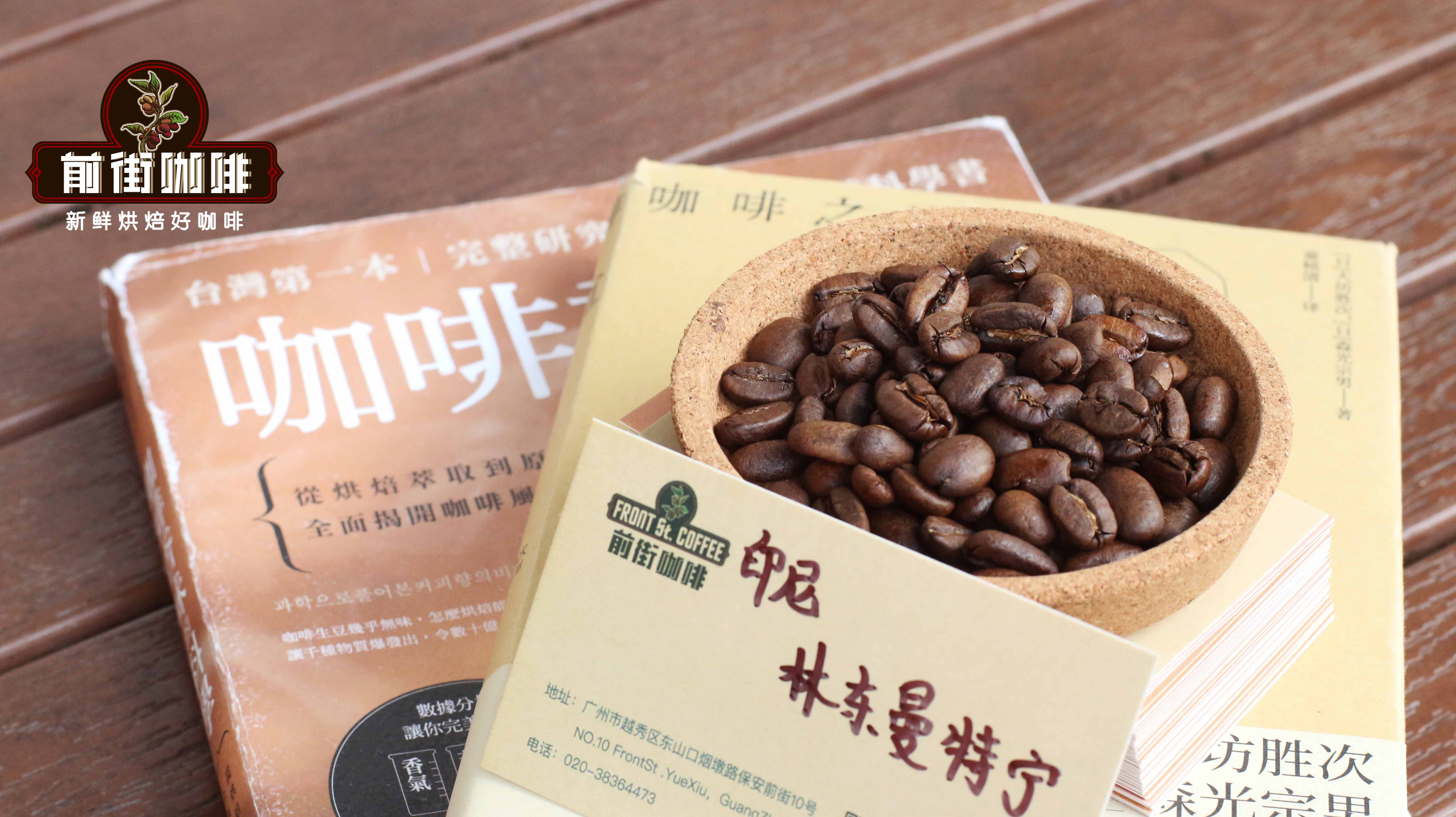
There’s an interesting story about the origin of the name “Mandheling”: the term originally referred to the name of an Indonesian tribe. After World War II, Japanese customers, who were particularly fond of this coffee, asked traders about its origin, and locals casually replied “Mandheling.” The name unexpectedly became synonymous with the coffee variety. Today, PWN Company (Pwani Coffee Company) is regarded as the authentic exporter of Golden Mandheling. Its Mandheling beans, selected rigorously and produced to high-quality standards, are considered the benchmark in the market.
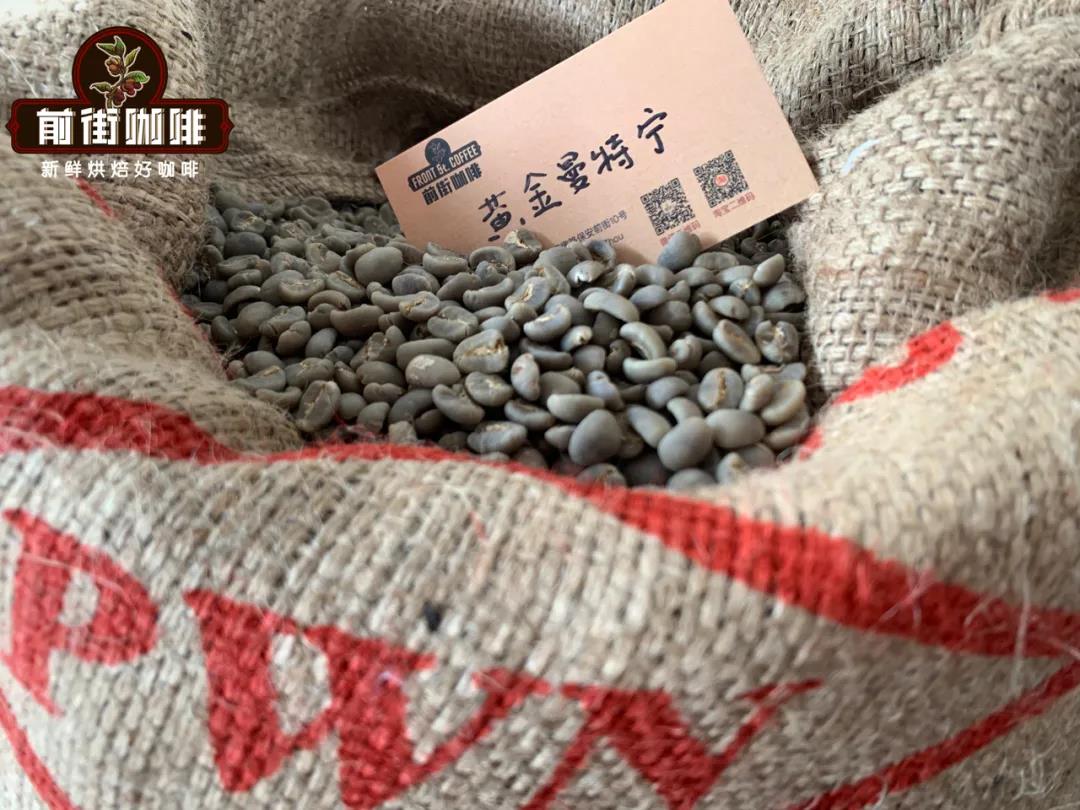
Golden Mandheling refers to Mandheling coffee beans that meet specific grade standards, typically requiring a bean size of 18 or above, with an extremely low defect ratio (fewer than 3 defects in a 300-gram sample), placing them in the highest grade, G1. These beans undergo multiple hand selections and wet-hulling processes, with a darker green appearance and uniform shape, offering a clean taste and pronounced sweetness. It’s worth noting that while many products on the market claim to be “Golden Mandheling,” only those produced by PWN meet the original definition. Consumers are advised to request to see the green bean sacks or certification documents to verify authenticity.
The most common processing method for Mandheling coffee is wet hulling, a technique born out of Sumatra’s rainy climate and economic considerations. Traditional washed processing requires stable sunlight and substantial equipment investment, whereas wet hulling shortens drying time and preserves unique flavors by quickly removing part of the outer layer. The specific process includes: first removing the skin and pulp, fermenting for about 3 hours, then preliminary drying to a moisture content of 30%–50%; next, scraping off the mucilage and part of the parchment layer, and continuing to dry until the final moisture content reaches 12%–13%. The entire process takes 2 to 4 days. This method gives Mandheling its distinctive deep, bold flavor with herbal and earthy aromas.
Beyond Sumatra, Indonesia’s West Java region is also worth exploring. This area features a tropical rainforest climate, hot and humid year-round, with high temperatures in the northern plains and cool, pleasant weather in the mountainous regions. The Tigulara Mountain producing area in West Java sits at an altitude of about 1400–1600 meters. The S795 variety (also called Jember), grown locally, is an excellent hybrid cultivated in India, often showcasing a rich flavor profile with notes of tropical fruits such as mango and jackfruit. Although honey processing is relatively rare in West Java, by retaining some mucilage and controlling the degree of fermentation, it can impart more complex sweetness and a wine-like aftertaste to the coffee.
Finally, Sulawesi Island (formerly known as Celebes) is another important coffee-producing region in Indonesia, renowned for its high-altitude Toraja producing area. The region’s soil is rich in iron, the terrain is rugged, and coffee planting and harvesting are challenging, resulting in relatively low yields on average. Sulawesi commonly employs semi-washed processing, partially fermenting the coffee cherries before drying them with the skins on. The resulting coffee beans feature mild acidity, floral notes, and caramel sweetness, with a clean and layered taste. Toraja coffee, due to its scarce production and meticulous processing, is often regarded as one of the representatives of Indonesian specialty coffee.
The above content is compiled by CoffeeHunters, a coffee news website.


