







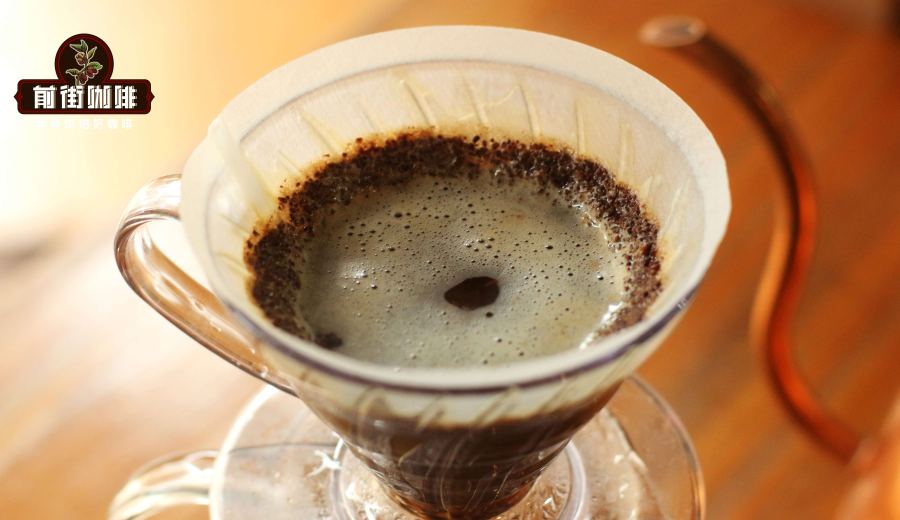
Introduction:Among the many pour over coffee filters, the Hario V60 has long topped the popularity charts, especially favored by beginners and professional baristas alike. This article delves into the design origins of the V60, how its 60° cone angle and spiral ribs influence water flow and extraction, and explores the fast extraction characteristics brought by its large-bore design. It also helps you understand why it has become the go-to tool for light roast beans, while offering practical advice on selection and usage.
In the world of pour over coffee, the variety of filter options is as vast as the stars—each year brings novel designs, whether it’s patented structures that regulate flow rate, precision designs that minimize bypass water, or even versatile, shape-shifting filters that are dazzlingly diverse. Yet, when seasoned enthusiasts recommend an entry-level filter to newcomers, the Hario V60 is almost always the top answer. In real-world café applications, the V60 is the most frequently used tool, with annual extraction counts exceeding a thousand, and its stable performance is widely acknowledged.
This cone-shaped filter, born in 2004, owes its success to its 60° conical angle, unique spiral rib design, and large drainage hole—successfully extracting layered and expressive coffee flavors under the premise of fast brewing, perfectly aligning with the growing trend of light roasted beans. This article will break down the reasons behind its enduring popularity, from its historical background and design features to the actual extraction principles, and provide specific purchasing references for those just stepping into the world of pour over.
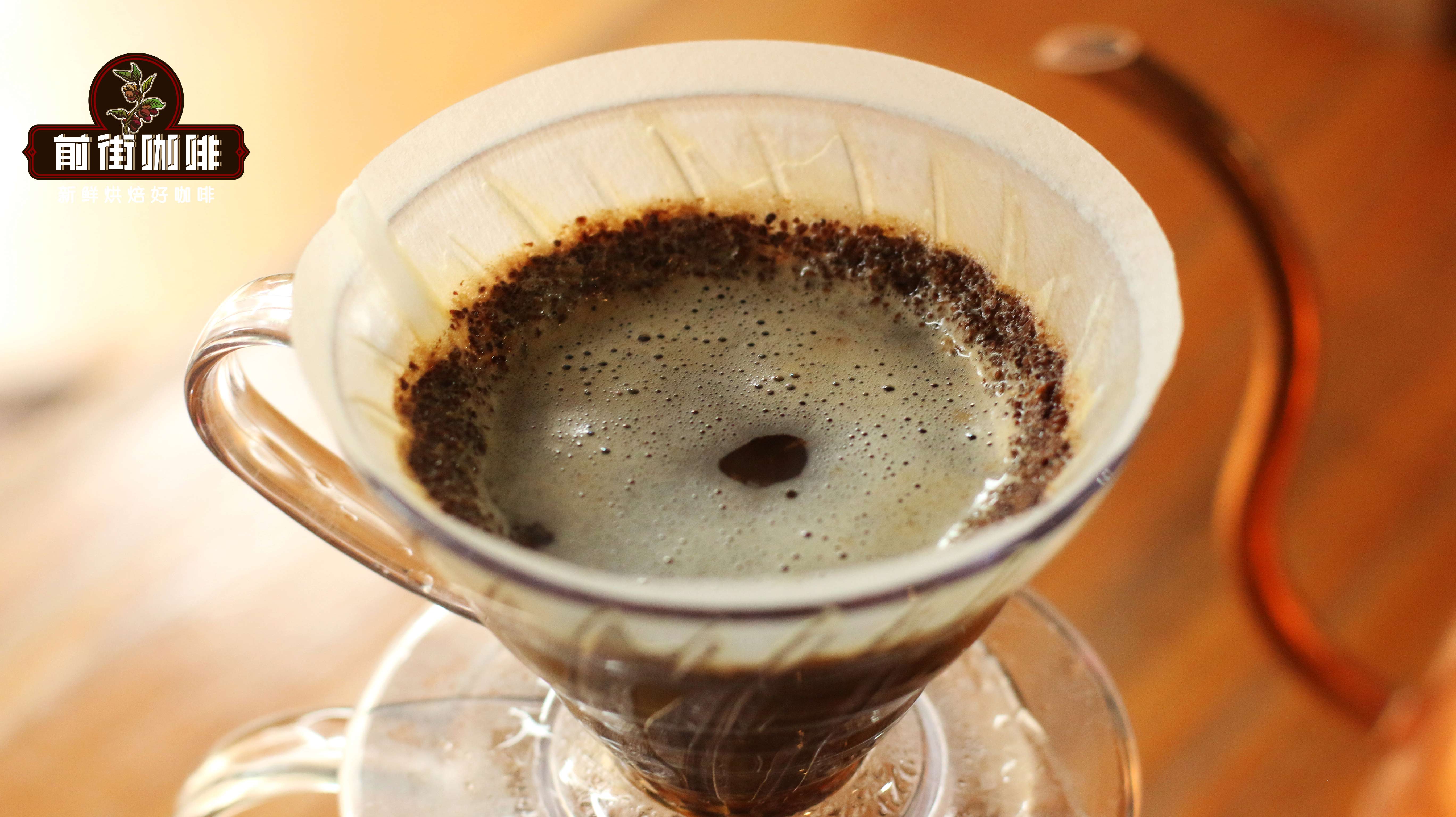
The market is flooded with a myriad of filters—from designs that adjust flow rate, to those with no-bypass structures, and even innovative products with shape-shifting capabilities. The creativity is endless. However, when you ask an experienced enthusiast which filter is best for beginners, the answer often still comes back to the Hario V60.
The V60 has become a classic not just because of brand recognition, but because it demonstrates high stability and adaptability in real-world use. In daily operations, the brewing of most coffee beans relies on this filter, with extremely high annual usage frequency. Many customers wonder, with so many types of filters available, why they are particularly fond of the V60? Next, we’ll take an in-depth look at the core advantages of the V60.
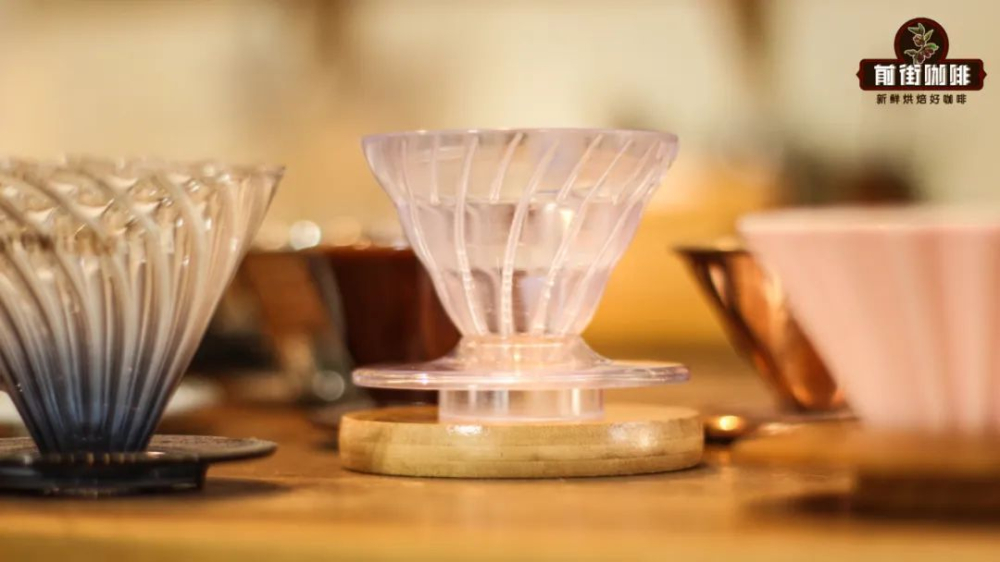
The V60 was developed by Hario, a well-known Japanese glassware manufacturer founded in 1921, which initially focused on heat-resistant glassware for scientific purposes. As technology accumulated, Hario leveraged its glass craftsmanship advantage in the post-war period to venture into the production of household coffee equipment, including the famous classic server, a commonly used tool among many coffee lovers.
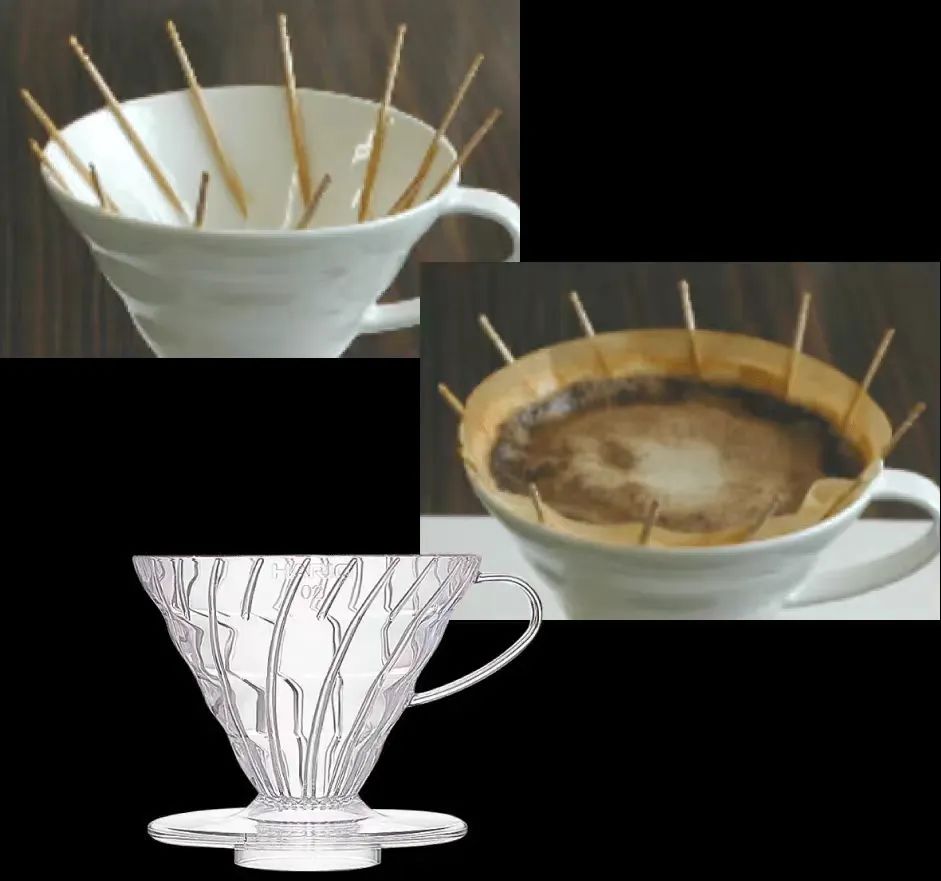
However, before the birth of the V60, the mainstream coffee brewing method in the Japanese market was still slow immersion, aiming for a rich and full-bodied taste. Therefore, the equipment at the time was mostly designed for long extraction times, with complicated steps or slow flow rates. Hario wanted to create a tool that was easy to operate and could shorten the brewing time, thus embarking on the R&D journey of the V60. As early as 1964, designers had tried using a laboratory funnel as the basis for coffee extraction, but it was limited to the experimental stage at the time. It wasn’t until 2004 that inspiration struck—they added lab rod-like spiral ribs to the funnel structure, unexpectedly achieving excellent extraction results, leading to the official launch of the familiar V60 filter the following year.
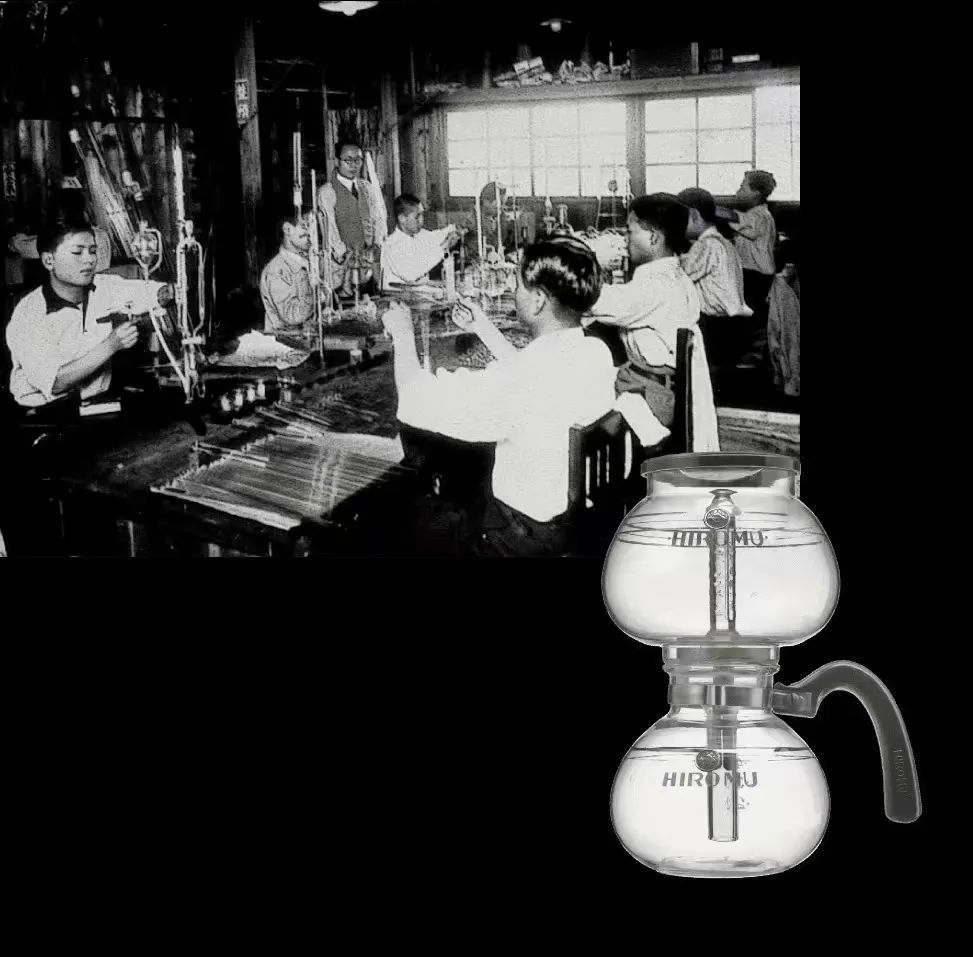
The name “V60” comes from its distinctive 60° cone angle, forming a clear and memorable “V” shape. Compared to common fan-shaped or flat-bottomed filters, the V60’s conical design can more effectively concentrate coffee grounds and guide the water flow from the outside inward, then downward to the base, allowing for more thorough contact between hot water and coffee grounds, which aids in the release of flavor compounds.
However, Hario was not the first brand to introduce a conical filter, so the success of the V60 is not solely due to its shape. The key lies in its two signature designs—the spiral ribs and the large drainage hole—both of which work closely with the conical structure to create its unique extraction style.
First, the most prominent feature of the V60 is the spiral ribs that encircle the upper part of the filter. Many people mistakenly think these ribs are only for helping with air release or better filter paper adhesion, but they actually play a more critical role. These ribs are not designed in a straight line, but in a spiral pattern, which effectively extends the water flow path, forcing the hot water to take more turns and contact more coffee grounds, thereby improving overall extraction efficiency. When the large drainage hole cannot effectively control the flow rate, this design helps regulate the uniformity and depth of extraction.
The drainage hole of the V60 is relatively larger compared to standard filters, which significantly increases the speed of filtrate outflow. This also means that flow rate control during extraction relies on multiple variables such as grind size, water temperature, and pouring technique. Precisely because of its fast extraction characteristic, compared to traditional immersion methods, the V60 does not allow all coffee grounds to release substances in the same proportion, resulting in a flavor profile where some notes are particularly prominent while others are more subdued. This characteristic complements today’s popular light roast beans perfectly, fully showcasing fruity acidity, floral notes, and delicate aromatic layers.
Looking at the market as a whole, the V60’s long-standing dominance in the filter rankings is not only due to its alignment with the light roast trend, but also because of its simple operation paired with the ability to deliver rich flavors, making it the top choice for beginners entering the world of pour over. If you’re just starting to explore the world of pour over coffee, the V60 is definitely worth a try—it not only helps you understand the basic interaction between water flow and extraction, but also accompanies you as you gradually refine your brewing skills.
The above content is compiled by CoffeeHunters, a coffee news website.


