








Introduction:Kenyan coffee is renowned for its bright acidity and complex fruit flavors, but many first-time tasters are often put off by its pronounced acidity. This article delves into the core characteristics of Kenyan coffee—from the classic K72 double fermentation washed process and flagship varieties SL28 and SL34, to the AB grade classification system—and provides practical V60 pour over brewing parameters. Through a comprehensive explanation covering origin environment, processing methods, and roast profiles, it guides you in mastering the brewing techniques and flavor origins of this “cranberry”-profiled coffee.
Kenyan coffee is known for its vibrant acidity and rich layers, but many coffee enthusiasts report that the acidity can often come across as overly sharp after brewing. Addressing this common issue, this article combines hands-on brewing experience to share a set of V60 pour over parameters tailored for Kenyan beans. It also provides a holistic analysis of Kenyan coffee’s flavor traits and extraction essentials, covering everything from regional background, classic varieties SL28 and SL34, the unique K72 double fermentation washed method, to the AB grade classification logic.

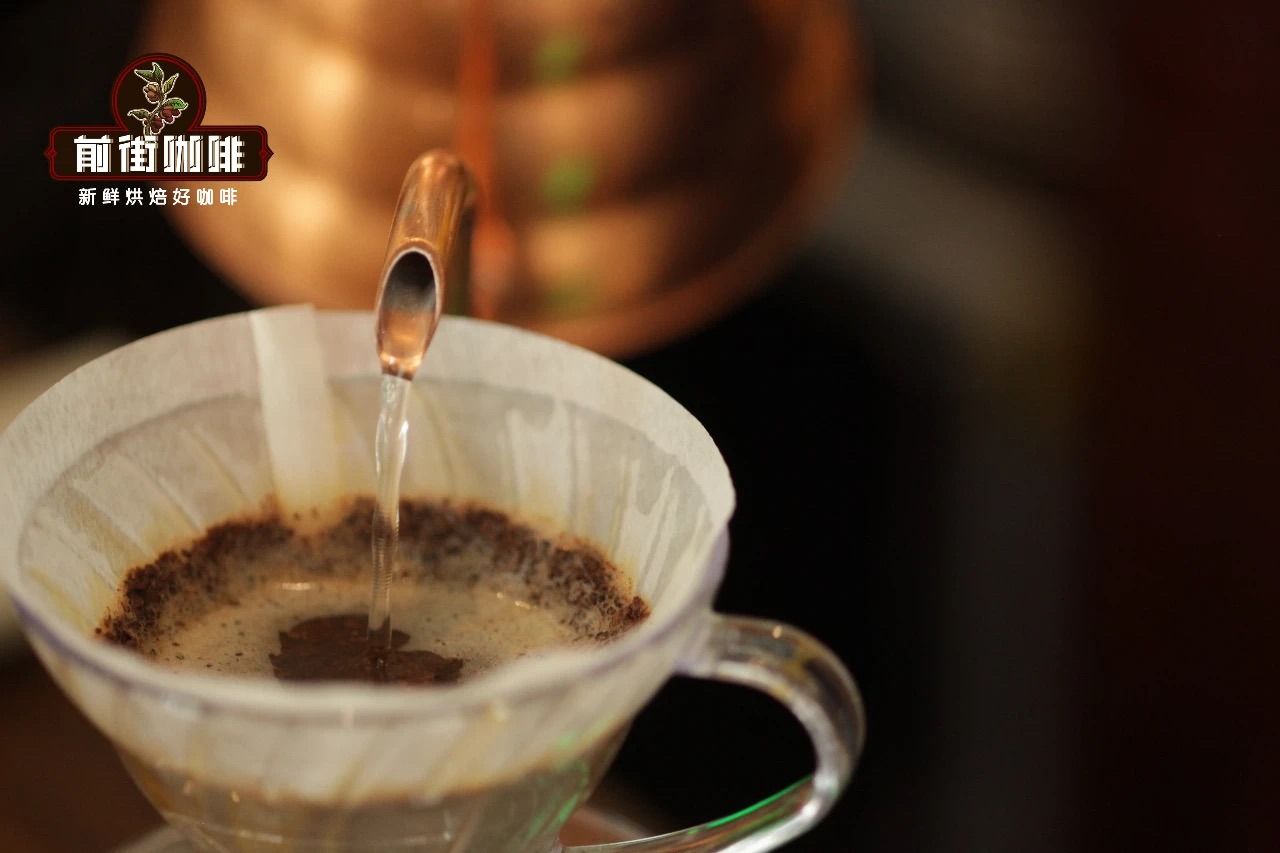
For Kenyan beans with relatively high acidity, the following V60 brewing parameters are recommended: use a grind size of 80% passing through a 20-mesh standard sieve in China, a coffee dosage of 15 grams, a water-to-coffee ratio of 1:15, and a water temperature controlled at 91°C. The specific brewing steps are as follows: start with a 30-second bloom using 30 grams of water, then pour in a slow, circular motion until reaching 125 grams for the first pour. Once the water level nears the coffee bed, continue pouring to 225 grams. Wait for the water level to drop again before removing the filter. The total brew time is approximately 2 minutes, yielding a coffee with balanced sweet and sour notes, and distinct layers of citrus, grapefruit, and berry aromas. If you’re familiar with a three-pour technique, feel free to fine-tune the parameters according to your personal taste.
Although Kenyan coffee has become less commonly seen on some café menus in recent years, this particular place was once a “major hub for Kenyan coffee.” Among them, a highly regarded Kenyan AB Komatiña Cranberry stands out. It is graded as AB—the second-highest grade in Kenya, just below AA—and delivers outstanding flavor performance. This bean features a juice-like bright acidity, with prominent berry aromas at high temperatures, and a noticeably sweet taste upon entry; as the temperature drops, the acidity becomes more concentrated while retaining a silky, creamy mouthfeel. Here are the detailed details of this Kenyan AB Cranberry:
Origin: Kiambu; Microroegion: Gitwe; Soil type: volcanic clay; Elevation: 1400 to 1800 meters; Varieties: L-28, SL-34, Ruiru 11; Processing method: Kenyan-style 72-hour washed. The distinctive flavors of Kenyan coffee are closely tied to its high-altitude growing environment and rigorous green bean processing techniques, and this Cranberry bean, thanks to the K72 process, exhibits a bright acidity and rich complexity that sets it apart from typical washed Kenyan coffees.
The K72 process is a signature technique of Kenyan coffee. It adds an extra fermentation step on top of the traditional washed method, resulting in brighter acidity and a cleaner cup profile. The specific procedure consists of two washes and fermentations: during the first wash, water current density sorting is used to select ripe, high-density coffee cherries by leveraging fruit density, after which the skins are removed and the beans undergo a 24-hour mucilage fermentation. This phase enhances the coffee’s sweetness and acidity characteristics; the second wash involves soaking the cleaned beans for another 12 to 24 hours to further develop complex acidity layers. Finally, the beans are sun-dried on raised beds. Though the entire process is time-consuming and meticulous, it is precisely what gives Kenyan coffee its unique flavor.

Kenya is located in East Africa, bordering Ethiopia. Although it shares a high-altitude environment suitable for coffee cultivation with Ethiopia, its coffee planting started relatively late, with the earliest records dating back to 1893 when Bourbon varieties were introduced from Brazil. Currently, Kenyan coffee is predominantly processed via the washed method, with major producing regions including the central highland areas such as Nyeri, Kiambu, and Kirinyaga, as well as regions near Uganda in the west, generally situated between 1400 and 2000 meters above sea level.
Coffee farming in Kenya is mostly carried out on a smallholder scale. Farmers typically sell their ripe fresh cherries to nearby processing factories based on transportation distance and purchase prices. This model allows producers to autonomously choose the optimal harvest timing and deliver the ripest fruits to processing plants equipped with refined washed processing facilities, thereby ensuring that flavor characteristics are accentuated.
The main coffee varieties grown in Kenya are SL28 and SL34, cultivated by the Scott Laboratories in the 1930s. SL28 boasts a complex genetic lineage, including French Mission, Mocha, and Yemeni Typica. Although its yield is not as high as expected, it is renowned for its outstanding sweetness, balance, and flavors of citrus and dark plum. SL34, on the other hand, has a heavier and more intense mouthfeel, equally lovely sweet finish, and strong adaptability, capable of withstanding sudden heavy rain. In addition, Kenya also grows disease-resistant Ruiru 11 and drought-resistant Batian varieties. The Cranberry introduced in this article combines SL-28, SL-34, and Ruiru 11, showcasing the classic Kenyan flavor profile.
The Kenyan-style 72-hour washed method is the key to the flavor of this Cranberry. The process includes two washes and fermentations: the first involves selecting ripe cherries via water current density, removing the skins, and then conducting a 24-hour mucilage fermentation to enhance sweetness and acidity; the second fermentation involves soaking the beans for another 12 to 24 hours to further develop delicate acidity, followed by sun drying. Though this intricate process is both time-consuming and water-intensive, it is a crucial factor behind the pronounced acidity and clean cup profile of Kenyan coffee.
The roast target for this Kenyan AB Komatiña Cranberry is set to a light-to-medium roast. A Yangjia 600g semi-direct-fire roaster was used, with a charge temperature of 200°C and carefully adjusted heat control. Due to the beans’ relatively lower altitude and slightly softer bean texture, a gradual reduction in heat and stable ramp-up approach was adopted to extend the first crack period, thereby increasing caramelization reactions and enhancing flavor texture and balance. The specific roast curve is as follows: charge temperature 200°C, damper 3; after 30 seconds, heat is adjusted to 150°C; turning point at 1 minute 38 seconds; at 5 minutes 16 seconds, the bean surface turns yellow; heat is reduced to 120°C, damper 4; at 7 minutes 05 seconds, dehydration is complete; heat is set to 80°C; at 8 minutes, wrinkles and black speckles appear on the bean surface, signaling the prelude to first crack; first crack begins at 8 minutes 28 seconds; heat is adjusted to 50°C, damper fully open; development after first crack lasts for 2 minutes; beans are dropped at 193°C.
Kenyan coffee grades are primarily determined by bean size and shape, and include grades such as AA, AB, C, E, PB, TT, T, ML, and MH, where AA refers to 17 and 18 mesh sizes, and AB to 15 and 16 mesh sizes. Although AB-grade beans are smaller than AA, their flavor performance remains excellent. The Cranberry introduced in this article falls under the AB grade, demonstrating the bright acidity and rich fruity notes characteristic of Kenyan coffee. Additionally, Kenya also employs a numerical grading system to distinguish quality, but the market still primarily relies on bean size as the main criterion, supplemented by designations such as estate beans and + grades for further grade differentiation.
The above content is compiled by CoffeeHunters, a coffee news website.


