







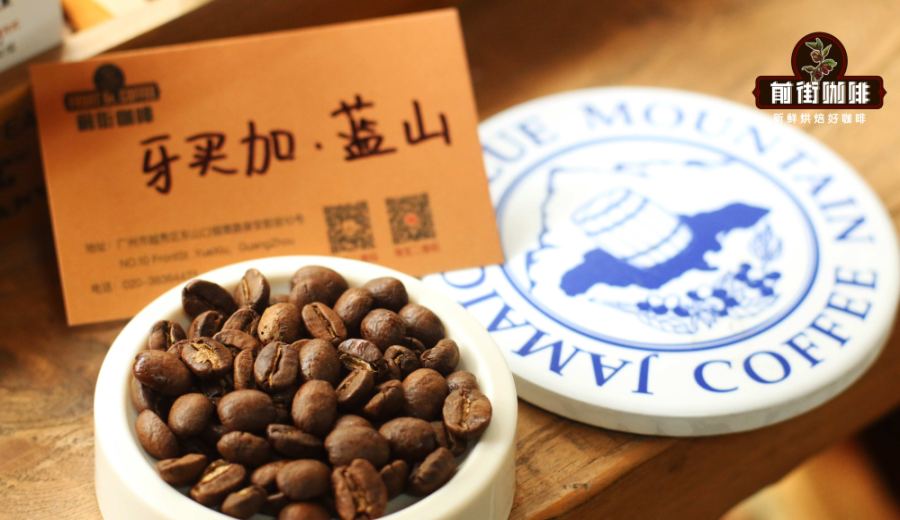
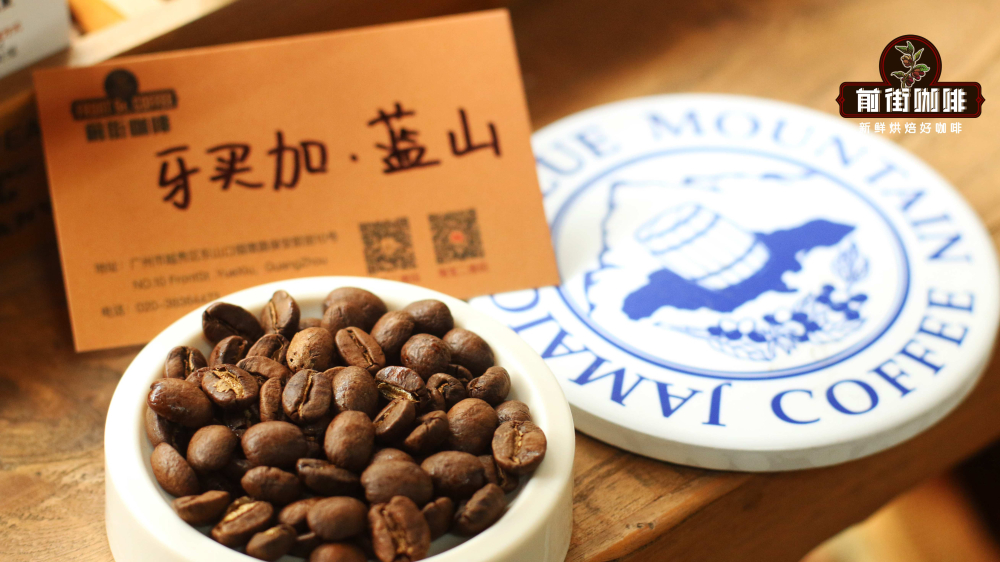
Introduction:Jamaican Blue Mountain coffee is renowned as one of the world’s finest coffees, and its unique flavor profile is inseparable from its rigorous cultivation and processing procedures. This article delves into the origins, geographical environment, variety characteristics, and grade classifications of Blue Mountain coffee, and provides an in-depth look at the actual pour over brewing parameters and tasting experience of a well-known shop’s Blue Mountain No. 1. It aims to help coffee enthusiasts fully appreciate the charm and essence of this legendary coffee bean.
Blue Mountain coffee originates from the Blue Mountains in eastern Jamaica, a region in the Caribbean named for the breathtaking sight of the mountain peaks reflecting the blue hues of the sea under clear skies. Located within the world’s coffee belt, the Blue Mountains boast fertile volcanic soil and a climate that is foggy and rainy year-round, with an average annual rainfall of about 1,980 mm and temperatures that remain stable at around 27°C, providing nearly perfect growing conditions for coffee trees.
Blue Mountain coffee is primarily grown on steep slopes, and both harvesting and subsequent processing require extremely meticulous manual labor. The coffee cherries must be handpicked by skilled female workers at optimal ripeness, depulped on the same day, and then undergo 12 to 18 hours of fermentation, followed by thorough washing with clean water and multiple screenings. The beans are then dried on cement floors or thick mats until their moisture content drops to between 12% and 14%, after which they are stored in dedicated warehouses, awaiting the right time for roasting and grinding. The entire process is closely interconnected, and any negligence at any stage can affect the final flavor.
The history of Blue Mountain coffee dates back to 1717, when King Louis XV of France ordered the promotion of coffee cultivation in Jamaica. By the mid-1720s, Sir Nicholas Lawes, then Governor of Jamaica, introduced Arabica seeds from Martinique and was the first to plant them in the St. Andrew area, which remains one of the three core producing regions of Blue Mountain coffee to this day, along with Portland and St. Thomas. In 1950, the Jamaican government established the Coffee Industry Board, responsible for formulating and enforcing strict quality management standards and issuing official certification stamps for exported beans. This move also made Jamaica one of the few countries in the world with a national-level coffee quality control authority.
Currently, Blue Mountain coffee can be identified by various official certification labels, including MBCE, MHCCT, PXXSH, and a total of six certified sources. These marks are important guarantees of the coffee’s authentic lineage. Due to the generally high altitude of over 2,100 meters, the cool and foggy climate, and the mixed planting of shade trees such as bananas and avocados, Blue Mountain coffee boasts a uniquely balanced acidity and sweetness, along with delicate aromas. Even when using the same variety, it is difficult to replicate the same flavor characteristics in other regions.
However, the production of Blue Mountain coffee is extremely limited. Due to the rugged terrain, most planting areas are located on man-made terraces, making mechanization difficult and still relying on meticulous manual cultivation. In addition, climate change, hurricane impacts, and rising labor costs all pose challenges to the local coffee industry. It is worth mentioning that Japan has long been actively investing in Jamaica’s coffee industry and has secured priority purchasing rights. According to statistics, over 90% of the Blue Mountain coffee currently on the market is purchased by Japanese buyers, with less than 10% allocated to other global markets, which has also led to a long-standing situation of supply not meeting demand.
Blue Mountain coffee is subdivided into three main grades based on quality and origin: Blue Mountain Coffee, Jamaica High Mountain Supreme, and Jamaica Prime Coffee Beans. Among these, Blue Mountain and High Mountain Coffee are each further divided into two sub-grades: Blue Mountain No. 1, Blue Mountain No. 2, and High Mountain No. 1, High Mountain No. 2, with Jamaica Prime Coffee Beans being the lowest. Blue Mountain No. 1 is the top grade, known for its rich and balanced flavor, harmonious acidity and sweetness, distinct fruit notes, and rich layers, making it highly favored by coffee critics and connoisseurs.
Blue Mountain coffee has a relatively low caffeine content, about half that of regular coffee beans, aligning more closely with the trend of modern healthy beverages. Its beans are plump, and medium roasting is recommended to fully bring out its delicate aroma and rich mouthfeel. It is worth noting that even when grown in climates similar to those of Hawaii, Kenya, or Papua New Guinea, the unique flavor of authentic Blue Mountain coffee cannot be replicated, which is precisely what makes it so rare.
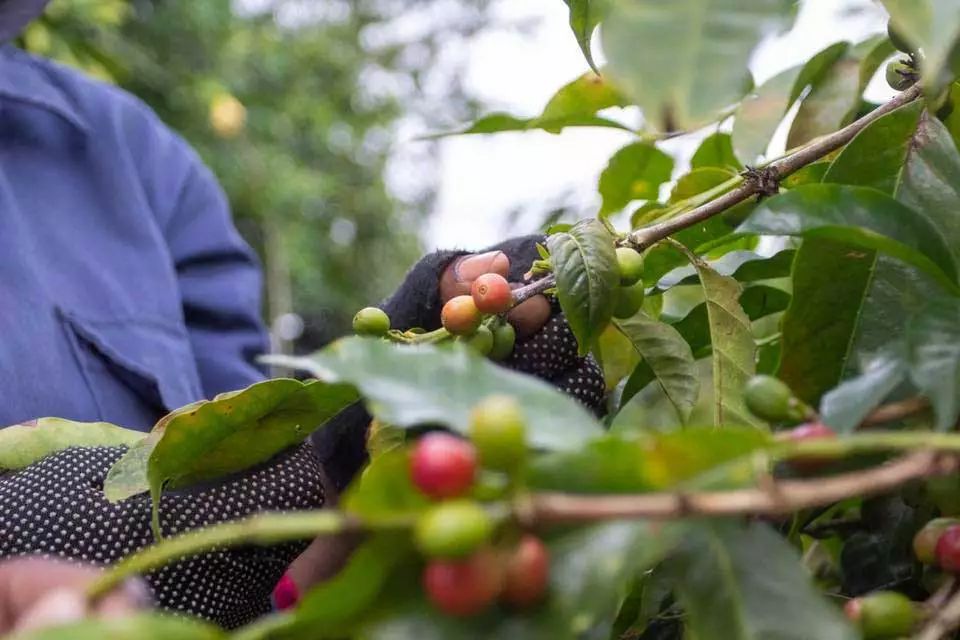
The growing environment of Blue Mountain coffee features abundant rainfall, year-round fog cover, and an average temperature of around 20°C—a cool climate—along with fertile young volcanic soil, all of which together nurture its uniquely soft, mildly acidic yet non-irritating taste. Seedlings are nurtured in nurseries for about two years, and organic fertilizers are applied throughout the growth period. During harvesting, a strict manual selection process is adhered to, picking each bean individually. From processing and roasting to packaging, every step must meet the strict quality control standards of the Jamaica Coffee Industry Board to earn the certification mark of “100% Pure Jamaican Blue Mountain Coffee.”
Among the many varieties, Typica is the main ancient Arabica variety planted in the Blue Mountain region, renowned for its excellent flavor performance, though it has relatively low yields. Jamaica has chosen to prioritize quality over quantity, which is also why Blue Mountain coffee holds an unshakable position in the global coffee market.
A certain well-known brand’s Blue Mountain No. 1 coffee is celebrated for its rich aroma and multi-layered complexity. It is recommended to brew it using the pour over method to best showcase its delicate and balanced flavor characteristics. Below are the actual pour over brewing parameters used by this brand, for coffee enthusiasts’ reference:
Filter:KONO filter
Water temperature:88°C
Coffee-to-water ratio:1:15
Coffee powder amount:15 grams
Grind size:EK43s - grind setting 10.5 (approximately 75% passing through a #20 sieve)
For the brewing steps, it is recommended to first wet the filter and attach it to the filter paper. Place 15 grams of coffee powder into the filter, then pour 30 grams of water for a 30-second bloom. Next, pour water in small streams in a circular motion from the center. When the water level reaches 125 grams, perform the first pour. Once the coffee bed descends to the middle of the filter, continue pouring in the same manner until reaching 225 grams. Once dripping is complete, remove the filter. The brewed Blue Mountain No. 1 offers a rich, velvety mouthfeel reminiscent of dark chocolate and caramel sweetness, with a gentle acidity that does not overpower, resulting in a smooth and layered overall taste. It is a classic choice for experiencing the authentic flavor of Blue Mountain coffee.
The above content is compiled by CoffeeHunters, a coffee news website.


