







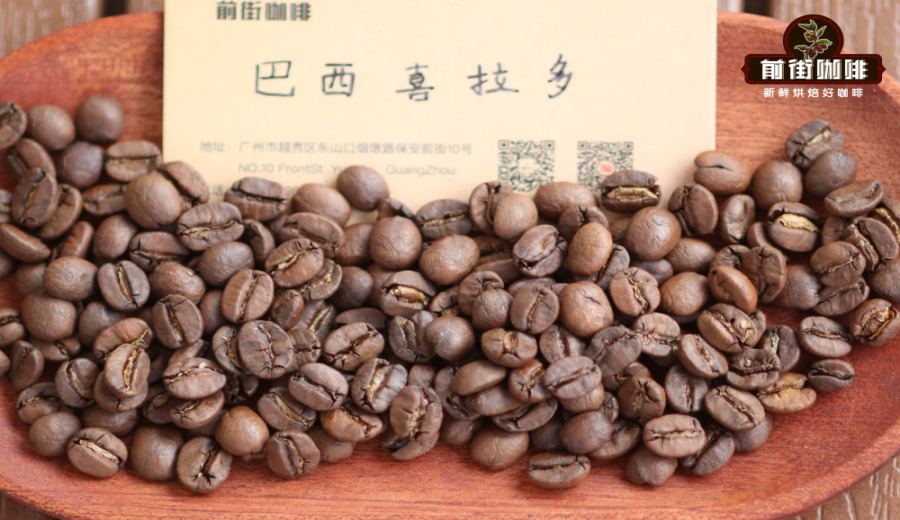
Introduction:Brazil is a powerhouse in global coffee production, renowned for its coffee’s full body, low acidity, and flavors of chocolate and nuts. This article delves into one of Brazil’s major coffee-growing regions—Cerrado—exploring its climate conditions, variety characteristics, and unique semi-washed processing method, as well as analyzing the region’s rigorous green bean grading system. Along with practical pour over parameters and extraction tips, it helps readers gain a comprehensive understanding of Brazilian coffee’s brewing performance. Whether you’re a beginner or an advanced enthusiast, you’ll find valuable insights into this producing region and roasting knowledge.
As the world’s largest coffee producer, Brazil’s beans are widely loved for their full body and low acidity. Common flavor profiles include nuts, caramel, and dark chocolate, making them ideal for those who prefer a rich taste without high acidity. Especially when medium to dark roasted, their stable performance makes them a cornerstone of many espresso blends. This article will fully explore the charm of Brazilian coffee—from regional environments, main varieties, processing techniques, and grade classifications to practical pour over extraction parameters—to help you better understand the mysteries of this major coffee-producing nation.
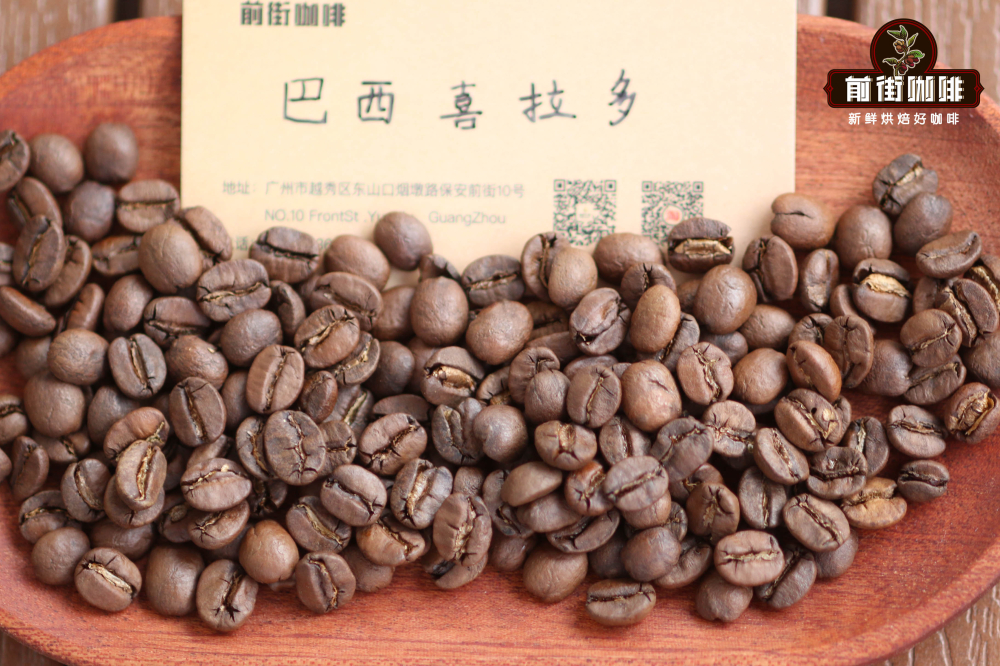
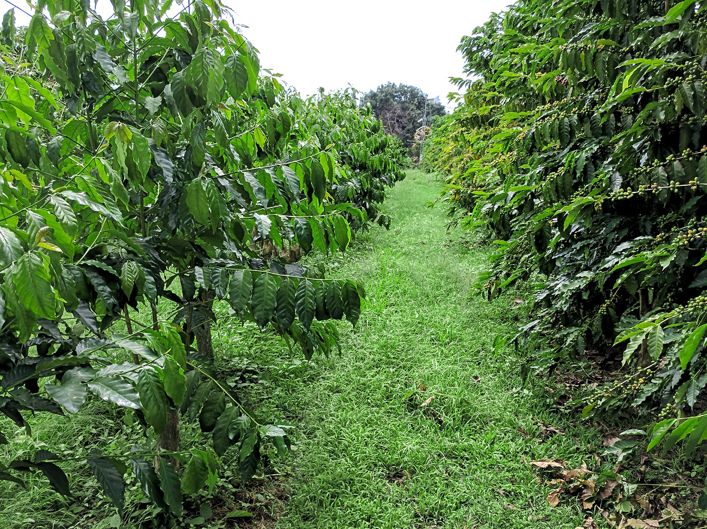
The characteristics of Brazilian coffee are closely tied to its geography and climate. Most coffee is grown at lower altitudes, and the flat terrain makes it difficult to form diverse microclimates, so large-scale open-field cultivation dominates, with little shade. The “soft beans” grown in such conditions, due to shorter maturation periods and lower bean density, typically present a mild, balanced flavor profile, with chocolate and nut aromas as the main notes, and little noticeable fruit acidity. Thanks to these stable and understated qualities, Brazilian coffee is often used as the base for espresso, particularly suitable for commercial roasters seeking consistency and everyday brewing.
To truly understand specialty Brazilian coffee, one cannot miss the Cerrado region in Minas Gerais. Located on the southern plateau of Brazil, it sits at an average altitude of around 1,000 meters. Though not as extreme as high-altitude regions, it still produces layered specialty coffee. The flat terrain of Cerrado facilitates mechanized harvesting, and the area benefits from abundant groundwater and unique soil composition, providing ideal growing conditions. In addition, Cerrado is one of the few Brazilian regions with an official “origin certification” system, ensuring that coffee labeled as “Cerrado” truly comes from the area, adding credibility to its quality.
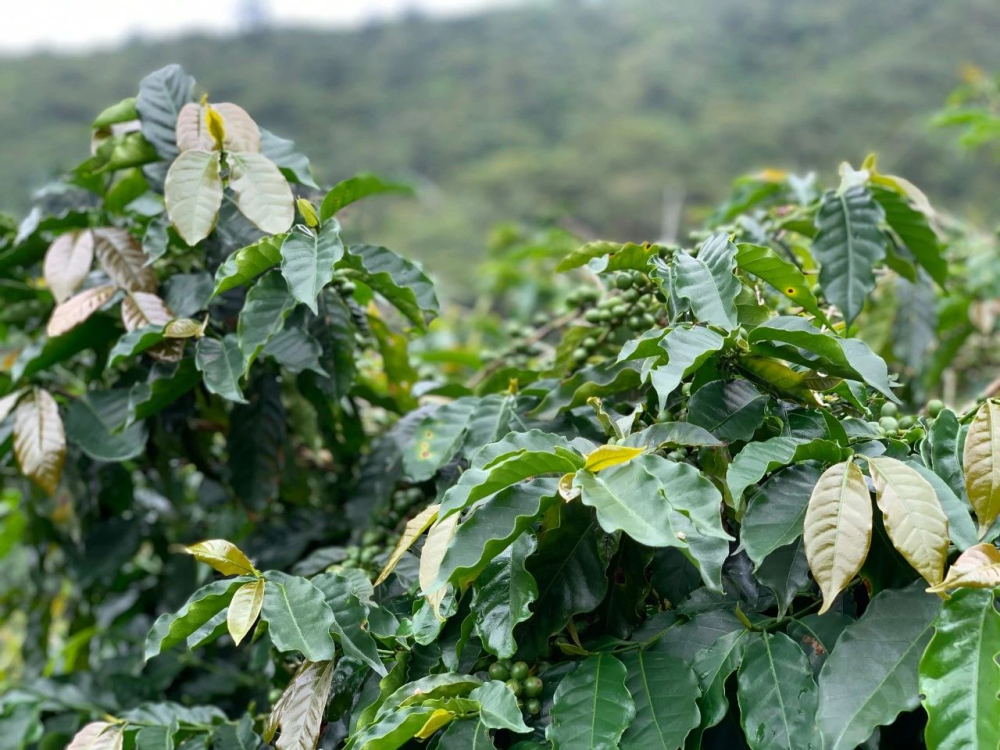
Among the many Brazilian coffee varieties, Bourbon is one of the oldest and most widely planted. It originated as a mutation of Typica, with fruits changing color from green to red as they ripen, eventually turning deep red—commonly known as “red Bourbon.” In high-altitude environments, red Bourbon often exhibits rich aromas, gentle acidity, and a well-balanced sweetness, making it a favorite among many roasters. In addition, yellow Bourbon is distinguished by its yellow-colored fruits, and its flavor profile tends to be sweeter and juicier, with notes reminiscent of cream and sugarcane, drawing notable attention in the specialty coffee market.
Brazilian coffee employs a variety of processing methods, including natural (sun-dried), washed, and semi-washed (Pulped Natural), with the semi-washed technique playing a key role in elevating the quality of Brazilian coffee. In the past, Brazil commonly used the traditional sun-dried method, which involves drying the entire coffee fruit with its husk intact, often leading to off-flavors and uneven fermentation. In the 1990s, Brazilian coffee research institutions developed the semi-washed method, which involves first removing the outer skin and pulp of the coffee fruit while retaining the mucilage layer, followed by about 1 to 3 days of sun exposure, and then mechanical drying to reduce moisture content to 12%. This method not only reduces the risk of off-flavors but also shortens the processing time, resulting in cleaner and more consistent flavors in Brazilian coffee.
Brazil’s green bean grading system is also quite unique and stringent, primarily evaluating multiple factors such as defect rate, bean size, and cupping performance. For defect grading, standards like ‘NY.2’ are commonly used, referring to the number of defective beans per 300 grams of green coffee sample—the lower the number, the higher the quality. For example, NY.2 indicates an extremely low defect rate, placing it among the highest grades. Additionally, cupping performance is categorized into different sensory grades, including Strictly Soft (SC, very mild), Soft, and Hard, while flavor grades include Fine Cup, Good Cup, and Fair Cup, with Fine Cup being the top tier. For instance, a sack label might read “Brazil NY.2 SC – 17/18 FC Cerrado,” indicating coffee from Cerrado, bean size 17–18 mesh, with high-quality mild flavor and excellent cup characteristics.
If you want to brew classic Brazilian coffee flavors at home, here are some useful pour over tips. Taking a medium to dark roasted Cerrado everyday coffee as an example, due to its darker roast level, the bean structure is looser, and using too high a water temperature or too fine a grind can easily lead to over-extraction, resulting in pronounced bitterness. Therefore, it is recommended to use a slightly lower water temperature (around 87–88°C), paired with a medium-coarse grind (e.g., about 70% passing through a Chinese standard No. 20 sieve), and a 1:15 coffee-to-water ratio. A practical three-stage pouring process is as follows: start with a bloom using twice the amount of coffee (e.g., 30 ml water for 15 g coffee) for 30 seconds, then pour in small circles from the center outward to reach 125 g, wait for the water level to drop, and then continue pouring to 225 g, with total brewing time controlled around 2 minutes. This method fully highlights the full body and sweet layered profile of Brazilian coffee.
Overall, Brazilian coffee holds a significant position in the global coffee market with its stable and full-bodied characteristics. The Cerrado region, leveraging its geographic, climatic, and technical advantages, produces specialty coffee with personality and layers. Whether you’re just starting out or already an experienced coffee lover, gaining a deeper understanding of Brazilian coffee’s regional traits, variety differences, and processing methods can help you make more accurate decisions in bean selection and brewing, allowing you to enjoy a richer coffee experience.
The above content is compiled by CoffeeHunters, a coffee news website.


