







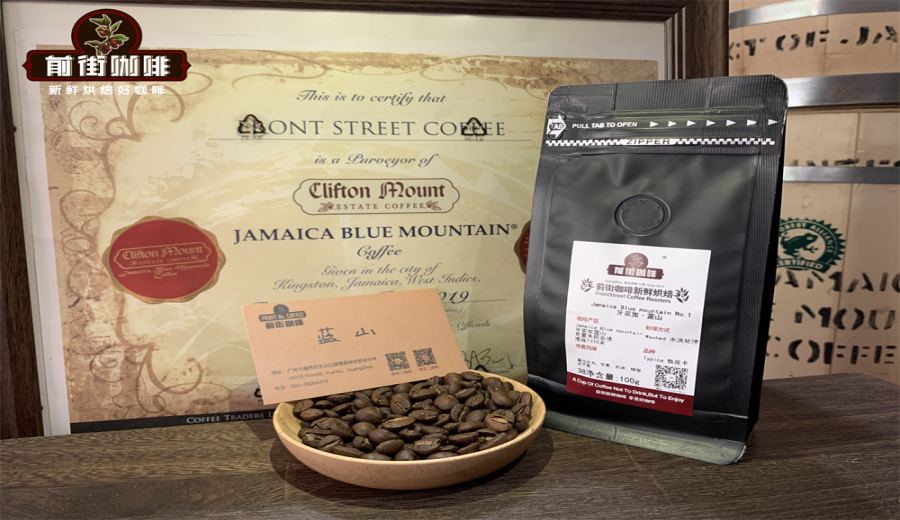
Introduction:Jamaica Blue Mountain coffee is renowned as one of the world’s finest coffees. Its unique flavor profile and low caffeine content make it a dream choice for many coffee enthusiasts. This article will provide a detailed introduction to the official grading system of Blue Mountain coffee, recommended pour over parameters, classic flavor characteristics, and an analysis of why the same variety grown in other regions fails to replicate its distinctive taste. Whether you're a beginner or an advanced coffee enthusiast, you’ll gain practical guidance on bean selection and brewing.
Jamaica Blue Mountain Coffee is globally recognized as one of the premium coffee varieties. Its name originates from the Blue Mountains of Jamaica, where the region’s unique microclimate and high altitude create irreplaceable flavor traits. According to the strict regulations of the Jamaica Coffee Industry Board (CIB), only coffee beans grown at an altitude of666 meters or aboveare eligible to be called "Jamaica Blue Mountain Coffee beans." These beans are not only plump in appearance and cultivated under stringent conditions, but are also renowned for their excellent balance of acidity, sweetness, and bitterness, rich and full-bodied aroma, and relatively low caffeine content.
It’s worth noting that even if the original variety of Blue Mountain coffee is transplanted to climate-similar regions such as Hawaii, Kenya, or Papua New Guinea, the same depth of flavor cannot be replicated. This is one of the key reasons why Blue Mountain coffee is hailed as the "blue diamond of coffees." This article will take you deep into the grading system of Blue Mountain coffee, recommended pour over extraction parameters, typical flavor profiles, and offer expert advice to help you more fully understand and appreciate this "coffee beauty."
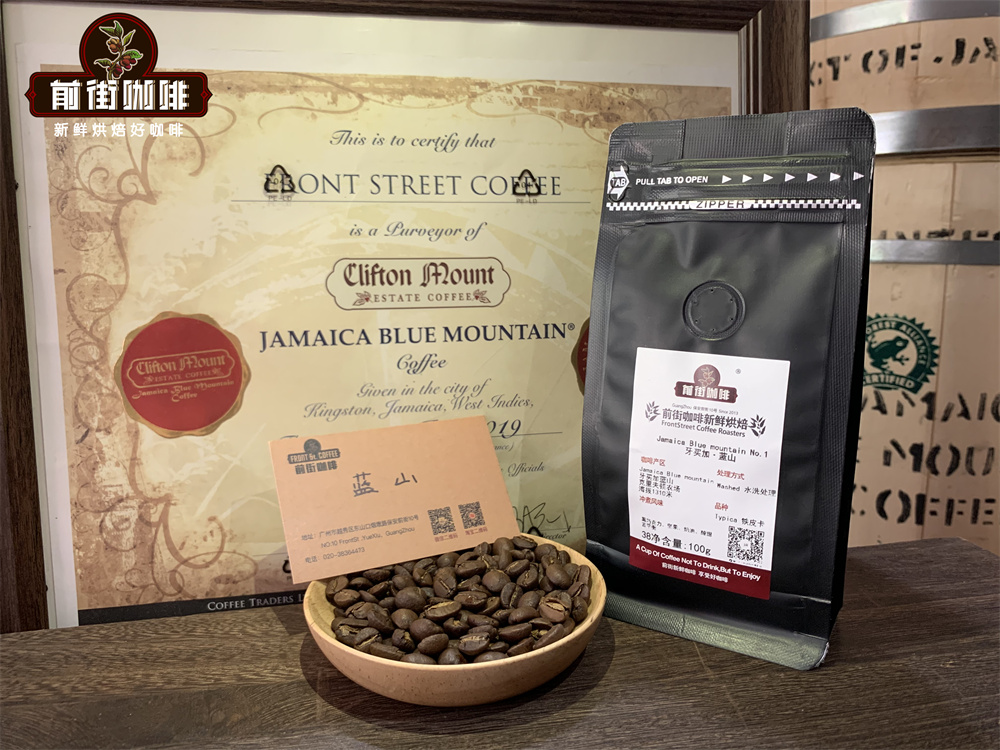
According to CIB grading standards, Blue Mountain coffee is mainly divided into three grades: Blue Mountain No.1, No.2, and No.3, along with the rarer Blue Mountain Peaberry (pea berry). Among them, No.1 is the highest grade, featuring intact bean shape and an extremely low defect rate, typically with a size of 17 mesh or above, making it the most sought-after item on the market. No.2 and No.3 differ slightly in bean shape and allowable defect rate, but all maintain the fundamental standards of high-altitude cultivation in the Blue Mountain region. The Peaberry round bean is considered even more unique due to its rarity—only one round coffee bean develops inside each coffee cherry.
In terms of flavor, Jamaica Blue Mountain coffee exhibits a highly balanced acidity, sweetness, and bitterness. Its acidity is bright yet not harsh, with gentle notes of citrus and stone fruits. The sweetness is pronounced and long-lasting, often accompanied by aromas of caramel and nuts. The bitterness is mild and layered, with a long-lasting aftertaste that is not dry. Overall, Blue Mountain coffee has a rich aroma, often described as carrying elegant floral notes and a soft dark chocolate finish. It is smooth on the palate, making it highly suitable for drinking as black coffee, and is also an excellent choice for both beginner and advanced pour over practice.
For pour over brewing of Blue Mountain coffee, it is recommended to use a medium-light to medium roast level to preserve its delicate flavor layers and natural acidity and sweetness. In actual pour over practice, the following parameters are recommended: grind size should be aroundmedium-fine (similar in size to fine sugar grains), with a coffee-to-water ratio controlled between1:15 to 1:16. The water temperature is advised to be set between88°C and 92°C. Temperatures that are too high can make the acidity overly prominent, while temperatures that are too low may result in less distinct flavors. For brewing technique, a center pour with multiple infusions is recommended—for example, start with a small amount of hot water for blooming (about 30 seconds), then pour in stages until the target brew volume is reached. The total brewing time is suggested to be around2 minutes and 30 seconds to 3 minutes, which helps fully extract the delicate aromas and rich mouthfeel of Blue Mountain coffee.
Many Blue Mountain coffee enthusiasts say that the most captivating aspect of this coffee is its balanced expression of "harmonious acidity and bitterness without sacrificing sweetness," which is easily appreciated even by coffee novices. One long-time Blue Mountain drinker once described it: "It’s like the queen of the coffee world—possessing all the desirable qualities without any ostentation." Additionally, Blue Mountain coffee contains only about half the caffeine of regular Arabica coffee, aligning more closely with modern trends toward healthier beverage choices. Therefore, whether for a morning pick-me-up or an afternoon relax, a cup of pour over Blue Mountain offers a smooth and comforting experience.
In summary, Jamaica Blue Mountain coffee, with its exceptional terroir, rigorous grading system, and unforgettable flavor profile, stands as a premium choice among coffee lovers worldwide. Understanding its grading categories, mastering appropriate pour over extraction parameters, and savoring the intricate balance of its acidity, sweetness, bitterness, and body will help you more deeply experience the unique charm of this "coffee beauty." Whether you’re a beginner or an experienced coffee enthusiast, Blue Mountain coffee is well worth your careful tasting and exploration.
The above content is compiled by CoffeeHunters, a coffee news website.


