







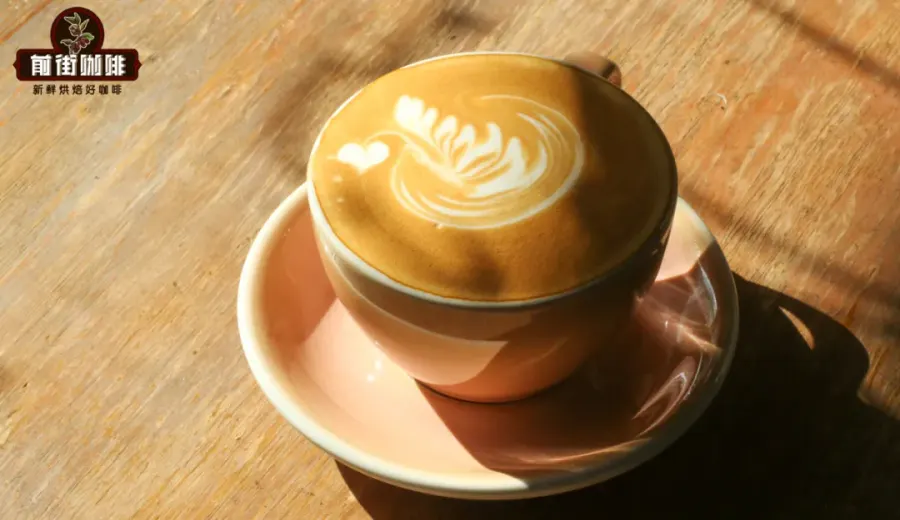
Introduction:Do you think 'latte' just means coffee with milk? In Italy, "Latte" simply refers to hot milk, while "Caffè Latte" is the classic combination of espresso and milk. This article will take you through the true origin of the term 'latte', explain why many non-coffee drinks also carry the name 'latte', and delve into the key elements of a great latte—including milk selection, espresso ratio, crema presentation, and freshness control.
Latte, a familiar term in the world of coffee, actually originates from the Italian word "Latte", which means only "hot milk". So why is it that in coffee shops around the world, 'latte' generally refers to a cup of espresso-based coffee with a lot of milk? The key lies in the full name—"Caffè Latte", the combination of "coffee + milk", which is what we commonly know as a latte.
In Italy, if you walk into a café and just order a "Latte", the barista might just give you a cup of steaming hot milk, with no coffee at all. Because in the local context, Latte by itself does not include coffee, and "Caffè Latte" is the traditional latte that combines espresso with steamed milk, often enjoyed as a light morning beverage and part of the breakfast routine for many Italian families.
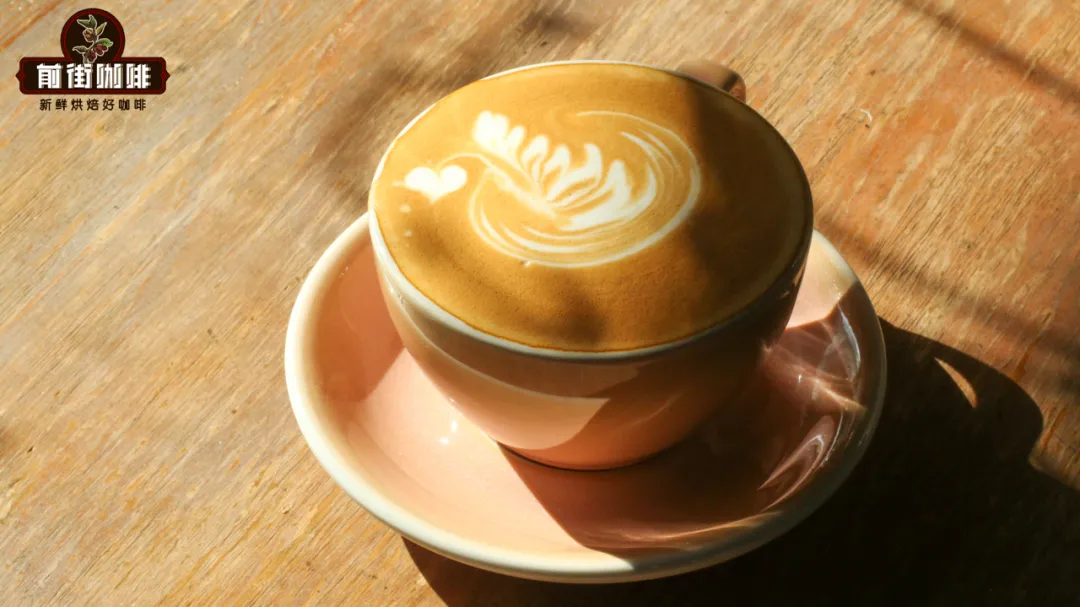
However, outside of Italy, the word 'latte' has gradually drifted away from its original definition, encompassing various milk-added beverages—even drinks without coffee, such as matcha latte, red velvet latte, Ovaltine latte, etc., also bear this name. This leaves many consumers puzzled: if it doesn’t contain coffee, why is it still called a latte?
The origin of this phenomenon can be traced back to the mid-19th century. Although "Caffè" and "Latte" were already included in the Italian dictionary at that time, the combined usage of "Caffè Latte" was not yet widespread. It wasn’t until 1867 that American writer William Dean Howells, in his book "Italian Journeys", first described this milk-and-coffee mixed drink as "Caffe e latte".
It’s worth noting that at the time, the espresso machine had not yet been invented, so the so-called "Caffe e latte" was mostly made by adding hot milk to brewed espresso, and did not yet form the later standardized method. It wasn’t until the mid-20th century, with the advent of the espresso machine and the rise of espresso culture, that the concept of 'latte coffee' began to gain widespread acceptance.
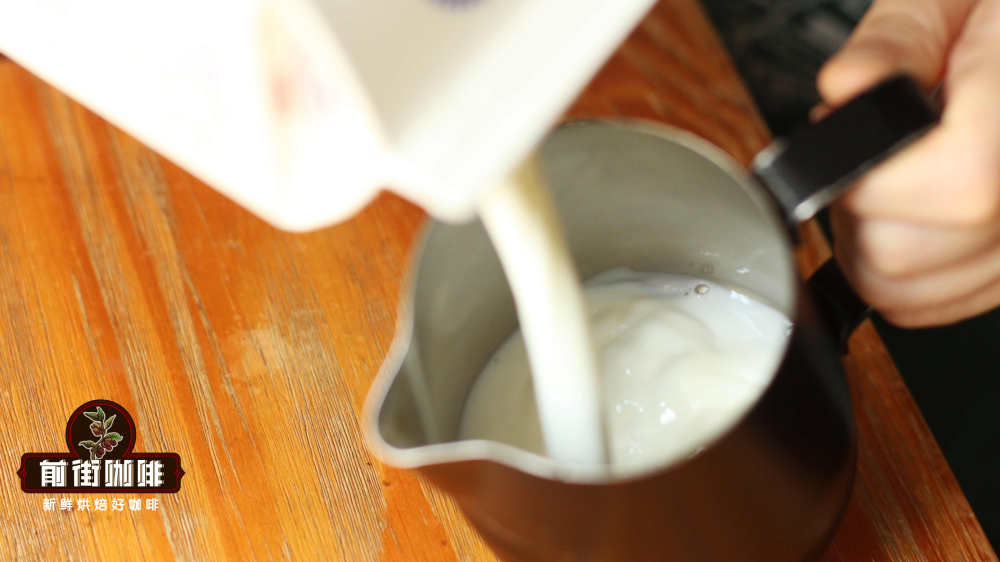
In the 1950s and 60s, a large wave of Italian immigrants brought coffee culture to the United States. However, American consumers were generally not accustomed to the high concentration and strong bitterness of Italian espresso. To cater to the market, coffee shops began adjusting recipes by adding more milk to the coffee to mellow its flavor. It is said that a café in California called "Caffe Mediterraneum" was the first to add more milk to a cappuccino, creating a smoother and milder coffee, and named it "Caffè e latte", or 'milk coffee'.
This milk-heavy coffee quickly gained popularity, and with the rise of chain coffee brands and the promotion of latte art, it gradually spread worldwide. In English-speaking countries, "Caffè Latte" was gradually shortened to "Latte", becoming synonymous with 'coffee with milk' for many people.
Therefore, starting from the 1980s, 'Latte' in non-Italian regions has almost become equivalent to "Caffè Latte", the 'latte coffee' we are now familiar with. Even so, in Italy itself, if you just say 'Latte', you may still only get a cup of milk unless you specifically ask for a 'Caffè Latte'.
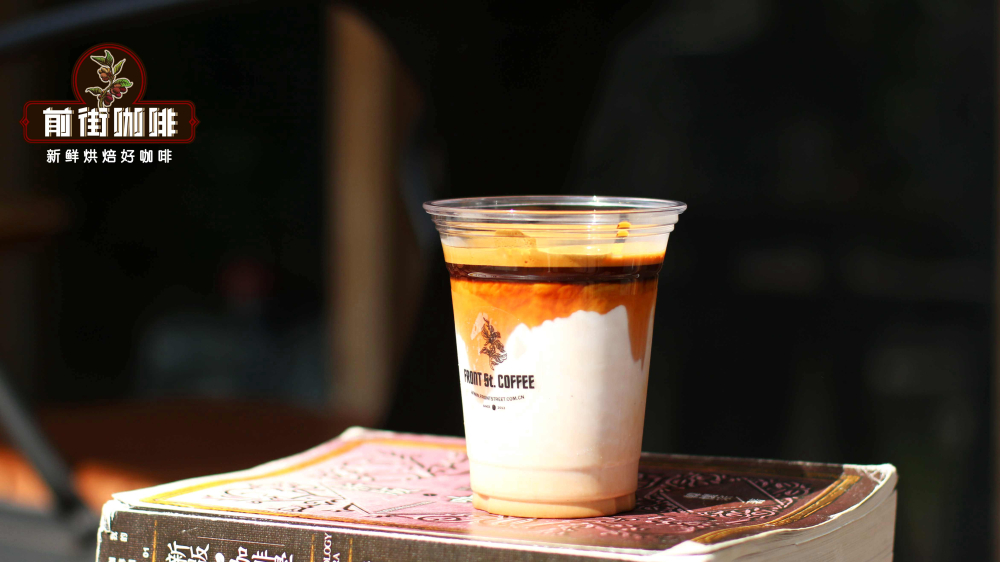
So, how do you make a satisfying cup of latte coffee? The key lies in several core elements: milk selection, the ratio of espresso to milk, the quality of the coffee crema, and the freshness of the coffee beans.
First is the milk. Not all milk is suitable for lattes. The various whole milk options on the market each have different flavor profiles—some are too milky, overpowering the nuances of the coffee; others are too light, making the overall taste feel thin. The ideal milk should balance well with the coffee, highlighting aroma without dominating the flavor. For example, a blend using Sunflower Warm Sun Blend and a certain brand of fresh milk, combined with 35g of espresso, 250ml of fresh milk, and 75g of ice, serves as a good reference ratio for iced lattes, though adjustments can be made based on personal taste.
Second, espresso is the soul base of a latte. To achieve a smooth and stable milk foam integration, the quality of the crema is especially important. Rich crema not only enhances visual appeal but also helps stabilize latte art patterns. Typically, medium to dark roasted coffee beans are more conducive to producing rich and stable crema, making them suitable for making milk-based coffee drinks like lattes.
Regarding coffee bean selection, some shops offer blends specially designed for milk coffees, such as combinations of Brazilian, Colombian Arabica, and a small amount of Robusta. These can provide both crema and a rich mouthfeel, while also delivering complex aromas of caramel, nuts, and dark chocolate. Although the proportion of Robusta is low, it effectively increases the richness and golden hue of the crema layer, positively impacting the overall profile.
Additionally,the freshness of the coffee beansis also an aspect that cannot be overlooked. Beans that are too fresh, due to their high internal carbon dioxide content, may result in overly thick crema, which is not conducive to latte art; conversely, beans that are too old have thin crema that fails to integrate well with the milk foam. It is generally recommended to use coffee beans roasted within 7 to 45 days for making espresso, to achieve optimal crema performance and flavor balance. Therefore, choosing coffee beans with short shipping times and guaranteed freshness will greatly impact the final quality of the product.

The above content is compiled by CoffeeHunters, a coffee news website.


