







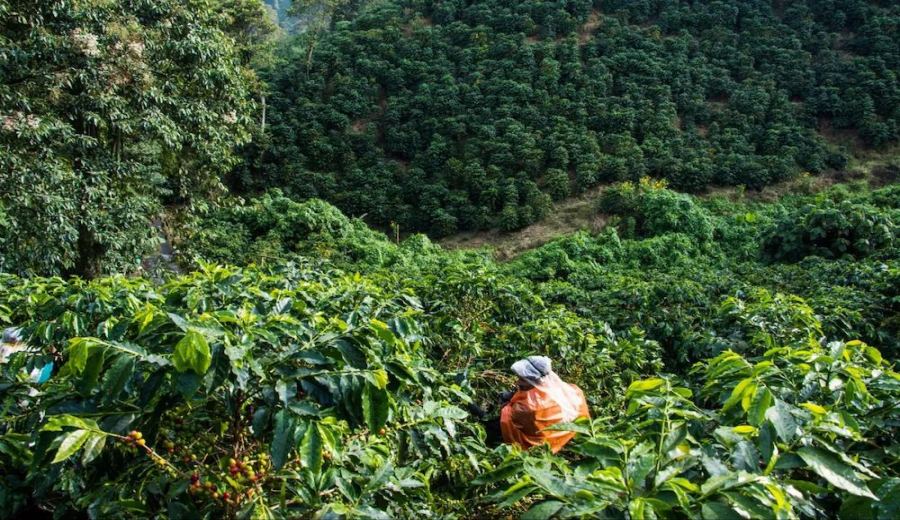
Introduction:As the birthplace of Arabica coffee, Ethiopia boasts the world’s richest coffee gene pool. Its diverse bean varieties and unique flavor profiles have always been a focal point for coffee enthusiasts. This article delves into the classification of Ethiopian coffee varieties—from the common "heirloom" and regional landrace varieties to the experimental strains starting with 74 and 75—and explains how its grading system distinguishes G1 to G5 grades based on the number of defective beans. It also introduces the classic flavor characteristics of washed Yirgacheffe G2, along with practical pour over parameters and resting suggestions to help you better grasp the essence of Ethiopian coffee.
As the birthplace of Arabica coffee, the pristine forests of southwestern Ethiopia nurture an astonishing array of coffee varieties. This natural genetic diversity gives Ethiopian coffee its incomparably unique flavor profile. Due to the extremely complex variety system, local authorities find it difficult to name each precisely, so they are commonly referred to as "heirloom." These heirloom coffee trees have naturally evolved over time in Ethiopia’s unique altitude, climate, and soil conditions, with each tree carrying the distinct terroir of its locale.
Under the broad category of "heirloom," Ethiopian coffee varieties can be further divided into two main types: regional landraces and numbered strains beginning with 74 and 75. Regional landraces are not a single variety but refer to a group of coffee trees within a specific micro-region that share similar physical characteristics. For example, kurume, wolishao, and dega—commonly found in the Yirgacheffe and Sidamo regions—are typical representatives of regional landraces.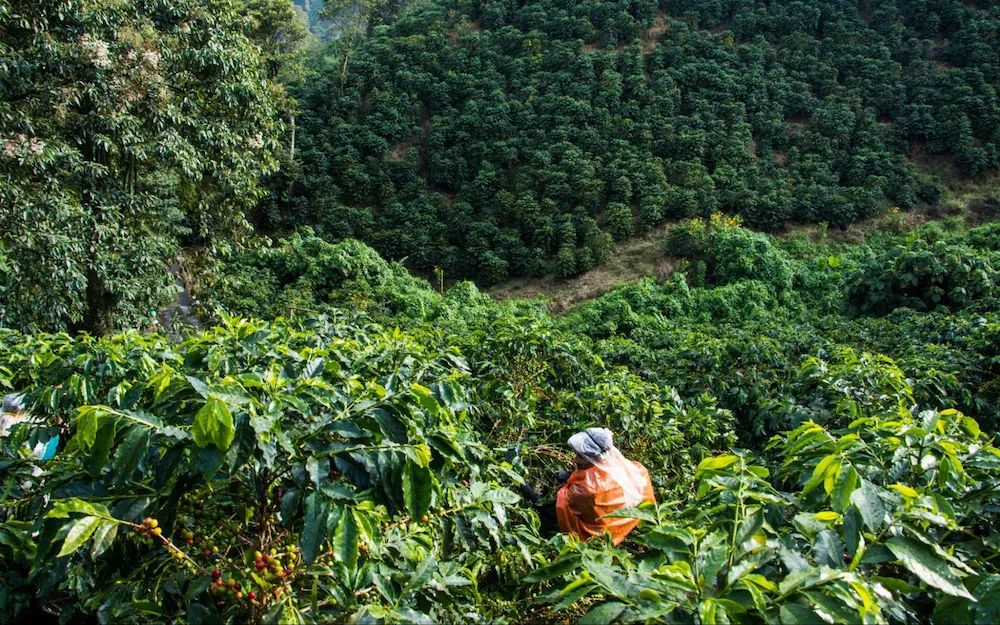
Among them, kurume is a common type of coffee tree in the Yirgacheffe region. Its fruits and leaves are relatively small, but it has high per-tree yield, with vibrant green top leaves and strong adaptability. Wolishao is mostly found in Sidamo, characterized by tall tree trunks and larger fruit size, though with unstable annual yields and red-tinted top leaves. Dega trees are of medium height with moderately sized fruits, often emitting a distinct sweet aroma after roasting, making them a favorite among processing mills.
As for the numbered strains starting with 74 and 75, they originated from 1974 to 1975 when the Jimma Coffee Research Institute systematically collected seeds from over 600 coffee trees across 19 locations in southwestern and western Ethiopia. After expert identification and trial planting, these artificially selected varieties were named with the collection year as the prefix, forming the 74 and 75 series. Among them, 74110 and 74158 gained fame after ranking in the top 28 of the 2020 COE (Cup of Excellence) competition, becoming well-known high-performing strains in the industry.
It’s worth noting that due to the diversity and natural evolution of varieties, Ethiopian coffee beans often vary significantly in size, forming a sharp contrast with the uniform and plump beans commonly seen in producing regions like Brazil, Colombia, or Indonesia. Many consumers, upon first encountering Ethiopian beans, may misjudge their quality due to the uneven bean sizes. In reality, this diversity is the true face of Ethiopian heirloom coffee.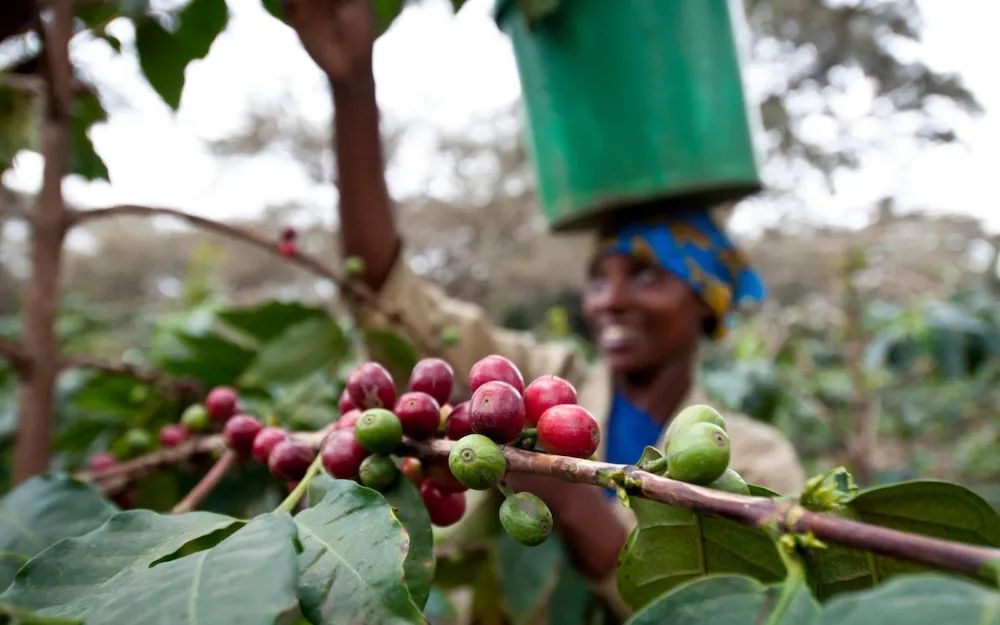
Ethiopia’s coffee bean grading system is mainly based on the number of defective beans per 300 grams of green coffee, divided into five grades: G1 to G5. The specific criteria are: G1 with no more than 3 defective beans, G2 no more than 12, G3 no more than 25, G4 no more than 45, and G5 no more than 90. Generally, G1 and G2 are considered high-quality grades. Through strict screening and defect removal before roasting, the purity of the final flavor can be ensured. Grades G3 and below have a higher proportion of defective beans, making them relatively more affordable, though less commonly traded on the international market.
In the launched regional everyday coffee series, washed Yirgacheffe G2 is selected as the representative of Ethiopian coffee. Yirgacheffe was one of the first specialty coffee regions in Ethiopia to gain international recognition. Its flavor profile is highly distinctive—even at the G2 grade, proper post-roast defect sorting can still showcase outstanding quality.
The flavor characteristics of this Yirgacheffe G2 are as follows: In the dry aroma stage, a fresh citrus tone and pure white floral notes can be detected. At different brewing temperatures, sipping reveals a bright citrus backbone, natural honey sweetness, and a clean, unadulterated mouthfeel. The mid-palate weaves delicate floral notes with a soft tea-like sensation, delivering a well-layered overall profile.
For pour over recommendations, it is advised to use freshly roasted beans within 5 days of roasting to fully experience the coffee’s vibrant flavors. The ideal resting period for these beans is about 4 to 7 days, with peak flavor upon arrival. The recommended grind size is medium-fine (approximately 78% extraction rate through a Chinese standard No. 20 sieve)—too coarse may lead to under-extraction and a thin flavor, while too fine may cause over-extraction and unwanted bitterness at higher water temperatures. Mastering these details will allow you to more fully appreciate the unique charm of Ethiopian coffee.
The above content is compiled by CoffeeHunters, a coffee news website.


