







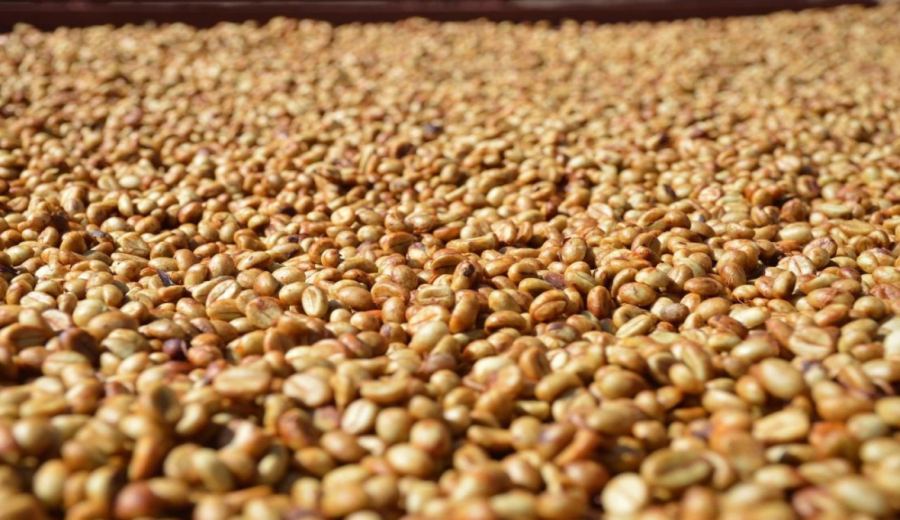
Introduction:Honey processed coffee is beloved for its unique sweetness and fruity aroma, but did you know that its name actually has nothing to do with honey? This article delves into the principles, steps, and flavor characteristics of honey processing, and explains why honey processed beans from Costa Rica are known for their stable quality and outstanding performance. We also recommend three honey processed coffees with distinct flavor profiles—whether you’re a pour over or espresso enthusiast, you’re sure to find a suitable choice.
The term “honey process” often leads people to mistakenly believe that honey is added during the coffee bean processing. In fact, this is a misunderstanding. To be precise, honey processing refers to the method where, after removing the outer fruit pulp of the coffee cherry, the sticky, honey-like mucilage layer is deliberately retained, followed by sun drying. This mucilage layer, rich in sugars and acids, gradually seeps into the interior of the coffee beans during the drying process, imparting a distinctive sweetness and balanced fruit acidity—creating the captivating flavor profile of honey processed beans.
As a globally renowned specialty coffee origin, Costa Rica not only has advantages in high-altitude cultivation but has also accumulated extensive experience in honey processing techniques. Compared to other countries, Costa Rica’s honey processing procedures are more standardized, and quality control is more consistent, making it the top choice for those seeking high-quality honey processed coffee beans. Understanding the principles of honey processing allows you to better appreciate the nuanced expression of Costa Rican honey processed beans.
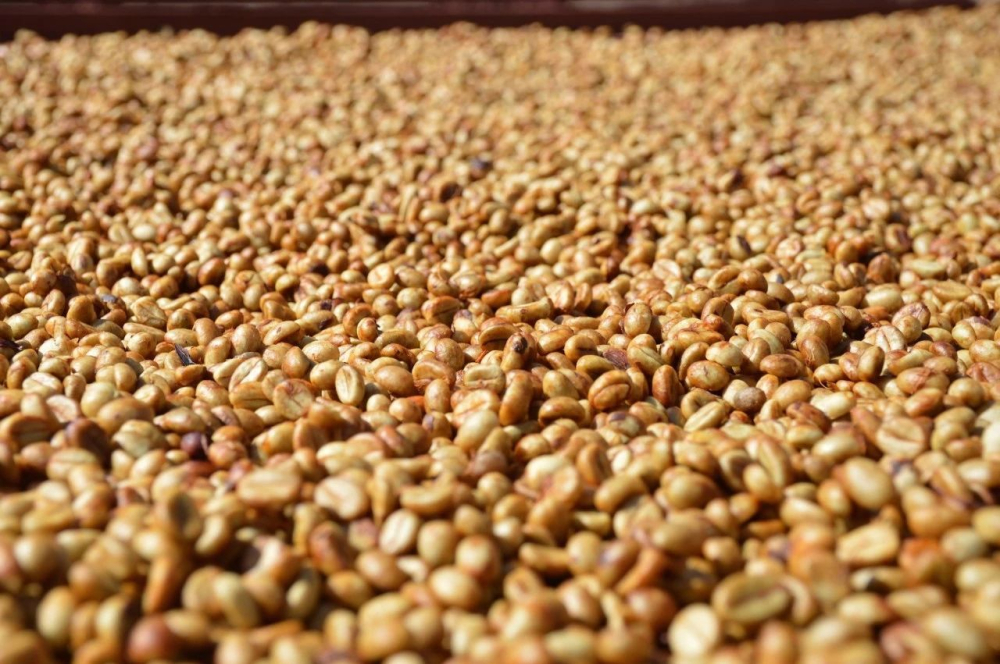
The production process of honey processing can be divided into several key steps. First, coffee farmers pick fully ripe coffee cherries, then remove the outer fruit pulp while retaining the sticky mucilage layer. This mucilage layer, which contains high concentrations of sugar and fruit acid, is the core element that influences the final flavor. Next, these mucilage-covered coffee beans are placed on sun drying racks or concrete surfaces to dry.
The drying process is the most technically demanding part of honey processing. It requires strict control over time as well as frequent turning of the beans to ensure even drying. In the first few days, the beans need to be turned multiple times per hour for about 6 to 10 hours until the moisture content stabilizes. Over the following 6 to 8 days, although the turning frequency decreases to at least once a day, close attention must still be paid to weather changes and humidity. It’s especially important to note that nighttime air moisture can cause the beans to reabsorb moisture, requiring them to be redried the next day—this is one of the main reasons why honey processing takes longer.
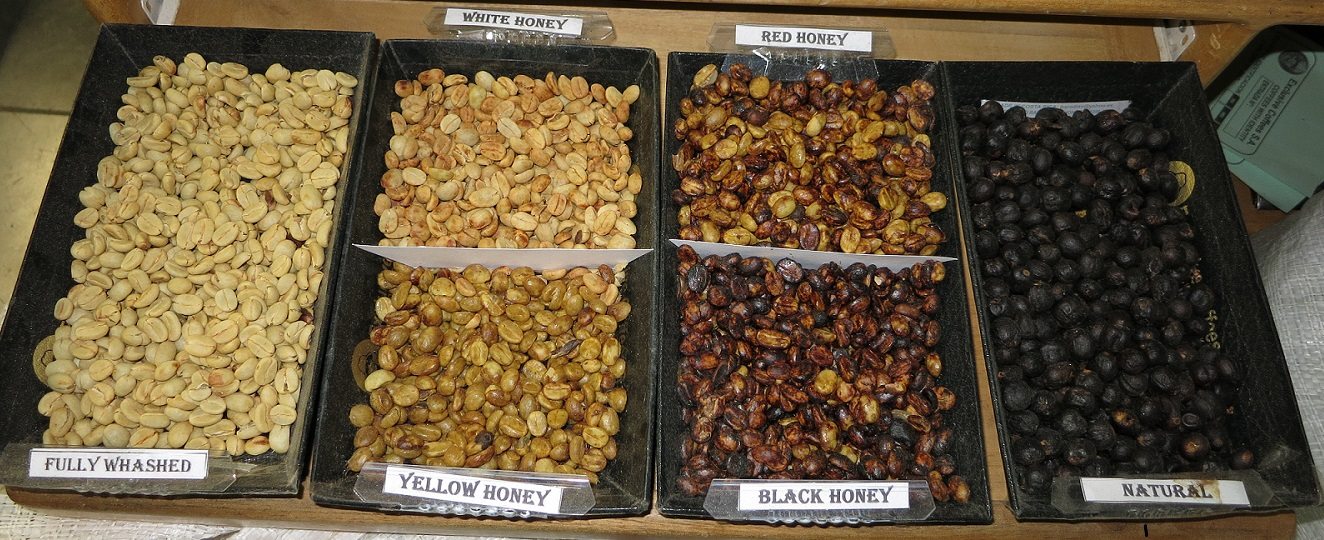
To more intuitively understand the differences between processing methods, you can observe the appearance of green beans before the inner parchment is removed. From washed, white honey, yellow honey, red honey, black honey, to natural (sun dried), each processing method shows clear visual differences—not only affecting drying time but also directly reflected in flavor expression.
Although the honey processing procedure is intricate and technically demanding, the flavor rewards are well worth it. Compared to traditional natural (sun dried) beans, honey processed beans typically exhibit a more balanced sweetness and fruit acidity, with a flavor that is fresher yet richer. This difference mainly stems from the concentration and penetration of sugars and acids in the mucilage layer. Honey processed coffee offers noticeable sweetness without being overly cloying, and its acidity is soft and layered—making it ideal for coffee lovers who enjoy complex flavors but prefer not to have strong acidity.
Costa Rican honey processed beans, thanks to their mature processing techniques and stable climate conditions, often boast higher consistency and quality assurance. If you want to try honey processed coffee, it’s recommended to prioritize products from Costa Rica—not only for their outstanding flavor performance but also to experience the essence of honey processing craftsmanship.
If you prefer espresso, the “Blackberry” honey processed beans offered by a certain shop are a great choice. These beans showcase rich flavors of longan, grape, and honey-like sweetness, paired with a light floral aroma. They are smooth and mellow on the palate, with a pronounced and lasting aftertaste. Ideal for making Americano, they deliver fragrant aromas with balanced acidity and bitterness, offering an overall mellow and layered taste—perfect for coffee lovers who dislike high acidity but seek deep flavor.
For readers who enjoy fruity and floral notes, you might want to try the “Strawberry Candy” blend from a certain shop. This blend combines Panamanian washed Geisha with Costa Rican honey processed beans, using a medium roast to preserve fruity and floral characteristics while also bringing out moderate roasty notes. After brewing, it delivers sweetness reminiscent of caramel, raisins, and dried fruit, accompanied by a sweet, rose-like floral aroma. It’s a distinctly flavored and dynamic honey processed blend.
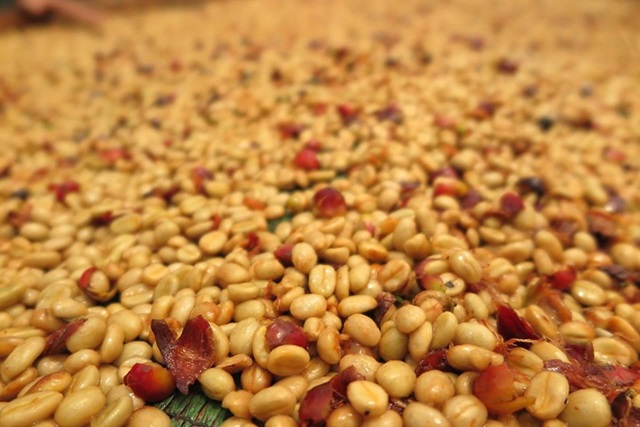
Finally, we recommend the “Mozart” from a certain shop—a Costa Rican honey processed bean made using the raisin honey process, allowing the coffee fruit to undergo slow fermentation, thereby highlighting intense flavors of raisin, rose, and fermented wine. With a medium-light roast, this bean fully showcases its fruity and sweet characteristics, especially appealing to coffee lovers who enjoy fermented notes and the sweetness of raisins. Whether brewed via pour over or single-origin methods, this bean delivers delicate and layered flavor expressions.
The above content is compiled by CoffeeHunters, a coffee news website.


