








Introduction:Kenyan coffee is renowned worldwide for its delicate acidity and bright fruity character, and the key to this lies in its high-altitude environment and classic SL28 and SL34 varieties. This article delves into the unique flavor profiles of these two varieties, introduces Kenya’s distinctive washed processing method, and recommends a high-value option ideal for pour over enthusiasts, along with practical tips for selecting freshly roasted beans.
Kenyan coffee has long been celebrated for its layered and vibrant fruitiness, often featuring aromas of blackberry, grapefruit, and even dark plum, paired with a full body that leaves a lasting impression. However, the soul behind these traits is actually its pronounced and refreshing acidity.
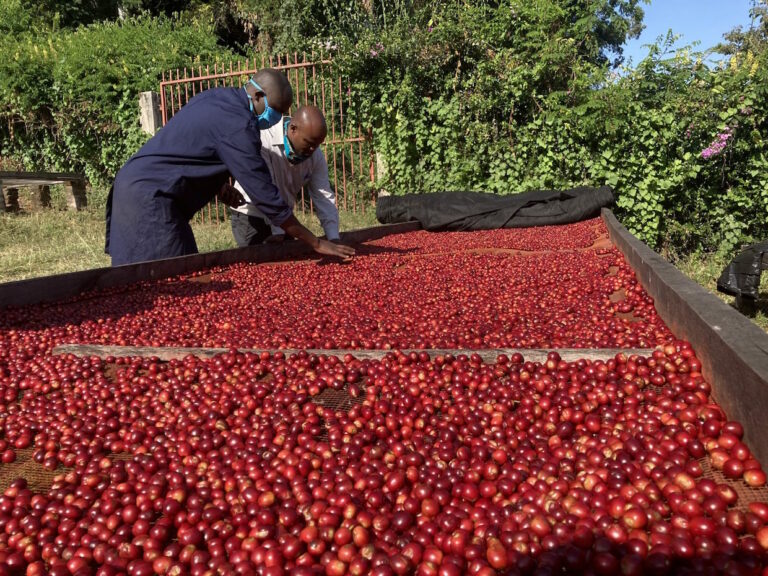
High Altitude Environmentis the foundation of Kenyan coffee’s flavor. Most growing regions are located at altitudes between 1200 and 2000 meters. At such heights, the relatively cooler temperatures slow down the ripening process of the coffee cherries, which helps accumulate aromatic compounds while also promoting a more pronounced acidity and a denser bean structure.
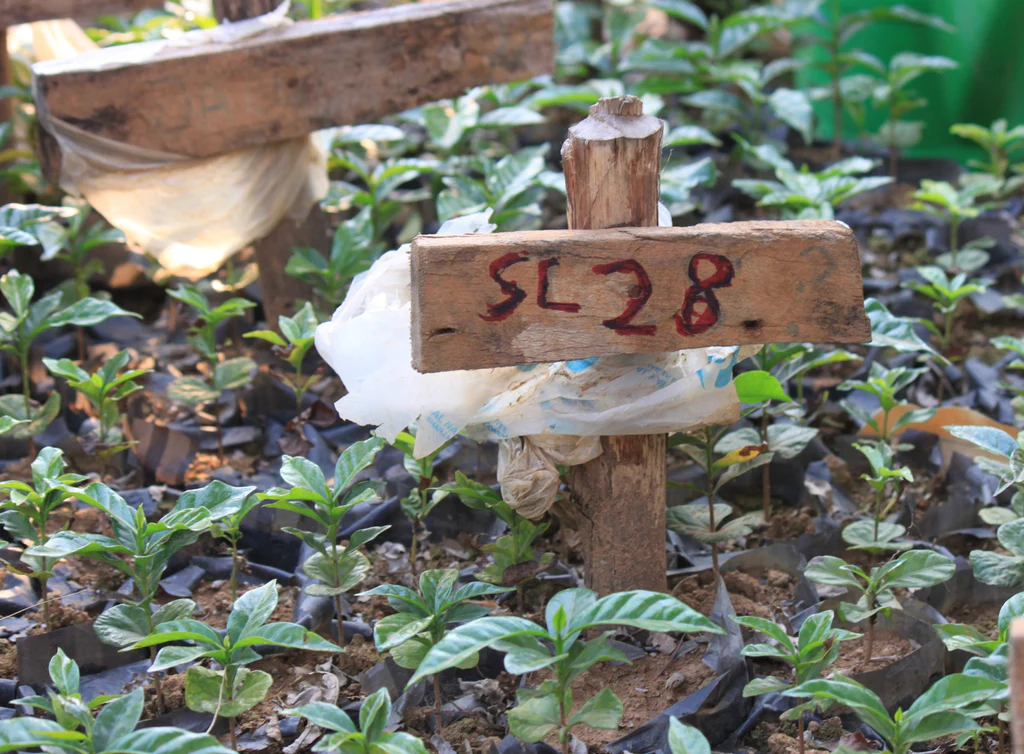
Among the many varieties,SL28 and SL34are undoubtedly the two most representative classics. These two varieties originated from two of the 40 experimental cultivars introduced by the Kenya Coffee Research Station (then known as Scott Laboratories, abbreviated as SL) in the 1930s. Although initially intended for research purposes only, they have now become stars in the specialty coffee world.

SL28 often exhibits intense dark plum and citrus aromas, with a deep acidity and stone fruit characteristics, a rounded mouthfeel akin to wine, and notable sweetness; SL34, on the other hand, showcases clear fruit acidity complemented by background notes of nuts and spices, achieving excellent overall balance. These two varieties interact with Kenya’s unique high-phosphate soil environment, successfully overturning the early notion that “artificially bred varieties are inferior to wild ones,” and have also established Kenya coffee’s international reputation.
In addition to the varieties themselves, Kenya coffee’s uniquewashed processing methodalso plays a significant role. Generally, the fermentation time for washed coffee in Central and South America does not exceed 36 hours, but in Kenya it is extended to 72 hours—after 48 hours of fermentation to remove the mucilage, the beans are further soaked in clean water for 24 hours. This extended fermentation process gives Kenyan coffee a uniquely distinctive aroma and layered flavor profile.
For those wishing to experience authentic Kenyan coffee flavors, consider trying a washed lot that combines both the SL28 and SL34 varieties. Such coffees are typically medium-light roasted, and when brewed, they release complex aromas of cherry tomato, dark plum, black plum, pears, and brown sugar. The cup is full-bodied and layered, with a lingering finish that carries a delightful hint of caramel.
For consumers looking to enjoy Kenyan coffee,the freshness of the beansis crucial. It is recommended to always check the roast date when purchasing, as beans over a month old may have noticeably faded aromas or even develop unpleasant woody off-notes. Whether you prefer pour over, French press, or espresso brewing, freshness is a key factor influencing flavor performance.
When selecting coffee beans, it is advisable to choose brands with stable roasting quality and a good market reputation. Such brands usually provide detailed roast date information and ensure that each batch of beans reaches consumers shortly after roasting, helping to maintain optimal flavor condition.
The above content is compiled by CoffeeHunters, a coffee news website.


