







Introduction:Kenyan coffee is renowned for its unique balance of acidity and sweetness, along with intense fruity aromas. These characteristics are closely tied to its distinctive high-altitude volcanic soils and classic coffee varieties. This article delves into the history, genetic background, and flavor profiles of Kenya’s four major coffee varieties—SL28, SL34, Ruiru11, and Batian—and provides practical pour over parameters and brewing tips to help you better understand these distinctive beans and brew layered Kenyan coffee at home.
Although Kenya and neighboring Ethiopia are both in Africa and geographically close, their coffee flavors differ significantly. When it comes to Ethiopian coffee, many people envision bright citrus, delicate floral notes, and tea-like qualities. However, Kenyan coffee stands out with its bold plum, cherry tomato acidity, and pronounced caramel sweetness. This unique flavor profile stems not only from its exceptional altitude and volcanic soil environment but also from the cultivation of several classic coffee varieties.
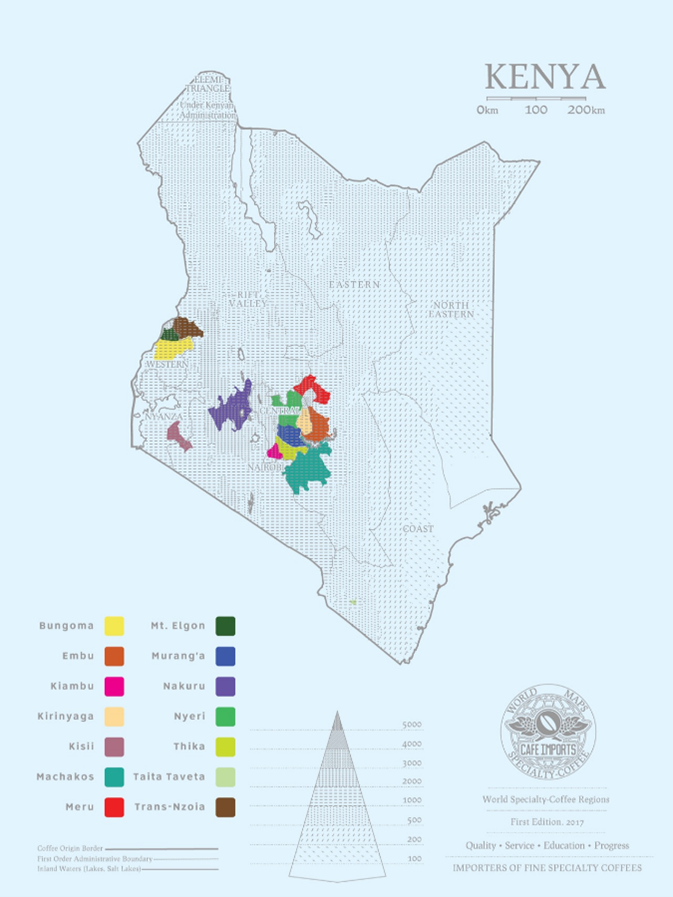
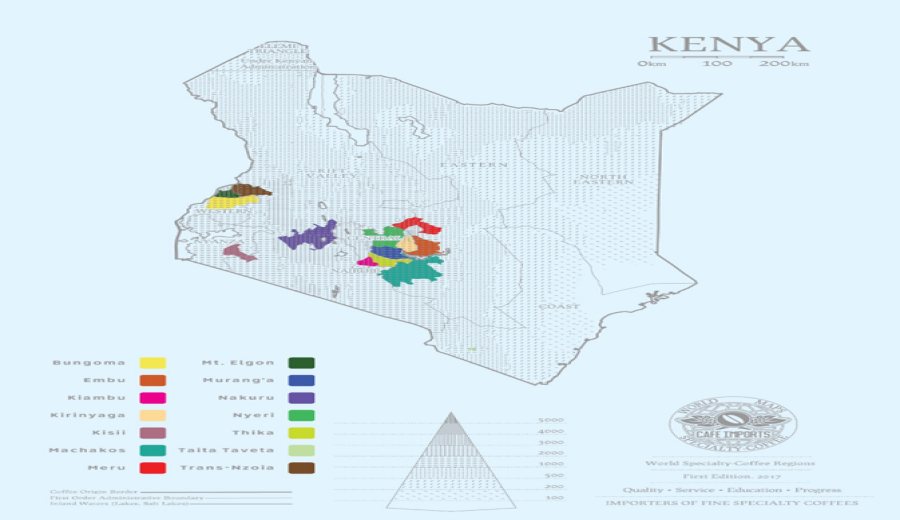
Kenyan coffee is primarily grown around the capital Nairobi and in the Kenyan highlands, typically at altitudes ranging from 1600 to 2100 meters, within the globally recognized “coffee golden belt.” The region enjoys cool and stable climates with significant day-night temperature variations, coupled with mineral-rich volcanic soils—especially high in phosphorus content—that contribute to the coffee cherries’ rich acidity, sweetness, and complex aromas. Among all influencing factors, variety selection is key to whether Kenyan coffee can express its classic flavors.
The evolution of Kenyan coffee varieties can be traced back to the late 19th century, when French missionaries introduced Bourbon from Réunion Island. Later, Kent from India and Typica from Jamaican Blue Mountain were also brought in. However, these varieties did not develop distinct flavor characteristics in Kenya. It wasn’t until the 1930s, when the Scott Laboratory under the Kenya Coffee Research Institute began systematic variety improvement, that the now world-famous classic varieties gradually emerged.
I. SL28 and SL34: The Soul of Kenyan Coffee Flavor
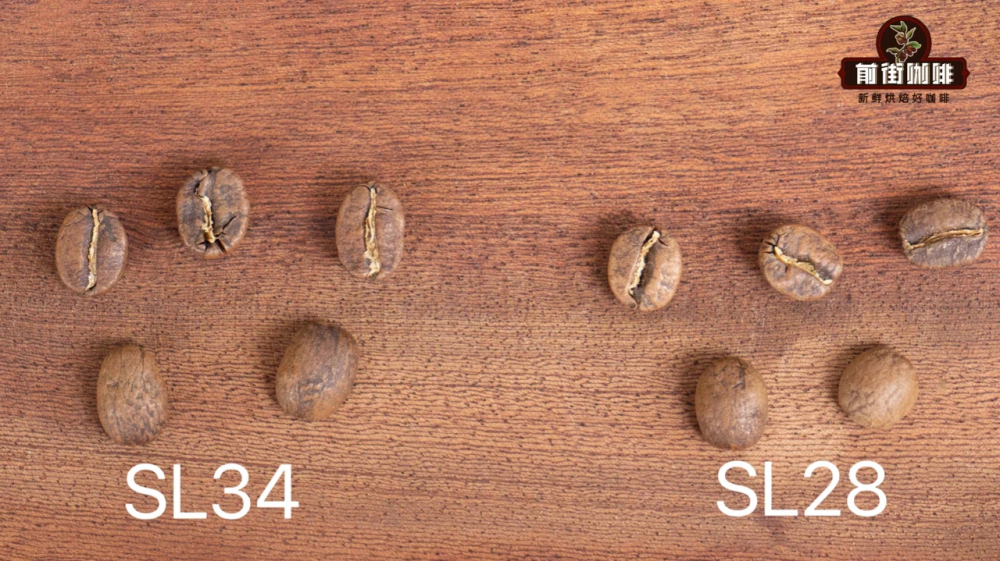
Between 1935 and 1939, the Scott Laboratory collected 42 coffee varieties from around the world for long-term cultivation and testing, eventually selecting the two top-performing varieties: SL28 and SL34. The “SL” in their names stands for Scott Laboratories, and the numbers are variety codes. Visually, the two varieties differ slightly—SL28 beans are rounder and smaller, while SL34 beans are larger and more oval-shaped.
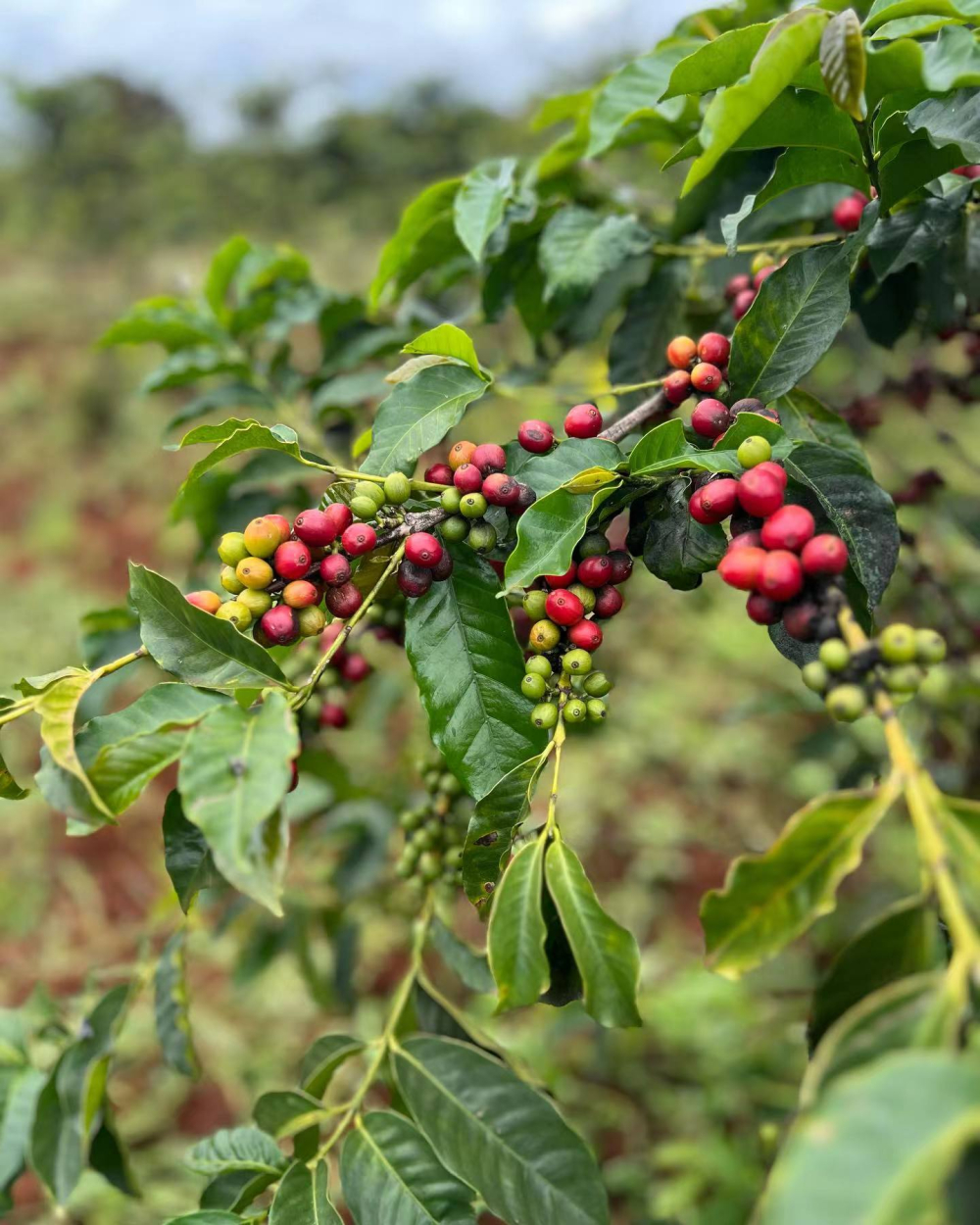
Genetic analysis shows that SL28 is a mutant descendant of Bourbon, while SL34 originates from Typica. These two varieties thrive in Kenya’s high altitudes and cool climates, especially when processed using the washed method, showcasing sharp and bright acidity paired with intense flavors of plum, cherry tomato, pear, and caramel. Their sweetness and acidity achieve an excellent balance. To this day, SL28 and SL34 are still regarded as the soul varieties of Kenyan coffee and are considered the “classic flavor representatives” by many coffee enthusiasts.
II. Ruiru11: A Disease-Resistant Experimental Variety
In the late 1960s, Kenya’s coffee-growing regions were hit hard by severe pests and diseases, leading to significant yield reductions in the less disease-resistant SL28 and SL34. To address this issue, the Kenya Agricultural Research Institute began developing new, more disease-resistant varieties in 1968, eventually launching Ruiru11 in the 1980s. The “Ruiru” in its name refers to Kenya’s Ruiru Laboratory, and the number “11” signifies that it was the first successfully developed single-cross hybrid variety from the lab.
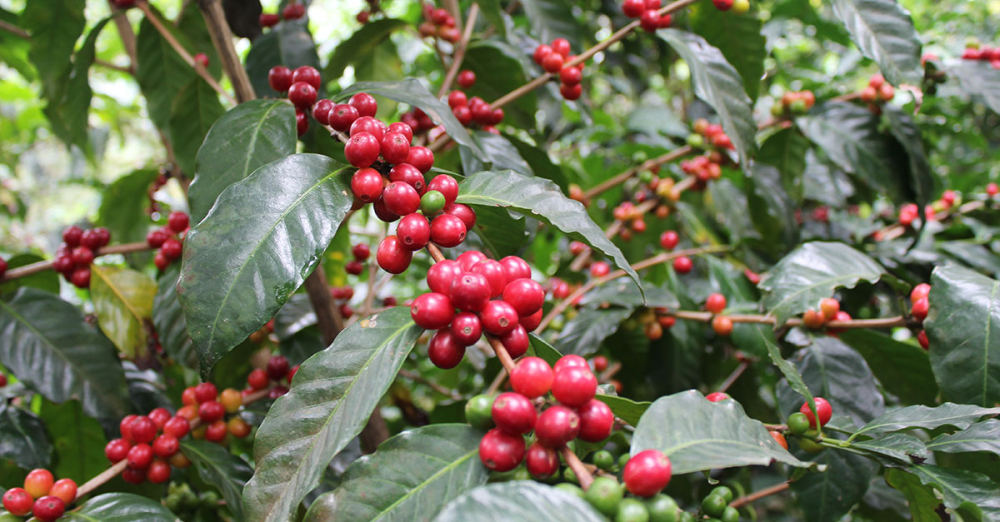
Ruiru11’s genetic makeup includes Catimor, Sudan Rume, Bourbon, K7, N39, and SL28. The introduction of Catimor genes greatly enhanced its resistance to diseases and pests, as well as significantly increasing yields. However, this genetic modification also came with flavor trade-offs—while Ruiru11 has clear acidity, it lacks the layered complexity and sweetness of SL28 and SL34, resulting in a relatively thin overall profile and lower-than-expected market acceptance.
III. Batian: A Rising Star Balancing Disease Resistance and Flavor
To improve upon Ruiru11’s flavor issues, the Kenya Coffee Research Institute continued its breeding research and finally launched the Batian variety in 2010. This variety is a new-generation composite breed developed by backcrossing a descendant of Ruiru11 with SL28 and SL34. The name Batian is derived from Kenya’s highest peak, symbolizing its significant role in the history of variety development.
In terms of flavor, Batian successfully avoids the common woody and earthy off-notes associated with Catimor, instead showcasing a clean sweetness reminiscent of sugarcane, along with fresh fruit aromas like cherry tomato and black plum. Although it has not yet fully surpassed the classic status of SL28 and SL34, its combination of high yield, disease resistance, and respectable flavor has positioned it as an important pillar for Kenya’s future coffee industry.
IV. Practical Pour Over Tips: How to Brew Kenyan Coffee?
If you’d like to try brewing Kenyan coffee at home, we recommend selecting beans dominated by SL28 and SL34, such as this Kenya·Athi River, which uses the K72 washed process, is sourced from the Thika region, grown at an altitude of about 1550–1750 meters, and is graded AA. Below are a set of practical pour over parameters and steps, suitable for use with a V60 filter cone:
Brewing Recommendations:
- Brewing Method:Pour Over
- Filter Cone:V60
- Water Temperature:91-93°C
- Coffee Dose:15 grams
- Coffee-to-Water Ratio:1:15
- Grind Size:Medium-Fine, approximately 80% passing through a Chinese No. 20 sieve
- Extraction Time:Approximately 2 minutes 00 seconds to 2 minutes 15 seconds
Pour Over Steps:
- Start by pouring 30 grams of hot water for a 30-second bloom to activate the coffee’s aroma.
- Then pour water in small circular motions. When the total water volume reaches 125 grams, perform the first pour break. Wait for the water level to drop slightly, then continue pouring until you reach 225 grams and stop.
- Once all the water has dripped through, your coffee is ready to enjoy.
The finished Kenyan coffee features intense aromas of cherry tomato and plum in both the dry and wet stages. Upon tasting, you’ll experience a rich stone fruit acidity paired with soft floral notes, and a caramel sweetness in the aftertaste. As the coffee cools, the flavors shift to a refreshing, juicy sweetness reminiscent of pear juice, with a well-defined layered profile—perfect for coffee lovers who enjoy a balanced cup of fruity acidity and sweetness.
The above content is compiled by CoffeeHunters, a coffee news website.


