







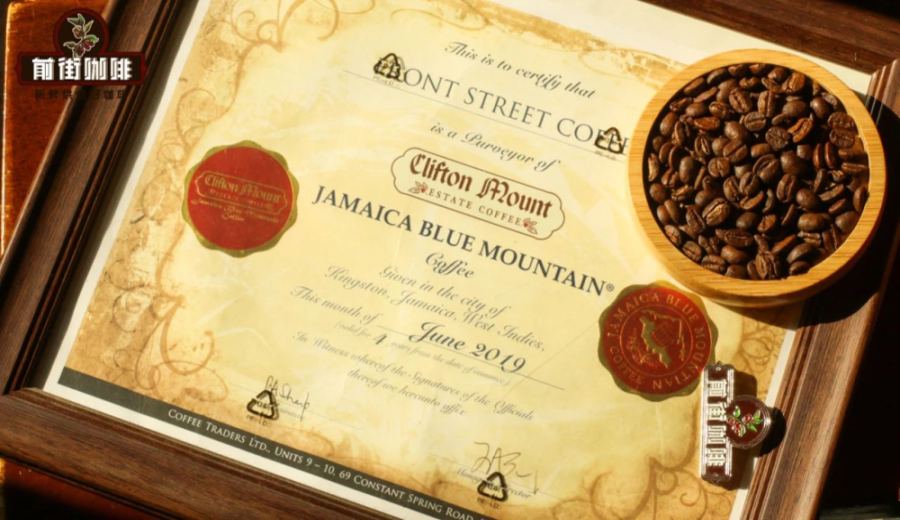
Introduction:Jamaican Blue Mountain coffee is world-renowned for its delicate and balanced flavor profile and extremely limited production, making it a true legend in the coffee world. This article will take you from the historical origins of Blue Mountain coffee, its main growing regions and varieties, to how to correctly identify authentic beans, and delve into an in-depth analysis of the most representative Clifton Estate and its Rainforest Alliance certification. Finally, we’ll explore how the washed processing method contributes to the unique flavor of Blue Mountain coffee, giving you a comprehensive understanding of its essence.
Jamaican Blue Mountain coffee, with its well-balanced acidity, sweetness, and bitterness, rich mouthfeel, and extremely limited output, holds an unshakable position in the global specialty coffee market. To truly understand Blue Mountain coffee, we must start with its history. As early as 1717, French King Louis XV ordered the cultivation of coffee in Jamaica, marking the beginning of the Typica variety taking root in the Blue Mountains. Later, in 1932, the Jamaican government implemented policies that shifted focus from blindly pursuing yield to improving coffee quality, a transformation that laid the foundation for Blue Mountain coffee’s future status as a top-tier brew.
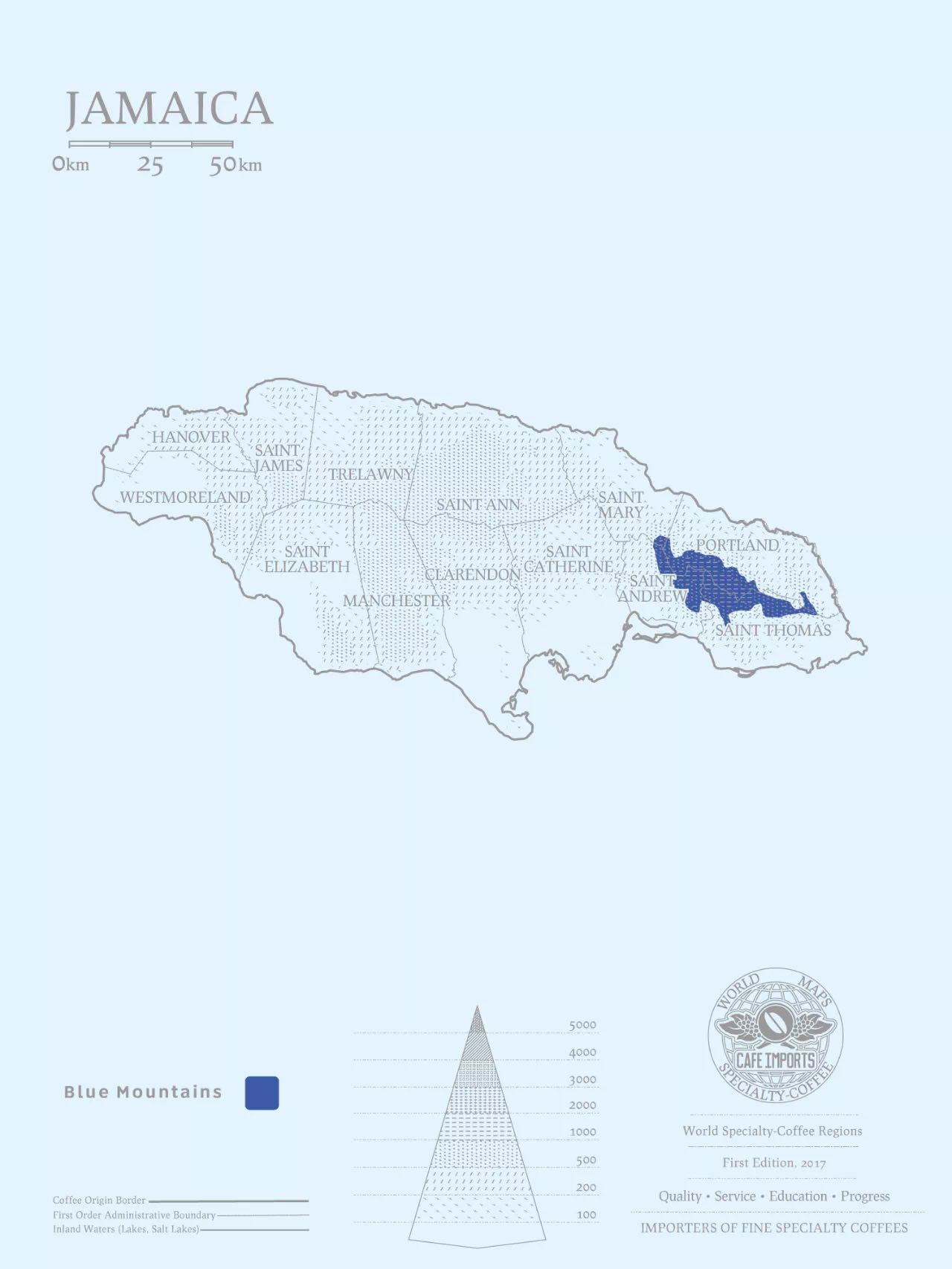
True Blue Mountain coffee refers specifically to coffee beans grown in certain high-altitude areas of the Blue Mountains in Jamaica. The main peak of the Blue Mountain range reaches an elevation of 2,256 meters, the highest point in the entire Caribbean region. This area lies on a seismic belt, boasts mineral-rich volcanic soil, and enjoys high humidity year-round, frequent cloud cover, and abundant rainfall—all of which contribute to the extraordinary flavor potential of Blue Mountain coffee.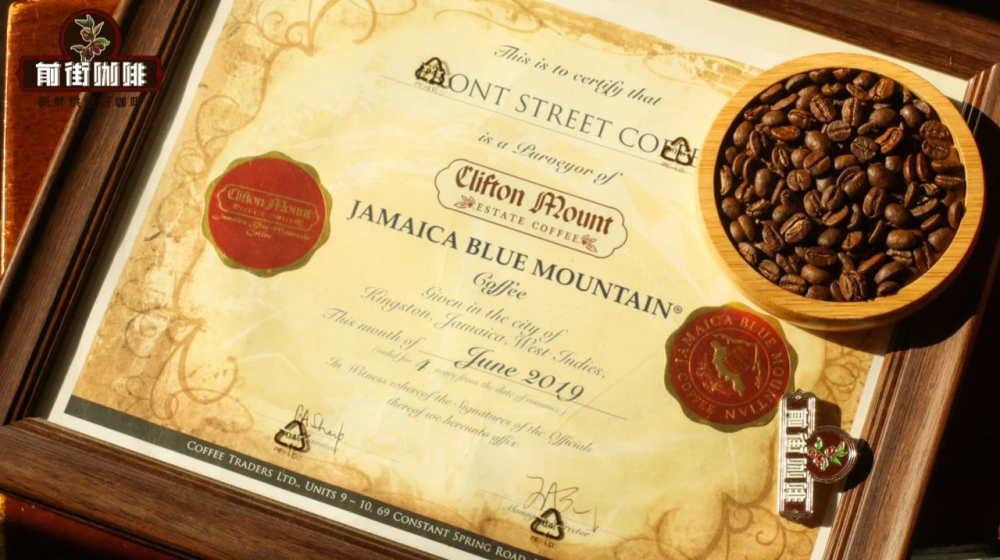
Blue Mountain coffee boasts a rich and layered aroma, a round and full mouthfeel, and a well-balanced interplay of acidity, sweetness, and bitterness, with almost no noticeable harshness—only a delicate and soft acidity. This is also a key reason why it ranks among the most expensive coffees in the world. However, due to its prestigious reputation, the market is flooded with imitations. How to distinguish genuine Blue Mountain coffee has become a major concern for consumers.
First, observe the appearance of the green beans: authentic Blue Mountain green beans are uniformly light green, medium to small in size, with slightly upturned ends, and they visibly expand after roasting, appearing plump and firm. Second, when grinding by hand with a burr grinder, the high-altitude cultivation results in looser cell structure, offering a smooth and unobstructed feel during grinding. Third, genuine Blue Mountain coffee emits a rich and robust aroma, distinctly different from commonly available commercial blends. Finally, in terms of taste, true Blue Mountain coffee offers an extremely balanced flavor, where acidity, sweetness, and bitterness complement each other without any single element standing out—this is the most crucial identifying criterion.
It’s worth noting that not all coffee grown in the Blue Mountain region qualifies as “Blue Mountain coffee.” According to standards set by Jamaica’s official body, the CIB, only coffee beans grown at elevations above 1,000 meters can be certified as Jamaican Blue Mountain coffee; those grown below 1,000 meters are classified as “High Mountain Coffee.” Though slightly inferior in quality compared to Blue Mountain, they are still considered high-grade and are often regarded as the “cousin variety” of Blue Mountain.
The rarity of Blue Mountain coffee is not only due to stringent geographic and altitude restrictions but also its extremely limited production. In the past, up to 90% of the world’s Blue Mountain coffee was purchased by Japanese buyers, with the remainder distributed globally, making supply consistently unable to meet demand. Currently, annual production of Blue Mountain coffee is only about 40,000 bags—a stark contrast to the tens of millions of bags produced annually by Brazil, the world’s largest coffee producer.
The history of Jamaican Blue Mountain coffee dates back to around 1728, when the directive from French King Louis XV led to the formal establishment of coffee cultivation in the region. Subsequently, in the 1920s, then-Governor Sir Nicholas Lawes introduced Arabica seeds from Martinique and promoted their cultivation in the Saint Andrew area. The main variety of Blue Mountain coffee today is Typica, one of the oldest known Arabica varieties, originally discovered in Ethiopia, and renowned for its elegant flavor and consistent performance.
Traditionally, Blue Mountain coffee has been primarily processed using the washed method to fully preserve the beans’ original flavor characteristics. However, in recent years, influenced by sun-dried coffees such as Ethiopian Yirgacheffe and Panamanian Geisha, some estates—including Clifton—have begun experimenting with the natural (sun-dried) processing method for Blue Mountain coffee. Despite significant challenges, they remain committed to expanding flavor diversity. Next, we’ll take Clifton Estate’s Blue Mountain coffee as an example to examine the flavor differences between washed and sun-dried processing.
Clifton Estate is the oldest and highest-altitude single-origin Blue Mountain coffee estate in the region, and the only Blue Mountain coffee producer in the area to have earned Rainforest Alliance certification. This estate began cultivating coffee as early as the mid-18th century, and its geographical location and climatic conditions provide an ideal environment for producing top-tier Blue Mountain coffee.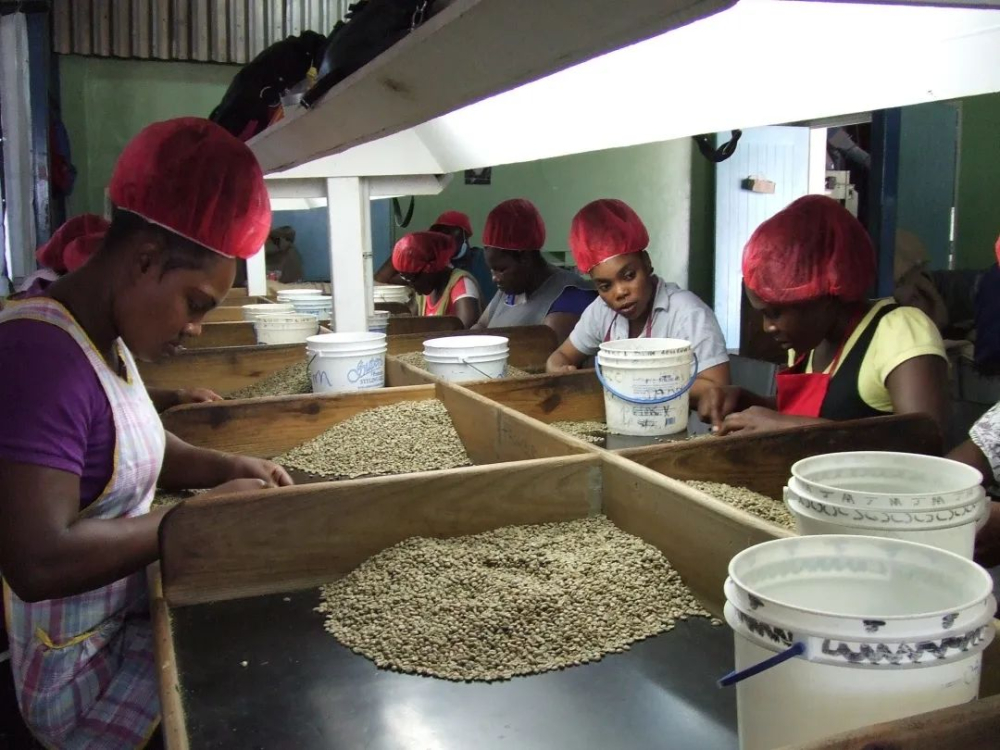
Rainforest Alliance certification follows very strict standards, aiming to promote sustainable agriculture, environmental protection, and social responsibility. Certification requirements include reducing water pollution, minimizing chemical inputs, protecting wildlife habitats, improving farmer income and working conditions, and emphasizing efficient and transparent farm management. These rigorous criteria are also one of the key reasons why Clifton Estate stands out and has become a representative of Blue Mountain coffee.
Take Clifton Estate’s washed Blue Mountain coffee as an example: grown at an altitude of 1,310 meters, the Typica variety undergoes washed processing to deliver a pronounced brown sugar sweetness and berry-like acidity, with nutty and cocoa notes emerging in the mid-to-late stages. The mouthfeel is silky and creamy, with a mellow finish that lingers with a gentle walnut aroma. The overall flavor profile is distinct, layered, and harmonious.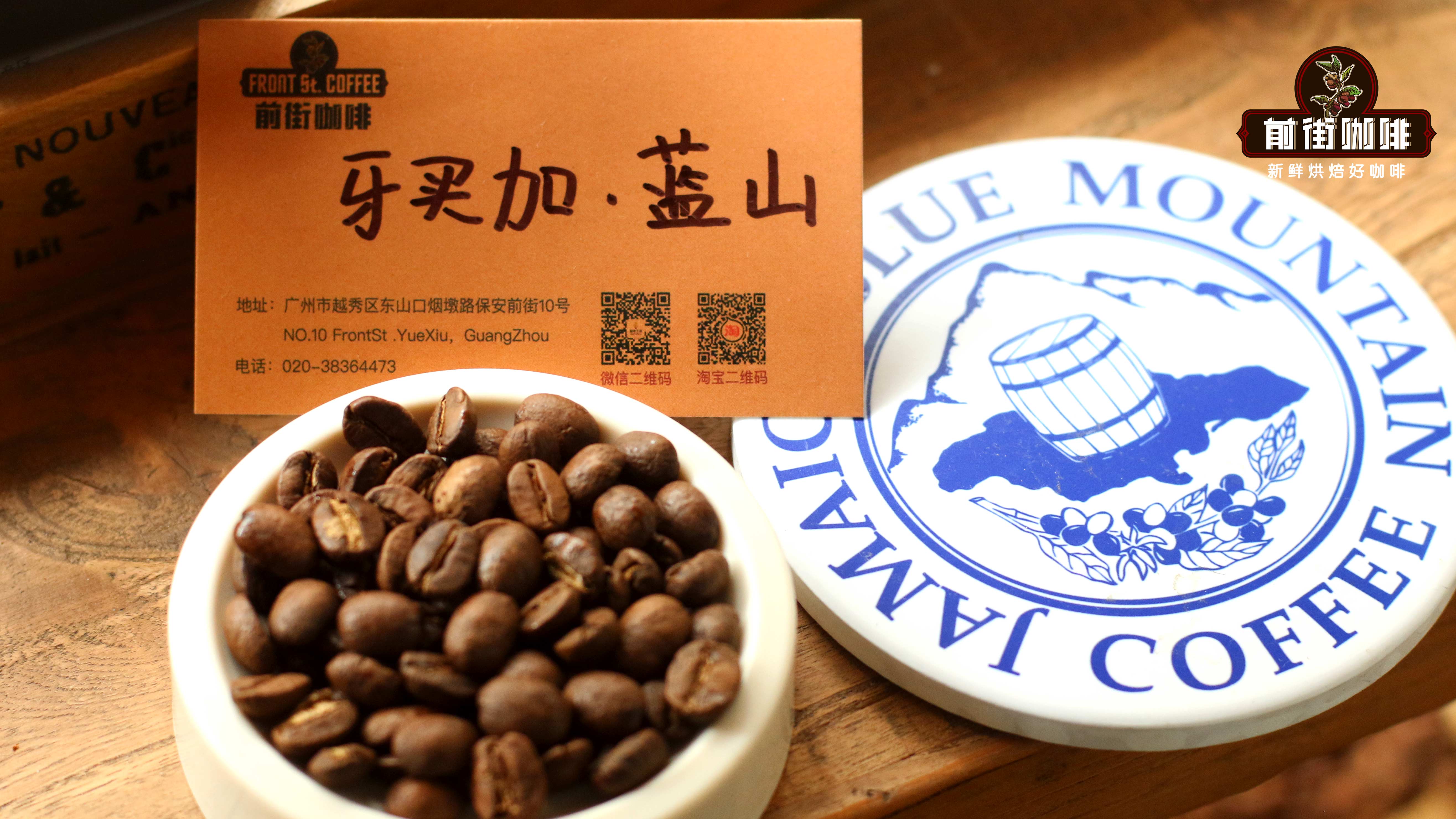
The steps of washed processing include: first using a pulper to remove most of the fruit pulp from the coffee cherry, then soaking the parchment-covered beans in water tanks for fermentation to break down residual mucilage. After fermentation, the beans are thoroughly rinsed with clean water, then spread on drying beds with the mucilage still attached. The moisture content is controlled to 12% before storage, and the final layer of parchment is removed prior to export. This method preserves the beans’ pure flavor and delicate texture to the greatest extent possible.
In summary, Jamaican Blue Mountain coffee is not only precious because of its scarcity, but also due to its exceptional growing environment, stringent quality control standards, and exquisite processing techniques, which have established its legendary status in the global coffee landscape. By understanding its history, origin, varieties, certifications, and processing methods, consumers can more confidently identify authenticity and savor the true essence of Blue Mountain coffee.
So the next time you see “Jamaican Blue Mountain coffee” at a specialty coffee shop, recall the identification tips and flavor characteristics mentioned in this article—your tasting experience will allow you to better appreciate its unique charm.
The above content is compiled by CoffeeHunters, a coffee news website.


