







Introduction:Indonesian coffee is renowned for its full body, low acidity, and unique herbal and dark chocolate notes, making it one of the must-try origins for specialty coffee enthusiasts worldwide. This article will take you on an in-depth journey through the history of Indonesian coffee—from its introduction during the Dutch colonial period and the rise of Robusta after the leaf rust epidemic—to exploring the characteristics of its three core regions: Sumatra, Java, and Sulawesi. We’ll also delve into how the wet-hulling process shapes its distinctive flavor profile. Additionally, we’ll break down the unique flavor wheels and practical pour-over parameters for Mandheling, Kopi Luwak, and Java coffee, helping you master comprehensive knowledge from bean selection to brewing.
Indonesia is a major global coffee producer, widely praised for its bold flavors and low acidity, often accompanied by sweet notes of caramel and dark chocolate, along with a lingering aftertaste. It enjoys high popularity not only in the Asian market but is especially favored by Japanese consumers. As one of Asia’s key coffee-producing regions, Indonesia holds a significant place in the global market. Next, we’ll take a closer look at the development trajectory, regional characteristics, and processing techniques of Indonesian coffee.
The Historical Evolution of Indonesian Coffee
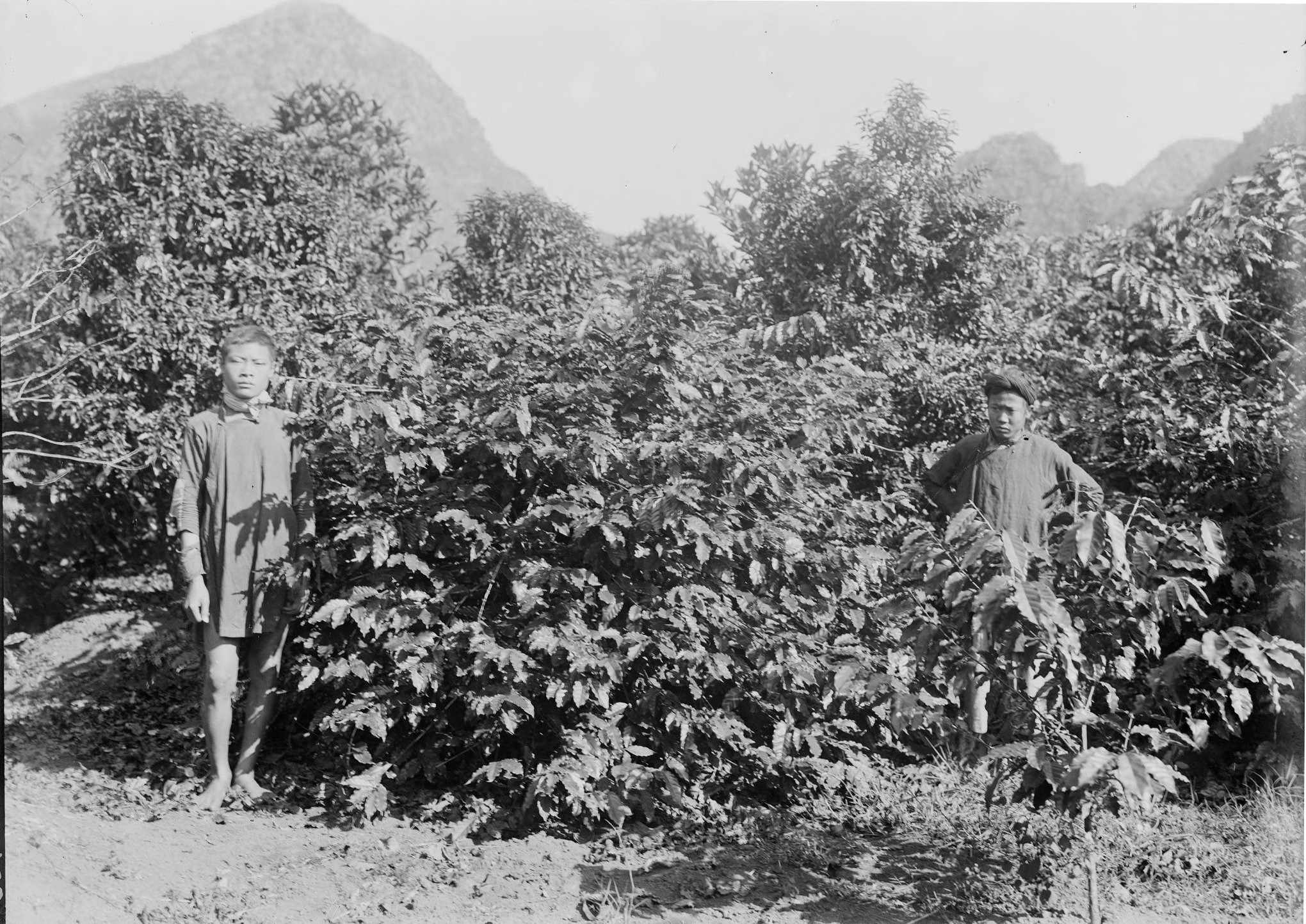
The history of coffee cultivation in Indonesia dates back to 1696, when the Dutch first introduced coffee to the region. After initial successful plantings on the island of Java, cultivation gradually expanded. However, by 1877, the coffee leaf rust disease—a highly destructive fungal disease particularly harmful to Arabica varieties—ravaged the region, nearly wiping out all Arabica coffee trees. Due to Arabica’s susceptibility to the disease, Indonesia turned to the more disease-resistant Robusta variety, gradually reviving its coffee industry. Today, Indonesia is one of the world’s largest producers of Robusta, while Arabica accounts for only 6% to 10% of total production, the most representative of which is Mandheling.
Major Producing Regions and Geographic Conditions
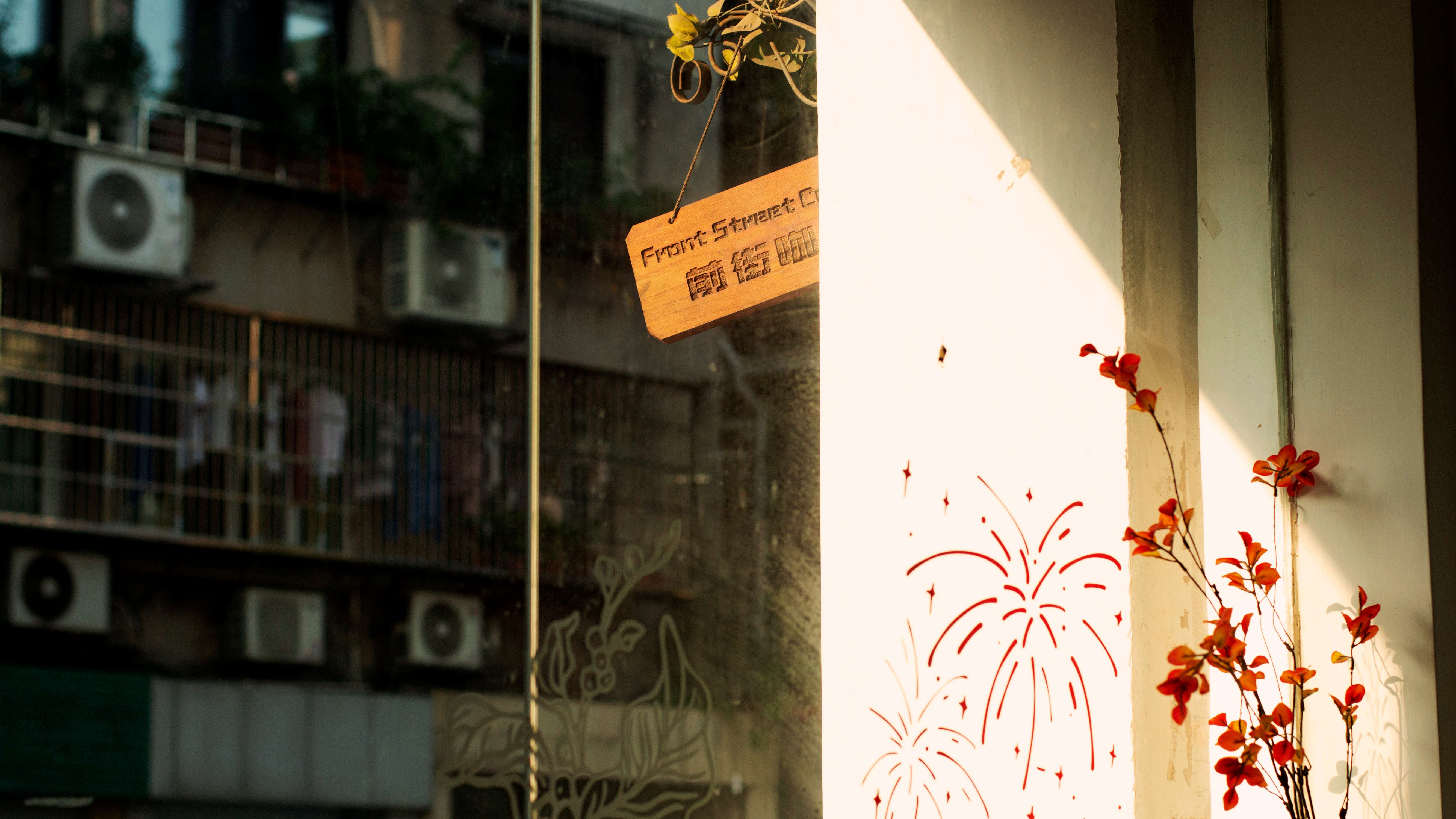
The core coffee-producing regions of Indonesia include Sumatra, Java, and Sulawesi. These three islands not only boast abundant production but also each exhibit distinctly unique flavor profiles. Among them, Java primarily produces Arabica, known for its clean and bright flavors, crisp acidity, and suitability for those who enjoy fruity and refreshing profiles. Sumatra, on the other hand, is famous for its Robusta and Mandheling coffees, often featuring dark roast styles with intense smoky and earthy notes. Sulawesi offers a more distinctive flavor, sometimes showcasing unique layers of spice and herbs.
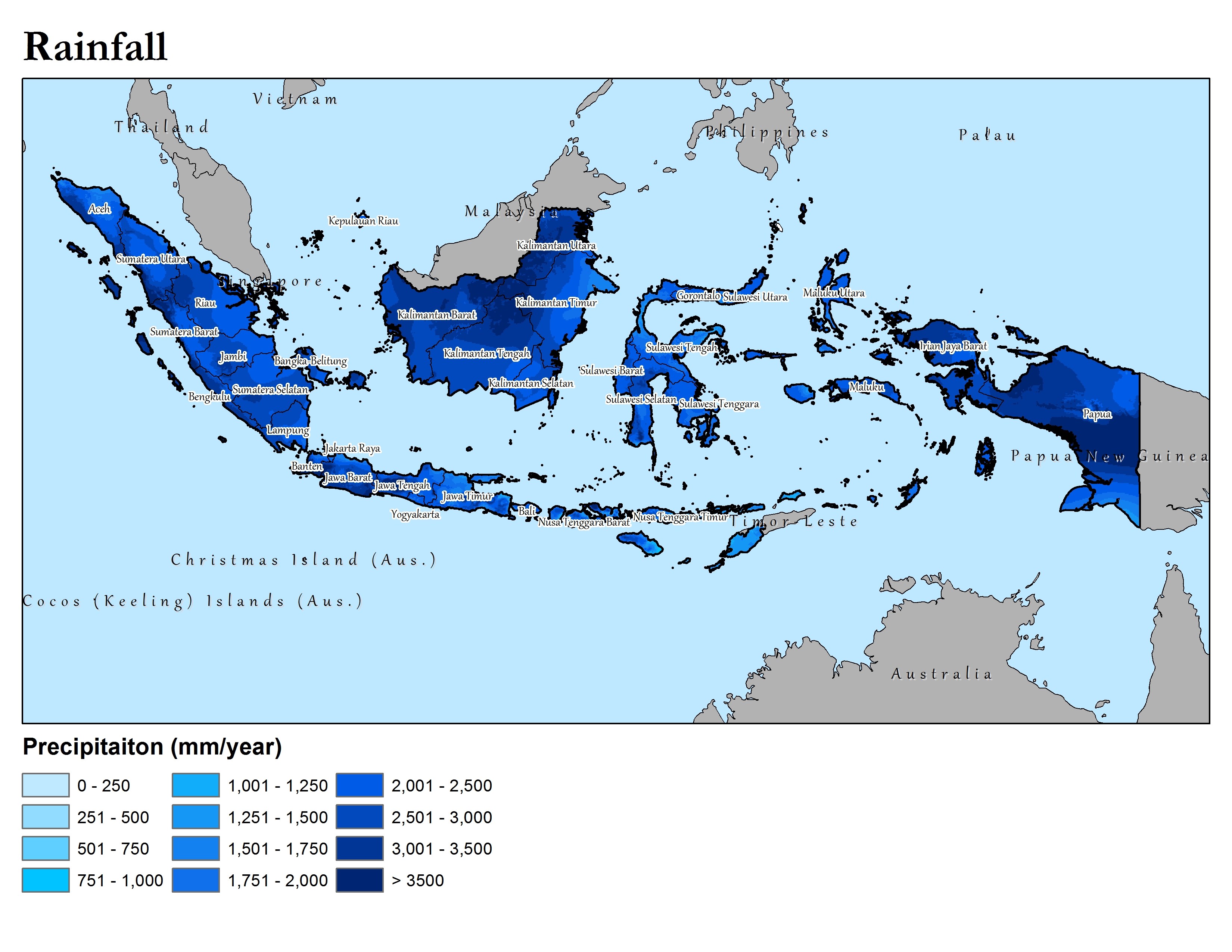
Indonesia has a tropical rainforest climate, characterized by high temperatures and humidity year-round, with average temperatures ranging between 25–27°C and annual rainfall of about 1600–2200 mm. Coffee-growing areas are mostly located in volcanic soil zones at elevations of 900–2100 meters, with the 1200-meter range considered optimal for cultivation. There are two main harvest seasons each year, with the primary season falling between September and October, and the secondary season between May and June.
Varieties and Planting Overview
The main coffee varieties in Indonesia can be divided into three categories: Arabica, Robusta, and Liberica, with over 20 sub-varieties in total. Common ones include Catimor, Tim Tim, Typica, S288, S795, and Sidikalang. The country’s total coffee-growing area exceeds 1 million hectares, accounting for 24% of its arable land, comprising over 2.7 billion coffee trees. Approximately 66% of these are grown in modern plantations, while the rest are scattered across traditional smallholder farms. Notably, over 95% of Indonesia’s coffee is produced by smallholders, many of whom are part of farmer cooperatives that have obtained international organic certifications, offering high-quality organic coffee.
The Wet-Hulling Process and Flavor Formation
The most representative processing method for Indonesian coffee is the so-called “wet-hulling” process (Giling Basah), also internationally referred to as semi-washed or wet-hulled. This method differs significantly from conventional washed or natural processes. After harvesting, the coffee cherries are first depulped, then undergo a brief initial drying phase, reducing the moisture content to around 30%—much higher than the 11–12% typical of washed methods. The parchment layer is then removed, exposing the green beans, which are subsequently subjected to a second, slower drying phase until they reach a safe storage moisture level. This method results in coffee with intense flavors, low acidity, but a strong body and distinctive earthy, spicy, tobacco, or even leather-like undertones.
This processing method is particularly well-suited to the Sumatra region and is a key reason behind the production of renowned coffees such as Mandheling and Ankola. However, because the beans are more susceptible to external environmental influences during processing, stringent quality control is essential.
Sumatra Mandheling: The Classic Among Classics
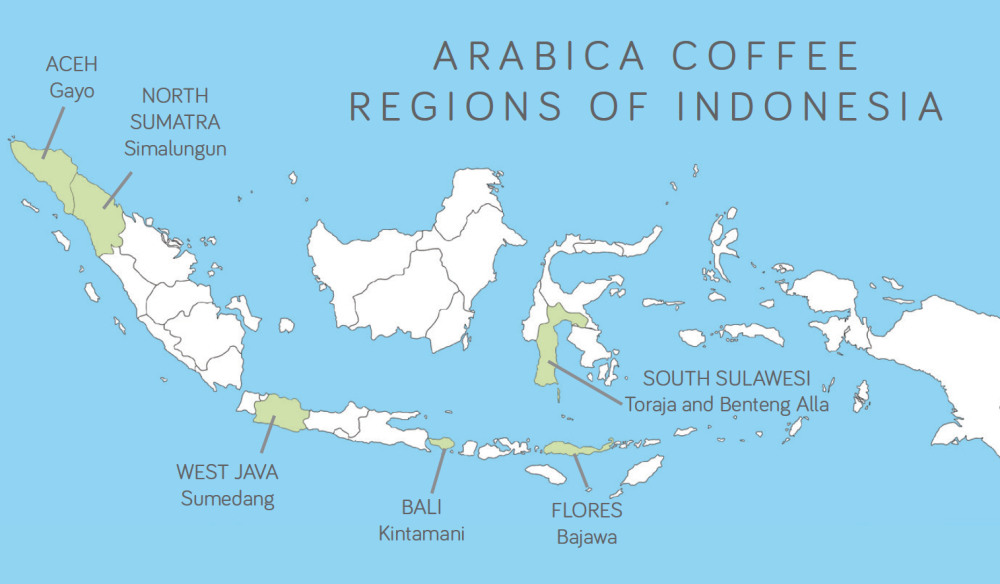
When it comes to Indonesian coffee, Sumatra’s Mandheling cannot be overlooked. Produced in the Lake Toba region of northern Sumatra, Mandheling includes several well-known subtypes, such as Golden Mandheling, Lintong Mandheling, and Aged Mandheling. Lintong Mandheling showcases the most traditional herbal flavors; Golden Mandheling is meticulously sorted, with large and uniform beans, offering cleaner and brighter flavors with prominent sweetness; Aged Mandheling, due to its unique aging process, develops a richer and more complex flavor, though its appeal varies among individuals.
Take Golden Mandheling as an example—it often features aromas of nuts, chocolate, spices, and caramel, with soft acidity and excellent body. It is recommended to use a Kono filter for pour-over brewing; the design of the filter helps extend the contact time between water and coffee grounds, enhancing extraction and body. Suggested parameters are: water temperature 86°C, coffee dosage 15 grams, coffee-to-water ratio 1:15, grind size approximately 11 on the EK43 grinder (medium grind). Brewing can be done using a pulse pouring method: start with 30 grams of water for a 30-second bloom, then pour in a slow stream up to 125 grams for the first pour, followed by additional pouring to 225 grams, with total brew time controlled around 2 minutes.
Kopi Luwak: The Pinnacle of Natural Fermentation
Kopi Luwak (Civet Coffee) is one of the most talked-about types of Indonesian coffee. It is made from coffee beans that have been eaten, fermented in the digestive tract, and excreted by civet cats. Because civets prefer ripe coffee cherries, and the unique enzymes in their digestive fluids alter the protein structure inside the beans, the final flavor exhibits distinctive herbal, nutty, and fermented layers, often accompanied by dark chocolate and a rich mouthfeel.
However, this type of coffee is extremely rare in production and has been the subject of significant ethical controversy regarding animal welfare. Most commercially available products today are primarily made from Robusta beans grown at mid-to-low altitudes. If you wish to try brewing it, you can reference parameters similar to those for Mandheling: water temperature 86°C, coffee dosage 15 grams, coffee-to-water ratio 1:15, medium grind (approximately 11 on the EK43), using a pulse pouring method with a total brew time of about 2 minutes.
Java Coffee: The Epitome of Balance and Elegance
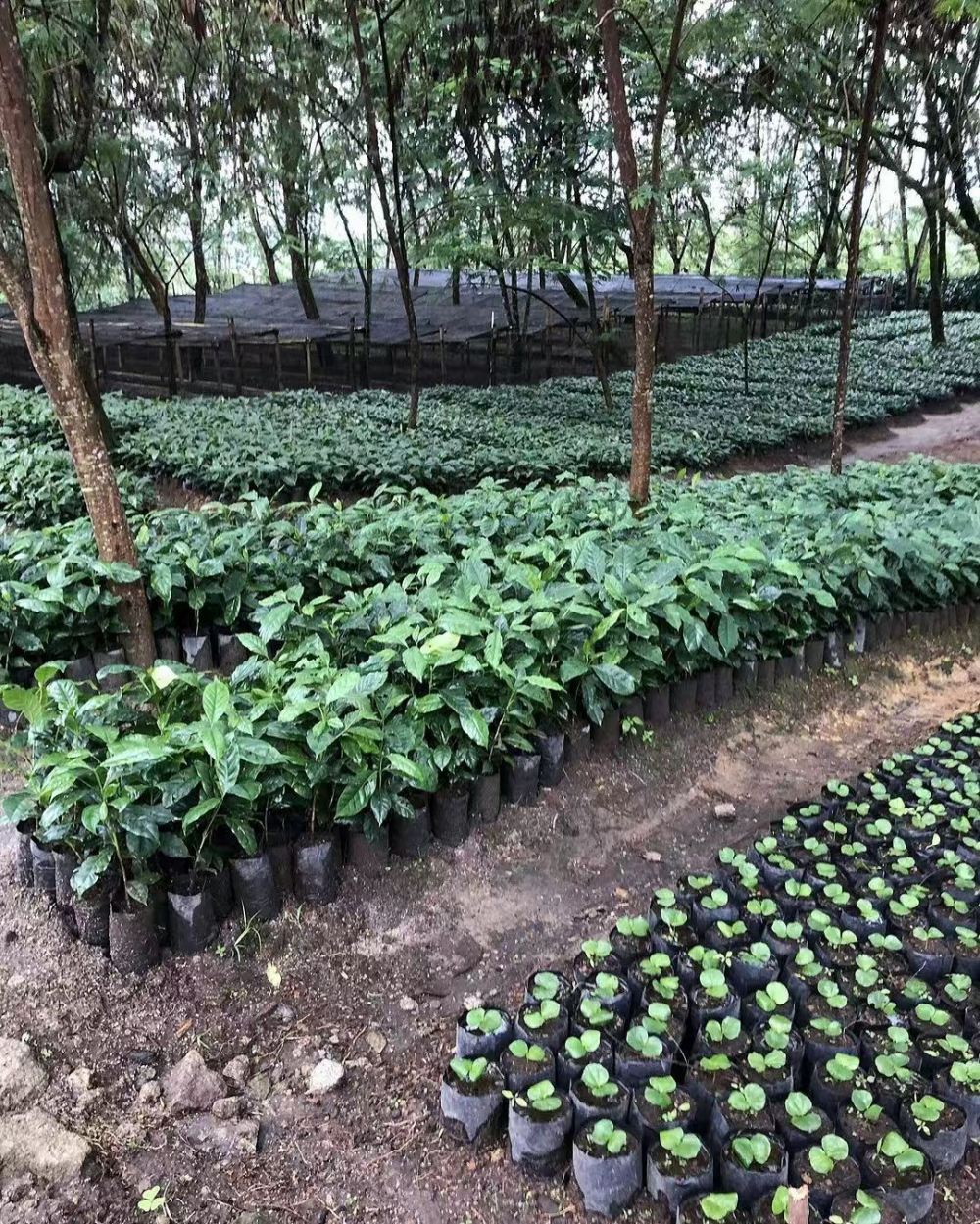
Java Island’s coffee is known for its refined aroma, moderate acidity, and delicate mouthfeel, with an overall well-balanced flavor profile, often featuring fruity notes and gentle sweetness. Most plantations are located in volcanic regions at elevations above 1400 meters, especially in West Java’s state-owned and private estates, where fertile soil and stable climates contribute to their unique terroir expression.
For instance, coffee from West Java often exhibits distinct fruit notes such as mango, red wine, and peach juice, along with complex finish notes of plum and jackfruit, and a clean, sweet aftertaste. It is recommended to use a V60 filter with slightly elevated water temperature (90°C), coffee dosage 15 grams, coffee-to-water ratio 1:15, grind adjusted to medium-fine (approximately 10 on the EK43), using standard pulse pouring, with total brew time controlled at around 2 minutes to fully highlight its freshness and aromatic layers.
The above content is compiled by CoffeeHunters, a coffee news website.


