







Introduction:Although Honduras is not the first choice among major coffee-exporting countries, its unique high-altitude terrain and continuously advancing post-harvest processing techniques have produced high-quality coffee with diverse flavors. This article will delve into the evolution of the country’s coffee industry, the characteristics of its six core producing regions, and the highly acclaimed sherry cask fermentation process, offering insights into how this Central American mountainous region cultivates coffee with both depth and complexity.
On the coffee map of Central America, Honduras may not be as renowned as Brazil or Colombia, but thanks to its exceptional geographical environment and recent industry transformation, it has firmly established itself as a key global coffee supplier. From the introduction of coffee by Spanish traders in the late 18th century, to the establishment of the official body IHCAFE in 1970, and then to surpassing neighboring Costa Rica and Guatemala in production for the first time in 2011, Honduras’ coffee development has not been without challenges, yet it has moved forward steadily.
 In the early days, coffee cultivation in the region was only small-scale and sporadic, gradually taking shape around 1804. However, prolonged political instability severely limited the development potential of the coffee economy. It wasn’t until 1970, when the Honduran government established the specialized agency IHCAFE dedicated to improving coffee quality and expanding international trade, that a turning point for the industry was set. After decades of effort, the country not only achieved breakthroughs in production but also successfully surpassed two traditional powerhouses in 2011, joining the ranks of major global coffee exporters.
Honduras is located in the northern part of Central America, bordering Guatemala and Nicaragua. About three-quarters of the country consists of high-altitude terrain above 1,000 meters, primarily mountainous, stretching from east to west, with the Caribbean Sea to the north and the Pacific Ocean to the south. This terrain, combined with a tropical rainforest climate and an average annual temperature of about 23°C, provides ideal environmental conditions for coffee growth. Due to significant altitude variations, coffee produced in different regions often exhibits unique flavor profiles.
Almost every region in the country is suitable for coffee cultivation, but production is mainly concentrated in six well-known producing areas: Copán, Opalaca, Montecillos, Comayagua, Agalta Tropical, and El Paraíso. These regions, due to differences in altitude, microclimates, and soils, each nurture coffee beans with distinct flavors — from nuts and chocolate to fruit and floral notes, offering a rich variety.
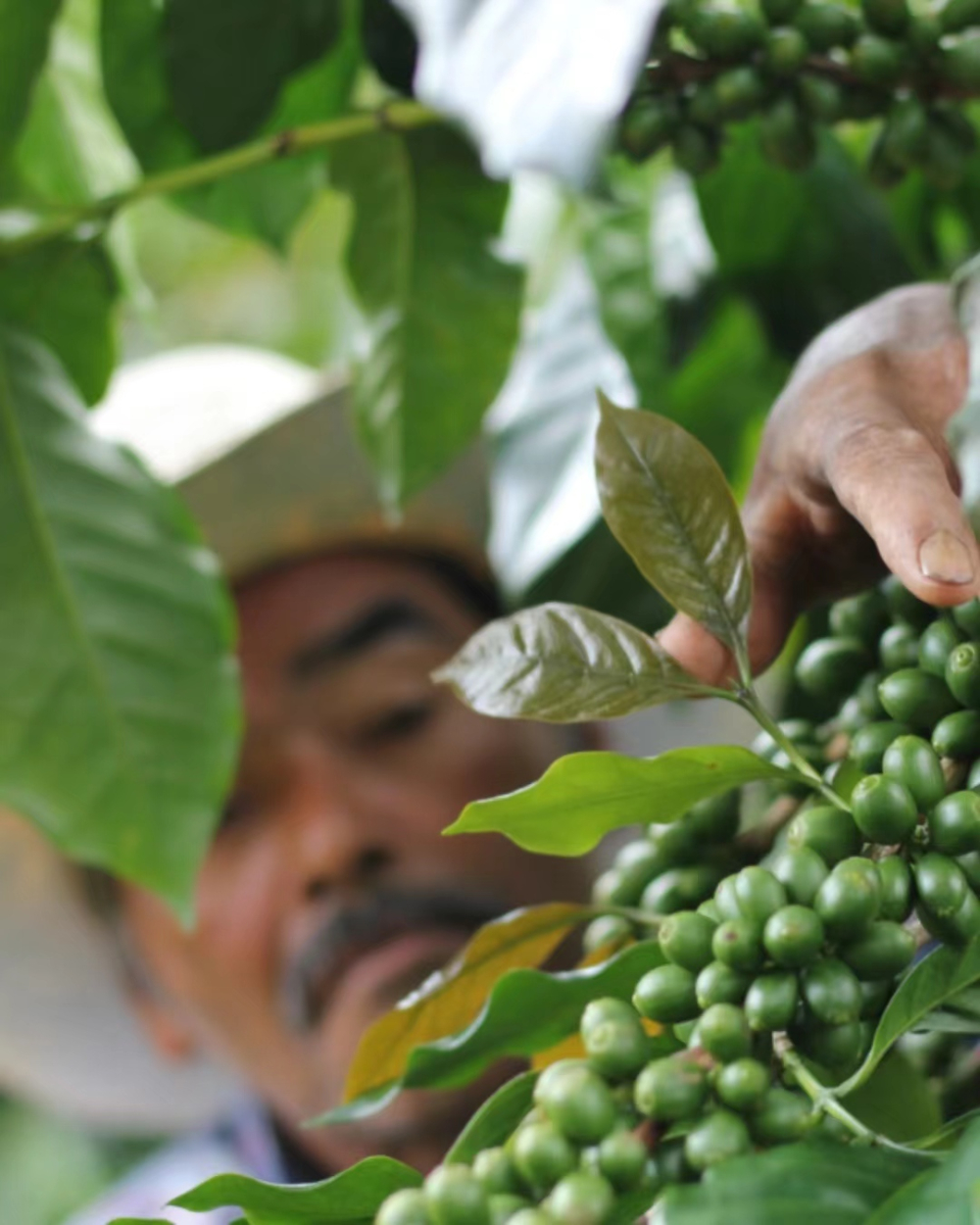
Currently, Honduras has approximately 280,000 hectares of coffee plantations, the vast majority of which are smallholder farms smaller than 3.5 hectares. These small farms collectively contribute about 60% of the country’s total coffee output. Due to geographical and economic constraints, harvesting is still mainly done manually, especially in high-altitude steep slope areas where mechanization is nearly impossible. The income from selling fresh coffee cherries is often the lifeline of many impoverished families for the entire year. However, outdated transportation infrastructure and high transport costs have long limited the international competitiveness of the country’s coffee. Even with growing conditions comparable to those of Guatemala, its full potential remains untapped.
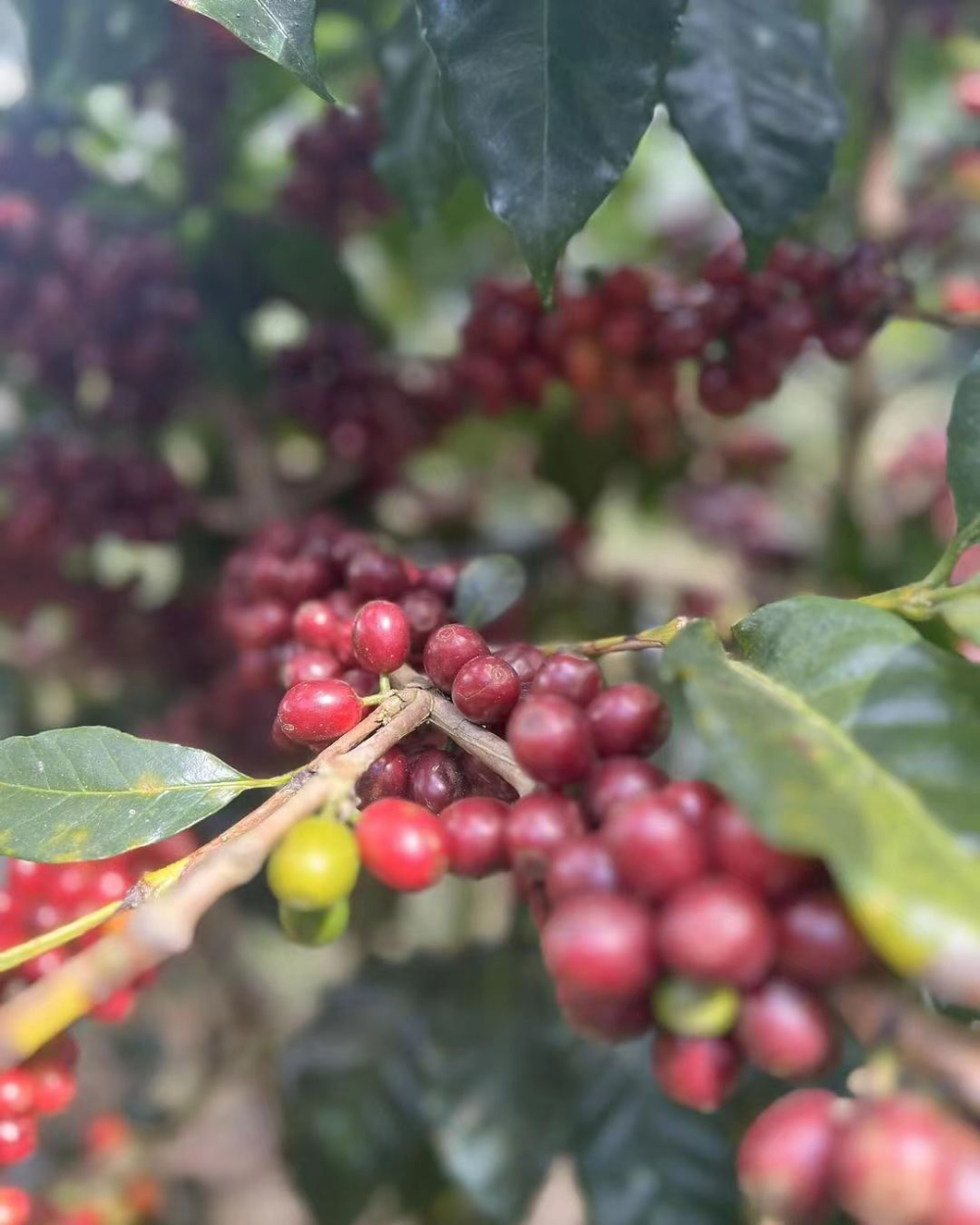
With the rise of the global specialty coffee trend, Honduras’ coffee processing techniques have also undergone innovation. Traditionally dominated by washed processing, in recent years, local green bean processing mills and farmers have begun exploring diverse methods such as natural and honey processing, further developing special processing techniques aimed at enhancing the complexity and market value of coffee flavors. These innovations have not only enriched the flavor profiles of the coffee but have also gradually drawn the attention of international buyers, with flavor notes ranging from nuts, vanilla, cream, chocolate to spices — distinct and layered.
Among these, the most talked-about is undoubtedly the “sherry cask fermentation method” — a processing approach inspired by wine-making, capable of imparting a rich flavor with notes of whiskey and vanilla. In the processing procedure, harvested coffee cherries first undergo washed processing to remove unripe floaters, keeping only the plump, ripe fruits. Then, specialized machinery is used to remove the outer skin and most of the pulp, leaving the beans covered with a sticky layer of mucilage, which is then placed in a fermentation tank for 16 to 36 hours of microbial fermentation to break down the mucilage layer. After fermentation, the beans are thoroughly rinsed with clean water and finally dried to reach the target moisture content.
The key to sherry cask fermentation lies in the subsequent storage phase: the washed and processed green beans are placed in wooden barrels previously used for aging sherry for maturation. The wooden structure of the barrels allows trace amounts of oxygen to permeate, prompting slow oxidation of the coffee beans, thereby developing more complex fermented aromas. Additionally, the residual trace amounts of tannic acid within the barrels also seep into the beans, adding a rich winey character and smooth mouthfeel, creating a truly distinctive flavor experience.
The above content is compiled by CoffeeHunters, a coffee news website.


