







Introduction:Sumatran Mandheling coffee is renowned for its full body and low acidity, with its unique wet-hulled processing method creating rich spice and chocolate notes. This article delves into the differences between Lintong Mandheling and PWN Golden Mandheling, covering aspects such as growing altitude, green bean grade, and roasting recommendations to help you choose the right pour over beans based on your taste preferences, as well as master key brewing parameters.
As Indonesia’s most representative coffee-growing region, the areas around Lake Toba and Lake Towuti in Sumatra produce Mandheling coffee known for its bold flavor and low acidity, securing a place in the global specialty coffee market. Although Indonesia primarily produces Robusta, Arabica beans from Sumatra are historically referred to as “Mandheling.” The name originated from a WWII-era misunderstanding between Japanese soldiers and the local Mandheling tribe, and it has since become synonymous with coffee from this region.
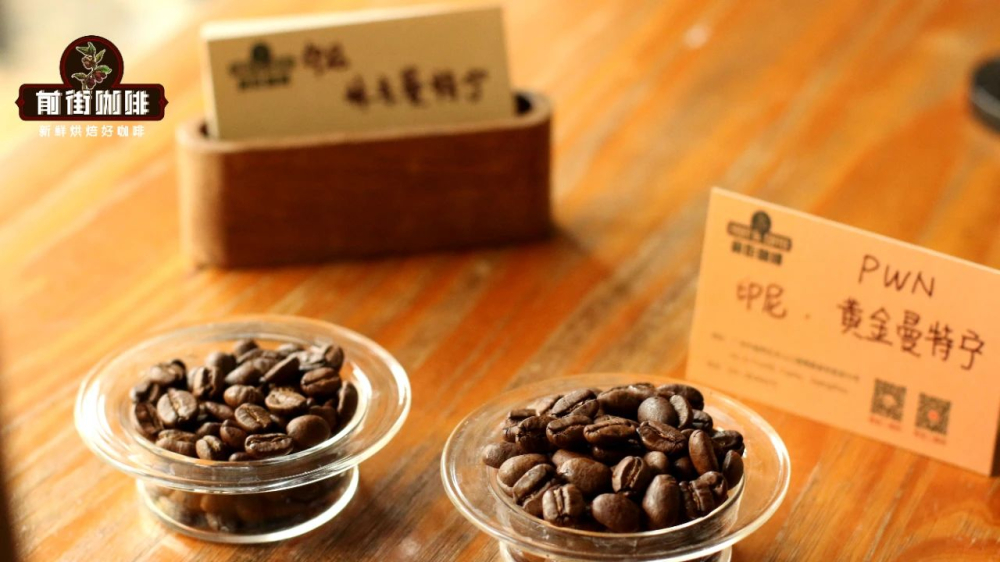
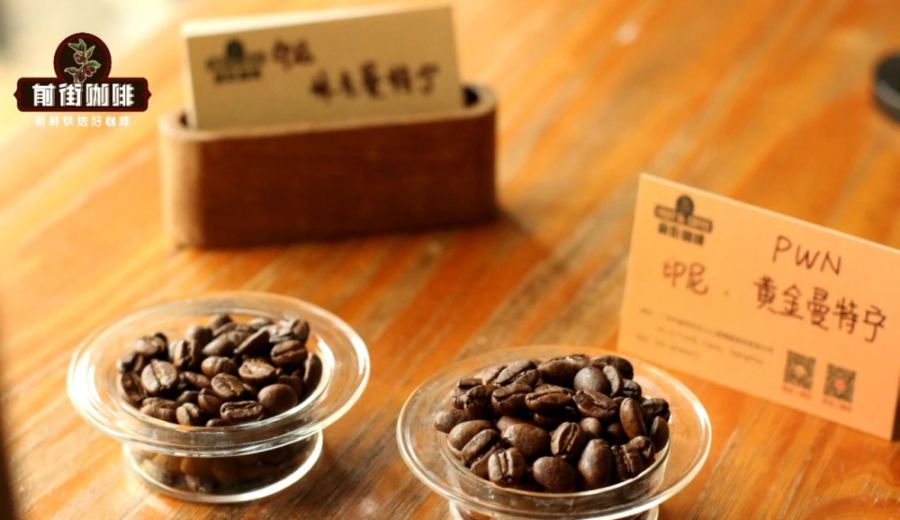
Mandheling coffee comes in various classifications, often distinguished by growing region, processing mill, and production method. Among them, Lintong Mandheling is considered an everyday drinking grade, valued for its high cost-performance ratio; whereas PWN Golden Mandheling, launched by the PWN company, represents the premium grade and undergoes strict selection. Both types use Indonesia’s unique wet-hulling process, where the parchment layer is removed while the beans are still relatively high in moisture, accelerating the drying process and resulting in a distinctive bold flavor and low acidity.
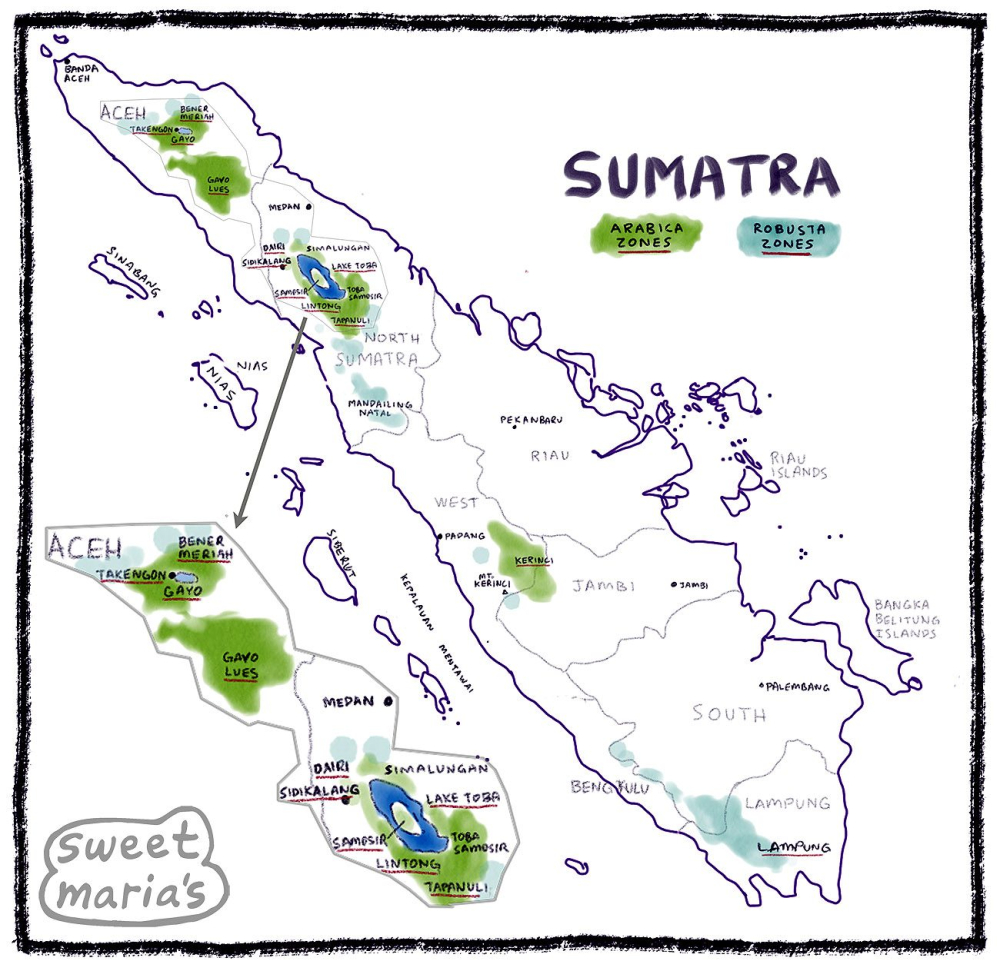
Lintong Mandheling is grown in the mountainous Lintong region of northern Sumatra, located southwest of Lake Toba, at elevations between 1,100 and 1,600 meters. The area features fertile volcanic soil and a humid climate, providing an ideal environment for coffee trees. Due to frequent rainfall, sun-drying is challenging, leading to the development of the wet-hulled method—after removing the fruit pulp and fermenting, the beans are dried with their parchment layer for only a short period until they reach 20%-24% moisture content. They are then partially dried and the outer layer is removed before the drying process is completed. This method preserves rich flavors of spice, nut, and chocolate, with noticeably lower acidity, making it suitable for those who enjoy a bold cup.
The offered Lintong Mandheling is classified as G1 grade, with the main variety being Ateng TimTim. Although not handpicked, which may lead to slightly less consistent flavor, it fully showcases the typical characteristics of Sumatran coffee and is an ideal choice for beginners to experience the charm of wet-hulling. For pour over, it is recommended to use a medium-coarse grind, with water temperature controlled at 90-92°C and a brew ratio of 1:15, which highlights its nutty and caramel aftertaste.
For those seeking higher quality, PWN Golden Mandheling is the top choice. The PWN company is dedicated to sourcing top-tier green beans from the highland regions around Mount Gayo and Lake Towuti in northwestern Sumatra, selecting only G1 grade beans that have passed four rounds of manual sorting—ensuring each bean is above 18 mesh and that there are fewer than three defects in a 300g sample. This rigorous process results in a cleaner, brighter flavor profile for Golden Mandheling, with significantly enhanced sweetness and body, along with delicate herbal and spice notes.
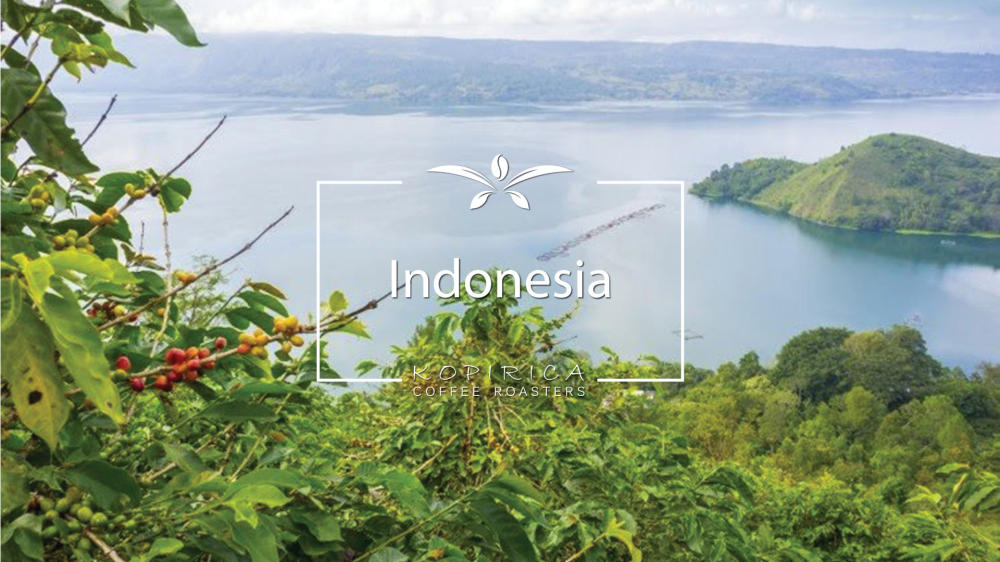
PWN Golden Mandheling also uses the Ateng variety and is processed via wet-hulling, but because the beans come from the high-altitude Lake Towuti area and undergo multiple rounds of selection, its flavor profile is more refined compared to Lintong Mandheling, making it suitable for coffee enthusiasts who prefer a balanced cup. For pour over, it is recommended to use a medium-fine grind, slightly lower water temperature of 88-90°C, and a longer blooming time to help bring out its rich layers of caramel and nuts.
In summary, Lintong Mandheling offers classic, bold Sumatran flavors at an affordable price, making it ideal for daily consumption; whereas PWN Golden Mandheling, through its rigorous selection process, delivers a more refined and nuanced experience. Both are centered around the wet-hulled processing method, with differences mainly lying in microclimate, selection standards, and final flavor complexity. Consumers can choose the Mandheling coffee experience that best suits their budget and taste preferences.
The above content is compiled by CoffeeHunters, a coffee news website.


