







Introduction:Mandheling coffee has carved out its own niche in a market dominated by bright, fruity, and acidic profiles thanks to its unique bold bitterness and herbal aroma. This article will take you on an in-depth journey through the cultivation history of Sumatran Mandheling, the characteristics of its representative processing method—wet hulling—as well as the selection process and tasting highlights of high-quality Golden Mandheling. Additionally, practical pour over brewing tips for medium-dark roasted Mandheling are provided to help you fully experience the layered flavors and lingering finish of this classic coffee.
Among the many coffee varieties celebrated for their bright acidity and floral-fruity notes, Sumatran Mandheling stands out with its low acidity, rich body, and distinctive herbal and spicy undertones, attracting a dedicated following. This Indonesian-origin coffee not only carries the heritage of regional cultivation culture but also owes its unique flavor profile to its distinctive post-harvest processing techniques. Starting from its cultivation origins, this article will delve into the intricacies of the wet hulling process, introduce how premium Golden Mandheling is rigorously selected, and finally offer practical pour over brewing advice so you can personally experience its boldness nuanced with delicate subtleties.
As the world’s second-largest coffee producer, Indonesia’s coffee-growing history dates back to the late 17th century. Dutch colonists introduced coffee to Java, which was later gradually expanded to Sumatra. However, by the 19th century, Indonesia’s coffee trees suffered massive yield reductions due to coffee leaf rust, prompting a shift to more disease-resistant varieties such as Robusta, as well as Tim Tim and Ateng, which have Robusta lineage. These varieties gradually adapted to Sumatra’s unique hot and humid climate—not only exhibiting strong disease resistance and stable yields but also imparting the herbaceous, earthy, and mildly spicy notes that form the foundation of today’s Mandheling flavor. The Indonesian Mandheling listed in the bean menu consists primarily of these two varieties.
When it comes to Mandheling, one cannot overlook its most iconic processing method—wet hulling. Situated near the equator, Indonesia experiences high temperatures and humidity year-round, posing significant challenges to the drying process of green coffee beans. Traditional sun-drying or washed processing methods are time-consuming and risky in this environment, leading to the development of wet hulling, an innovative technique tailored to local conditions.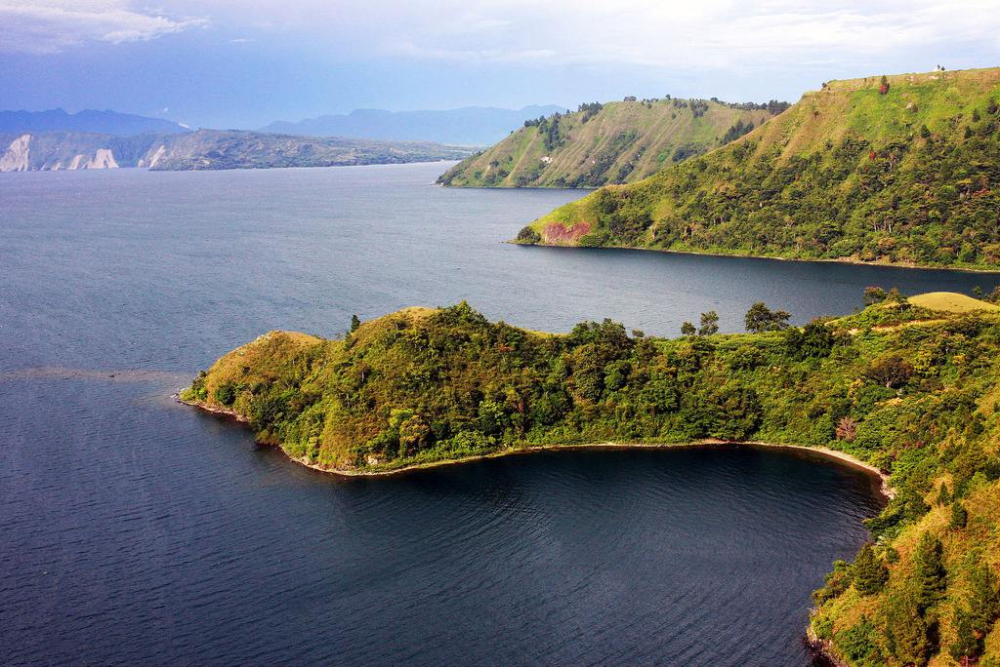 This method begins with floatation to remove unripe beans, followed by machine removal of the fruit skin. The remaining mucilage layer is then fermented overnight and rinsed with clean water to facilitate easy removal. The parchment-covered beans are subsequently sun-dried to an initial moisture content of about 30–50%, at which point the beans are semi-dry. A specialized machine is then used to remove the still slightly hard parchment layer. Finally, the hulled beans undergo an additional two days or so of drying until the overall moisture content drops to around 12%. Due to the compressed fermentation and drying times, coupled with the ongoing influence of high temperature and humidity, Mandheling develops its signature muted herbal, earthy, and pine-like tones, which become the key characteristics distinguishing it from coffees of other regions.
However, while wet hulling gives Mandheling its unique flavor, it also presents certain challenges. During processing, the parchment layer is forcibly removed before it is fully dry, making the beans prone to compression and deformation—especially during subsequent sun-drying stages when uneven pressure can cause some beans to develop hoof-like cracks, commonly referred to as “hoof beans.” Though not considered defects, these beans are visually unappealing. To enhance overall quality and appearance consistency, the renowned Indonesian green bean trader PWN has established strict selection standards: first, mechanical screening ensures bean size of 18 mesh or above, followed by three rounds of manual sorting to eliminate irregular, damaged, or visibly flawed beans, ultimately retaining only those with intact appearance and superior quality. These meticulously selected Mandheling beans are said to emit a metallic sheen under light, hence earning the name “Golden Mandheling.” It should be noted that PWN has registered the name “Golden Mandheling” as a trademark, so buyers are advised to verify the source to ensure quality.
The multi-layered quality control behind Golden Mandheling not only ensures more consistent appearance but also results in superior cupping performance. Its flavor profile is clear with minimal off-notes, and both aroma and sweetness are more pronounced compared to regular Mandheling. In terms of roast level, medium-dark roasting can fully highlight Mandheling’s bold character while preserving some of the delicate herbal and spicy layers, along with subtle acidity, resulting in a more three-dimensional flavor. Practical roasting and cupping have found that medium-dark roasted Mandheling beans retain a significant amount of carbon dioxide after roasting, requiring a period of “resting” or “degassing” before the flavors stabilize and reach their optimal expression. While light roasts typically need 4–7 days, medium-dark roasts are recommended to rest for 7–10 days, allowing the peak gas release period to pass before aroma and extraction performance reach their ideal state. Therefore, consumers are advised to choose freshly roasted products (typically within 5 days post-roast) to enjoy the most vibrant flavor expression.
If you prefer a pure black coffee experience, Golden Mandheling is an excellent choice for pour over brewing. Below are the commonly used pour over parameters in our shop for your reference and practice:It is recommended to control the water temperature between 87–88°C, use a medium-coarse grind (approximately 70% passing rate through a Chinese standard 20-mesh sieve), with about 15 grams of coffee grounds, a 1:15 coffee-to-water ratio, and employ a three-pour brewing method.
The steps are as follows: First, pour approximately double the weight of the coffee grounds in hot water (about 30 grams) for the bloom, allowing the coffee grounds to fully expand for 30 seconds; next, pour water in small streams in a circular motion from the inside out until the total water volume reaches 125 grams, then pause to allow the coffee bed to slightly settle; once the coffee bed descends to the middle of the filter, pour again with a steady, fine stream until the total water volume reaches 225 grams, with the entire extraction time being around 2 minutes. After completion, gently swirl the coffee liquid before enjoying.
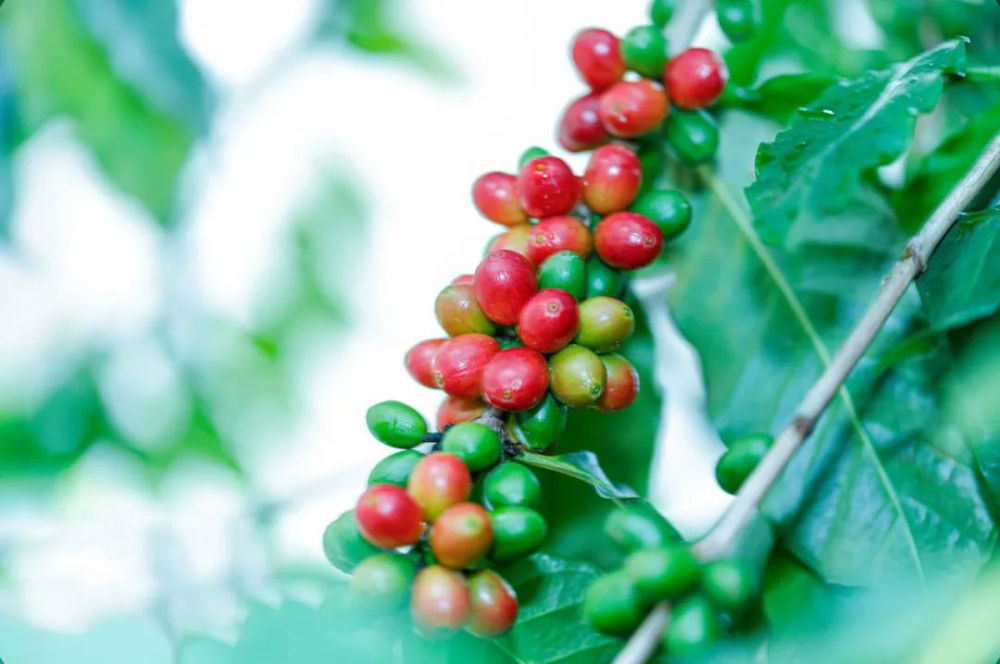
Golden Mandheling brewed with these parameters delivers a rich and balanced flavor profile: the entrance is bold and full-bodied, featuring prominent notes of nuts, caramel, and dark chocolate, with delicate herbal and spicy nuances weaving throughout. The finish leaves a long, clean, and sweet aftertaste. Overall, the performance is both robust and detailed, making it an exceptional choice for experiencing the essence of Sumatran Mandheling.
The above content is compiled by CoffeeHunters, a coffee news website.


