







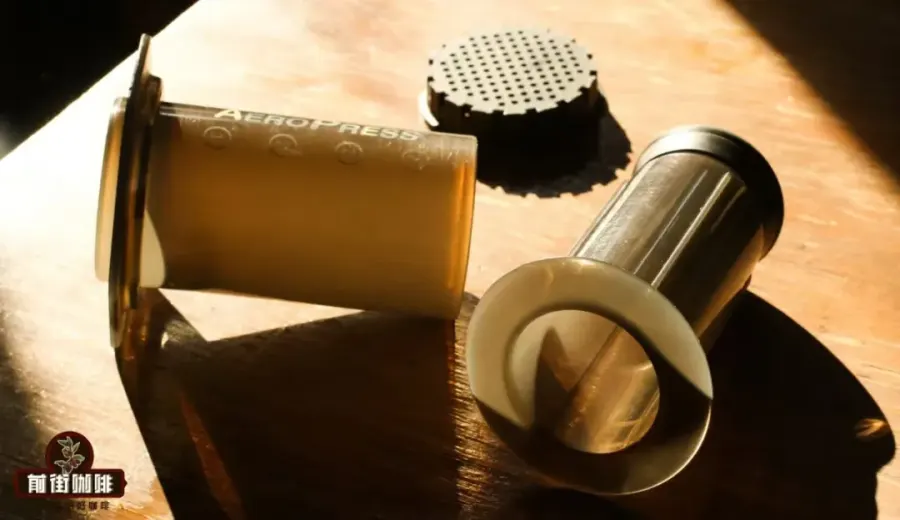
Introduction:As a coffee brewing device that is both flexible to operate and easy to get started with, the AeroPress offers two mainstream extraction methods: positive pressure and reverse pressure. Although the official recommendation is to use positive pressure, many coffee enthusiasts prefer the reverse pressure method, and the reason behind this preference is closely related to flavor performance. This article provides an in-depth comparison of the operational procedures, extraction times, and flavor characteristics of positive and reverse pressure through practical testing, and further explores the differences in principle and usage scenarios between the AeroPress and the French press, helping you find the extraction method that suits you best.
The AeroPress is a coffee brewing device that combines ease of use with versatile brewing possibilities. Its design was originally intended to simplify the traditionally complicated steps of brewing. Users simply need to assemble the parts, add coffee grounds and hot water, then perform appropriate steeping and pressing to quickly extract coffee with concentrated flavors. The official recommendation is to brew using the positive pressure method. However, within the AeroPress user community, the reverse pressure technique is more popular. What exactly are the differences between positive and reverse pressure? Which one can better showcase the potential of the coffee? This article will conduct an experiment to deeply compare the two in terms of operation, time, and flavor.
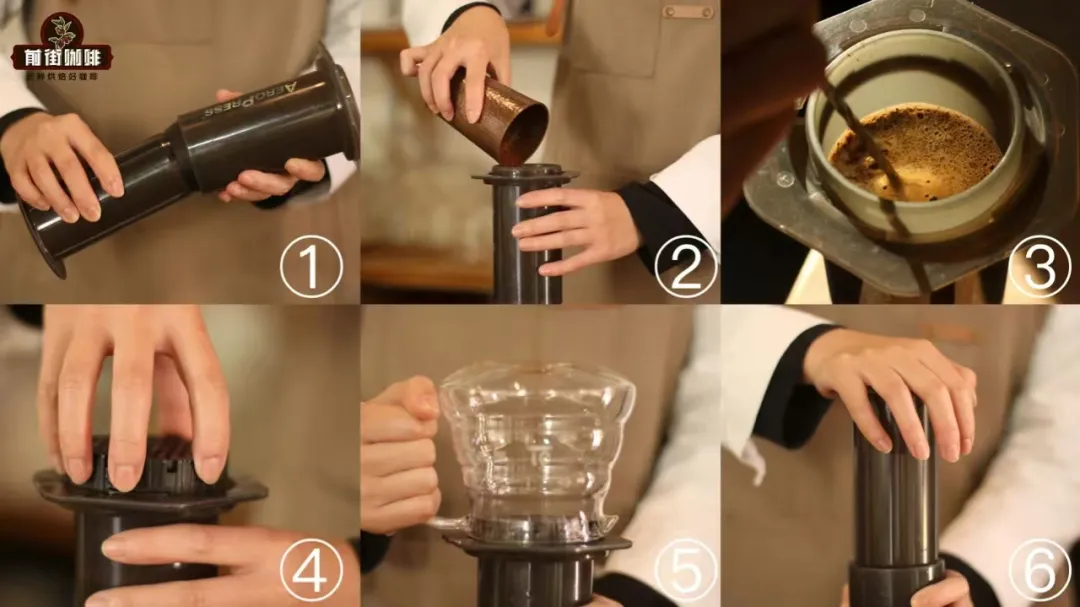
Positive pressure refers to placing the AeroPress with the filter facing downward, in the normal orientation on the cup for extraction; whereas reverse pressure involves turning the entire device upside down, with the filter facing upward and the plunger at the bottom. After steeping, the device is flipped to press the coffee. Although the overall process is similar, reverse pressure often delivers superior stability and flavor release due to the extra steps of inversion and flipping.
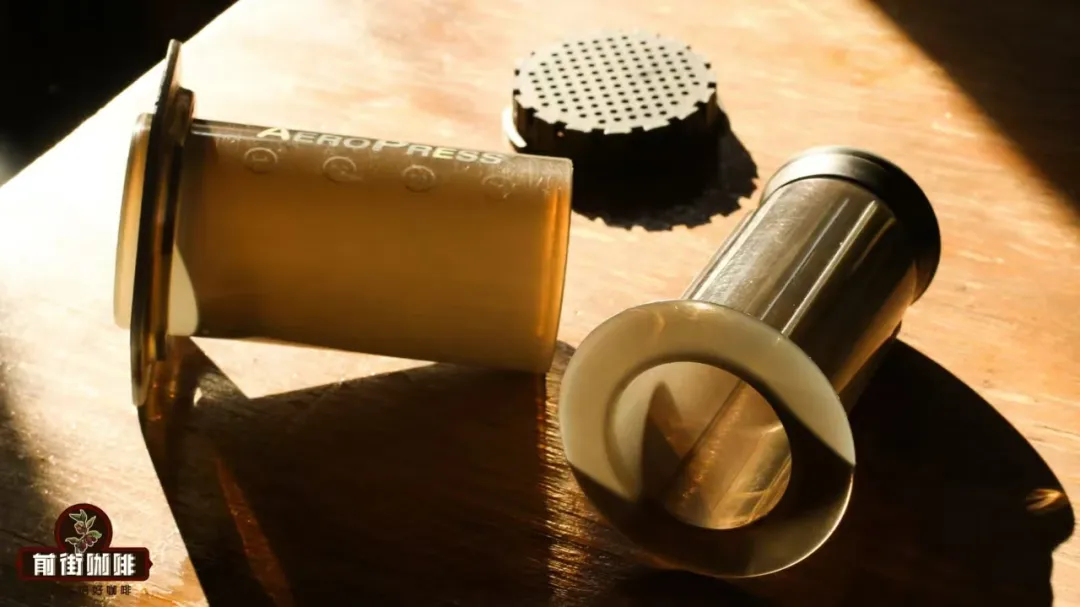
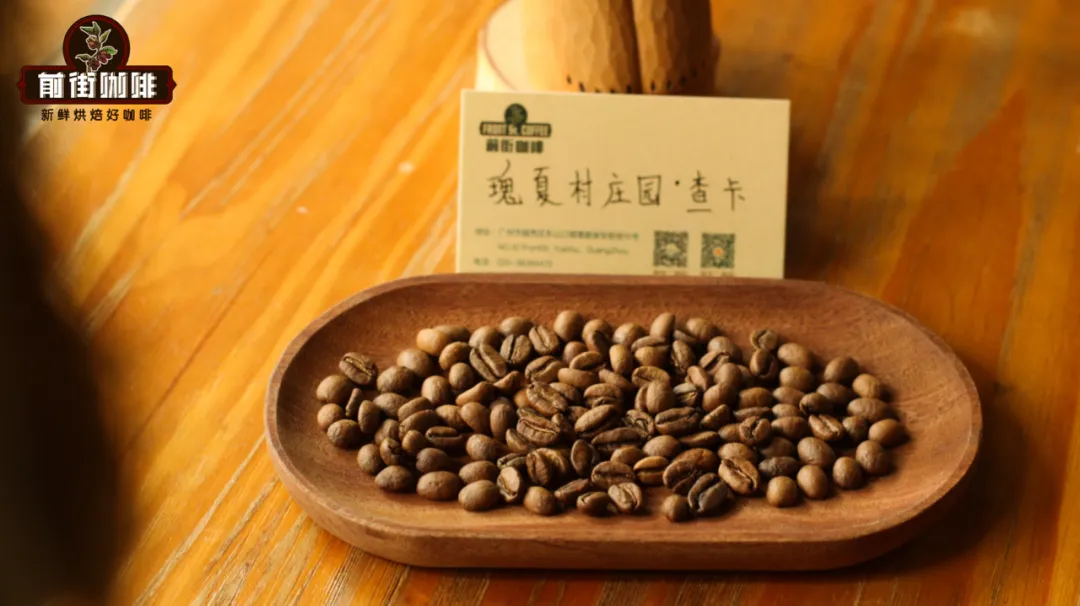
For this experiment, we selected coffee beans from Ethiopia’s “Gesha Village Estate · Chaka,” produced by documentary filmmaker Adam Overton and photographer Rachel Samuel. They introduced bean varieties close to Gesha, including Gesha 1931, Gori Gesha, and some heirloom varieties from the Bangi Maji region, to create the Chaka blend, which offers high cost-performance and outstanding flavor. This coffee has clear flavors, bright acidity, and is highly suitable for comparing the characteristics of different brewing methods.
The experimental conditions were kept consistent, with only the brewing method changed: 18 grams of coffee, a 1:11 coffee-to-water ratio, a grind size of 9 on the EK43 grinder, and water temperature controlled at 92°C. For the positive pressure method, the filter paper and filter were first placed into the chamber with the filter facing down on a pressurized cup. For reverse pressure, the plunger was attached first, and the entire device was turned upside down with the filter facing up. After steeping, it was flipped to attach the filter and press. Both methods used a 30-second bloom, followed by pouring the remaining 190 ml of hot water and stirring evenly 5 times with a stir stick, for a total steeping time of about 1 minute and 30 seconds.
In actual operation, the total extraction time for positive pressure was 1 minute and 35 seconds, while for reverse pressure it was 1 minute and 42 seconds. In terms of flavor performance, the Chaka extracted using reverse pressure exhibited a distinct citrus and berry acidity with sweet-tart notes, accompanied by soft floral aromas and a clean green tea finish. The mouthfeel was slightly fuller than pour over due to the presence of a small amount of fine particles. In contrast, the coffee brewed with positive pressure had a thinner flavor profile, with pronounced acidity but lacking in complexity, and overall appeared somewhat flat.

The main factor causing these differences lies in the fact that during positive pressure brewing, with the filter facing down, some hot water tends to seep through the gap between the chamber and the filter, reducing the actual amount of water that comes into contact with the coffee grounds. This affects the efficiency and completeness of flavor extraction. Reverse pressure, on the other hand, allows for more even water pressure distribution during steeping because the filter faces upward, extracting aromatic compounds from the coffee more effectively while retaining a moderate body.
In terms of ease of operation, reverse pressure is more beginner-friendly because the steeping stage is more stable and less likely to be affected by accidental tilting. Moreover, the reverse pressure method allows for more flexible adjustments to grind size and pressing speed, further expanding flavor possibilities. However, if you can precisely control the grind fineness and pressure in positive pressure brewing, you can also achieve delicate and well-layered coffee, making it suitable for advanced users seeking specific flavor profiles.
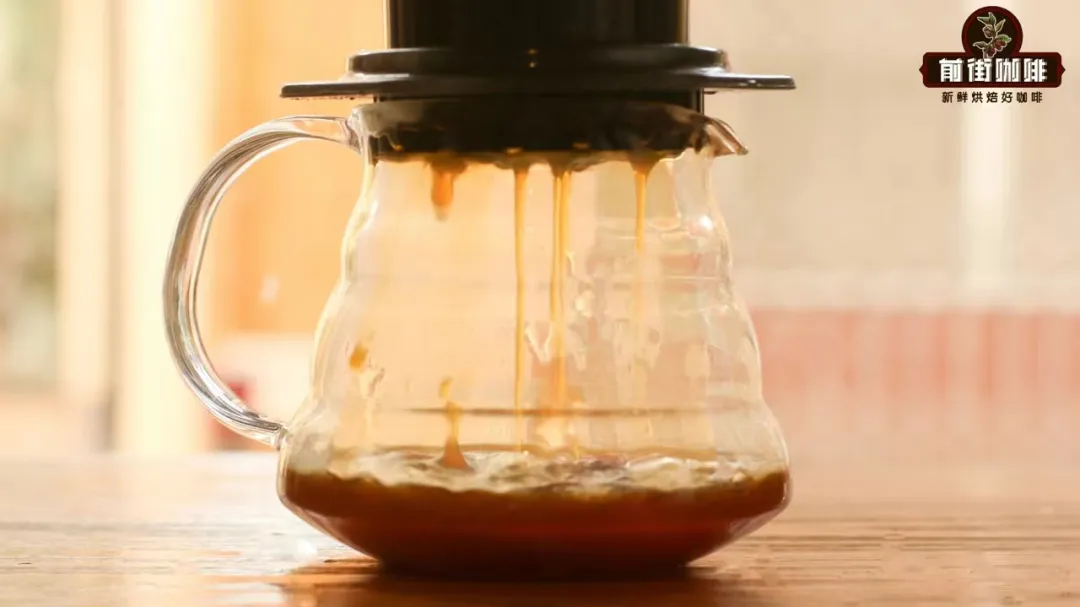
Besides the AeroPress, many coffee beginners are also interested in the French press. The principle of the French press is relatively simple: coarsely ground coffee is steeped with hot water for several minutes, and then a metal filter is used to press down and separate the coffee grounds from the liquid. This method fully extracts the rich body and oils of the coffee, resulting in a rounded and clean flavor profile. It requires minimal technical skill and is suitable for those who enjoy a bold and full-bodied taste.
Compared to the French press, the AeroPress can complete extraction in a shorter time and allows for more flexible control over concentration and flavor through pressure adjustment. The differences between positive and reverse pressure not only affect the steps of operation but also directly impact the final outcome of the coffee. If you’re just getting started with the AeroPress, it’s recommended to begin with positive pressure to familiarize yourself with the process, then try reverse pressure to explore more flavor possibilities. If you prefer a bold and steady mouthfeel, you might also want to try the French press and compare the performance differences of the two devices in everyday brewing.
The above content is compiled by CoffeeHunters, a coffee news website.


