








Introduction:Want to easily brew rich coffee at home but can't decide between the AeroPress and the Moka pot? This article delves into the extraction principles, operation differences, and actual flavor profiles of these two common home coffee brewing tools. Using the same coffee beans for comparison, it helps you understand which tool better suits your taste preferences and brewing habits, while also providing practical operational tips to enhance your home coffee experience.
For making rich-flavored coffee at home, the AeroPress and the Moka pot are two go-to brewing tools for many coffee enthusiasts. Although both can produce relatively strong coffee, they actually differ significantly in design principles, operation methods, and final flavor outcomes. A deeper understanding of their characteristics can help you choose the most suitable brewing method based on your own needs.
The AeroPress’s appearance and operating logic resemble a syringe. Its design cleverly combines the immersion concept of French press, the paper filtration mechanism of pour over, and the pressure extraction principle of espresso. Through simple up-and-down pressing actions, it completes immersion, filtration, and pressure extraction in a short time, bringing out a rich coffee taste while maintaining a relatively refreshing layering and purity. These combined features make the AeroPress a high-value-for-money choice for many home users.

In contrast, the Moka pot adopts a completely different steam-pressure principle. Its basic structure consists of three main parts: the upper chamber holds the finished brewed coffee, the middle funnel is for placing the ground coffee, and the lower chamber is used for heating and holding water. When the lower chamber is heated, the water gradually turns into steam, creating pressure in an enclosed space that pushes the hot water upward through the coffee grounds in the middle funnel, with the final brewed coffee flowing into the upper chamber. This steam-pressure method allows the Moka pot to produce a strong coffee with flavors close to that of espresso.
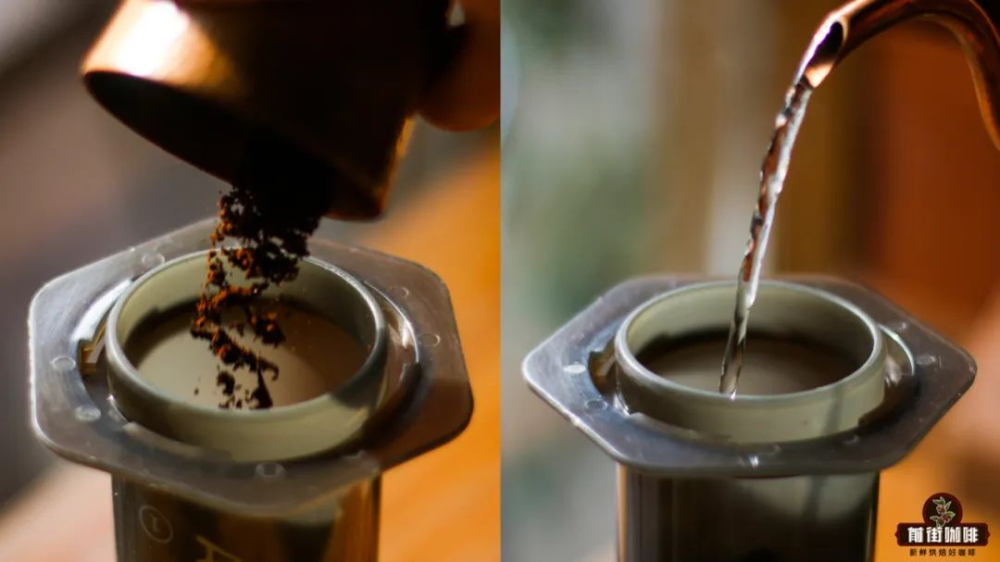
In actual operation, the AeroPress is relatively simple and intuitive to use. It is generally recommended to use medium-fine ground coffee and brew with hot water at around 90–96°C. After soaking for about 1–2 minutes, press down with the plunger to complete the extraction. During this process, it is recommended to use dedicated filter paper to ensure the coffee grounds are filtered out while preserving the aroma and delicate mouthfeel. Operating the Moka pot requires attention to heat control—medium to low heat is advised to avoid overly high temperatures in the lower chamber leading to over-extraction and affecting flavor balance. In addition, grind size and coffee-to-water ratio should be adjusted according to personal taste, with medium-fine grind generally recommended to allow water to flow through while ensuring sufficient extraction.

To more intuitively compare the differences between the two, this test used coffee beans from a certain coffee shop. These beans have distinct fruity acidity and moderate body, making them ideal for showcasing how different tools affect flavor. Under the same roast level and storage conditions, both the AeroPress and the Moka pot were used to perform standard brewing procedures, with their flavor profiles recorded.
According to the test results, coffee brewed with the AeroPress exhibited clearer and brighter fruity acidity, with a relatively refreshing and layered mouthfeel. The finish carried a hint of sweetness and tea-like notes. Overall, it leaned closer to the pure characteristics of pour over but still maintained a moderate richness. Meanwhile, coffee made with the Moka pot showed a heavier body with deep caramel and chocolate tones. The acidity was relatively subdued, but the richness and aftertaste were pronounced. The flavor profile was closer to traditional espresso, making it suitable for users who prefer a strong taste.

Choosing between the AeroPress or the Moka pot depends not only on flavor preference but also on daily convenience and ease of use. The AeroPress is easy to clean, portable, and suitable for users who frequently switch brewing methods or enjoy diverse styles. The Moka pot, on the other hand, is better suited for those seeking a strong taste and wanting to enjoy café-style espresso flavors at home, especially when paired with milk to make lattes or cappuccinos.
Additionally, regardless of which tool you choose, the freshness of the coffee beans, precise control of grind size, as well as adjustments to water temperature and brewing time, are all important factors that influence the final flavor. Beginners are advised to start with standard parameters and then gradually fine-tune based on personal preferences to find their ideal brewing combination.
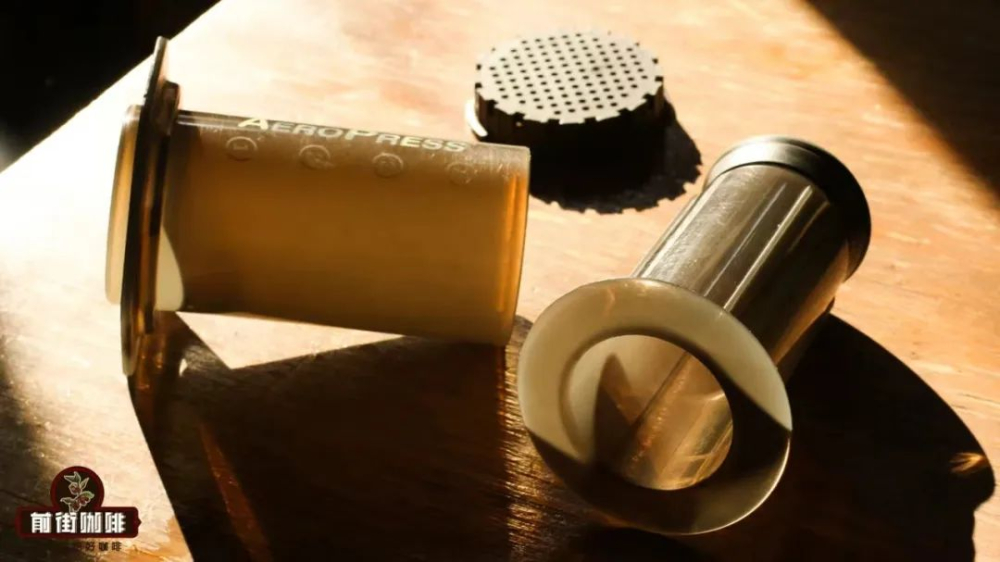
In conclusion, the AeroPress and the Moka pot each have their strengths, and it's not easy to simply declare one as absolutely better than the other. The AeroPress excels in ease of use, refreshing flavors, and versatility, making it suitable for users who enjoy exploring various brewing styles. The Moka pot stands out with its rich and bold flavors, closely resembling espresso, making it an ideal choice for households seeking strong coffee. Through this comparative test, we hope to help you better understand the characteristics of these two tools and make the choice that best suits you.




The above content is compiled by CoffeeHunters, a coffee news website.


