







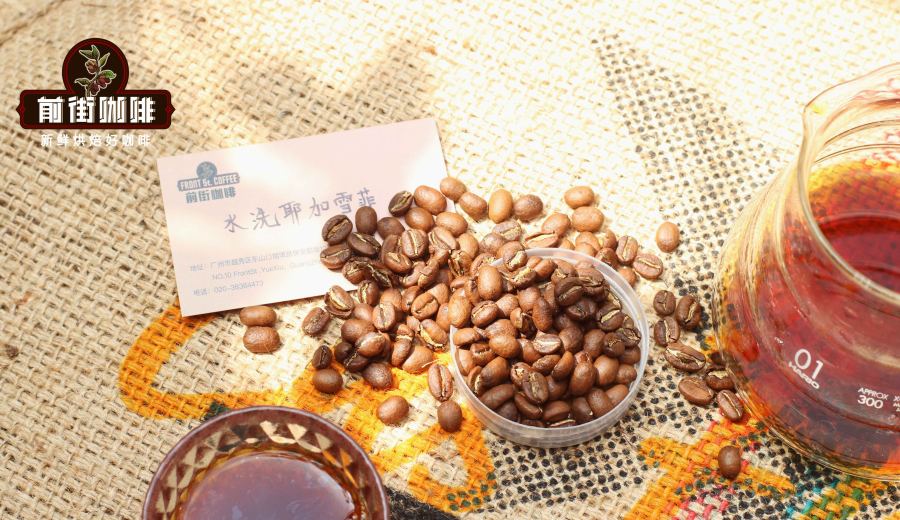
Introduction:Want to explore Ethiopian Yirgacheffe coffee with its bright lemon and citrus notes? This article delves into Yirgacheffe’s grading system, defect sorting process, and compares its flavor profile with that of Sidamo. Through insights into regional characteristics and roasting recommendations, it helps coffee beginners choose an ideal entry-level washed bean, understand why this African origin is often described as “refreshing like biting into a lemon,” and grasp key parameters that affect extraction flavor.
If you’re craving a specialty coffee bursting with fresh citrus and delicate jasmine aroma, Ethiopia’s Yirgacheffe region is undoubtedly your top pick for getting started. Not only does it impress with its vibrant acidity and unique layers of fruitiness, but this classic African washed bean is also extremely beginner-friendly—just roast it properly and drop it right at the start of the first crack, and you’ll easily achieve an amazing citrus expression.
Yirgacheffe coffee beans are graded into five levels, with G1 being the top-tier quality, while G2 is more commonly found in the market. It’s worth noting that the difference between G1 and G2 mainly lies in the number of defects and cupping performance.The defect rate for G1 is strictly controlled to an extremely low standard.As a result, its flavor purity and complexity are usually superior. For example, many well-known roasters’ Yirgacheffe offerings, such as the Ding Ding and Red Cherry series, use G1 batches to ensure the most vivid lemon and floral notes upon tasting.
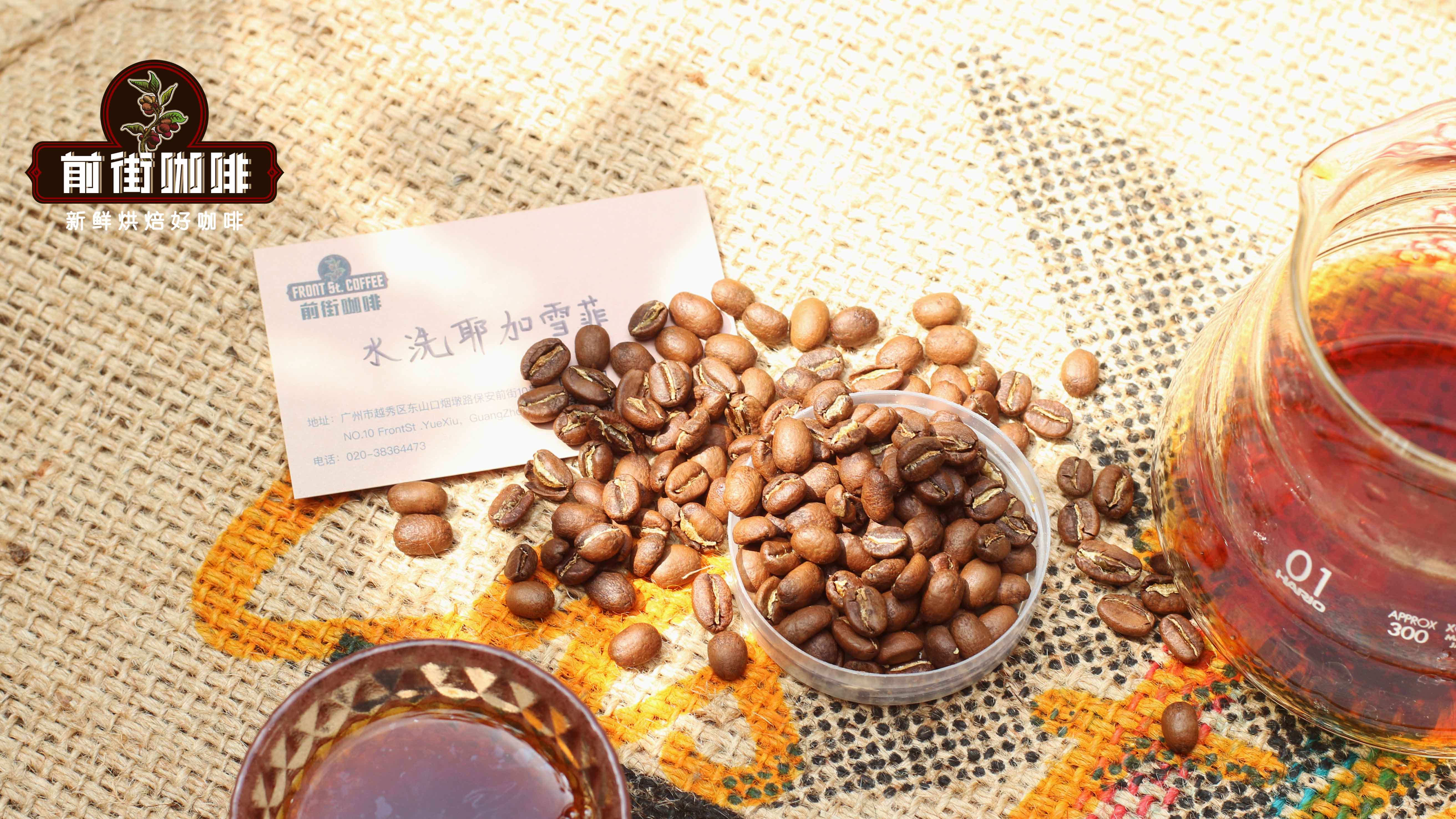
Each coffee-producing country has its own unique evaluation system. For instance, Kenya grades beans by size, Colombia also emphasizes uniformity, while Costa Rica and Panama often differentiate grades by altitude. As for Brazil and Ethiopia, they consider both defect rates and cupping results to determine bean grades. Particularly, Yirgacheffe’s grading system places extra emphasis on the number of defects, and involves multiple rounds of manual sorting before and after roasting to ensure each bean meets high-quality standards. Some brands even conduct two additional rounds of screening to thoroughly eliminate defective beans and enhance overall flavor consistency.
When it comes to Ethiopia, many people confuse Yirgacheffe with the neighboring Sidamo region. In fact, Yirgacheffe was once part of Sidamo, but due to its exceptionally distinctive flavor profile, it eventually became an independent region. Today, Sidamo also enjoys high international acclaim, with its beans often showcasing rich flavors like creamy strawberry, magnolia, and tropical fruits. Although its floral complexity may not be as intense as Yirgacheffe’s, it often has a rounder body, a fuller mouthfeel, and a longer-lasting aftertaste.
What makes African-origin coffees so captivating is that the beans from these regions naturally exude intense fruitiness and floral notes, as if the land itself were a natural kingdom of fruits. Among them, Yirgacheffe is most celebrated for the lemony freshness it reveals after light roasting—its taste is like gently biting into a fresh orange, refreshing yet not harsh, delicate and layered.Especially in the case of cold drip extraction, as the slow filtration through ice water takes place, its hidden floral characteristics become even more pronounced, adding another layer of depth to the overall flavor.
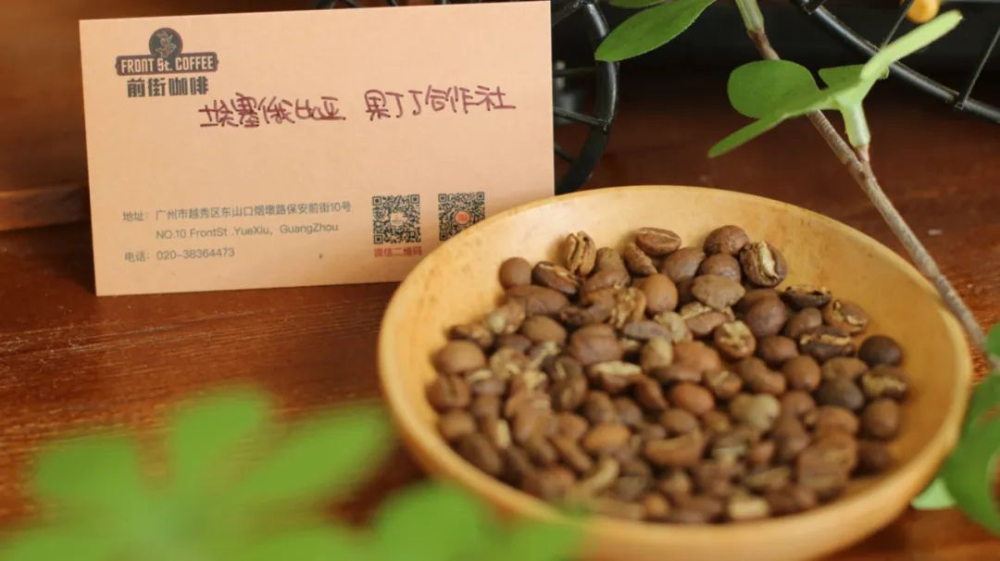
Whether you prefer hot drinks or cold brews, Yirgacheffe always delivers a uniquely enjoyable experience with its subtle and elegant character. If you’re considering trying your first African washed bean or want to understand why this coffee is often likened to “biting into a lemon,” the regional information, grade comparisons, and practical roasting advice provided in this article will help you make a wiser choice and master the key elements that influence the final flavor.
The above content is compiled by CoffeeHunters, a coffee news website.


