







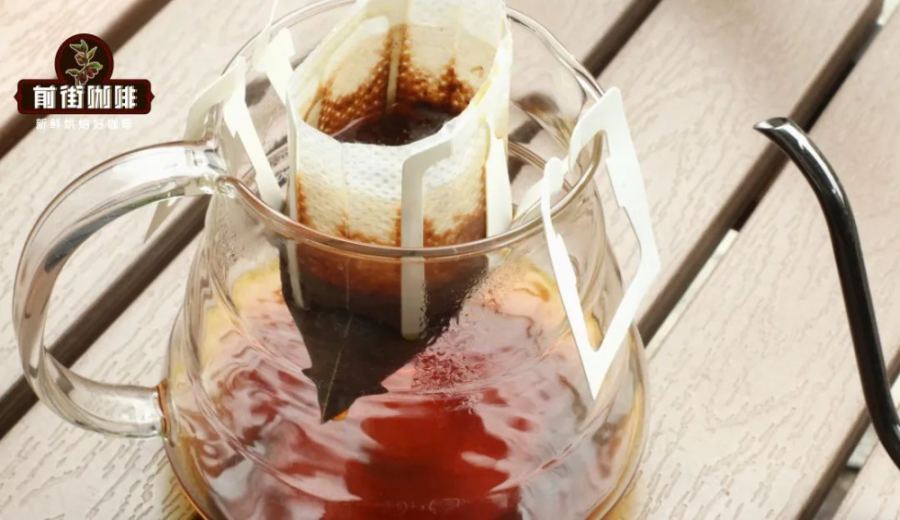
Introduction:Have you ever encountered drip rates that are unusually slow with pour-over bags, where the coffee grounds remain stuck at the bottom and won’t rise? Or during brewing, found that water can’t flow smoothly through the filter bag, leading to incomplete extraction? This article takes an in-depth look at the common causes of clogging in pour-over coffee bags and provides practical tips to help you master the correct brewing method—avoiding wasted coffee grounds and enhancing flavor with every cup.
Many pour-over coffee enthusiasts may have had similar experiences: following the steps one by one—ripping open the packaging, hanging the two “ears,” pouring hot water, and waiting for the drip—but then finding that the water simply won’t flow down properly, with the coffee grounds still sitting at the bottom of the bag. This issue not only affects brewing efficiency but can also lead to poor flavor or even over-extraction. So why does this happen with pour-over bags, and how can it be improved?
First, let’s understand the structure of a pour-over coffee bag. It mainly consists of coffee grounds and a non-woven fabric filter bag. The filter bag serves the dual role of both a filter cup and filter paper, while the flow rate of water is primarily affected by the resistance it encounters when passing through the filter material. This level of resistance is the key factor determining whether “clogging” will occur.
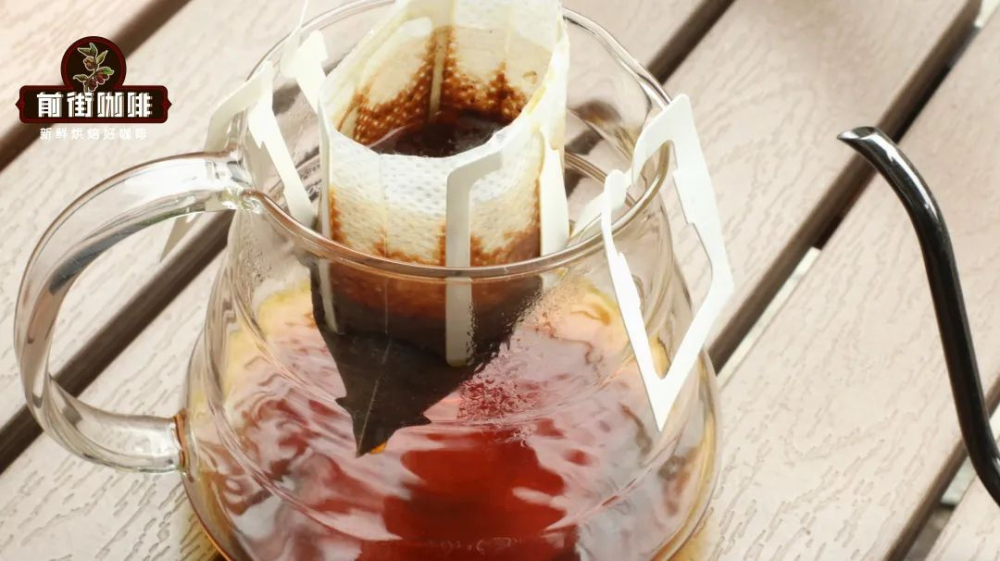
Among the many influencing factors, the material of the filter bag plays a foundational role. Generally, pour-over filter bags use non-woven fabric, which is similar to metal filters and consists of two layers—a coarse mesh and a fine mesh—mainly filtering the coffee liquid through the fine pores.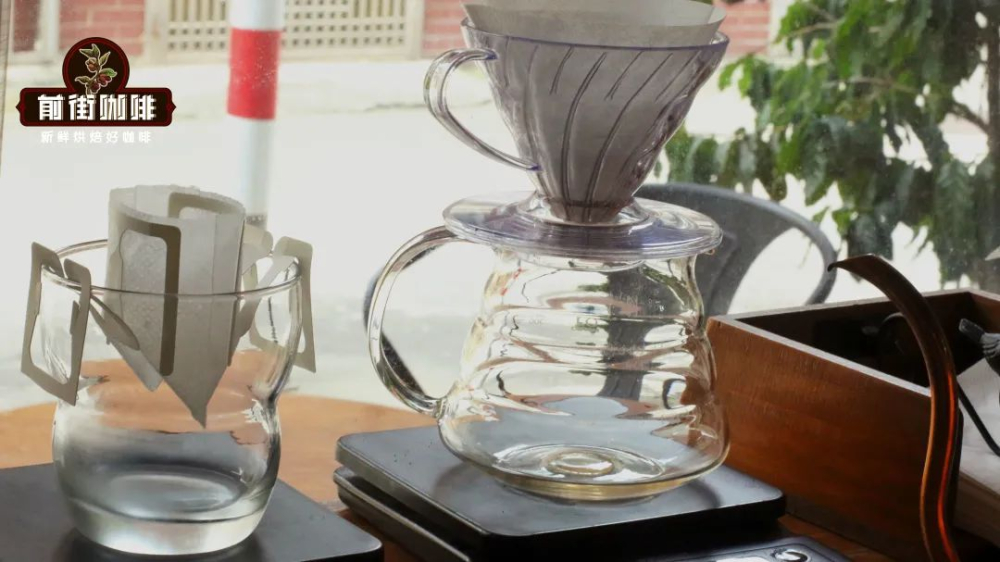 Practical tests show that when injecting 50 grams of water, it takes about 35 seconds for standard filter paper to fully drip through, whereas a pour-over filter bag takes as long as 2 minutes, clearly indicating a significantly slower flow rate. However, this also contributes to more thorough immersion extraction.
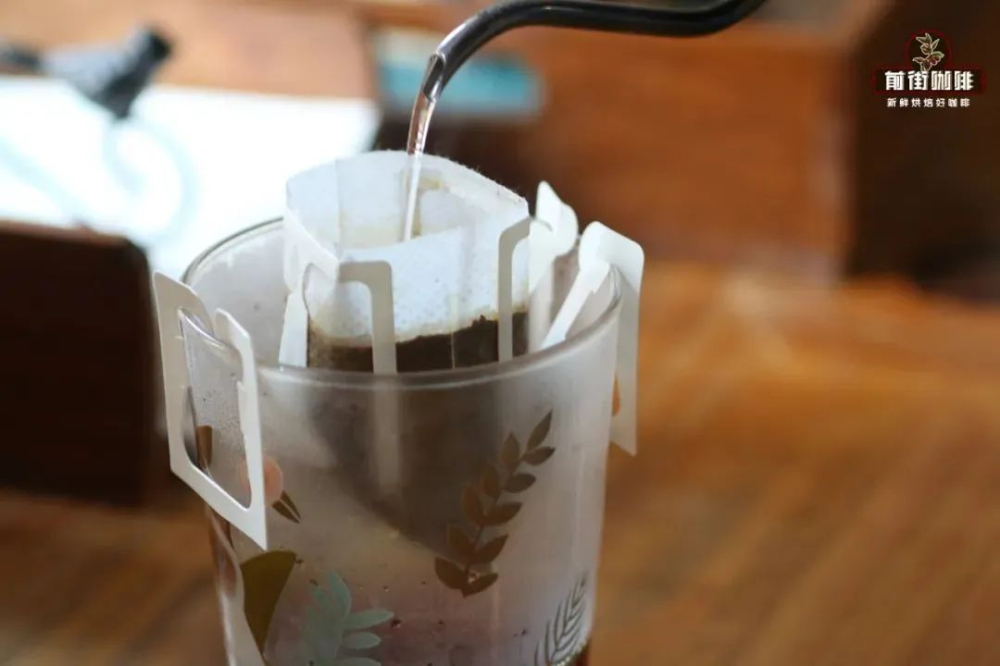
In addition to the filter material itself,the method and technique of pouring waterare also major factors affecting drip speed. When hot water is poured in, if the water level is too low, the coffee grounds tend to gather at the bottom of the filter bag, causing most of the water to flow only along the edges, naturally slowing the overall process. In contrast, maintaining a stable water level and using a small, circular pouring motion helps ensure the coffee grounds are evenly saturated and can improve the flow rate.
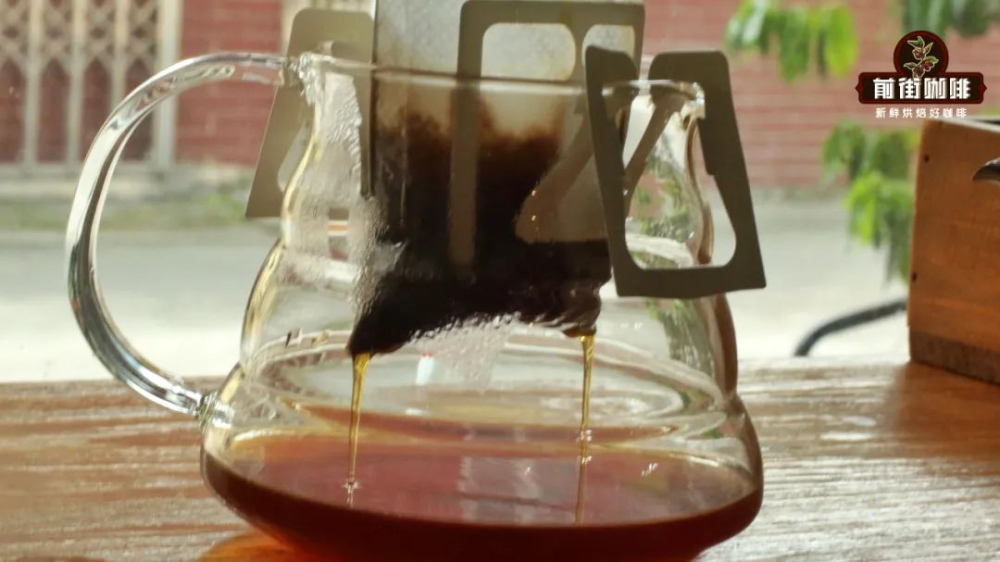
However, when pouring in circles, care must also be taken with water control in the final stages. If water is accidentally “poured” directly onto the outer layer of the filter bag, it may wash the coffee grounds down to the bottom, causing them to accumulate—not only leading to clogging but also potentially creating unpleasant bitterness due to over-extraction. Therefore, it’s recommended to avoid the edges of the filter bag when circling and to focus the water flow on the central area.
Another common issue iscoffee grounds that are ground too finely. If you find that the coffee grounds after each brew come out muddy, almost without any granular feel, then it’s very likely that the grind is too fine. While fine grinding can improve extraction yield, it also greatly increases water resistance, making it difficult for water to penetrate the filter bag, resulting in slow or even halted dripping. It’s recommended to choose a medium-coarse to medium grind to balance extraction and flow rate.
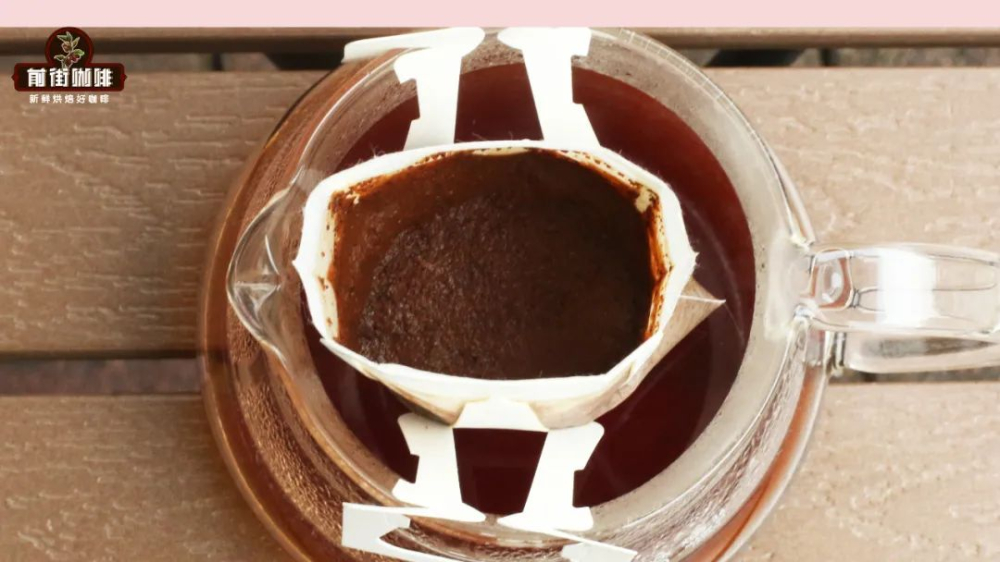
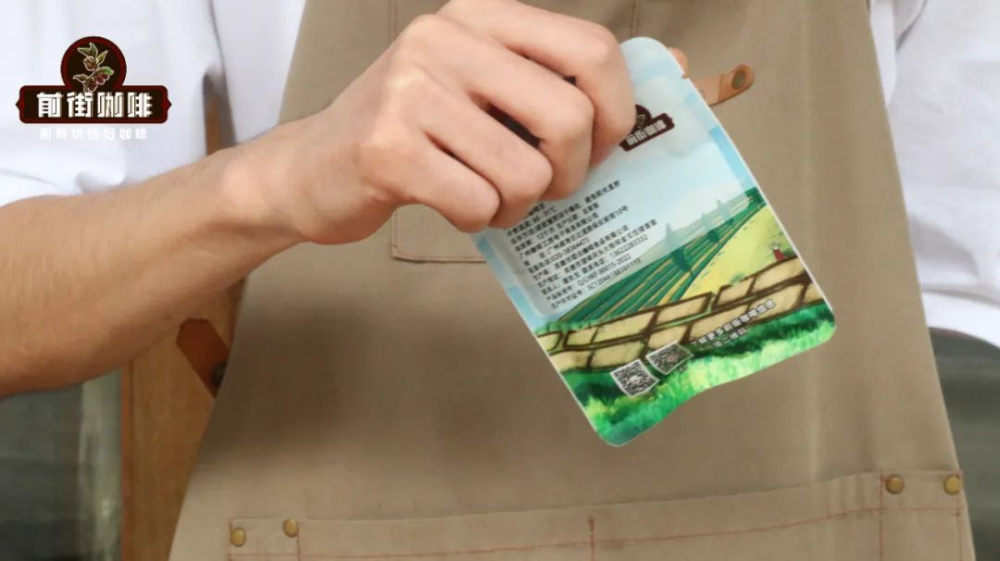
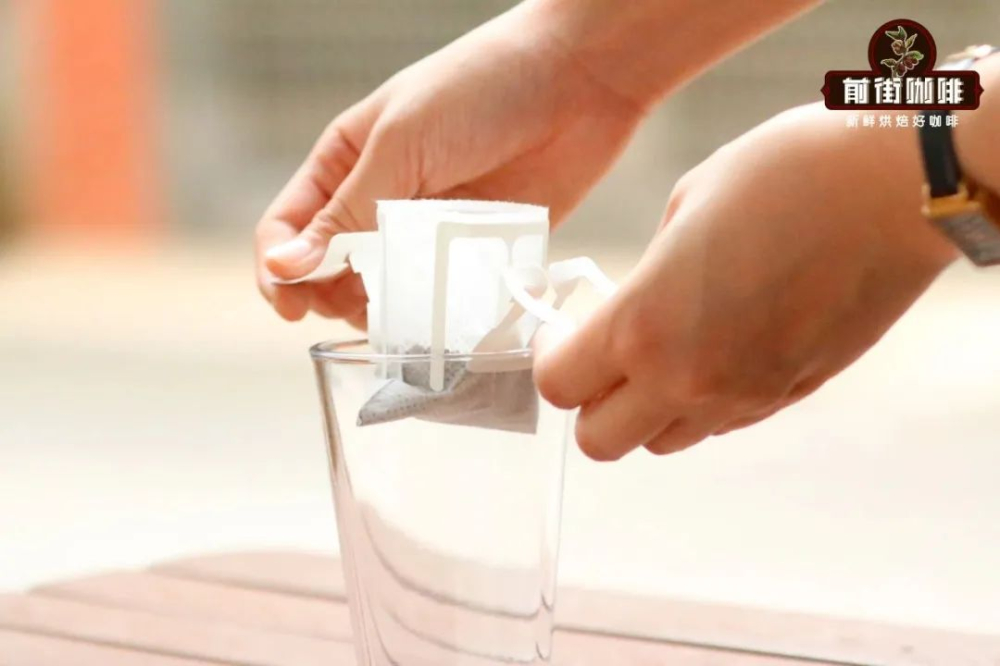
Additionally, many people have the habit of “shaking the filter bag” before opening it, trying to even out the coffee grounds. But this action may cause fine particles to settle at the bottom, especially after multiple shakes, which can more easily lead to clogging in the final stage. The correct approach is to gently tear open the pour-over bag along the dotted line, lightly shake the included coffee grounds to distribute them evenly, and then hang it on the rim of the cup—there’s no need to deliberately shake it.
So, what should you do if you’ve already encountered slow dripping or clogging? First, it’s recommended to switch to using a larger water flow and pour in increments, using a central or small circular motion to rinse the coffee grounds. This not only improves fluidity but also helps release flavor compounds. At the same time, try to keep the water level at around nine-tenths full in the filter bag, creating more space for infiltration and reducing the risk of over-soaking.
In summary, although pour-over coffee bags are convenient, brewing them well still requires attention to detail. From the material of the filter bag, grind size, to pouring techniques and water flow control—each step affects the final extraction quality. By mastering the correct methods, you can not only avoid clogging and over-extraction but also fully showcase the unique flavors of the coffee beans, ensuring every cup is enjoyed with peace of mind and satisfaction.

The above content is compiled by CoffeeHunters, a coffee news website.


