








Introduction:Colombian coffee is globally renowned for its rich flavors and consistent quality, with the Medellín region being a must-try for specialty coffee enthusiasts. This article delves into the geographic conditions, climate advantages, and flavor profiles of key Colombian regions such as Medellín, and explores how renowned farms like Finca Esperanza stand out through meticulous cultivation and processing techniques. Whether you're new to specialty coffee or seeking pour over flavor inspiration, you'll find practical insights here.
Colombia has long been a major global producer of Arabica coffee. Its intricate Andean mountain ranges create numerous microclimates, enabling different regions to cultivate distinctly styled coffee beans. Among these, areas like Medellín and Huila not only boast exceptional natural conditions but have also gained widespread acclaim for their refined plantation practices. This article will provide a comprehensive overview of Colombia’s coffee region distribution and quality characteristics, with a focus on the unique flavors of key areas like Medellín.
In coffee enthusiast circles, a common question arises: “Which region’s coffee is most worth trying?” In truth, each region’s beans possess their own unique personality. Some prefer the delicate floral notes and citrus tones of Panamanian coffee, while others are drawn to the complex layers showcased by Ethiopian coffee through traditional processing methods. Colombian coffee stands out for its diversity and consistency, making it a recommended entry point for many baristas.
Colombia is not only the world’s largest exporter of Arabica coffee but also a primary source of washed processed beans. Notably, the country grows almost no Robusta variety, contributing to greater consistency in its coffee’s quality and flavor. However, the Colombian coffee industry faces challenges, such as the threat of leaf rust, which can significantly impact yields. Despite this, thanks to its superior natural environment and effective prevention measures, Colombia maintains a stable coffee supply to this day.
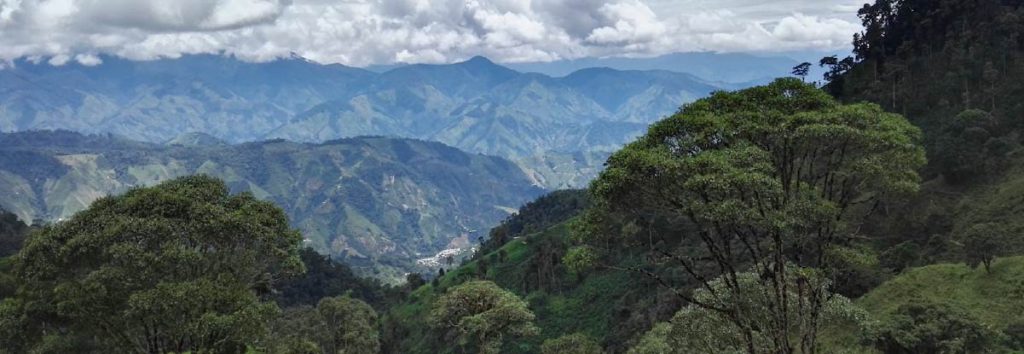
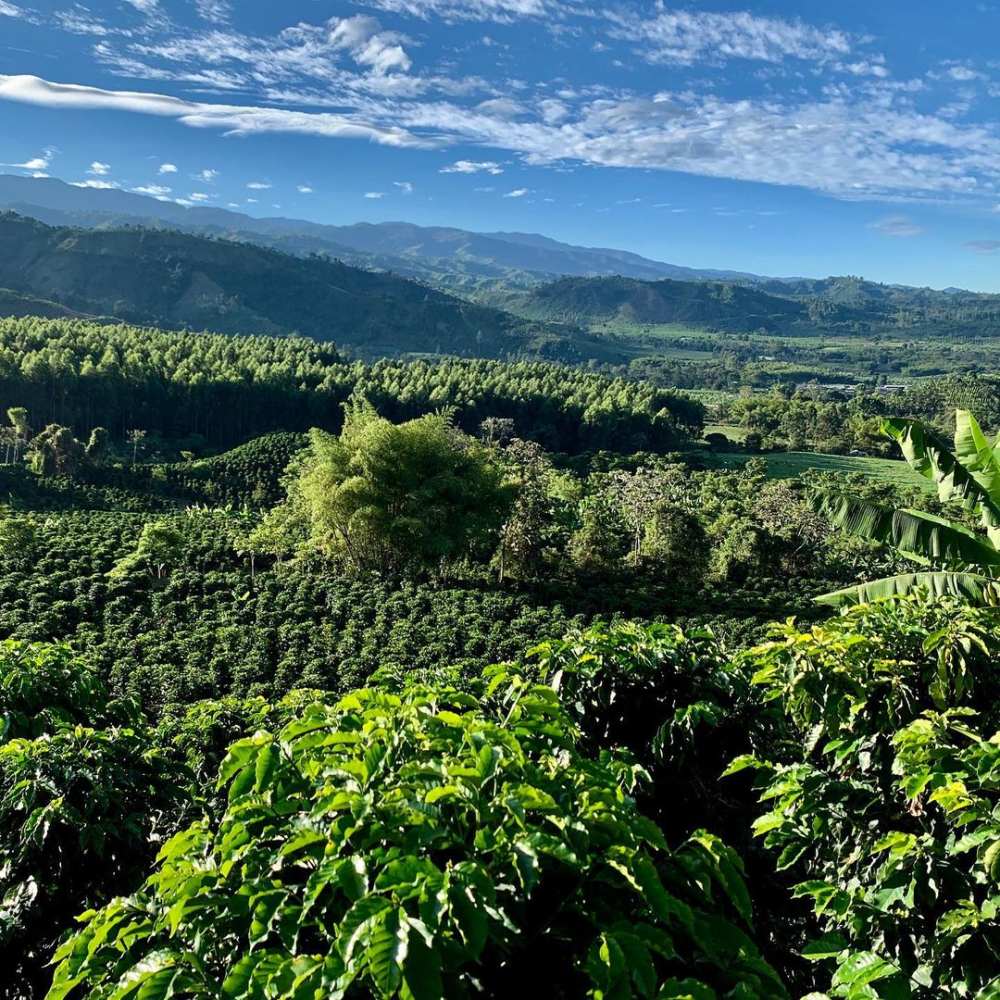
Colombia’s coffee-growing regions are primarily concentrated along the Andes Mountains, where the temperate climate and moderate humidity provide an ideal environment for coffee trees. The country’s three Cordillera mountain ranges run north to south, with coffee trees mostly cultivated in the highlands at the foothills. This terraced mountain terrain creates diverse microclimates, allowing different coffee varieties to mature at varying times and enabling year-round harvests. Additionally, compared to countries like Brazil, Colombia is less affected by extreme weather such as frost.
The distribution of Colombia’s coffee-growing regions offers significant geographic advantages, as the country has ports on both the Atlantic and Pacific Oceans, greatly reducing coffee transportation costs. Such conditions are unique to Colombia in Central and South America. Its main production areas are concentrated in the central and eastern mountainous zones, where the central mountain regions of Medellín, Armenia, and Manizales are collectively known as “MAM” and serve as the primary source of Colombia’s top-tier coffee. Among these three regions, Medellín is known for its plump beans, rich aroma, and moderate acidity, often commanding a relatively higher price.

Along the eastern mountains, the regions surrounding Bogotá and Bucaramanga are also famed for their high-quality coffee. Bogotá coffee has lower acidity than Medellín’s but matches it in overall quality. According to James Hoffmann’s classification, Colombia’s coffee regions can be subdivided into 13 provincial-level growing areas, each with its own unique terroir and flavor expression.
Among the many regions, Huila stands out as a popular choice for specialty coffee due to its unique geography. Located on one side of the Andes and adjacent to Colombia’s second-highest peak, Nevado del Huila volcano, this region benefits from fertile volcanic soil, abundant rainfall, suitable altitude, and an almost uninterrupted harvest season throughout the year. These factors make Huila coffee one of Colombia’s most refined single-origin beans. The coffee here not only features rich flavor complexity but also maintains stable quality due to deep-rooted agricultural traditions.
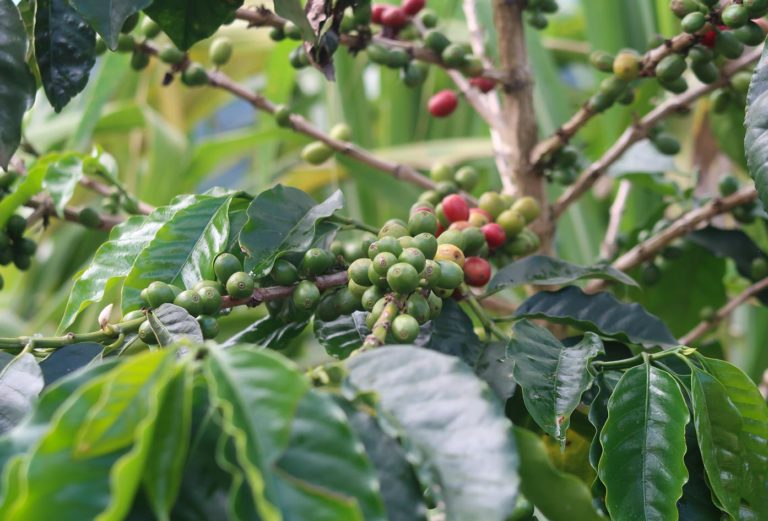
In Colombia’s coffee industry, the rise of specialty farms has added considerable prestige to regional reputations. Among them, Finca Esperanza has earned international acclaim and industry attention through its rigorous cultivation and processing techniques, winning numerous awards. The story of this farm began with a passionate couple who, after acquiring Finca Posito, embarked on a journey of independent management and gradually built their own brand and reputation.
The Margarita farm under Finca Esperanza produces a naturally processed Geisha coffee that has become one of the most talked-about specialty coffees in recent years. Grown at high altitude, this coffee exhibits unique complexity and layered flavors. During the roasting process at a certain coffee shop, the roasters deliberately slowed down the roasting pace to accommodate the characteristics of high-altitude beans—ensuring full flavor release while avoiding underdevelopment. This meticulous approach results in a final cup with rich fruity aromas and a full-bodied mouthfeel.
The above content is compiled by CoffeeHunters, a coffee news website.


