








Introduction:From the planting of the first coffee tree by French missionaries in Zhukula at the end of the 19th century to becoming China’s largest coffee-producing region, Yunnan’s small-grain coffee has traversed a century of brilliance. This article delves into the distribution of Yunnan’s coffee-growing regions, explores the characteristics of its main varieties, analyzes the flavor differences between Typica, Bourbon, and Catimor, and explains how washed and natural processing methods shape coffee taste. It also includes V60 pour over parameters and flavor descriptions for a certain brand's 2013 offering with Yunnan small-grain coffee, helping you master brewing techniques.
Although China is renowned for its tea culture, coffee also has a history here spanning over a century. Especially in Yunnan, this land with ideal altitude and climate has long been the focus of China’s coffee industry. Its unique geographical environment — between 15 degrees north latitude and the Tropic of Cancer, at elevations of 1,000 to 2,000 meters, with large day-night temperature variations, plus abundant sunlight and moisture — creates optimal conditions for growing Arabica coffee.

As early as 1904, French missionary Tian Deneng brought coffee seedlings to Zhukula Village in Binchuan County, Dali, successfully planting the first coffee tree and opening the first chapter of Yunnan’s coffee history. Later, in the 1930s, it was introduced to regions like Puliang and Luoming by the famous overseas Chinese leader Mr. Liang Jinshan, continuing the planting tradition. Starting in 1952, under the guidance of experts from the Baoshan Tropical Crops Research Institute, large-scale coffee cultivation began in areas like Ludian, with Typica being the main variety at the time. This phase lasted nearly six decades.
However, in the late 1990s, with the entry of foreign enterprises such as Nestlé into Yunnan, promoting the Catimor variety — which is highly resistant to disease and boasts high yields — Typica was gradually replaced. Due to its suitability for large-scale cultivation and economic benefits, Catimor became the market mainstream, and Yunnan coffee was mainly sold as instant coffee raw material. By the end of 1997, Yunnan’s coffee种植 area had reached 7,800 hectares, and today it accounts for over 70% of the national planting area and more than 80% of production, firmly holding the top position domestically.
Currently, Yunnan’s main coffee-growing regions are concentrated in Pu’er, Wenshan, Baoshan, Dehong, and Lincang. Among them, Dehong Prefecture is known for high-altitude organic cultivation, with many coffee farms located above 1,600 meters, producing coffee of exceptional quality. Since the 1950s, when Mr. Liang Jinshan introduced coffee seedlings, Baoshan has been an important production area. Its small-grain coffee is celebrated for its rich yet refreshing flavor and received national geographical indication product certification in 2010.
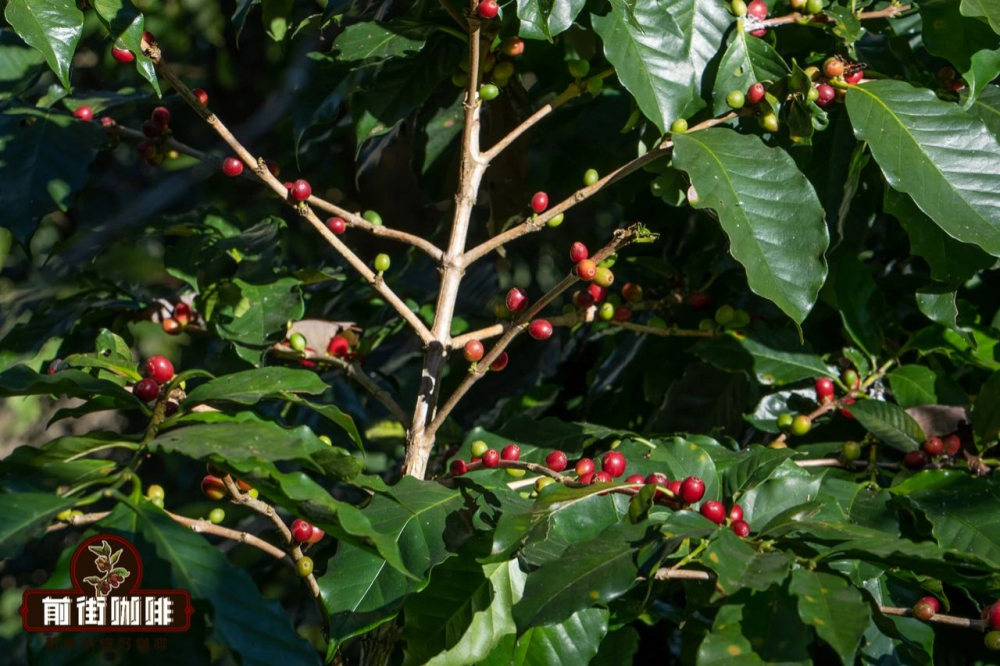
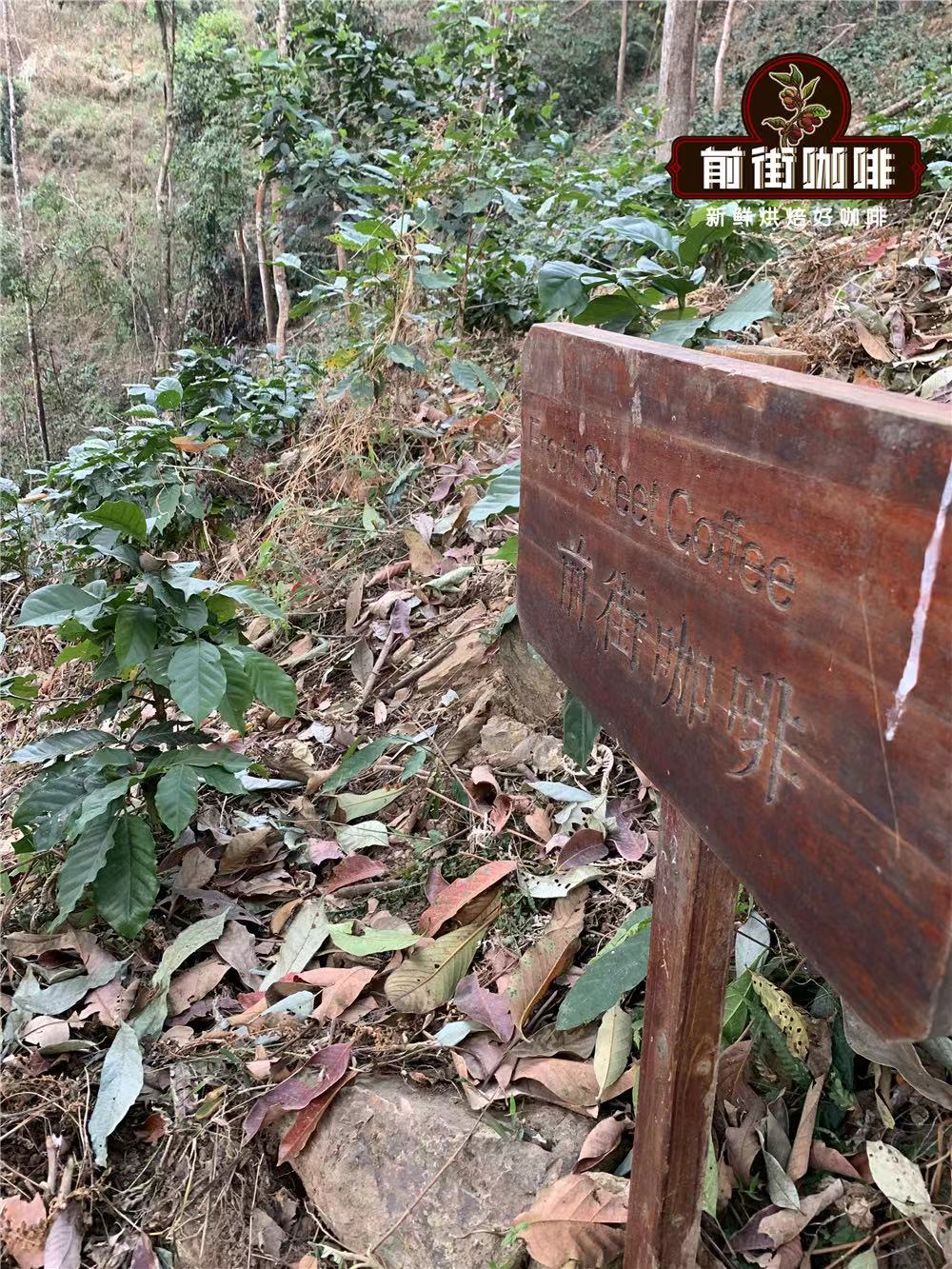
Lincang City, located in southwestern Yunnan near the Tropic of Cancer, features a climate with distinct wet and dry seasons and abundant sunshine. In recent years, it has also become an emerging hotspot for coffee cultivation. A certain brand established its own estate at the border between Lincang and Myanmar, choosing to plant pure Arabica Typica. Although this variety takes four to five years to harvest and has weaker disease resistance, it offers a richly layered flavor with unique fruity acidity and a clean taste — a classic flavor sought after by many coffee enthusiasts.
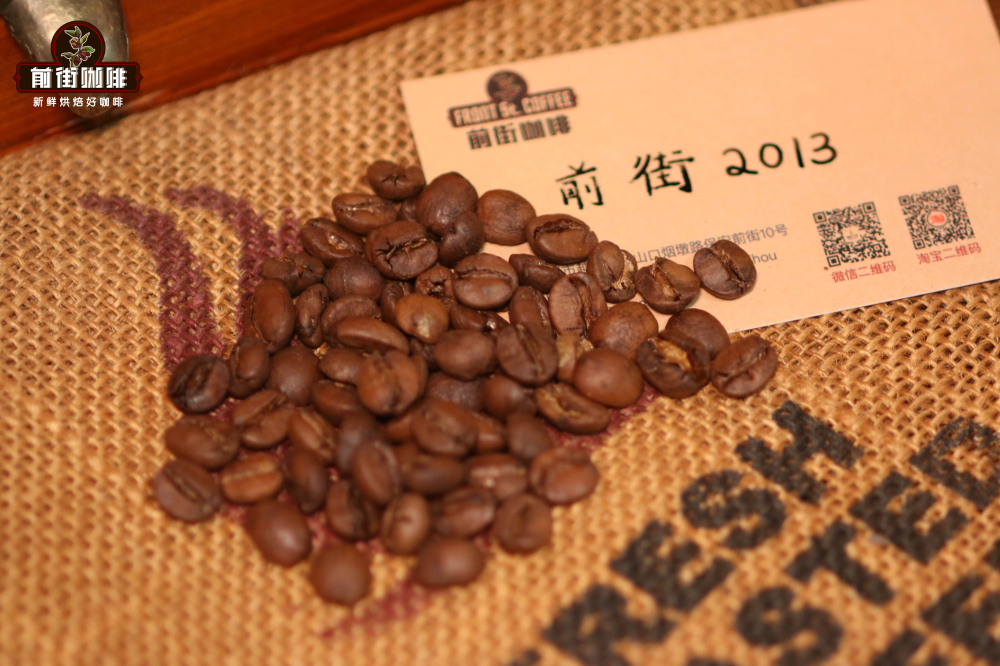
Between 2020 and 2021, a certain brand launched its first self-produced batch, “Brand 2013,” which received positive feedback, and reappeared in the new harvest season of 2022. Compared to the widely planted Catimor, although Typica has lower yields, it can showcase more elegant and delicate coffee traits.
Pu’er is another key hub for Yunnan coffee, not only having the largest planting area but also serving as an important export and processing center. Known as the “Coffee Capital,” it boasts a complete industrial chain and market system.
Speaking of varieties, the most widely planted in Yunnan is Catimor, a hybrid of Timor and Caturra that offers strong disease resistance and high yields, but has a relatively neutral flavor profile. Areas like Baoshan still maintain limited plantings of Typica and Bourbon. As one of the oldest Arabica varieties, Typica offers elegant flavors but is delicate and susceptible to leaf rust, now mostly found in high-altitude regions of Central and South America. Bourbon, a mutation of Typica, turns from green to red when the fruit matures, offering bright acidity and a wine-like aftertaste, though its yield is also not high.
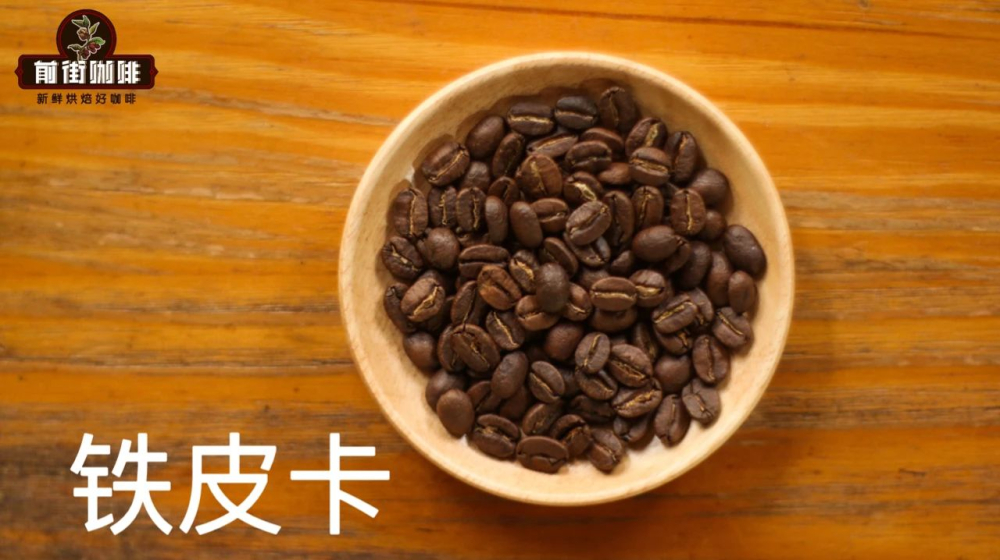
Catimor combines characteristics of Arabica and Robusta, with 25% Robusta genetics, giving it strong disease resistance, high yields, while retaining some Arabica flavors. It is currently the main variety of Yunnan coffee. The “Yunnan Small-Grain Coffee” listed by a certain brand belongs to the Catimor variety and is suitable for consumers new to Yunnan coffee.
In terms of processing methods, due to Yunnan’s rainy and unstable climate, washed processing has become the mainstream, ensuring clean and clear coffee flavors. A certain brand insists on using both traditional washed and natural processing methods to present the most original essence of coffee. Washed processing, by removing the pulp through fermentation, makes the flavors more transparent and is an ideal choice for beginners; while natural processing, though requiring 27 to 30 consecutive sunny days, preserves pulp flavors, resulting in richer and more intense taste profiles.
For pour over enthusiasts, a certain brand recommends using a V60 dripper, with a water temperature of 88°C, a 1:15 coffee-to-water ratio, and medium-fine grind (75% passing through a #20 sieve). Specific parameters are as follows: 15g of coffee, a 30-second bloom with 30g of water, followed by pouring to 125g and then 225g, with a total extraction time of about 2 minutes. This method fully highlights the fruity acidity and aroma characteristics of Yunnan coffee.
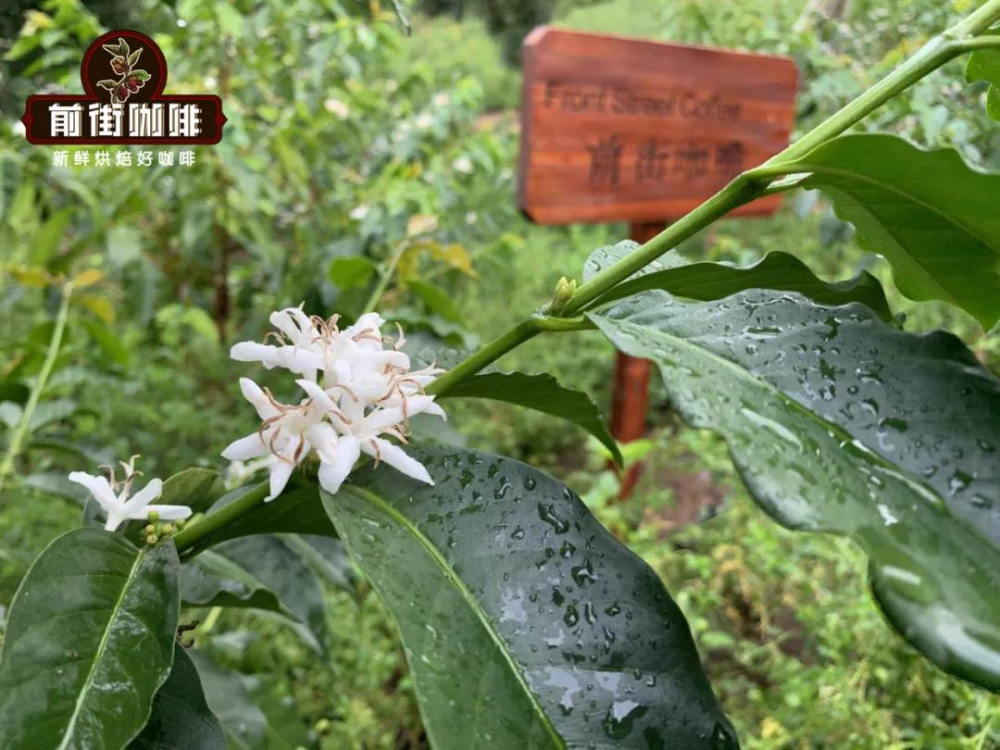
The Brand 2013 pour over presents flavors of dried apricot, gentle fruit acidity, chocolate, and black tea, with a refreshing taste and distinct layers; whereas Yunnan small-grain coffee offers notes of starfruit, plum, melon, cream, and black tea tones, overall smooth and bright, with a tea-like aftertaste and slight acidity, suitable for drinkers who enjoy fruity acidity and balanced flavors. If you prefer a softer acidity, opt for high-altitude light-roast Typica; if you dislike acidity, dark-roast beans offer a richer, sweeter bitterness.
In summary, Yunnan small-grain coffee not only carries a century of historical legacy, but also exhibits diverse characteristics in variety, growing region, and processing method. Whether you’re a beginner pour over enthusiast or a coffee lover seeking distinctive flavors, you can find your perfect cup among Yunnan coffees.

The above content is compiled by CoffeeHunters, a coffee news website.


