







Introduction:Want to dive deeper into the charm of Indonesian Mandheling coffee? This article breaks down the unique flavors and brewing techniques of this classic dark roast bean—from the terroir of Sumatra, the characteristics of Lintong and Gayo mountains, the PWN Golden Mandheling certification, to the wet-hulled processing and roasting profiles. Whether you’re a beginner or an advanced coffee enthusiast, you’ll find practical tips for selection and pour over brewing.
When it comes to Indonesian coffee, many people first think of Mandheling. This bold and full-bodied coffee is often mistakenly thought of as "too bitter to drink," but in the world of specialty coffee, it has won the favor of many coffee lovers for its unique regional characteristics and consistent quality.
But did you know? Mandheling is actually not the name of a region, variety, or processing method, but rather a misunderstanding from World War II. A Japanese soldier in Sumatra once drank a rich and robust cup of coffee and learned that it came from the Mandailing ethnic group’s homeland. The name stuck and eventually became synonymous with high-quality Arabica coffee from Sumatra.
As one of Indonesia’s main specialty Arabica producing regions, Sumatra’s geography and microclimate give Mandheling its distinctive flavor profile. Nowadays, most high-quality Mandheling comes from two major regions: Lintong and Gayo, both situated at elevations between 750 to 1,500 meters, with the best performance typically above 1,200 meters.
Coffee in the Lintong region is grown on clay-rich, fern-covered hillsides using unshaded cultivation, mostly managed by smallholder farmers. The planting and post-harvest processes are more meticulous, often resulting in complex layers of herbal, spicy, and woody notes. Its full-bodied and robust taste makes it a great entry point for experiencing Sumatran flavors.
Another well-known region—Aceh’s Gayo Highlands—gained fame thanks to the “Golden Mandheling” launched by Indonesia’s top green bean exporter, PWN. This coffee undergoes at least three rounds of manual sorting after harvest, keeping only whole beans larger than 18 mesh with an extremely low defect rate, classified as G1, the highest grade. Its color tends to be dark green, with uniform bean shape, mostly flat beans, and is widely recognized as a high-quality representative in the market.
It’s worth noting that many products labeled as “Golden Mandheling” on the market are not officially certified by PWN, and their quality can vary greatly. True PWN-certified Golden Mandheling not only has minimal defects but also comes with a certification and a special jute sack. Consumers should pay extra attention when purchasing.
In terms of variety, Mandheling does not refer to a single coffee variety but rather encompasses various Arabica cultivars grown in Sumatra. Early introductions of Typica have long adapted to the environment, evolving into local variants, but many generally carry Robusta genes—for example, the common Ateng (i.e., Catimor) and TimTim (a Timor with Robusta lineage). As a result, the flavors often feature herbal, spicy, and woody notes, with low acidity but rich and layered aromas.
Indonesia’s coffee processing methods have also developed a unique style due to climate limitations. With humid weather and a lack of large centralized processing facilities, most smallholders use washed fermentation to quickly remove the pulp and mucilage, then dry the beans using sun drying or mechanical methods to reduce moisture content to 13%. During this process, the so-called “wet-hulling method” is often employed—that is, removing the parchment layer while the beans are not yet fully dry. Although this can lead to more defective beans, it also creates Mandheling’s signature intense body and low acidity.
Because the beans are still soft during wet-hulling, mechanical handling can easily cause hoof-shaped damage, making quality control especially critical. Generally speaking, the more rounds of manual sorting (e.g., double or triple hand sorting), the lower the defect rate and the better the final flavor performance.
Indonesia’s coffee grading system is mainly based on the number of defects, ranging from G1 to G6, with G1 being the highest grade and having the fewest defects. In addition, some high-quality beans are also labeled with bean size, such as 18 mesh, and the number of sorting rounds, all of which are important indicators of green bean quality.
When it comes to roasting, the most captivating aspect of Mandheling lies in its full-bodied texture and low acidity. To highlight these traits, most specialty coffee roasters opt for a medium-dark roast level, allowing the coffee to showcase rich caramel, chocolate, and herbal undertones, while maintaining a balanced sweetness and body.
Within a few days after roasting, it’s normal for the beans to develop an oily sheen as they release a large amount of carbon dioxide. This doesn’t affect the flavor.
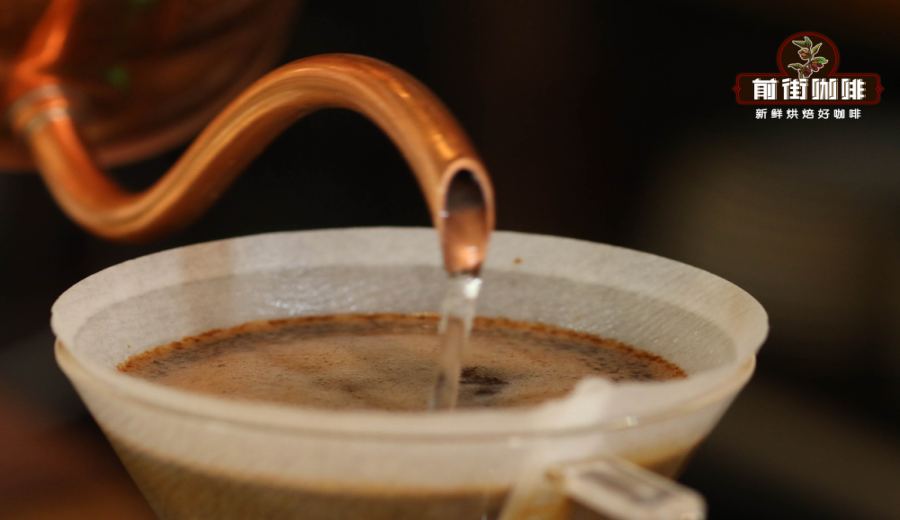
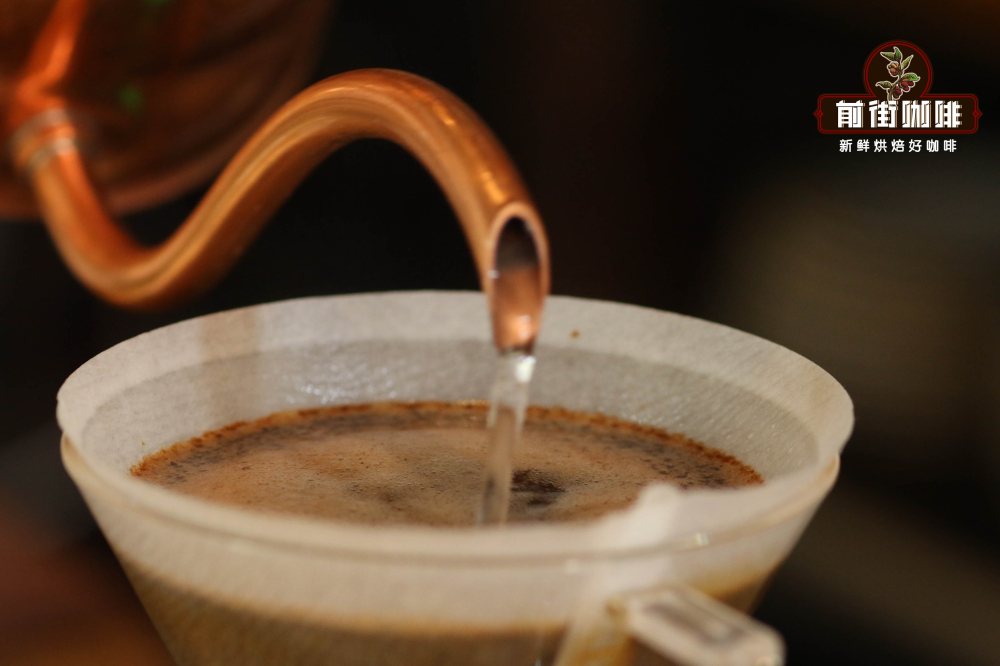
As for brewing, if you want to fully experience the layers and richness of Golden Mandheling, it’s recommended to use a KONO filter. Its conical design evenly distributes water flow, and using a medium grind size (such as 70% passing through a Chinese No. 20 sieve) can extend extraction time, making the flavors more concentrated. Specific parameters are suggested as follows:
Filter: KONO
Coffee dose: 15 grams
Coffee-to-water ratio: 1:15
Grind size: 70% passing through a Chinese No. 20 sieve
Water temperature: 88°C
Brewing steps:
1. First pour: 30 grams of water, bloom for 30 seconds
2. Second pour: spiral pour to 125 grams, then add more water until reaching 225 grams after the water level drops
3. Total brew time: approximately 2 minutes and 10 seconds
This brewing method fully highlights the nutty, caramel, and chocolate aromas of Mandheling, with a long and layered finish. If it’s from the Lintong region, the Mandheling often presents a balanced flavor of rich herbs and dark chocolate, ideal for those who enjoy a fuller body.
The above content is compiled by CoffeeHunters, a coffee news website.


