







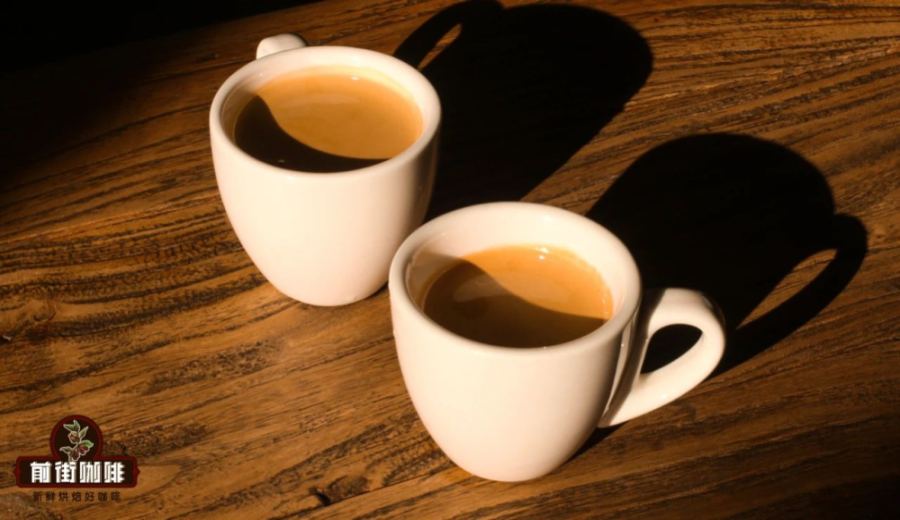
Introduction:To master the ideal shot of espresso, the key lies in precise control of dose, yield, and extraction time. This article starts with the structural differences between single and double basket portafilters, incorporates actual extraction data, explains why the double basket has become the mainstream choice, and details the dosing, tamping, extraction, and tasting techniques using the standard process of extracting 40g of coffee liquid from 20g of coffee grounds in approximately 28 to 30 seconds—offering both beginners and advanced enthusiasts a practical benchmark to find their optimal operation.
To brew a high-quality shot of espresso,dose, yield, and extraction timemust achieve balance. This article begins with the structural differences between single and double baskets, and through actual extraction data, analyzes why the double basket is more favored. Then, using the common standard process of “extracting 40g of coffee liquid from 20g of coffee grounds in about 28 to 30 seconds” as an example, it breaks down each step—dosing, tamping, extracting, and tasting considerations—whether you’re a beginner new to semi-automatic machines or a coffee enthusiast looking to fine-tune parameters, you’ll find practical insights here.
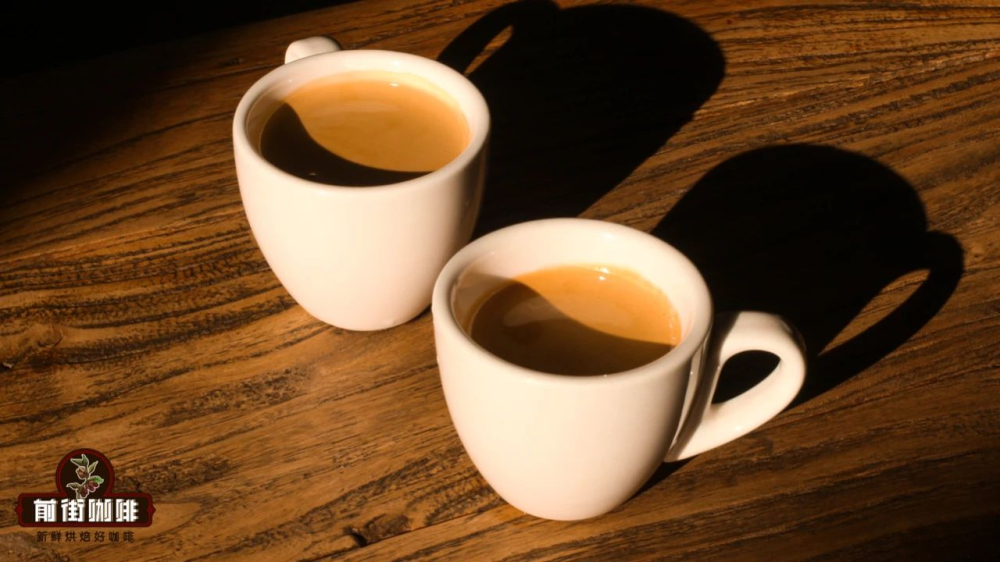
Many people’s impression of a “single shot” (often called 1 shot) comes from early bar culture, where 1 shot was roughly equivalent to 30 milliliters. According to traditional standards, making a single shot required 9 to 11 grams of coffee grounds. However, over time and with equipment improvements, such parameters have gradually been phased out by the market, mainly due tothe design limitations of single baskets.
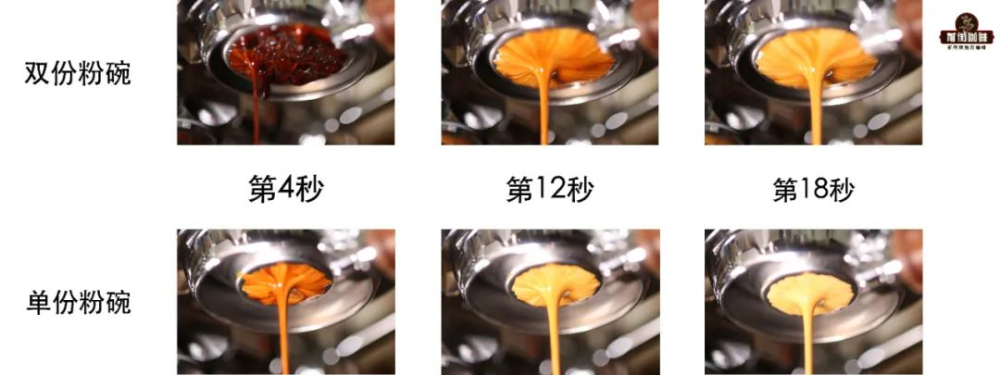
For those familiar with semi-automatic espresso machines, the structure of a double basket is not unfamiliar: its interior is cylindrical, and the resulting coffee puck is flat and neatly edged, resembling a round almond cookie. In contrast,a single basket features an inverted cone design. Its upper opening is similar to that of a double basket, but because it holds only half the amount of coffee, the lower section narrows significantly to maintain a consistent puck thickness. Yet, in practice, the extraction performance of a single basket is not as ideal as expected.
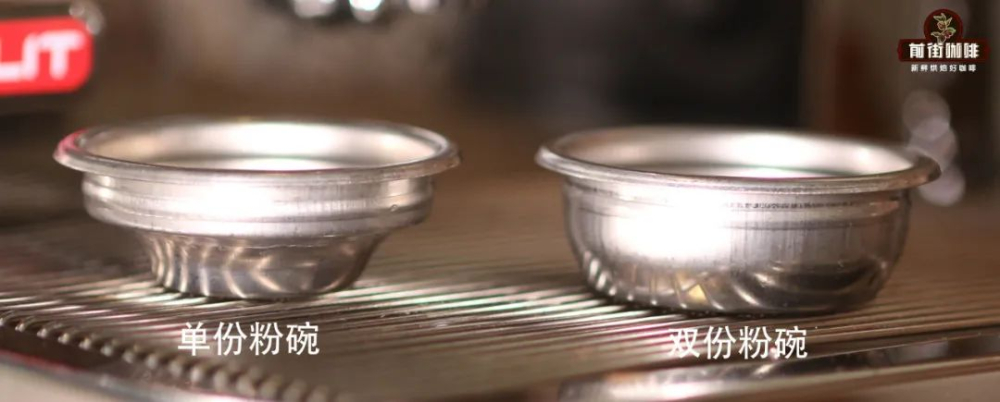
According to measured data, when using a double basket to extract with 20g of coffee grounds, approximately 40g of coffee liquid can be extracted in about 27 seconds, achieving a coffee concentration of around 10.48% and an extraction yield of 21.72%. However, if a single basket is used with just 10g of coffee grounds to aim for 20g of liquid output, the flow rate often becomes too fast—the total extraction time may only take 22 seconds, with concentration measured at just 8.83% and extraction yield dropping to 18.38%. This difference clearly demonstrates that the single basket is far less practical than the double basket.
Precisely because the extraction results of a single basket are often “mediocre at best,” even though many home or commercial machines come with both single and double baskets, most users tend to leave the single basket in the box, rarely using it. Nowadays, the industry generally regards the shot from a double basket as the “standard single shot,” and the mainstream coffee-to-water ratio also commonly adopts the golden 1:2 proportion.
The following will use a common double basket as the basis, and select the “Sunflower · Warm Sun Blend Espresso Beans” as the demonstration beans, to guide readers step-by-step in how to make a standard shot of espresso. It is recommended to familiarize yourself with your equipment beforehand and prepare basic tools such as an electronic scale, distribution tool, and tamper.
In terms of dose setting, it is generally recommended to use the standard capacity of a double basket, keeping the coffee dose within18 to 20 grams, and based on a 1:2 coffee-to-water ratio, extracting36 to 40 grams of coffee liquid. If using 18g of coffee, the target liquid weight is 36g; if using 20g, then extracting 40g is the ideal range. As for extraction time, it is closely related to the coffee grind size and flow rate, and it is generally recommended to control the single extraction time within20 to 35 seconds. If the time is under 20 seconds, under-extraction is likely, resulting in thin flavors; if it exceeds 35 seconds, over-extraction may lead to bitterness and burnt notes. Based on the experience of many shops,an extraction time of 28 to 30 secondsoften achieves the best balance.
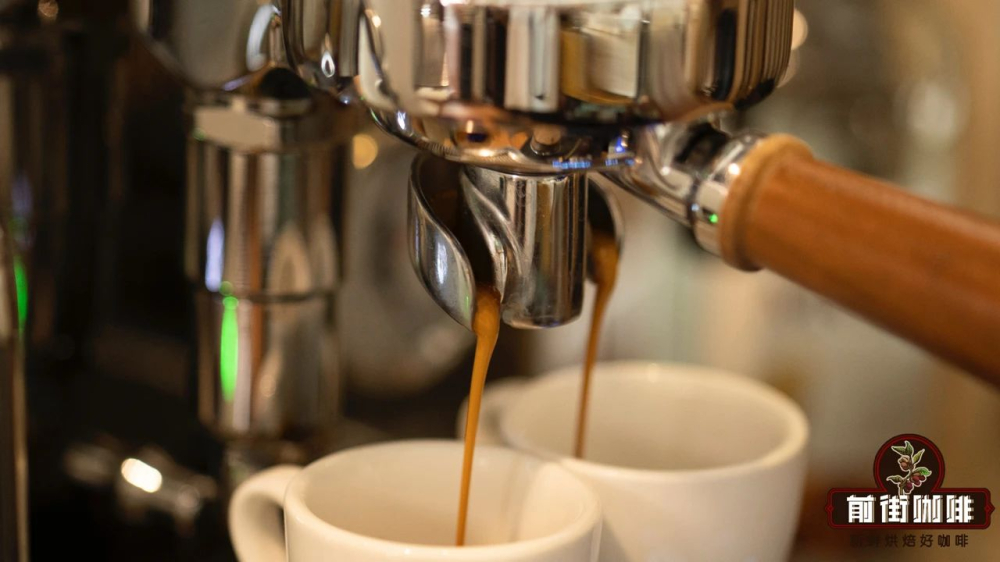
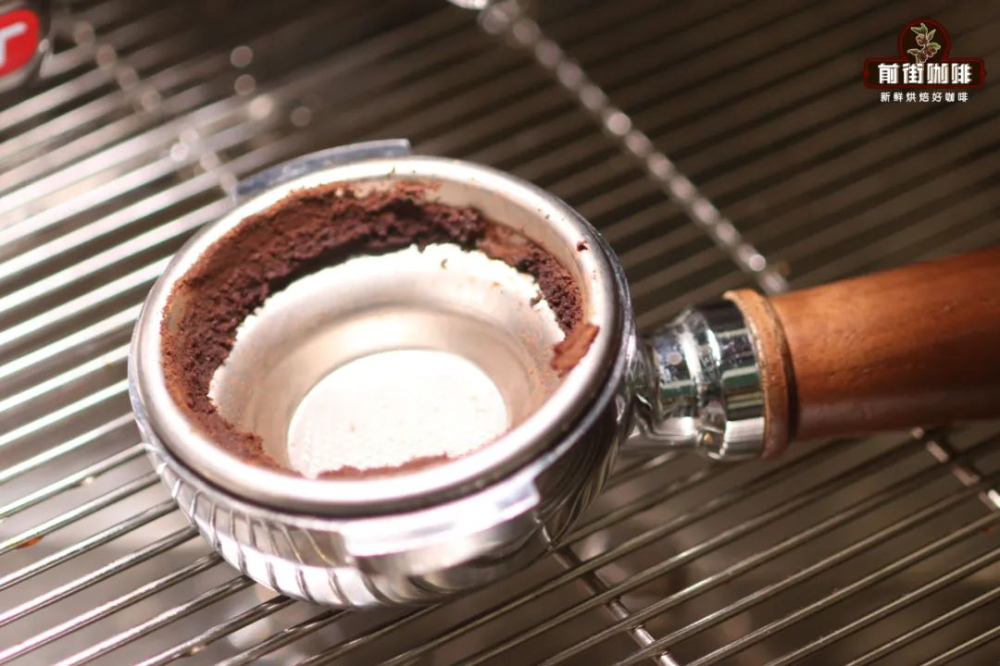
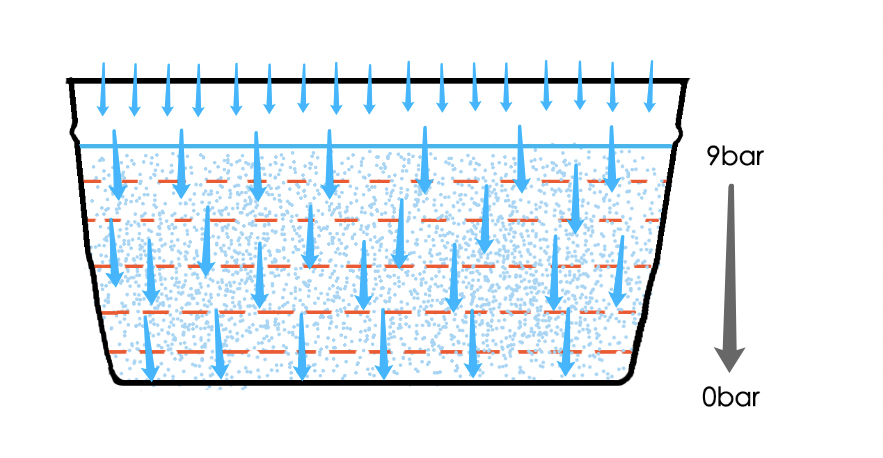
Before starting extraction, it is recommended to thoroughly dry the basket to ensure no residual moisture affects the coffee distribution. Then, grind the appropriate amount of double basket coffee grounds using the grinder, and measure precisely with an electronic scale until the target dose is reached (20g is recommended). Next, use a distribution tool to evenly spread the coffee grounds, avoiding clumping or hollow spots. Immediately after, use a tamper to apply downward pressure and compress the coffee into a stable puck—this step is crucial for the stability of subsequent extraction.
After tamping, it is recommended to first turn on the extraction switch and let hot water flow for about 1 to 2 seconds. This helps to wet the brew head and rinse off any old coffee residue. Then, place an electronic scale under the cup that will catch the espresso and zero it, ensuring accurate measurement of the extracted liquid weight. Gently lock the portafilter into the brew head, then pull the extraction switch to begin the official brew.
During extraction, be sure to observe the flow rate and color changes of the coffee liquid. When the electronic scale shows the liquid weight reaches40 grams, and the extraction time is around30 seconds, you can pull the switch to stop extraction. Note that due to daily variations in humidity, coffee bean freshness, and grind fineness, actual extraction parameters may need adjustments—including dose, grind size, and target liquid weight. It is recommended to adapt flexibly based on current conditions.
Freshly extracted espresso can be enjoyed directly or paired with a glass of water to cleanse the palate and better appreciate the layers and flavors of the shot. If you’re not used to strong bitterness, you can also adjust the concentration and taste by adding hot water or milk according to personal preference.
When tasting, it is recommended to first sniff near the rim of the cup to perceive the aromas—the beans used here often carry a complex profile ofwhisky, vanilla, nuts, and cream. Next, gently stir with a metal spoon to fully integrate the crema (coffee foam) with the underlying liquid. The first sip is advised to be small, to savor the richness and chocolate notes brought by the velvety crema; followed by a bigger sip, letting the intense flavors of nutty cookies, berries, chocolate, and whisky unfold layer by layer in the mouth. Along the way, a sip of water can enhance the lingering sweet and layered finish, delivering a complete and rich tasting experience.
The above content is compiled by CoffeeHunters, a coffee news website.


