







Introduction:From light to dark roast, each degree of roasting imparts a distinctly different flavor profile to coffee. This article provides a detailed breakdown of the eight standard SCAA roast levels, covering Agtron color ranges, optimal drop times, corresponding flavor characteristics, and offers practical tips and precautions for home drum roasting, helping you master the keys to even roasting and balanced flavor.
In recent years, an increasing number of coffee enthusiasts have moved beyond simply tasting and have begun trying their hand at roasting coffee beans themselves. However, uneven bean color is a common issue during home roasting, and both roast level and evenness are key factors that influence the final flavor. This article will start with practical experience, first introducing suitable home roasting tools and basic techniques, then systematically outlining the eight internationally recognized roast levels—from light to very dark—explaining the corresponding Agtron color ranges, ideal drop timings, and flavor profiles one by one, helping readers establish a clear understanding of the relationship between roast level and flavor.
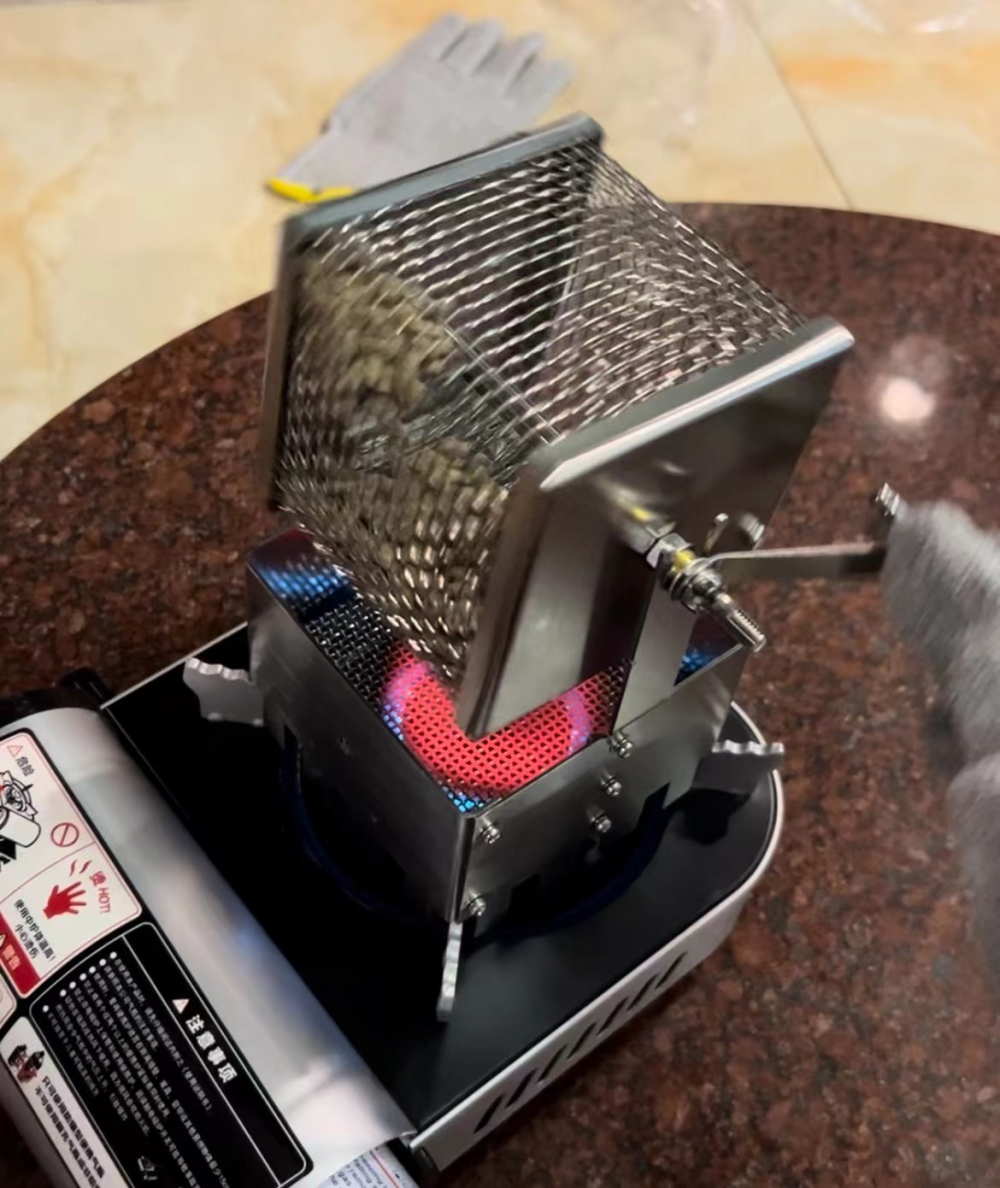
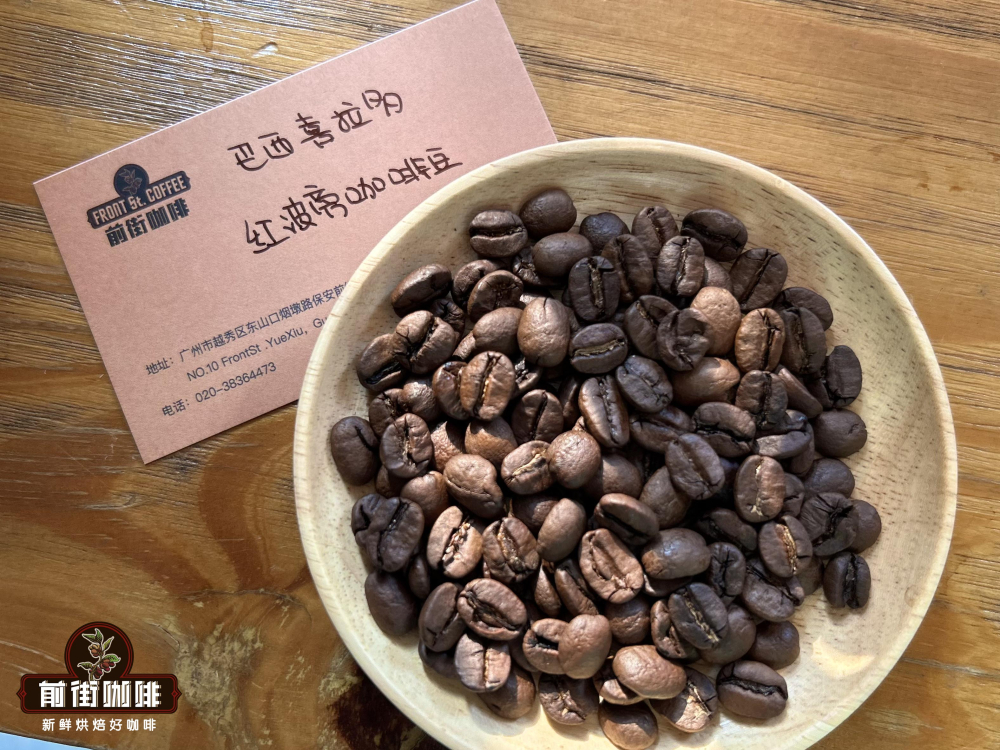
There are various methods of home roasting circulating online, such as pan-frying, oven roasting, or even experimenting with air fryers, but these methods struggle to ensure even heating and consistent agitation of the coffee beans. To achieve more consistent roasting results, it is recommended to use a drum-style roasting tool. Based on practical experience, there are two key points when using drum roasting: First, you must use low heat and slow roasting—otherwise, the surface may scorch while the inside remains under-roasted. Second, once the device is ignited and the heat is adjusted, immediately place the drum in and maintain a steady rotation speed of 60 to 65 revolutions per minute. Compared to professional roasting machines, drum roasting often takes more than twice as long. For example, roasting Brazilian Cerrado Red Bourbon beans from the first crack stage to a medium-dark level takes about 13 minutes with professional equipment, with 3 minutes and 30 seconds from the start of the first crack to dropping the beans; whereas with drum roasting, the same level takes about 31 minutes, during which continuous and uniform rotation is essential—if the speed is reduced or paused, it can very easily lead to localized scorching.
Although home roasting is more labor-intensive, it allows you to witness the coffee beans gradually turning from green to yellow, releasing a sweet aroma reminiscent of corn; then shifting to a cinnamon hue, exuding caramel notes; and finally evolving into a deep chocolate color, bringing nutty aromas. The entire process is not only therapeutic but also helps you gain a deeper understanding of how the roasting process shapes flavor.
Referring to the roast level standards set by the global Specialty Coffee Association (SCAA), commercially available coffee beans can be roughly categorized into eight main levels. The lightest roast level has an Agtron color value of 95, known as Light Roast, typically dropped during the first crack (when the beans are continuously cracking), with flavor characterized predominantly by bright acidity. Next is the Cinnamon Roast with an Agtron color value of 85, dropped around the end of the first crack (just as the cracking sounds cease or only sporadic sounds remain), generally offering an acidic yet slightly sweet overall flavor.
The Medium Roast with an Agtron color value of 75 is dropped after the first crack has completely ended, with this type of coffee focusing on sweetness while retaining some fruity acidity. Going a level darker, the High Roast with an Agtron color value of 65 is usually dropped during the brief quiet period between the end of the first crack and the beginning of the second crack (about 1 to 2 minutes), presenting flavors of nuts and caramel, with a balanced taste and little noticeable acidity.
The City Roast with an Agtron color value of 55 is dropped when the second crack just begins (when faint cracking sounds emerge after the quiet period), at which point the coffee’s bitterness becomes more apparent and the caramel aroma more pronounced. The Full City Roast with an Agtron color value of 45 is dropped just before the second crack becomes dense (before clear cracking sounds are heard), representing a darker roast level, with a more intense, bitter, and rich flavor.
Going further into darker roasts, the French Roast with an Agtron color value of 35 is dropped during the dense phase of the second crack (when the cracking sounds are lower-pitched than the first crack), at which point the coffee beans begin to exude oils on the surface. Finally, the Italian Roast with an Agtron color value of 25 is dropped after the second crack has completely ended, with the coffee beans exhibiting a shiny jet-black appearance and visibly oozing surface oils.
Whether professionally roasted or tried at home, most coffee beans are rarely roasted beyond an Agtron color value of 65, because although extremely dark roasting can deliver a rich and bold taste, it often sacrifices a diverse range of flavor layers. For those new to drum roasting, it is not recommended to start with very light roasts, as improper control of heat may result in the surface color meeting standards but the inside remaining underdone, leading to grassy or astringent off-flavors. Mastering even heating and moderate roasting is the key to truly appreciating the unique charm behind each roast level.
The above content is compiled by CoffeeHunters, a coffee news website.


