







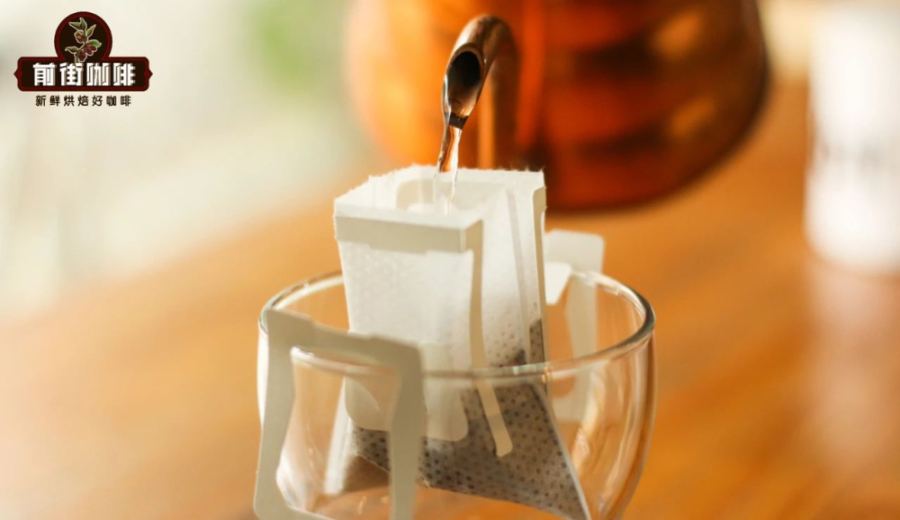
Introduction:Drip bags have become the go-to choice for busy modern lifestyles due to their convenience—but how do you choose the right flavor profile for your taste? How does a dark roast Brazilian bean perform in terms of acidity? And what’s the best way to brew a Mandheling or Yirgacheffe drip bag? This article takes an in-depth look at the origins of drip coffee bags, their brew limits, and offers detailed brewing parameters and flavor selection advice to help you find your perfect drip coffee experience.
The Origins and Convenience of Drip Coffee Bags
The prototype of the drip coffee bag was first developed by Japan’s UCC Ueshima Coffee, combining a filter pouch with ground coffee. This design allows users to enjoy near-pour over quality without complicated equipment. As life节奏s have sped up, drip coffee bags have rapidly gained popularity for their “brew-and-go” nature, making them especially ideal for office or travel use. .
Brew Limits of Drip Coffee Bags
Coffee beans only release about 3% of their flavor compounds, and over-brewing not only fails to enhance taste but can lead to over-extraction due to prolonged steeping. Practical testing shows thata single 10-gram drip coffee bag is best brewed only once; a second brew will release noticeable bitterness, and excessive caffeine dissolution can disrupt the original balanced flavor.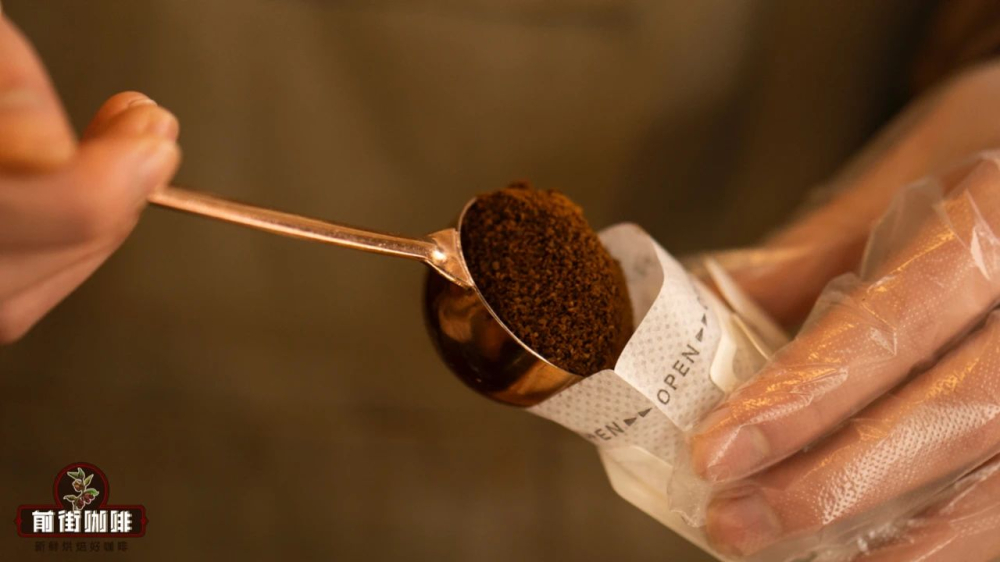
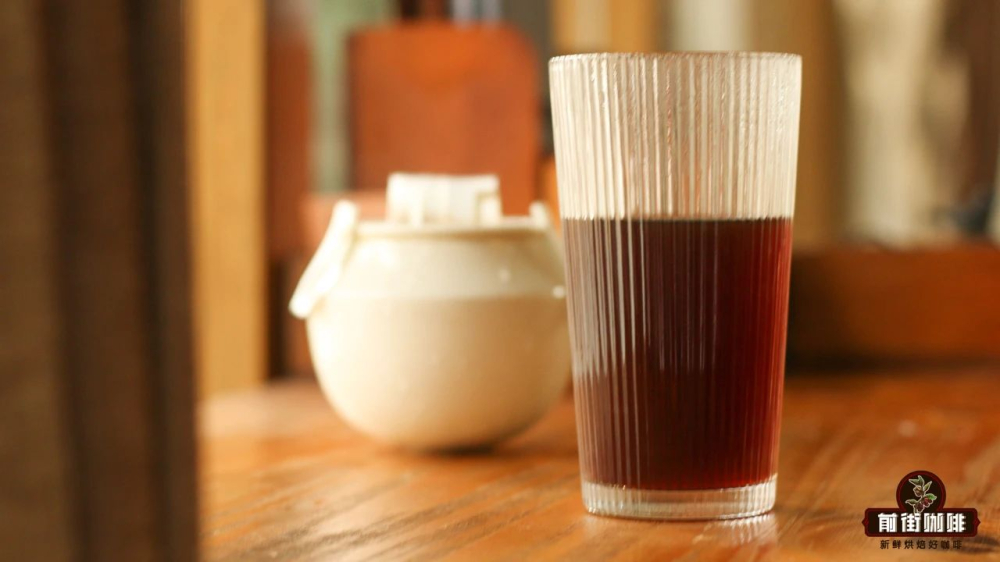 It’s worth noting that even within the coffee’s best-before period, repeated brewing will still significantly degrade overall performance.
How to Choose High-Quality Drip Coffee Bags
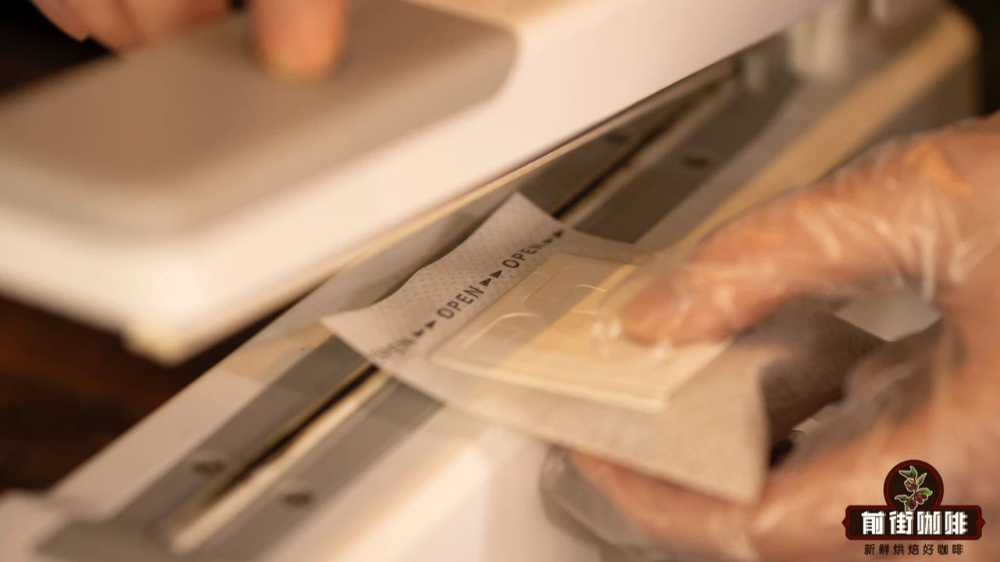
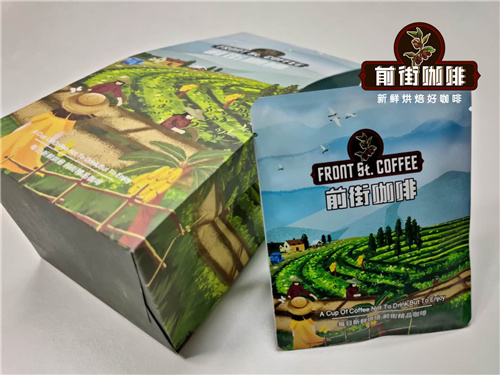
When purchasing, prioritize the roast date over the expiration date—freshness directly affects flavor. It’s recommended to choose products roasted within14–30 days prior, when the balance of sweet, sour, bitter, and salty notes is at its peak. When examining packaging, opt for designs with aluminum foil layers and one-way degassing valves, which help delay oxidation.
 .
Key Points in Flavor Profile Selection
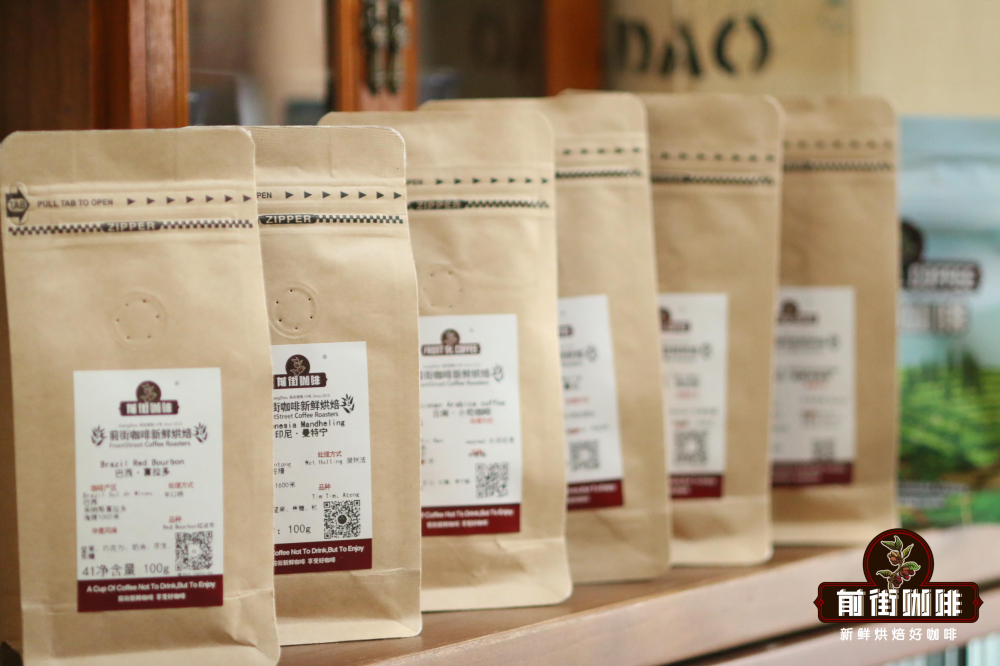
Drip coffee bags from different regions offer unique characteristics: Dark roast Brazilian beans often present nutty, chocolatey, and creamy notes with low and mellow acidity; Yirgacheffe shines with bright lemon, blueberry acidity, and jasmine floral notes; Mandheling is known for its full body and herbal, spicy aftertaste. Processing methods also significantly impact flavor—for example, sun-dried Brazilian beans highlight a more pronounced sweetness, while washed Yirgacheffe exhibits a clean and crisp acidity.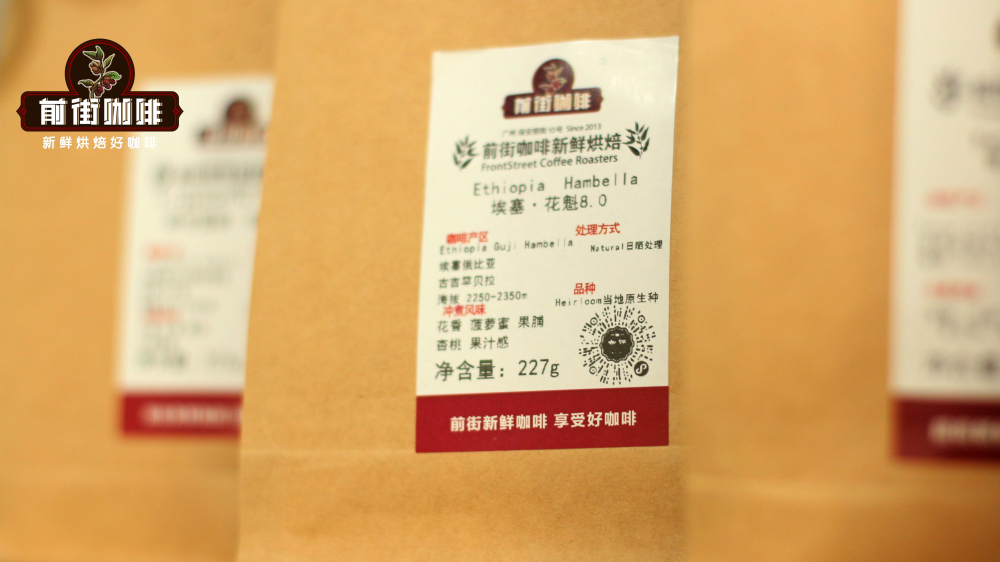
 .
Scientifically Setting Brewing Parameters
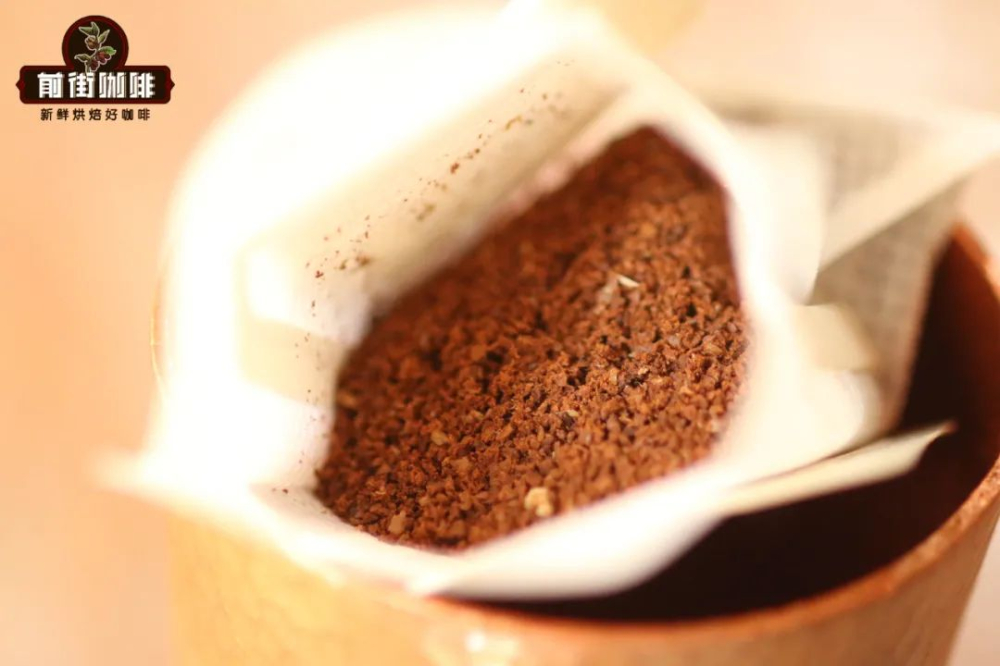
The ideal water temperature should be adjusted according to roast level:dark roast recommends 88°C, light roast suits 90–92°C. Use a medium-fine grind (approximately 0.8–1.0 mm)—too coarse may lead to under-extraction and a watered-down taste, while too fine may cause over-extraction and bitterness. During brewing, follow the basic process of “pre-wetting for 20 seconds → pouring in stages to 150–180 ml,” maintaining an even and steady water flow to ensure uniform extraction.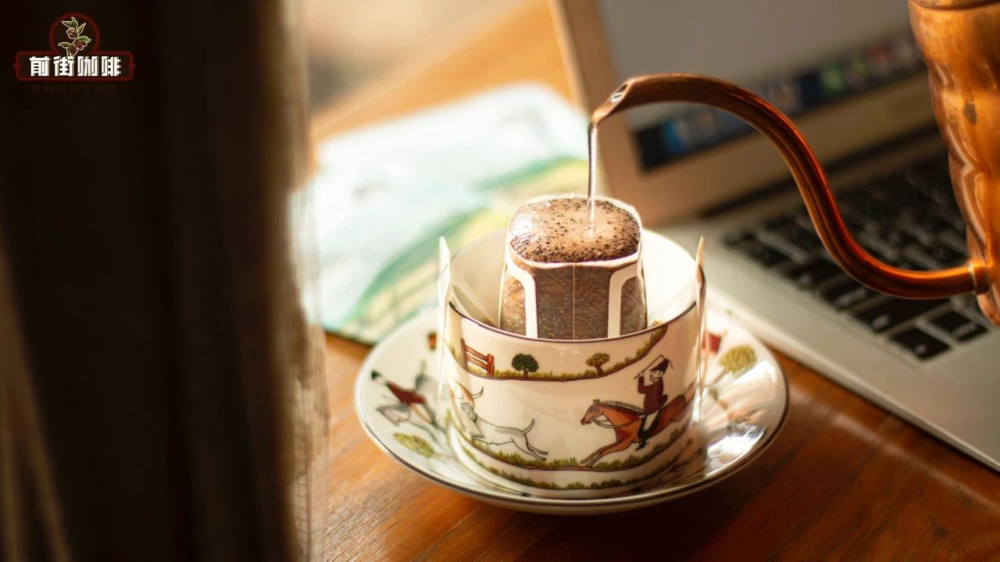
 .
Complete Step-by-Step Brewing Guide
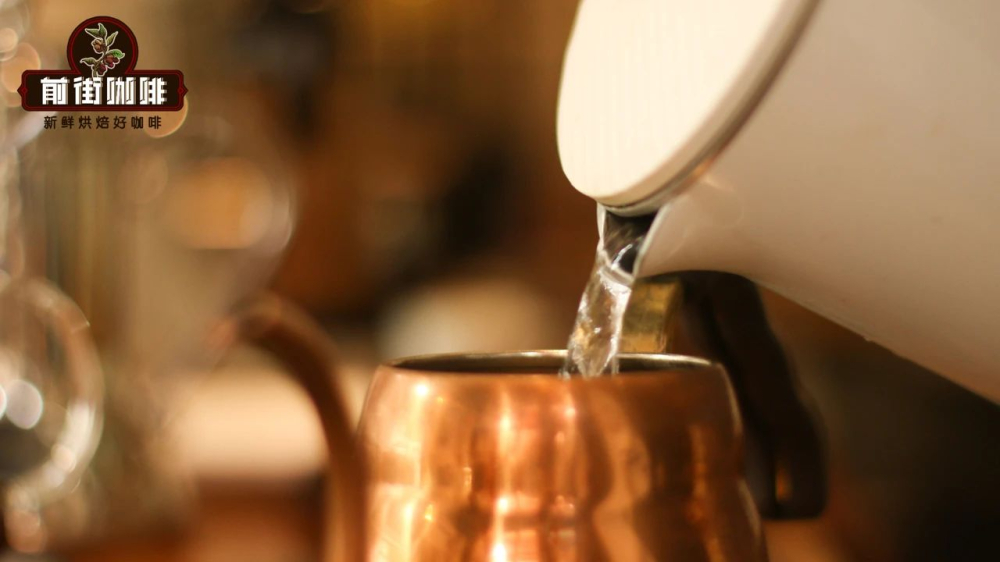
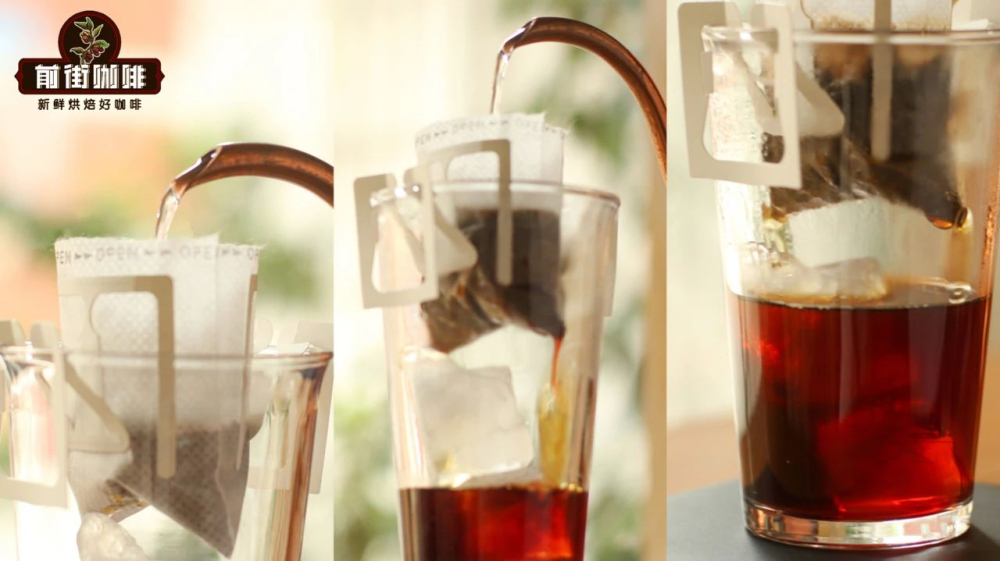
1. Cup Preheating: Pour hot water into your cup to preheat it, minimizing heat loss.
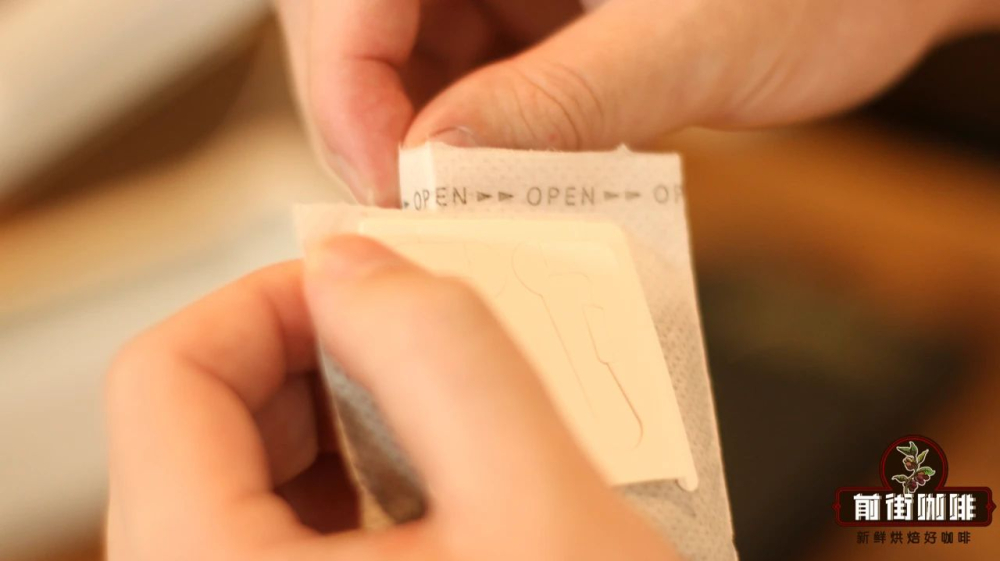
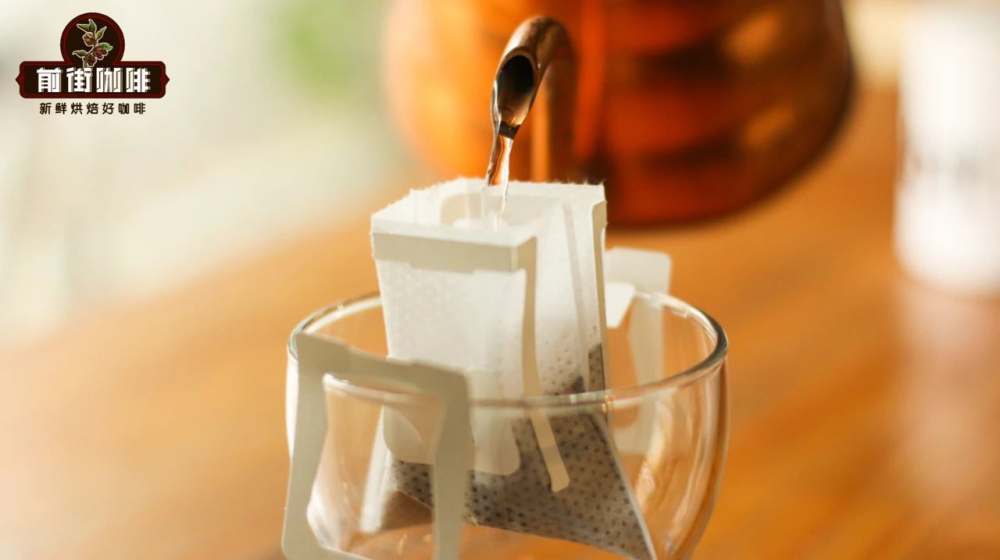
2. Filter Bag Setup: Gently shake the drip bag to evenly distribute the coffee grounds, then hang and secure it.
3. Pre-Wetting Stage: Pour a small amount of hot water (about 30 ml) to bloom the grounds for 20 seconds, activating the coffee.
4. Main Extraction Phase: Pour water in a circular motion until about 80% full, keeping total water volume between 150–180 ml.
5. Flavor Tasting: Drink while hot to experience prominent acidity; as it cools slightly, sweetness and body become more noticeable.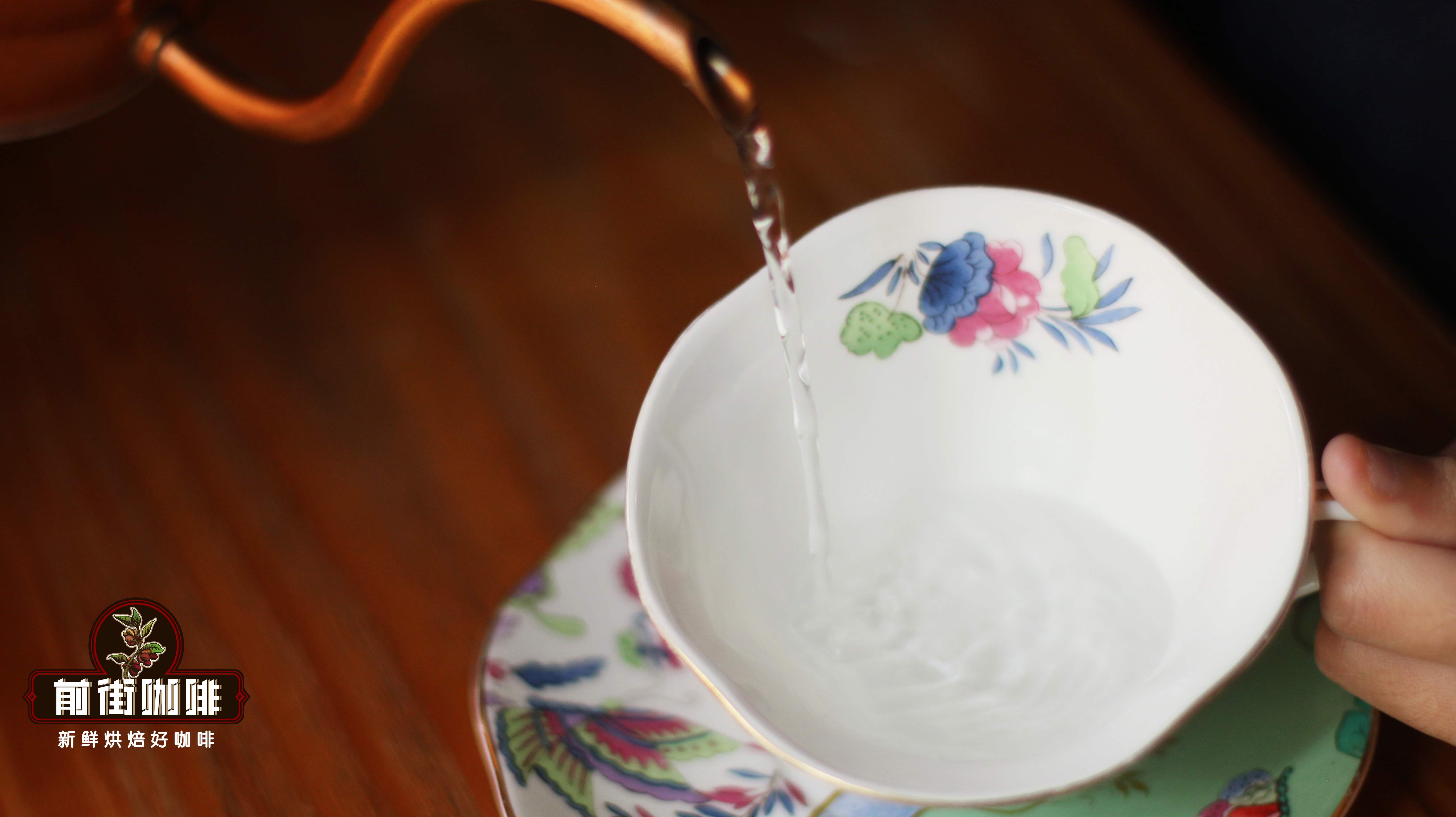
 .
Common Misconceptions and Tips
Many consumers mistakenly believe drip coffee bags can be brewed multiple times like tea, but in reality, the second brew contains less than 1% of flavor compounds. Also avoid using any water source other than filtered water—hard water minerals can impair extraction efficiency. Store the bags away from sunlight and moisture, and it’s best to consume them within 7 days after opening to maintain optimal quality.
The above content is compiled by CoffeeHunters, a coffee news website.


