







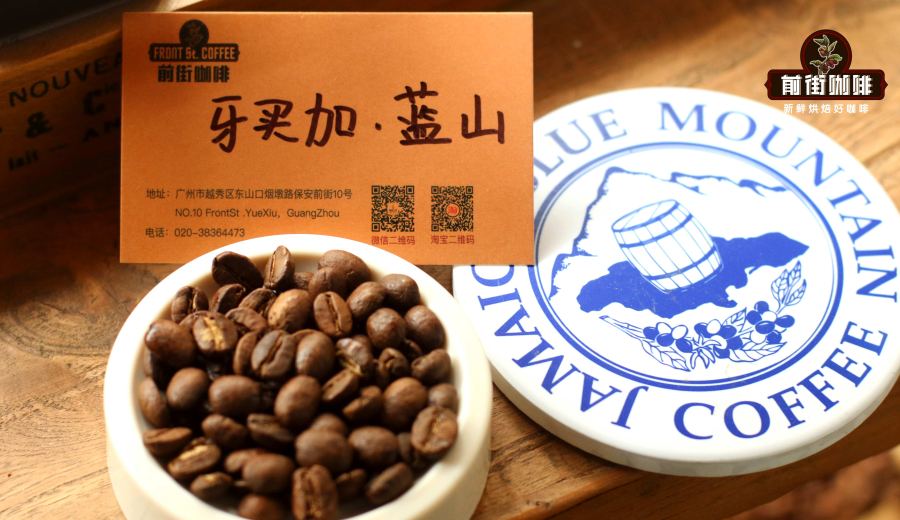
Introduction:Jamaica Blue Mountain coffee is renowned for its Typica variety and is globally recognized as a top-tier specialty coffee. This article delves into the background of the Blue Mountain growing region, the official CIB grading standards, explains how to identify genuine Blue Mountain No. 1 coffee beans, and provides professional parameters and brewing tips for both pour over (V60, KONO, Kalita) and espresso, helping coffee enthusiasts fully master the brewing techniques and flavor characteristics of this legendary bean.
Jamaica Blue Mountain coffee is a premium specialty coffee from the Caribbean island nation of Jamaica, based on the Typica variety, with a balanced and elegant flavor profile, and is world-famous for its rigorous grading system. This article starts with the geographical and historical background of the Blue Mountain region, analyzes its washed processing method, the official grading standards of the CIB (Coffee Industry Board of Jamaica), and introduces what truly constitutes Blue Mountain No. 1 coffee beans. In addition, it also shares detailed practical brewing methods for espresso, latte, Americano, as well as pour over using V60, KONO, and Kalita filters, helping you deeply experience the diverse flavor expressions of this legendary coffee.
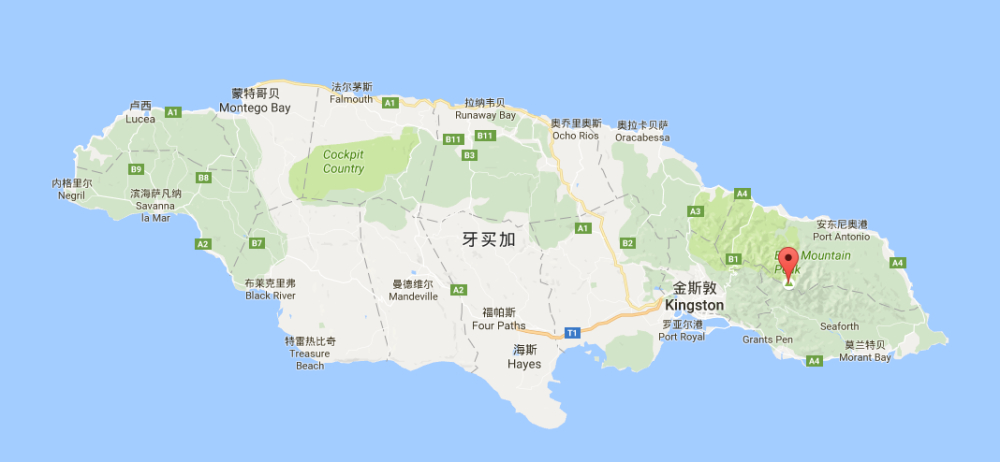
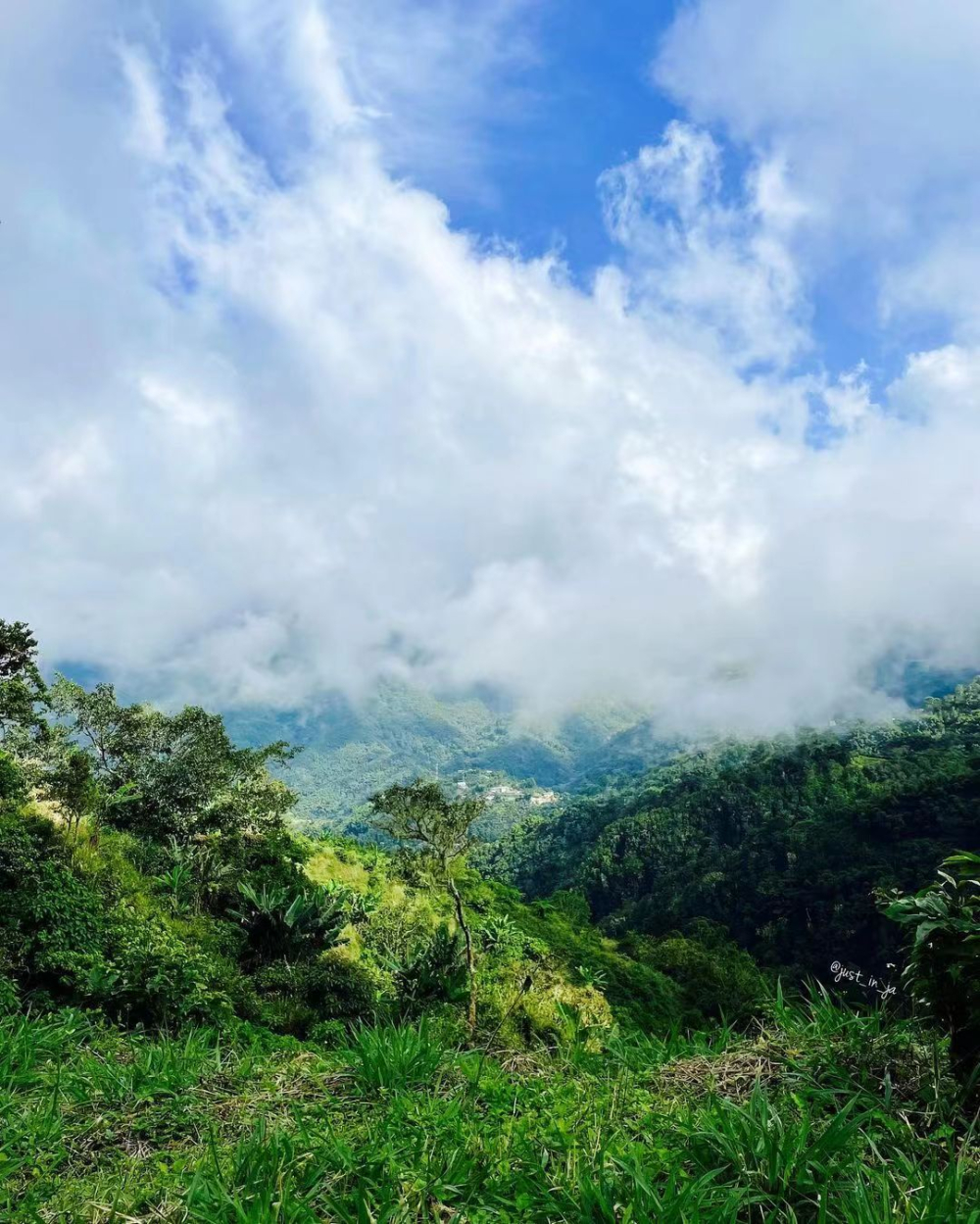
The production area of Blue Mountain coffee is concentrated in the Blue Mountain mountain range in northeastern Jamaica, covering four administrative regions: St. Andrew, St. Thomas, St. Mary, and Portland. Among them, St. Andrew is the region where Arabica was first introduced and has the longest planting history. As early as the mid-1720s, the then Governor of Jamaica, Nicholas, introduced Arabica cultivation and gradually promoted it with St. Andrew as the core. Due to the rugged terrain and steep slopes of the Blue Mountains, overall production is limited, so the focus of the local coffee industry has always been on improving quality rather than expanding scale. In 1948, the Jamaica Coffee Industry Association (CIB) was officially established and began systematic grading and quality control of Blue Mountain coffee.
The exceptional flavor of Blue Mountain coffee lies in the use of the ancient and mild-flavored Typica variety. This variety performs exceptionally well at high altitudes but is relatively susceptible to disease, making planting and harvesting challenging, requiring meticulous manual care. Locally, the traditional washed processing method is used—from picking, pulping, fermenting, washing to sun drying—each step is strictly controlled to ensure the final green beans are clean and bright, with extremely low off-flavors, balanced acidity and sweetness, and distinct layers. During the washed process, only fully red-ripe coffee cherries are selected, floaters are first removed, followed by 12–18 hours of fermentation to remove the mucilage, then the bean surface is cleaned through water flow and friction, and finally the beans are evenly spread under sunlight until the moisture content drops to 12–14% before packaging.
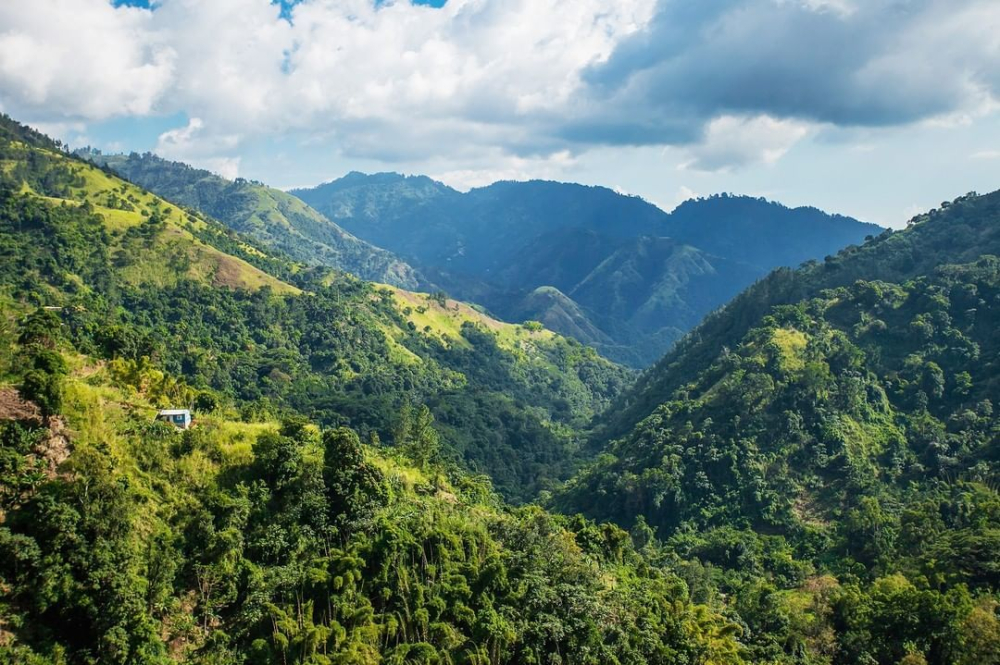
In Jamaica, not all coffee produced in the Blue Mountains can be called 'Blue Mountain coffee.' The CIB categorizes coffee from the Blue Mountain range into three distinct types based on altitude: only Typica coffee grown between 910 and 1700 meters can be rightfully called 'Jamaica Blue Mountain'; those produced between 460 and 910 meters are classified as 'Jamaica High Mountain'; and anything below 460 meters can only be called 'Jamaica Prime.' Notably, areas above 1700 meters have been designated as natural ecological reserves, where coffee cultivation is prohibited. Therefore, only coffee grown above 910 meters, accounting for about one-third of total production, can be labeled as 'Blue Mountain coffee.'
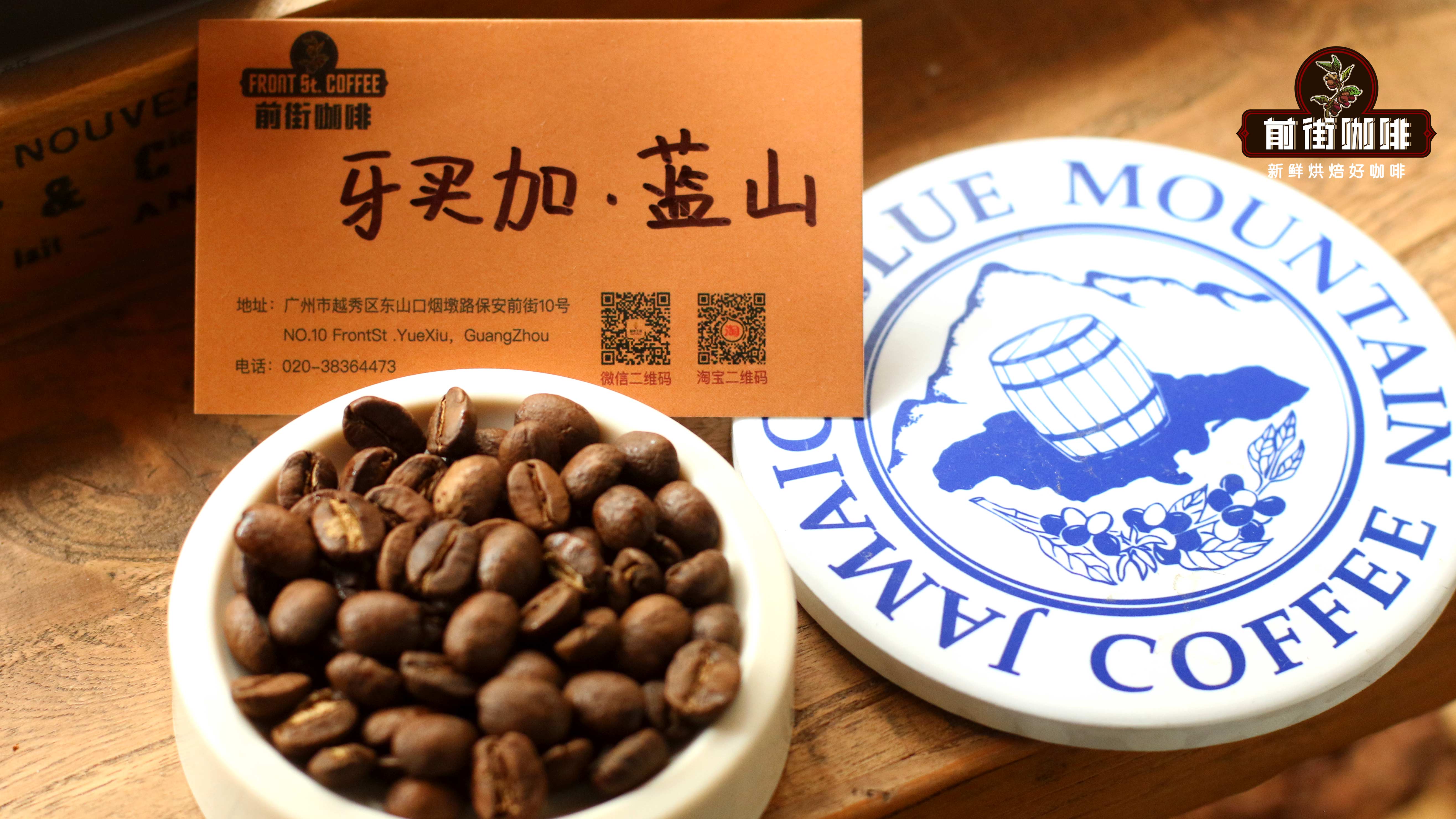
Jamaica Blue Mountain coffee is graded according to strict quality standards, divided into four grades: No. 1, No. 2, No. 3, and PB (Peaberry). Among them, No. 1 is the highest grade, requiring green bean size to be 17 mesh or larger, with a defect rate controlled below 3%. A certain supplier’s Blue Mountain No. 1 is precisely this top-grade. This grade of Blue Mountain coffee is typically exported in traditional wooden barrels, which are stamped with the words 'Jamaica Blue Mountain,' the name of the producing estate (such as Clifton Estate), and the green frog symbol representing Rainforest Alliance certification. This wooden barrel packaging is a rare export form used exclusively for Blue Mountain coffee globally, with barrel sizes including 70 kg, 30 kg, and 15 kg, also serving as one of the key indicators for identifying authentic products. Additionally, each batch of Blue Mountain No. 1 comes with an official certificate issued by the Jamaica Coffee Board, ensuring its origin and quality.
The appearance of Blue Mountain No. 1 green beans is a vivid green, with large and uniform particles, and almost no noticeable defects. Its flavor profile is extremely balanced, with a rich yet refreshing mouthfeel, featuring distinct chocolatey sweetness and soft fruit acidity, and a long, layered aftertaste. Next, we will introduce how to fully bring out the potential of Blue Mountain No. 1 at home through espresso and pour over methods.
[Espresso & Latte Brewing Tips]
Blue Mountain No. 1 is also very suitable for making espresso. It is recommended to use a fine grind (close to the fineness of table salt), with a coffee dose of about 20.5 grams, extracting 40 grams of beverage weight, and aiming for an extraction time of around 26 seconds. When using a pressurized tamper, the tamping pressure is approximately 25 kg/m², which stabilizes extraction and brings out rich caramel aromas. The resulting espresso crema is a beautiful golden yellow. Upon tasting, you’ll first notice soft fruity acidity, followed by the gradual emergence of caramel sweetness, with a finish that carries notes of chocolate and brown sugar. If this espresso is used as a base and mixed with hot water to make an americano, the sweetness becomes more pronounced, the acidity diminishes, and in its place emerges a strong dark chocolate flavor.
When making a Blue Mountain latte, it is recommended to use fresh whole milk, with an espresso-to-milk ratio of 1:5 (for example, 40 grams of coffee liquid paired with 140 grams of milk), steaming the milk to about 60°C to ensure full integration of milk foam and milk. The resulting drink exhibits hazelnut sweetness and creamy chocolate aromas, while retaining the natural sweetness of the milk, delivering an overall balanced and layered taste that is truly impressive.
[Pour Over Options: V60, KONO, Kalita Parameters]
For coffee enthusiasts who prefer pour over, Blue Mountain No. 1 also demonstrates high compatibility. Below are practical parameters and brewing suggestions for three common filter cones:
KONO & Kalita Filter Cones (including fan-shaped and cake-style)
These filter cone designs help achieve even immersion of coffee grounds, especially the KONO cone, which utilizes a siphon effect and air pressure to enhance concentration and body during the initial immersion phase. Recommended dose: 15 grams, water temperature: 88°C, grind size: medium-coarse (similar to coarse sugar, about 70% passing rate through a Chinese No. 20 sieve), brew ratio: 1:15. Brewing steps: start with a 30-second bloom using 30 grams of water, then slowly pour water up to 125 grams and pause, wait for the water level to drop about 1/3 to 1/2, then pour again up to 225 grams, and let the cone fully drain to complete the brew. Total brew time is recommended to be around 2 minutes and 15 seconds. This method yields a coffee with a full body and excellent flavor continuity, ideal for those who prefer a richer mouthfeel.
Hario V60 Filter Cone
The V60 cone has a wide opening and a unique spiral rib design, which facilitates rapid air expulsion, enhancing extraction efficiency and highlighting acidity, sweetness, and aroma, resulting in a relatively bright and juice-like mouthfeel. Recommended dose: 15 grams, water temperature: 88°C, grind size: medium (similar to white sugar, about 75% passing rate through a Chinese No. 20 sieve), brew ratio: 1:15. Operation: start with a 30-second bloom using 30 grams of water, then pour up to 120 grams and pause, wait for the water level to drop 1/3 to 1/2, then pour again up to 225 grams, with a total brew time of about 2 minutes and 05 seconds. This method is suitable for those seeking bright acidity, sweetness, and high aromatic expression.
In summary, Jamaica Blue Mountain No. 1 coffee exhibits an ultimate sense of balance, with a clean and gentle flavor, rich and full-bodied yet without bitterness, soft acidity, and an aftertaste that carries notes of fruit and chocolate. Through different brewing methods—whether the rich and bold KONO or Kalita pour over, or the bright and clear V60 performance—its diverse flavor layers can be fully expressed, making it a classic choice no coffee enthusiast should miss.
The above content is compiled by CoffeeHunters, a coffee news website.


