







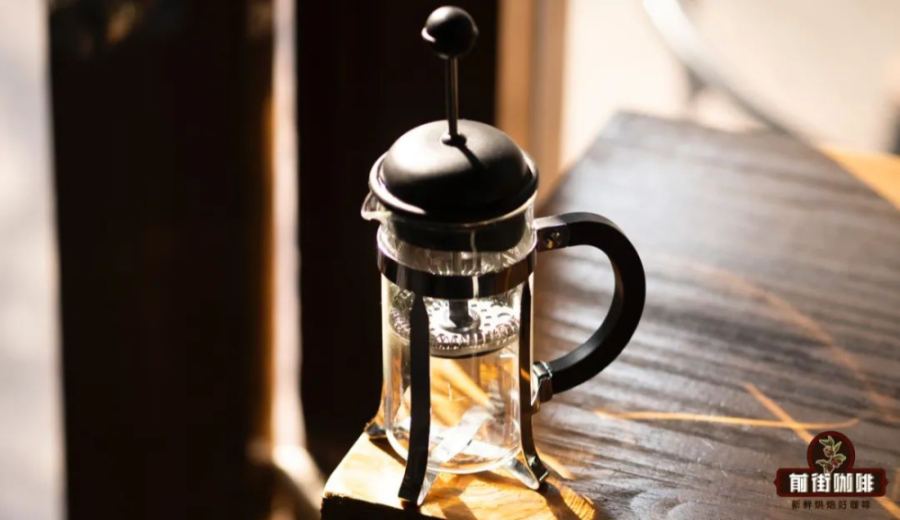
Introduction:Although the French press is simple to operate, brewing a balanced and layered Geisha coffee hinges on mastering the correct extraction parameters. This article delves into the history and structure of the French press and offers practical advice on four key elements: grind size, water temperature, coffee-to-water ratio, and steeping time. Taking a medium-light roasted sundried Geisha as an example, it guides you through how simple steps can bring out bright fruit notes like yellow peach, apricot, and citrus, while also addressing how the metal filter affects body and clarity—helping you easily brew a coffee that’s both refreshing and layered.
The French press may seem straightforward, but consistently brewing great-tasting coffee relies on precise control of various parameters. Starting with the origins and design of the French press, this article helps you understand bean selection and details recommended settings for grind size, water temperature, coffee-to-water ratio, and steeping time. Using a medium-light roasted sundried Geisha as an example, it explores the fresh fruit aromas such as yellow peach, apricot, citrus, and lemon it brings, along with its refreshing taste suitable for both hot and cold drinks. It also discusses the pros and cons of fine grinding, the trade-off between body and clarity from the metal filter, and reminds you of cleaning essentials after use—ensuring optimal flavor in every brew.
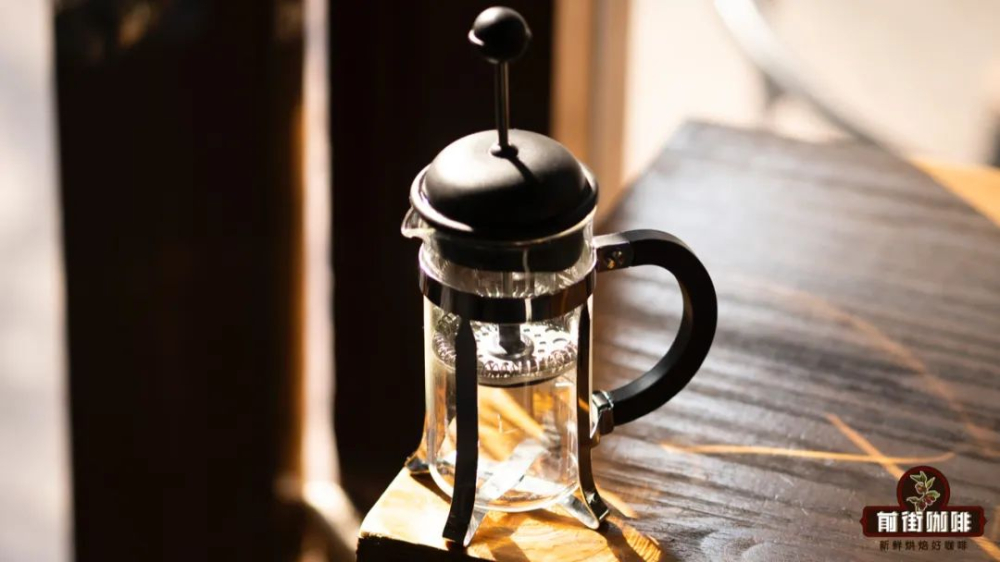
Many assume using a French press requires skill, but it's actually very intuitive. There's no need for precise pouring techniques; just add coffee grounds and hot water in the right proportion, wait for the extraction to finish, and enjoy a good cup of coffee. That's why the French press has become the go-to brewer for many “lazy” coffee lovers—simple to use yet still capable of delivering great flavor.
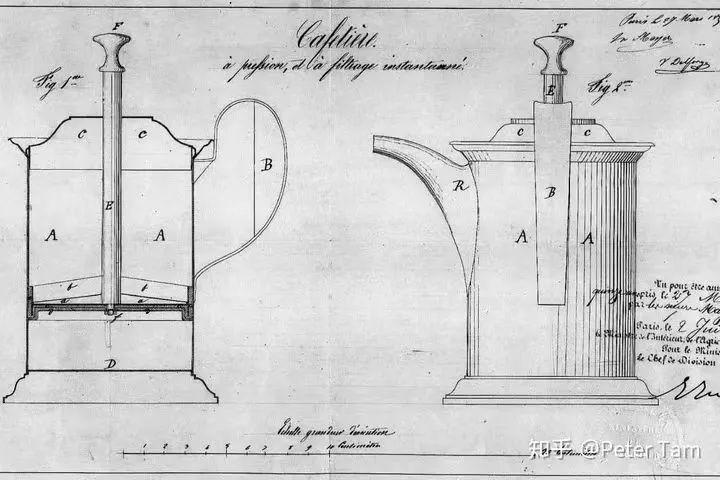
The history of the French press dates back to France in the 1850s, when two Frenchmen, Mayer and Delforge, designed a "piston-filtered coffee device" and patented it for market release. But early versions had clear issues: the filter screen would become unbalanced when pressed down, causing coffee grounds to spill from the edges and affecting the taste. It wasn't until the 20th century that Italians improved the filter design by adding a spring mechanism, making the plunger more stable and improving sliding smoothness—successfully solving the coffee sediment problem and leading to the familiar French press we know today.
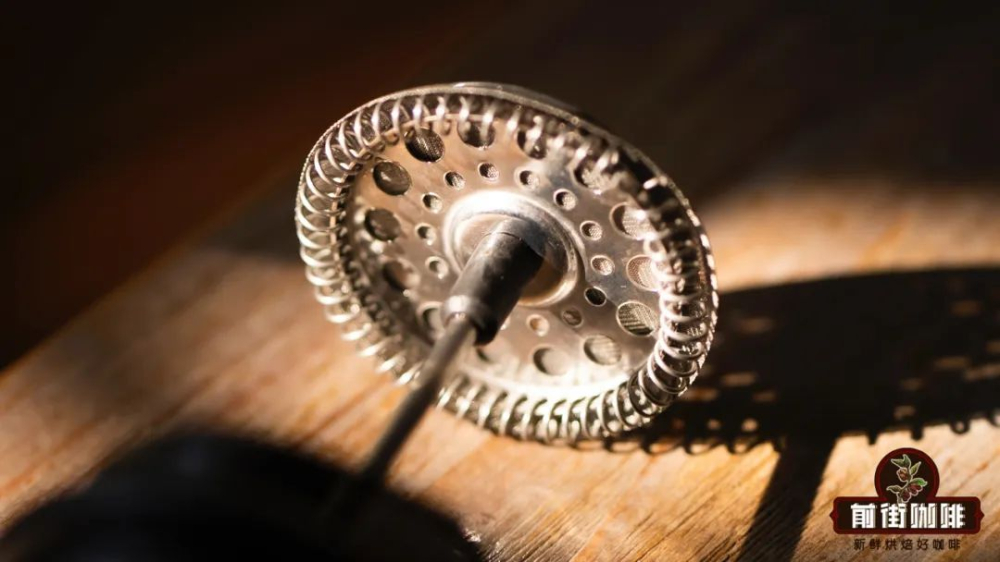
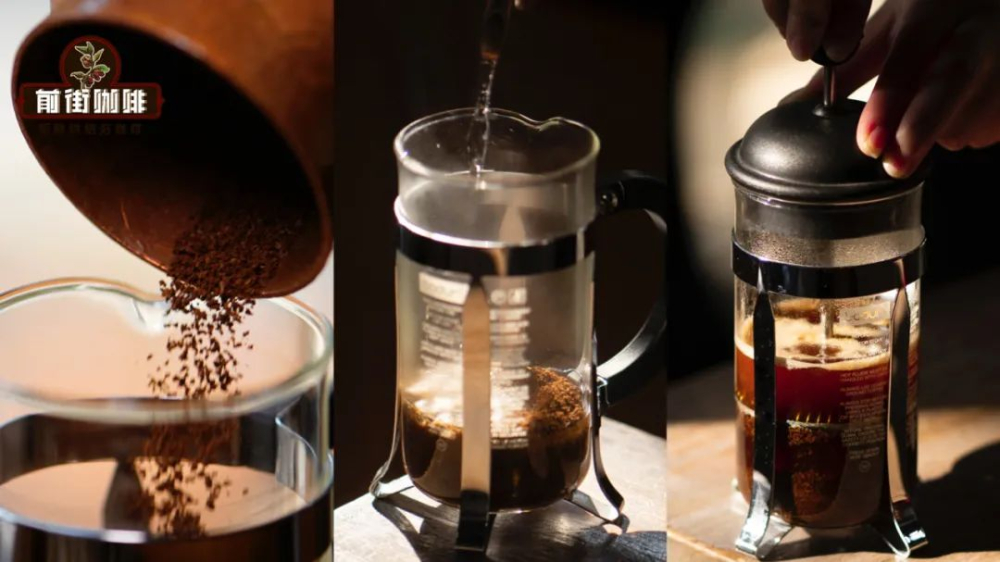
The structure of the French press is simple and straightforward, consisting mainly of the carafe, metal filter, and spring plunger. The basic steps are nothing more than adding coffee grounds, pouring in hot water, letting it steep, and then pressing the plunger—brewing complete. However, many beginners often end up with subpar coffee flavor, and the issue usually isn’t with the operation itself, but rather with not accurately controlling the essential parameters.
When it comes to coffee bean selection, the French press uses immersion brewing—different from the drip method of pour over—which relies on prolonged contact between coffee grounds and hot water to extract flavors. This method typically highlights more pronounced caramel notes and tea-like finishes. For those seeking clear floral and fruity aromas along with a pleasant mouthfeel, it's recommended to choose a medium-light roasted sundried Geisha. For example, a well-known brand’s Granada Geisha, whose sundried process gives it bright fruit notes of yellow peach, apricot, citrus, and lemon—delivering a refreshing character whether served hot or cold.
Grind size is one of the crucial factors influencing extraction. Online recommendations often point to a "coarse grind," and a well-known brand also advises beginners to use a coarse grind, about 70% passing through a #20 sieve—similar in texture to coarse sugar—suitable for immersion brewing. While a finer grind can be used, a coarse grind offers a higher margin for error and reduces the risk of over-extraction. A fine grind may yield more intense flavors, but if not well-controlled, it can lead to bitterness, and ultra-fine particles can pass through the metal filter, adding body at the cost of clarity in the brewed coffee.
Water temperature setting is equally critical. Since the French press involves a single pour without mid-brew stirring, to compensate for extraction efficiency, it’s advised to use water slightly hotter than typical pour over. For medium-light roasted beans, aim for 92–94°C; for medium-dark roasts, 89–90°C. Slight adjustments in water temperature help bring out different layers of flavor.
The coffee-to-water ratio directly impacts coffee strength and flavor balance. A common ratio for the French press is 1:16, yielding a concentration of around 1.1–1.2%, resulting in a balanced and moderate taste. For those preferring a stronger flavor, try a 1:15 ratio—the coffee will taste more robust and layered, suitable for those who enjoy a bolder cup.
Steeping time is another important parameter affecting extraction rate. Without stirring, extending the steeping time increases flavor dissolution but also raises the risk of over-extraction. Based on testing, medium-light roasted beans benefit from around 4 minutes of steeping, fully highlighting fruity and fresh notes; medium-dark roasts are better off with about 3.5 minutes to avoid bitterness. Mastering these time settings helps effectively balance flavor and mouthfeel.
Finally, remember to clean your French press thoroughly after each use. Coffee oils and residues tend to cling to the metal filter, and if not cleaned promptly, they may oxidize and affect the flavor of your next brew. It’s recommended to disassemble all parts after each use and clean them individually to ensure hygiene and preserve coffee quality. Additionally, the French press is versatile—it can be used for brewing tea or making hot and cold milk foam. Practical, affordable, and a must-have tool for any coffee enthusiast.
The above content is compiled by CoffeeHunters, a coffee news website.


