







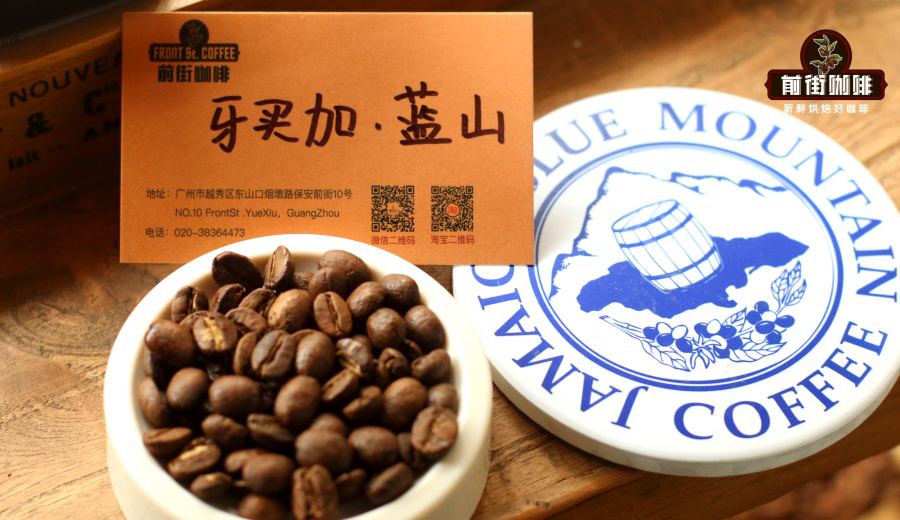
Introduction:Jamaica Blue Mountain No. 1 coffee is world-renowned for its rich and balanced flavor, but successfully replicating this classic taste at home requires precise control of water temperature, grind size, coffee-to-water ratio, and pouring technique. This article delves into the background of the Blue Mountain region and the characteristics of the beans, and provides expert-level pour over parameters: 88°C water temperature, 1:15 coffee-to-water ratio, 15 grams of coffee, using a fine grind with 75% passing rate through a #20 sieve, along with a three-stage pouring process after the bloom to guide you step-by-step in extracting its layered flavors of nuts, cocoa, and creamy smoothness.
With the growing popularity of specialty coffee culture, more and more coffee enthusiasts are no longer satisfied with just grabbing a cup to go, but aspire to brew their own unique flavors at home. Jamaica Blue Mountain No. 1 coffee, recognized globally as one of the finest coffees, is celebrated for its rich, balanced, and multi-layered taste. However, unlocking its full potential hinges on the precise combination of water temperature, grind size, coffee-to-water ratio, and pouring technique. This article will detail how to perfectly showcase the distinctive flavor of Blue Mountain No. 1 through the pour over method.
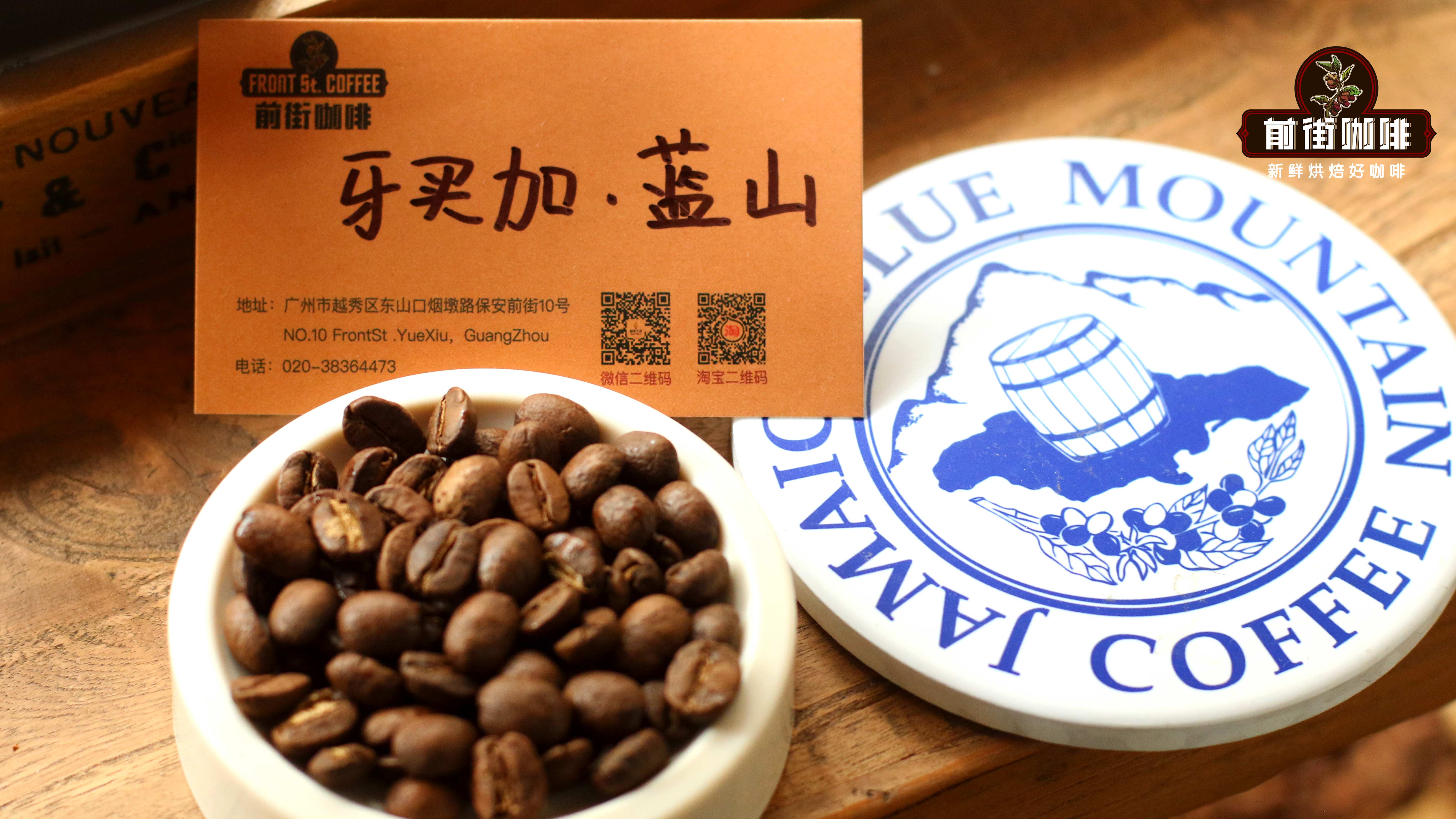
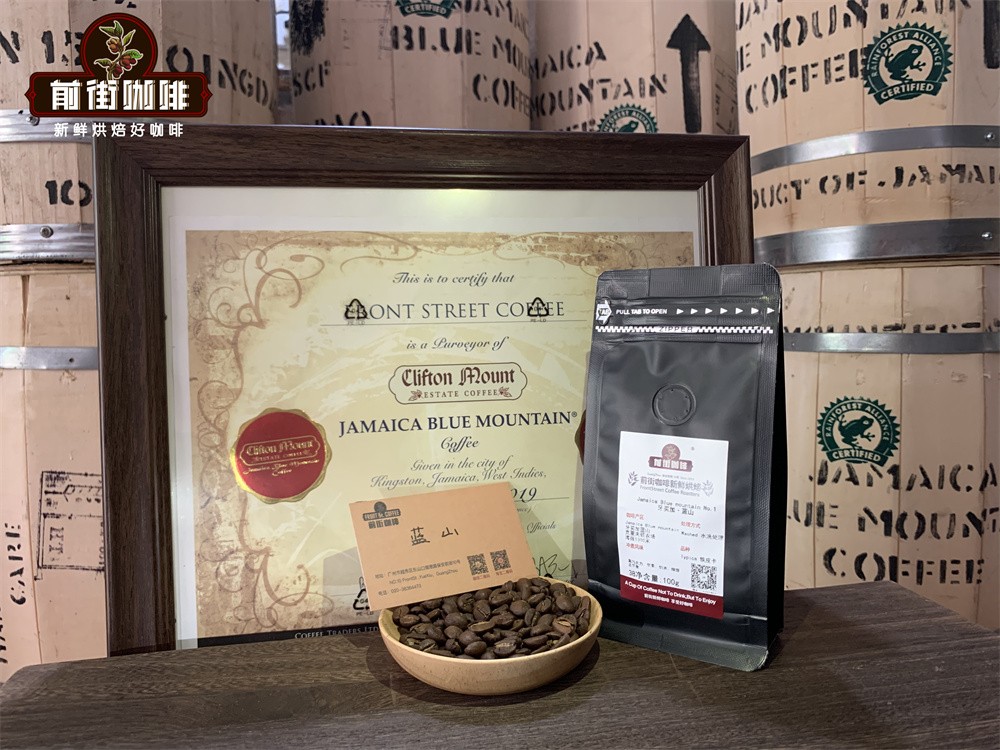
First, let’s get to know the real Jamaica Blue Mountain coffee. Although there are many products on the market that claim to be “Blue Mountain,” only coffee beans grown in the Blue Mountains of Jamaica can be called authentic Jamaica Blue Mountain coffee. The Blue Mountain range spans only about 6,000 hectares with limited production, so many “Blue Mountain” labeled coffees on the market actually come from surrounding highland or ordinary regions. The Blue Mountains are located in eastern Jamaica, surrounded by the Caribbean Sea. When sunlight bathes the mountains and sea, the peaks take on a sapphire-like hue—hence the name “Blue Mountain.”
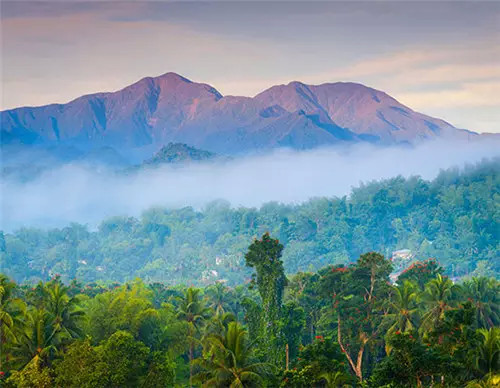
The imported Jamaica Blue Mountain No. 1 mainly comes from the region’s most iconic Clydesdale Estate. Though considered small-scale by international standards, most of the farms are family-run, some for as long as two centuries, with mature cultivation techniques and quality management. The Blue Mountain No. 1 from Clydesdale Estate is regarded as one of the best representatives of the Blue Mountain flavor profile.
Blue Mountain coffee belongs to the Typica variety, one of the oldest strains within the Arabica species. Typica beans are long and oval-shaped with bronze-tipped leaves, offering elegant acidity and aroma, though they are relatively susceptible to pests and diseases and have lower yields. Precisely because of its delicate and unique flavor, it has long been sought after by specialty coffee enthusiasts.
In terms of processing methods, early Blue Mountain coffee was mostly washed, but sun-dried options have gradually emerged. Different processing methods affect the final flavor profile: washed processing typically delivers a cleaner and crisper taste, while sun-dried may enhance fruity and sweet notes. Regardless of the method chosen, Blue Mountain coffee consistently exhibits its signature balance and refined layers.
Next, let’s explore how to brew the best flavor of Jamaica Blue Mountain No. 1 at home using the pour over method. The key factors in pour over brewing mainly include four aspects: water temperature, grind size, coffee-to-water ratio, and pouring technique. Each element directly impacts the final extraction result and flavor expression.
First is water temperature. Depending on the roast level, the recommended water temperature varies. Generally, medium to dark roasted beans, such as Blue Mountain No. 1, are best brewed with 88°C water. This temperature effectively avoids over-extraction of off-flavors while fully highlighting the coffee’s richness and sweetness.

As for grind size, a medium to dark roast suitable 75% passing rate (based on a #20 sieve) is recommended. This equates to approximately a medium-fine to mid-range fineness for pour over. If using a home grinder, adjustments can be made through sieve testing, with the goal of having around 7.5 grams of ground coffee pass through a 10-gram sample, achieving optimal extraction.
For the coffee-to-water ratio, a golden 1:15 ratio is advised. This proportion, based on the SCAA’s Golden Cup standard, strikes a good balance between concentration and extraction yield, helping to present the full spectrum of the coffee’s flavor without being overly intense or thin.
Finally, for the pour over technique, this article recommends a three-stage pouring method. Suitable for medium to dark roasted beans, this approach helps clearly highlight the flavor transitions in the early, middle, and late stages, and allows stable control of the extraction pace.
The specific steps are as follows: first is the bloom stage. Place 15 grams of coffee grounds into a pre-wetted filter, pour 30 grams of hot water, and bloom for about 30 seconds. This step helps release carbon dioxide from the coffee grounds, laying the foundation for even extraction afterward.
The second stage involves pouring starting from the center in small circular motions until the total water volume reaches 125 grams. It’s advised to keep the circle small to ensure the water stream focuses through the coffee bed, avoiding over-extraction at the edges or under-extraction at the center.
The third stage is to pour again with the same technique once the coffee bed has descended to the middle of the filter, adding water up to 225 grams, then letting it drip through. At this point, pay attention to the pouring rhythm and water level changes to avoid too much interruption leading to uneven extraction or off-flavors in the final phase. The entire pour over process is recommended to take about 2 minutes to fully extract the nutty, cocoa, and creamy smooth complex flavors of Blue Mountain No. 1.
In summary, brewing Jamaica Blue Mountain No. 1 coffee via pour over requires mastering key parameters and details. From water temperature, grind size, coffee-to-water ratio, to pouring technique, each step influences the final flavor. With precise adjustments and consistent practice, you too can enjoy the unique charm of this world-class coffee at home.
The above content is compiled by CoffeeHunters, a coffee news website.


