








Introduction:The flavor extraction of pour over coffee is closely related to grind size, but with so many grinder burr types and particle distributions on the market, how can you make precise adjustments to achieve the ideal taste? This article delves into the characteristics of the three main grinder burr types—conical, flat, and flat-plate burrs—and through standardized sieve testing, helps you find the optimal grind settings for different roast levels and brewing methods, ensuring more stable pour overs with consistent flavor.
During the pour over extraction process, grind size is a crucial variable that not only affects the speed at which water passes through, but also directly determines the proportion of soluble substances released, thereby influencing the final flavor profile. Faced with various grinder burr structures—such as conical, flat, and flat-plate burrs—as well as the challenge of uneven particle sizes, finding the right grind size has become a top priority for many coffee enthusiasts.
So what exactly counts as the right grind size? This depends not only on the roast level of the coffee beans themselves, but also closely relates to the brewing method you use. From hand grinders to electric grinders, different burr designs affect the shape and distribution of coffee grounds, further altering extraction efficiency and flavor profiles. Mastering these principles enables you to consistently brew a pour over coffee with clear layers and distinct flavors at home.
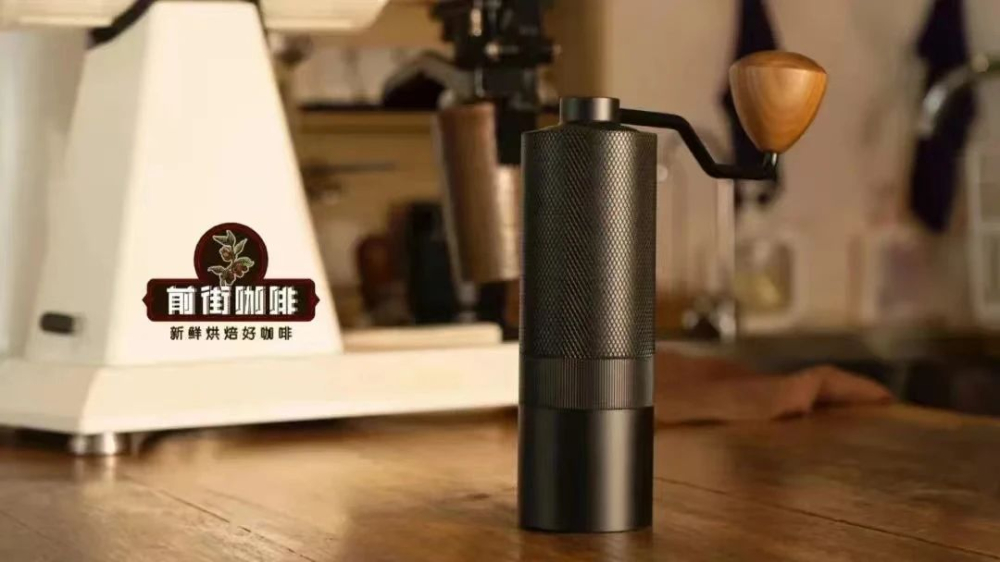
Common grinder burrs can generally be divided into three types: conical, flat, and flat-plate burrs. These three types of burrs operate on different principles, and thus produce coffee grounds with varying shapes and extraction characteristics.
First are conical burrs, which crush coffee beans through a crushing motion, resulting in grounds that are often irregular and chunky in appearance. These types of burrs are commonly found in hand grinders. Although some fine particles are inevitably produced during the grinding process, the overall uniformity of the particle size is still acceptable. The structure of grounds from conical burrs creates a relatively long water penetration path, leading to a slower initial release of soluble substances, which helps prevent sudden spikes in concentration. However, as extraction time extends, wooden fiber parts are less likely to absorb excess water, reducing the occurrence of off-flavors and astringency. As such, they are very suitable for pour over coffee. That said, it's worth noting that there is often a significant difference in performance between high-end and entry-level conical burrs.
Next are flat burrs, which work by rotating two parallel burr plates that slice the coffee beans. These burrs typically grind beans into flake-like or elongated particles. During the grinding process, due to the greater pressure and collision on the beans, flat burrs tend to produce a higher proportion of fine particles. However, these flake-shaped particles have a larger surface area of cell walls, allowing for rapid aroma release and achieving a high extraction rate in a short time. Moreover, grounds from flat burrs are less likely to bring out excessive off-flavors even during longer extractions. Therefore, in addition to being suitable for pour overs, they are also a common choice for making espresso.
Finally, there are flat-plate burrs (commonly known as "ghost teeth" burrs), whose design concept is similar to that of milling, able to break coffee beans into small, nearly spherical particles. Although they also produce some fine particles in the form of edge fragments, overall, the size variation among different particles is smaller, resulting in higher uniformity. The particle characteristics of grounds from flat-plate burrs make them well-suited for pour over coffee aiming for delicate flavor expression.
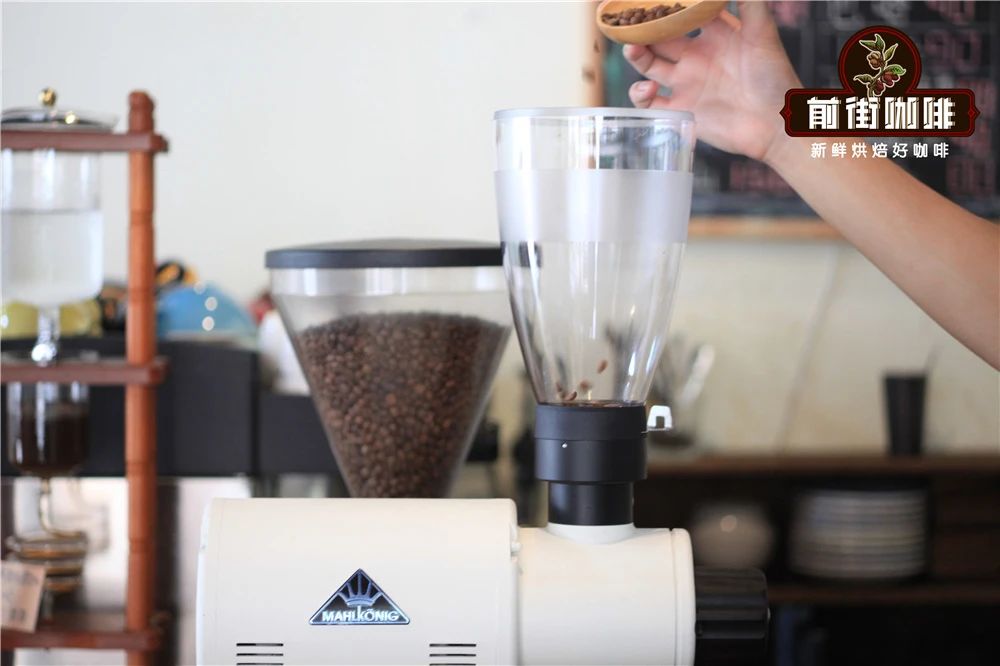
The grind size of coffee beans has a very obvious impact on extraction. Experiments show that the finer the coffee grounds, the smaller the gaps between the particles, increasing resistance to water flow, which slows down the extraction speed and lengthens the extraction time. This increases the release of soluble substances, resulting in a richer coffee flavor. Conversely, coarser grinding leads to larger gaps between particles, reduced water flow resistance, faster extraction speed, and a lower extraction rate. As a result, the coffee may taste thin and lack complexity.
In practice, even seemingly uniform coffee grounds exhibit significant differences in particle size, with the gap between the largest and smallest particles often exceeding 0.6mm. Generally, particles larger than 0.85mm are classified as coarse, while those smaller than 0.25mm are considered extremely fine. If these two extreme types of particles account for more than 40% of the total coffee grounds, they are generally not recommended for pour over brewing. To ensure grind accuracy, many professional shops use standardized test sieves for screening, quantitatively evaluating the particle distribution and adjusting to the most suitable grind parameters.
How do you conduct a real test using standardized sieves? The operation steps are actually not complicated. First, prepare about 10g of coffee beans and grind them at your target grind size. Then, pour the ground coffee into the sieve. Hold the three support points of the sieve device firmly with both hands and gently shake it from side to side, allowing the coffee grounds to naturally pass through the sieve until no more particles fall through.
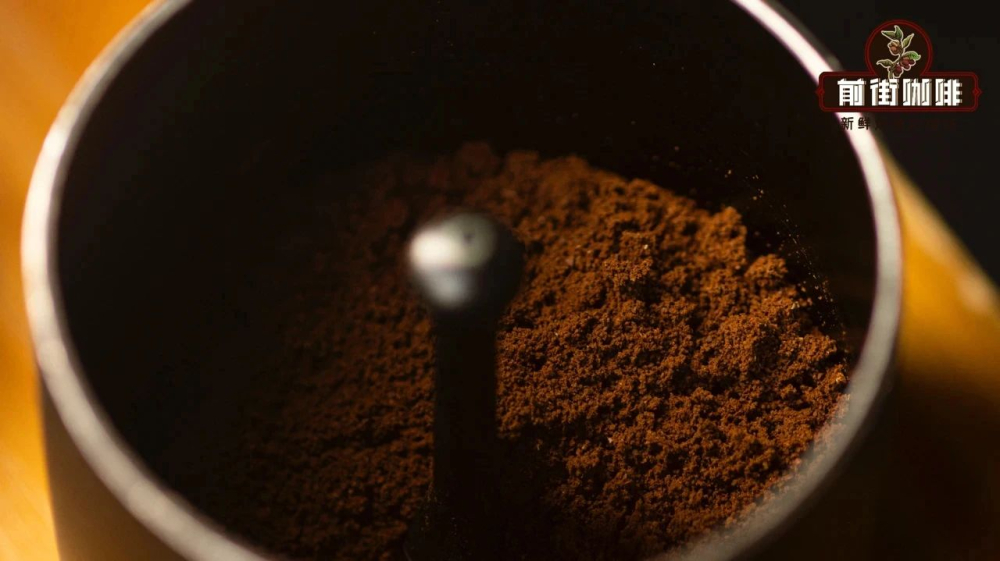
Next, pour the coffee grounds that passed through the sieve onto an electronic scale that has been reset to zero and weigh them. Based on the sieved ratio, you can determine whether the current grind size meets your needs: if the throughput rate falls within 70%–75% (i.e., about 7.0–7.5g of the 10g coffee grounds pass through), it is usually the most suitable grind size for cupping environments; if the throughput is 75%–80% (about 7.5–8g), it is suitable for medium-light roasted coffee beans; for medium-dark roasted beans, it is recommended to control the throughput between 65%–70% (about 6.5–7g) to achieve a more balanced extraction result.
The above content is compiled by CoffeeHunters, a coffee news website.


