







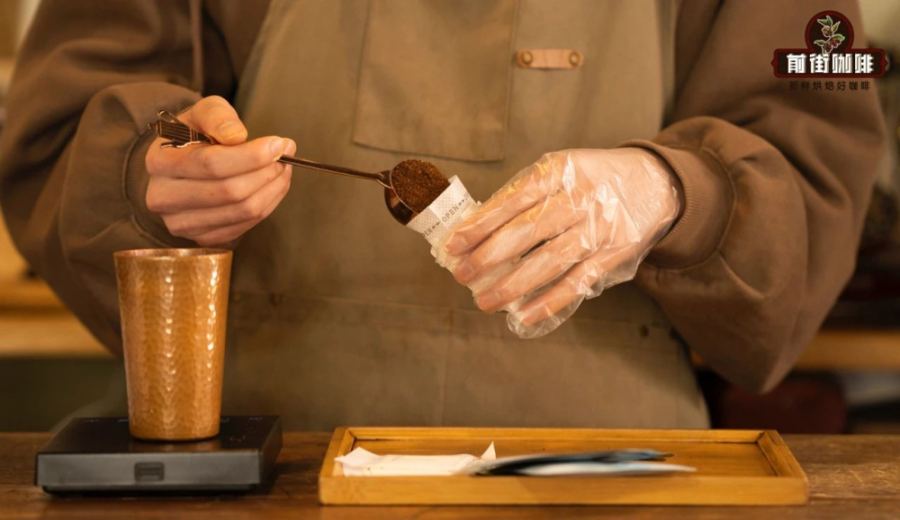
Introduction:Golden Mandheling is the most iconic full-bodied Arabica coffee from the Sumatra region, renowned for its low acidity and rich flavors of spices and herbs. This article will delve into its flavor profile, the characteristics of its core producing regions, and the stringent selection standards of PWN, while also providing detailed brewing methods for both pour over and drip bags to help you fully master the essentials and flavor potential of this classic Indonesian bean.
Golden Mandheling is hailed as a classic among full-bodied coffees, beloved for its low acidity, bold taste, and unique herbal and spicy aromas. Through cupping insights, regional background, and processing method analysis, this article offers an in-depth exploration of the multifaceted charm of this representative Sumatran coffee, along with practical brewing recommendations for both pour over and drip bag methods to help coffee enthusiasts appreciate its layered complexity more fully.
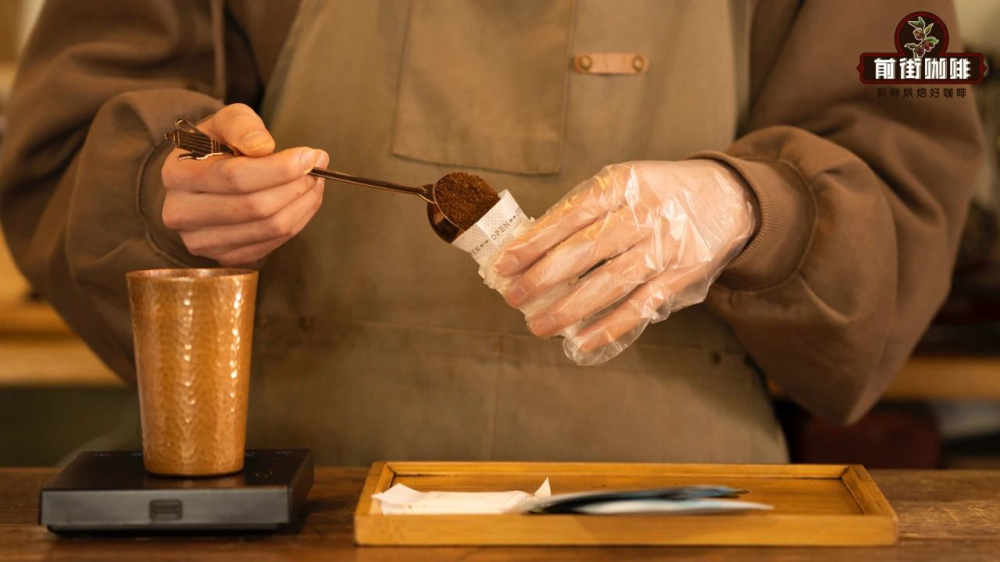
From a cupping perspective, the PWN Golden Mandheling produced by a certain brand exhibits pronounced notes of nuts, spices, and subtle herbs in the dry aroma. As hot water is poured, sweet scents of licorice and caramel gradually emerge. Upon tasting, black chocolate, nuts, and spicy notes dominate, with a clean flavor line, pronounced aftertaste, prominent body, and a long, layered finish.
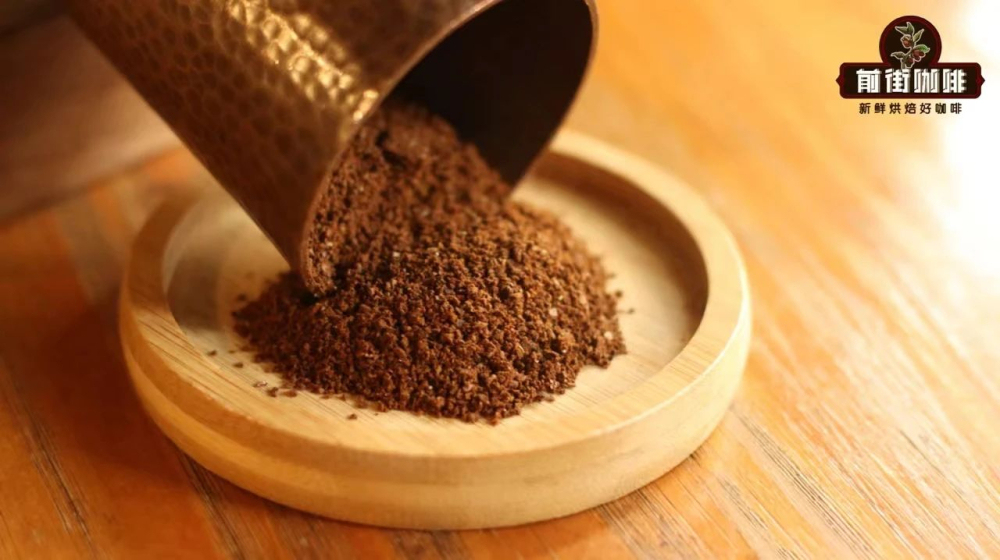
If you wish to savor its nuanced flavor transitions, pour over is the brewing method that best highlights the details. It is recommended to use coffee beans roasted within 5 days, as this is when flavor release is most balanced. Beans that are too fresh may have unsettled CO₂ affecting aroma, while overly aged ones can lose vibrancy. The brand typically suggests enjoying them within a week of roasting for the optimal drinking experience.
For busy everyday moments, drip bags offer a more convenient choice. With just hot water and a cup, you can quickly brew a coffee with full flavor. Even with a simple pouring method, as long as the beans are fresh enough, they can still showcase a rich texture and layered profile. For example, each PWN Golden Mandheling drip bag contains 10 grams of coffee grounds, with a recommended water volume of about 120–130 ml to yield a bold and balanced black coffee.
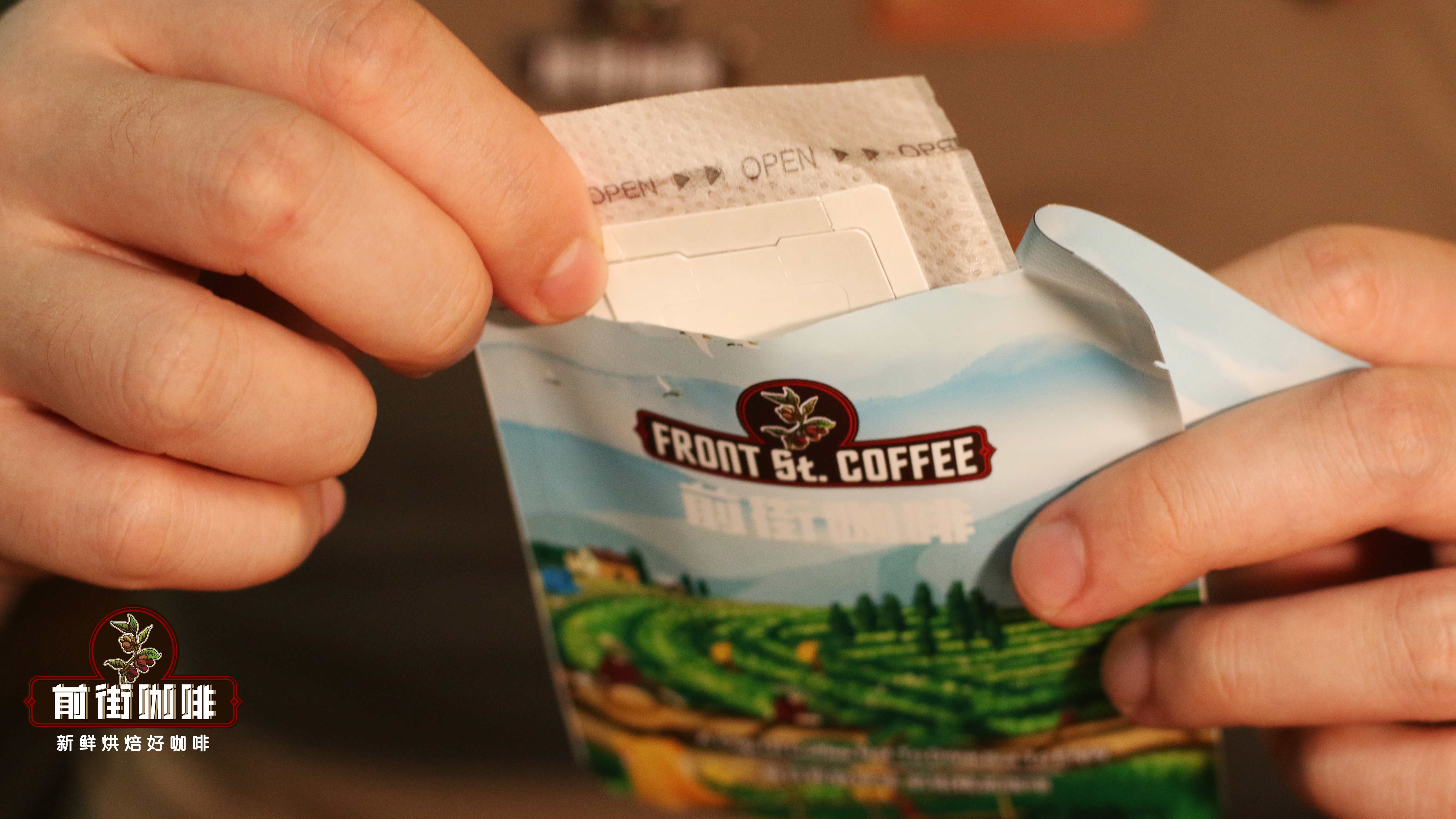
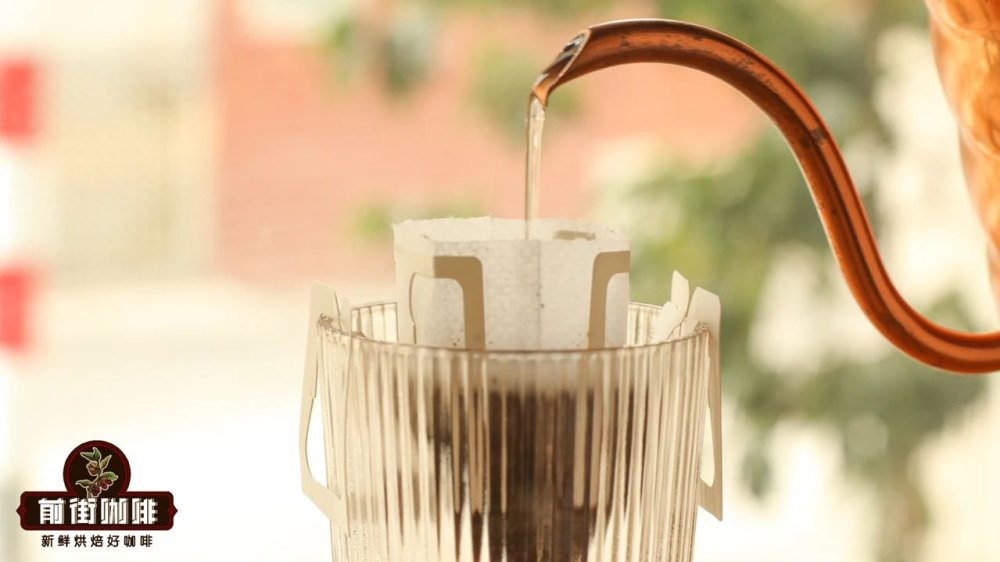
In practice, start by boiling water and letting it cool slightly, then prepare your pour over kettle, coffee cup, and drip bag. After tearing open the outer seal of the drip bag, cut along the dotted line to open the non-woven pouch, unfold the two “ears,” and hang them on the rim of the cup. Begin with a small amount of hot water—about 30g—for a 10–20 second bloom to degas and stabilize extraction. Then, pour steadily with a fine stream until the liquid level nears the top. When about half of the coffee has dripped through, continue pouring until the total reaches about 150g. Once filtration is complete, the brew is done.
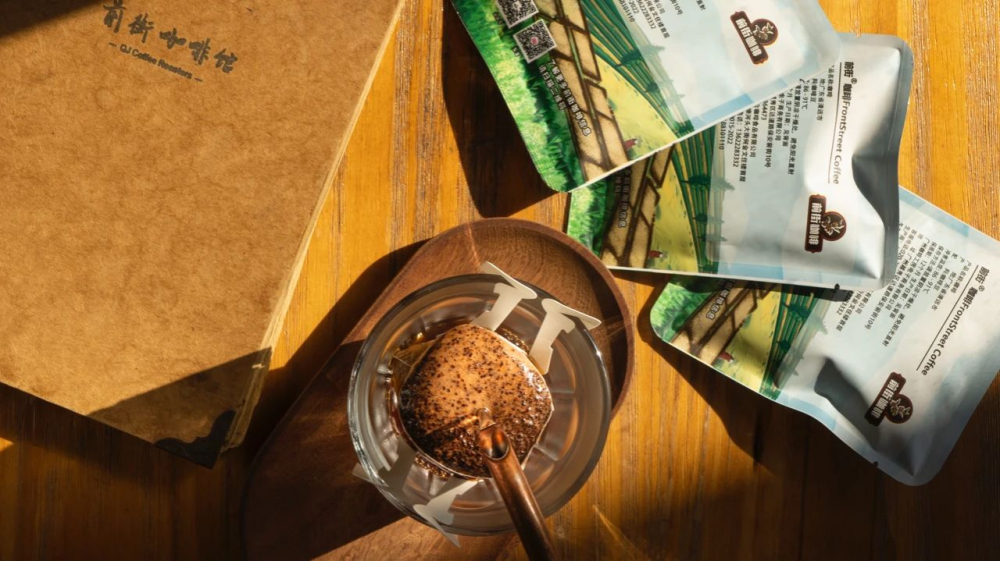
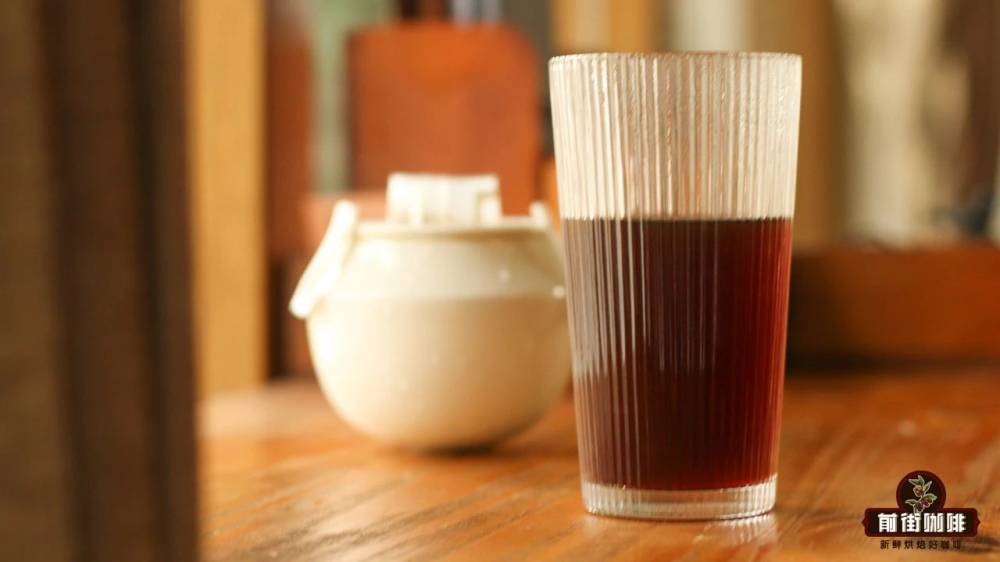
It’s recommended to gently swirl the brewed coffee to evenly distribute the flavors. Upon tasting, you’ll notice pronounced notes of chocolate and nuts, with a creamy-smooth and rich mouthfeel. You may also adjust the flavor to be softer according to personal preference by adding sugar or milk. Many customers who ask for a “non-acidic coffee” at the shop are often recommended this classic Golden Mandheling, whose low-acid, full-bodied nature is truly emblematic of Sumatran Arabica coffee.
Sumatra, as Indonesia’s second-largest coffee-producing region, has a long history of cultivation. As early as 1696, Dutch colonists introduced coffee to Java, which later expanded to northern Sumatra. The local Arabica-focused plantings are concentrated in the two key areas of Aceh and Lintong. These origins are surrounded by volcanic lakes such as Lake Tawar and Lake Toba, with fertile, mineral-rich soil and a perpetually humid, cloudy microclimate that nurtures coffee beans with unique herbal and earthy notes.
When mentioning “Golden Mandheling,” it’s essential to highlight the certification behind it by PWN. Pwani Coffee Company (PWN), established in 1957, is a leading enterprise in Indonesia specializing in the procurement of high-quality Mandheling green beans, controlling resources in the two premium regions of Aceh and Lintong. The term “Golden Mandheling” is not a generic label but a registered trademark of PWN—only batches that pass its strict selection and come with certification are permitted to use this name.
PWN is extremely particular about green bean quality. After purchase, the beans undergo one mechanical screening and three rounds of manual hand-picking to remove defects, ensuring each batch meets Indonesia’s highest Grade 1 standard. Grade 1 requires no more than 11 defective beans in a 300g sample, but PWN further tightens the standard to within 3 defective beans, combined with density and color sorting, to guarantee uniform bean size and consistent appearance, ultimately delivering exceptional cleanliness and pure flavor.
The unique herbal and spicy notes of Mandheling are largely attributed to its distinctive “wet-hulled” processing method. Due to Sumatra’s high temperature, humidity, and limited water resources, traditional washed and natural processes are difficult to implement. Locals developed this technique to reduce processing time while preserving flavor characteristics.
The process generally involves: first removing unripe beans via floatation, then mechanically stripping the fruit skin, with the mucilage layer still sticky. After an overnight fermentation and water rinse, the mucilage becomes easier to remove, leaving the parchment-covered beans with a rougher surface. The beans are then sun-dried for about two days until their moisture content drops to 30–50% (semi-dry state). At this point, a special machine is used to frictionally remove the not-yet-fully-dried parchment layer, followed by continued drying down to 12% moisture content, and finally storage. Although this method increases the risk of defects, it imparts Mandheling with intense woody and herbal tones. Medium-to-dark roasting can balance these traits while highlighting rich chocolate and nutty aromas.
Indonesian green bean grading is primarily based on defect rates, supplemented by bean size. The highest Grade 1 requires an extremely low number of defects and high purity, with a maximum moisture content of 12.5% and impurities not exceeding 0.5%. The Mandheling from Lintong sold by a certain brand is a Grade 1 wet-hulled bean, showcasing the classic Indonesian flavor profile. PWN Golden Mandheling goes further on this foundation, employing multiple rounds of manual sorting and density-color separation to ensure uniform color and consistent flavor in every pack—making it an unmissable choice for coffee lovers seeking the classic Sumatran full-bodied taste.
The above content is compiled by CoffeeHunters, a coffee news website.


