







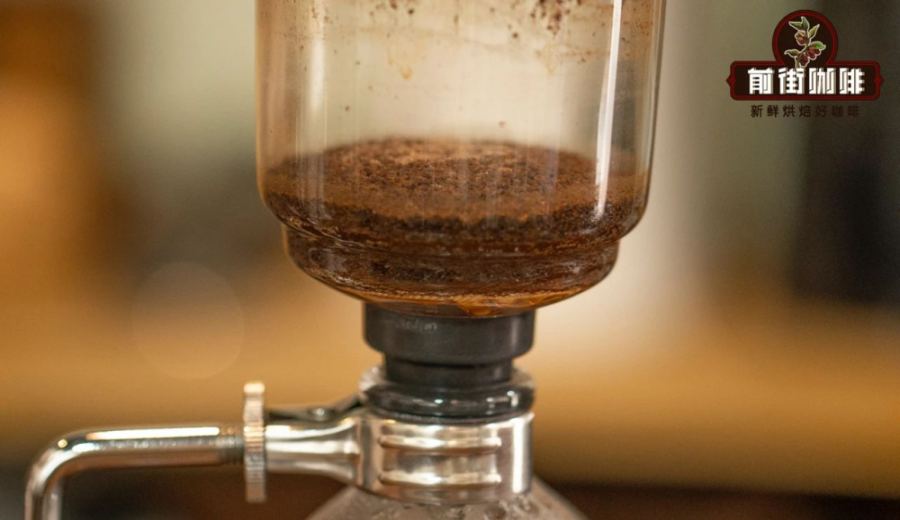
Introduction:Although the siphon pot is complex to operate, it is beloved by coffee enthusiasts for its unique visual effects and rich flavor. This article delves into the working principle of the siphon pot, starting with the extraction mechanism driven by thermal expansion and contraction, and detailing temperature control during operation, common mistakes, and potential hazards—helping you safely and successfully brew a distinctive cup of siphon coffee.
While making siphon coffee is more elaborate than pour over and requires more time, its unique visual experience and uniquely flavored extraction results still have a loyal following. If you’re curious about the siphon pot brewing process, understanding its working principle, mastering the correct steps and temperature control are key to successfully crafting a delicious cup of siphon coffee.
First, we need to clarify a common misconception: although called a “siphon,” the siphon pot’s extraction principle does not rely on the traditional sense of siphoning. Instead, it uses the heat-generated vapor pressure from the lower chamber, combined with the physical phenomenon of thermal expansion and contraction, to create a pressure difference that drives water circulation, thereby completing the extraction of coffee grounds. Understanding this principle helps you better control the entire process during actual operation.
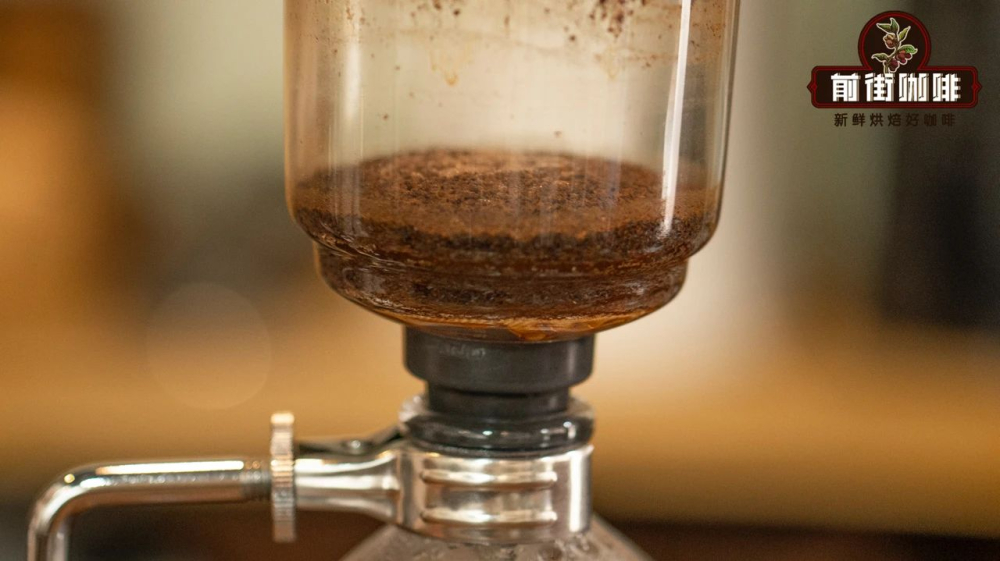
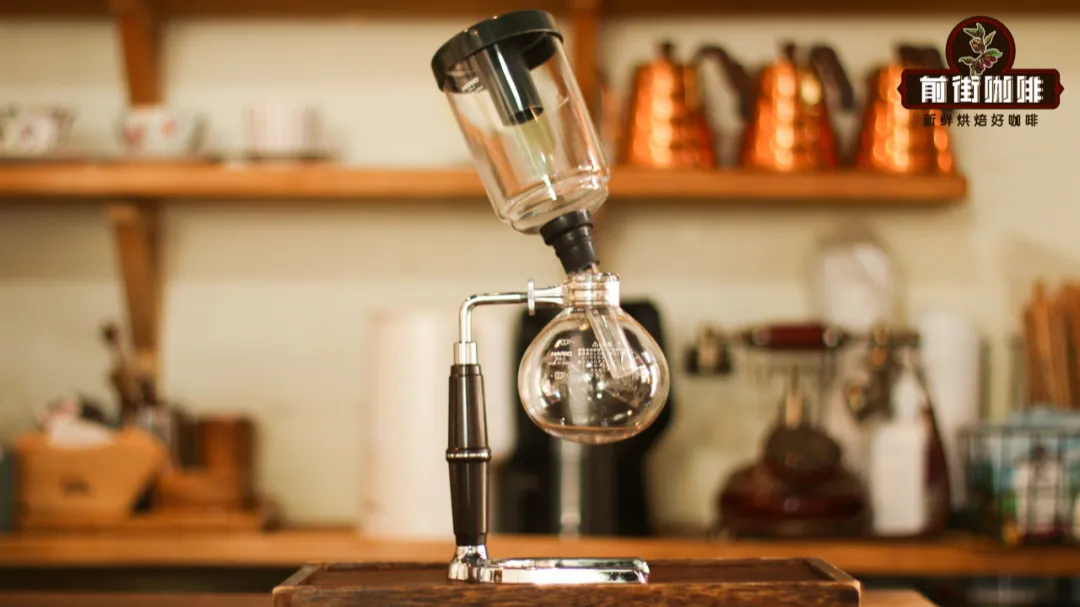
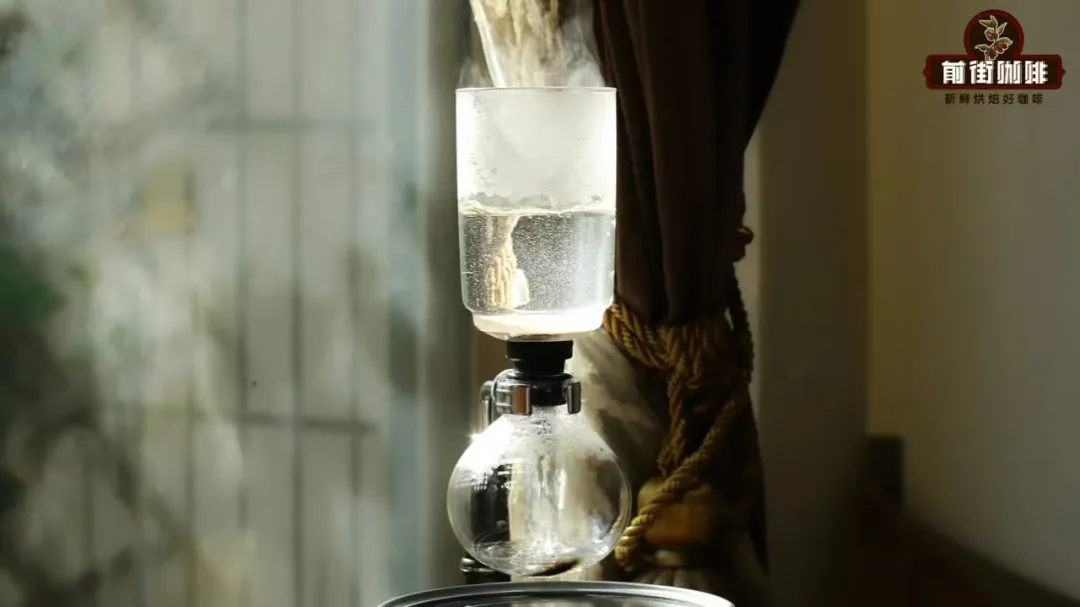
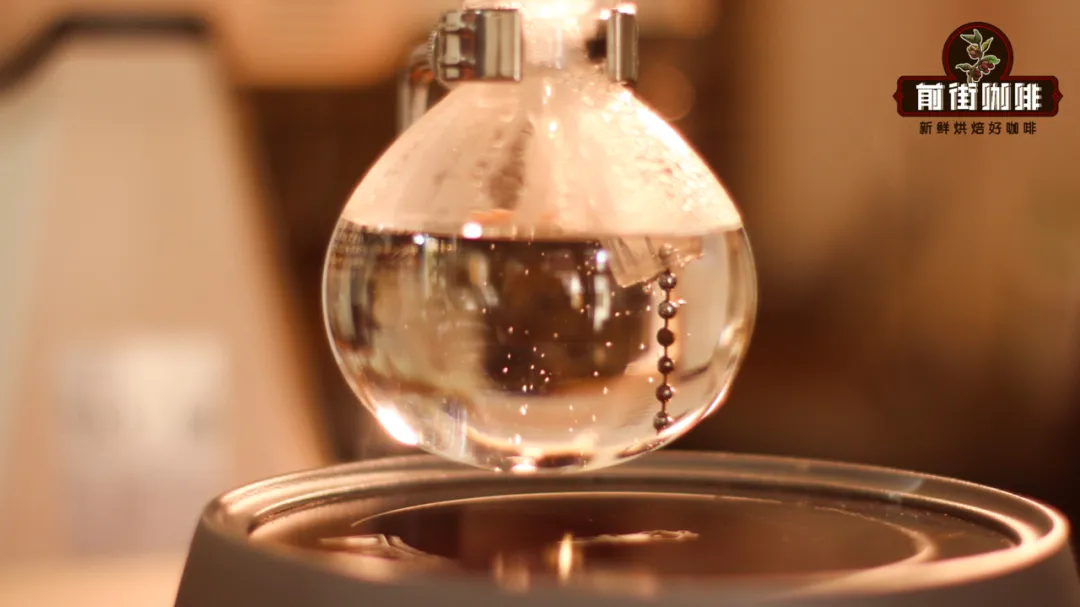
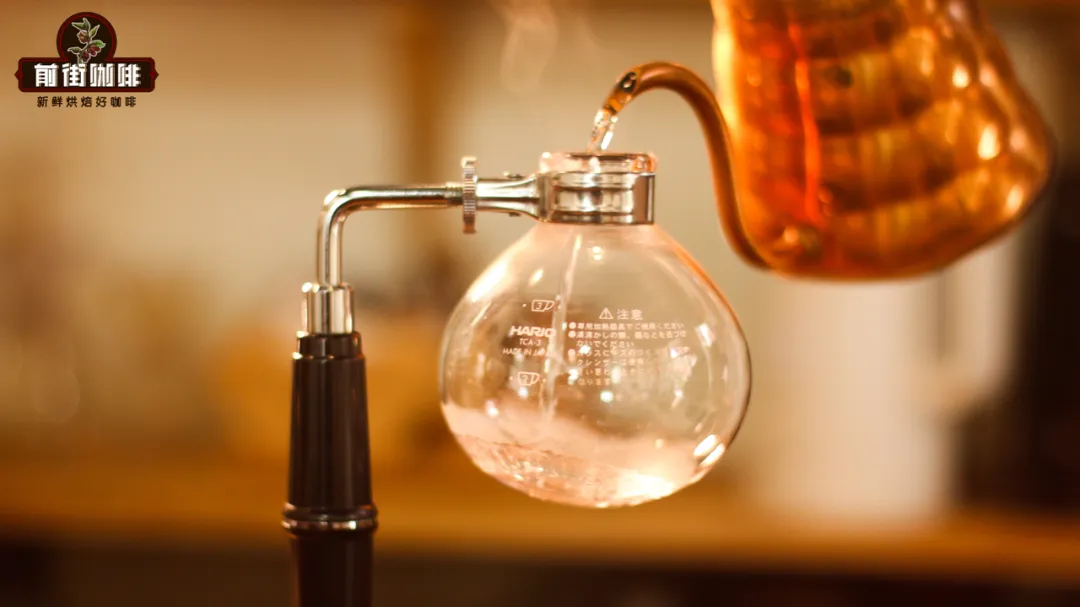
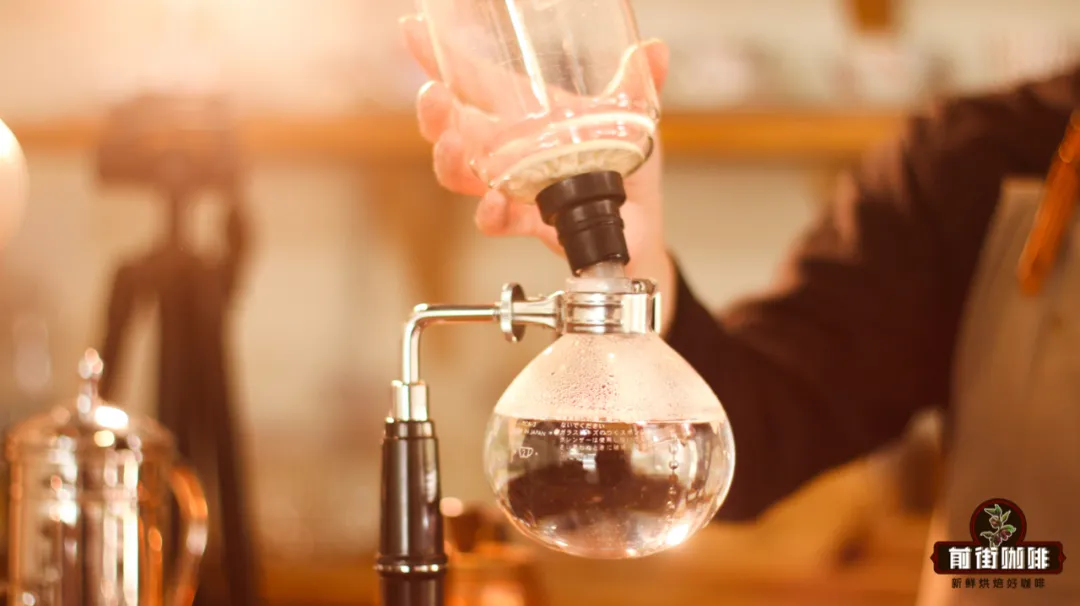
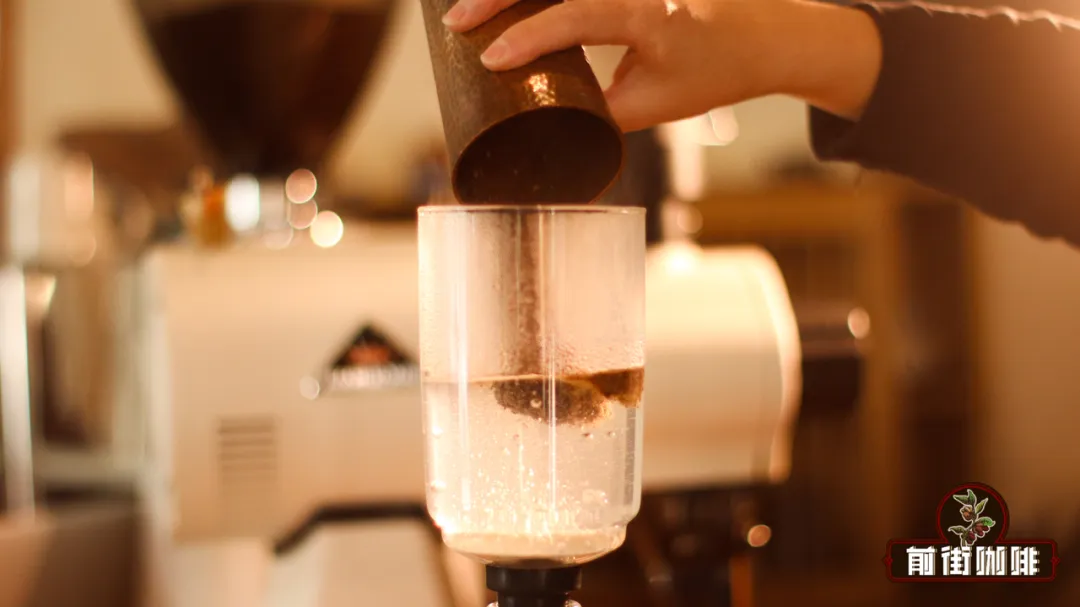
The main structure of the siphon pot can be divided into three main parts: the stand, the lower chamber, and the upper chamber. The lower chamber typically has a spherical design, which helps distribute heat more evenly during heating. Its primary function is to hold water and provide a space for heating. The upper chamber is an upright cylindrical container, with a slender glass tube connected to its bottom. Near the lower chamber, this tube features a crucial rubber gasket seal—this is not only a key component for maintaining pressure but also essential for preventing leaks.
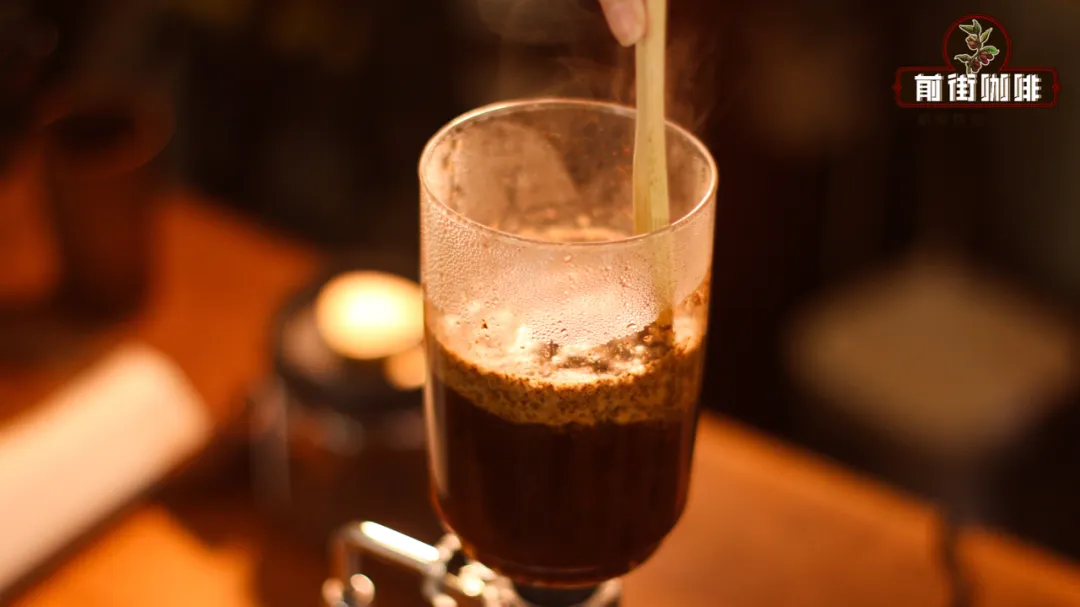
In actual siphon pot operation, common issues often stem from insufficient understanding of the basic principles or overlooking certain detailed steps—such as overheating, improper temperature control, or incorrectly installed gaskets—which can lead to extraction failure or even the risk of the pot exploding. Therefore, before starting to brew, it’s recommended to familiarize yourself with the functions of each part and master the correct assembly and heating procedures.
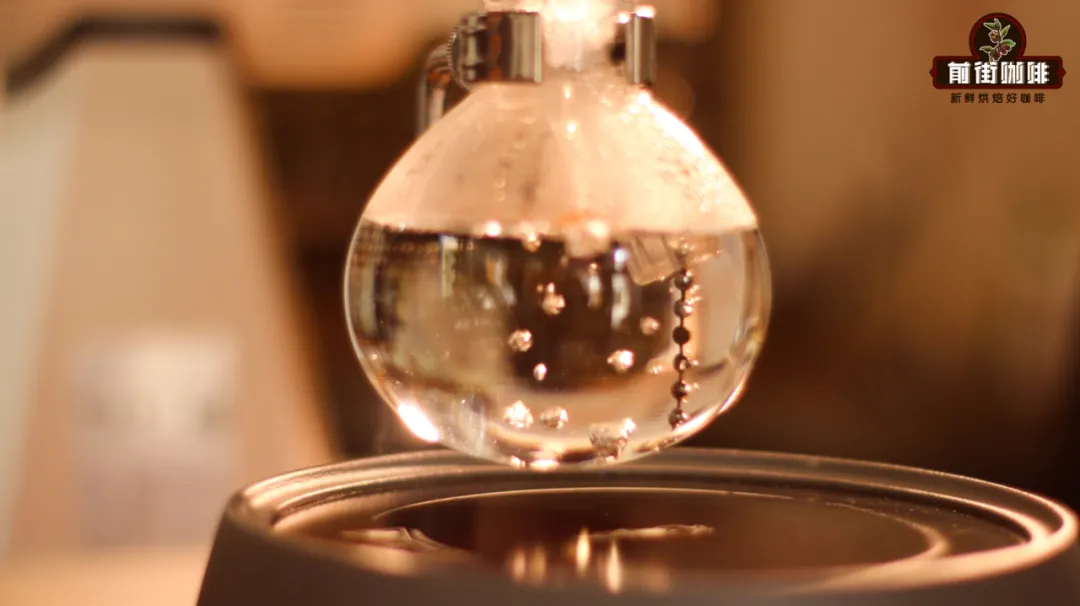
Regarding temperature control, it is one of the core factors affecting the flavor performance of siphon coffee. It is generally recommended to keep the water temperature in the lower chamber at90°C to 96°C. The specific temperature can be fine-tuned based on the roast level of the coffee beans: lighter roasts can be slightly higher to fully bring out acidity and aroma, while darker roasts are advised to be slightly lower to avoid over-extraction and bitterness. Additionally, once the water is heated to boiling point and generates sufficient steam pressure, it will be pushed up into the upper chamber to mix with the coffee grounds. At this point, the heat source should be adjusted promptly to stabilize the temperature during the extraction process.

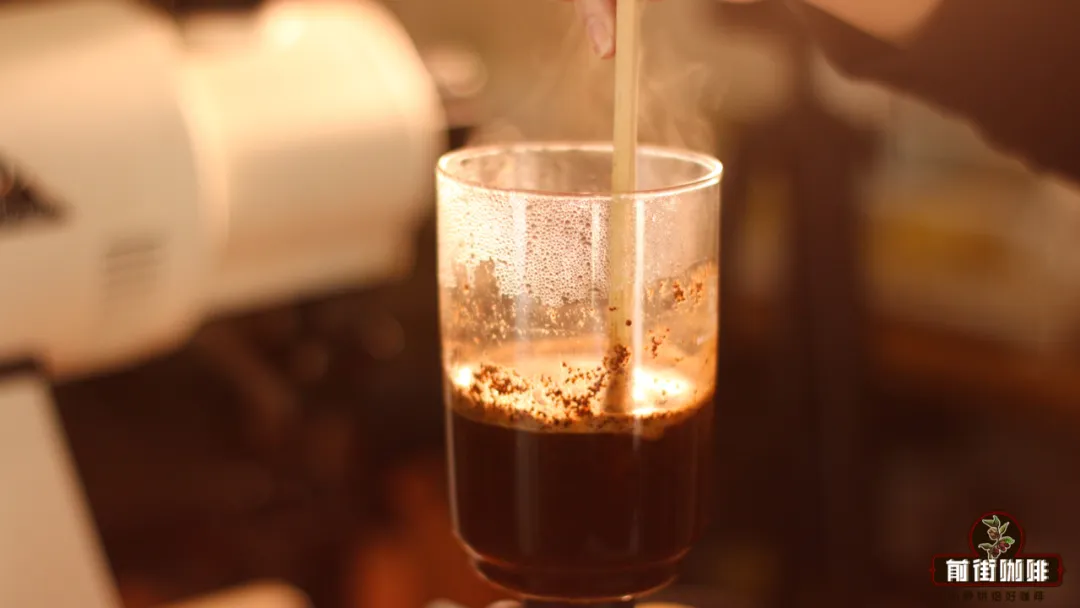
Another key point to note during operation is the extraction time. It is generally recommended to keep the total extraction time between60 and 90 seconds. Too long can lead to over-extraction, resulting in noticeable bitterness and harshness, while too short may cause under-extraction, leading to thin flavor and lack of complexity. Therefore, observing the flow rate and color changes of the coffee liquid is an important basis for determining when to end the extraction.
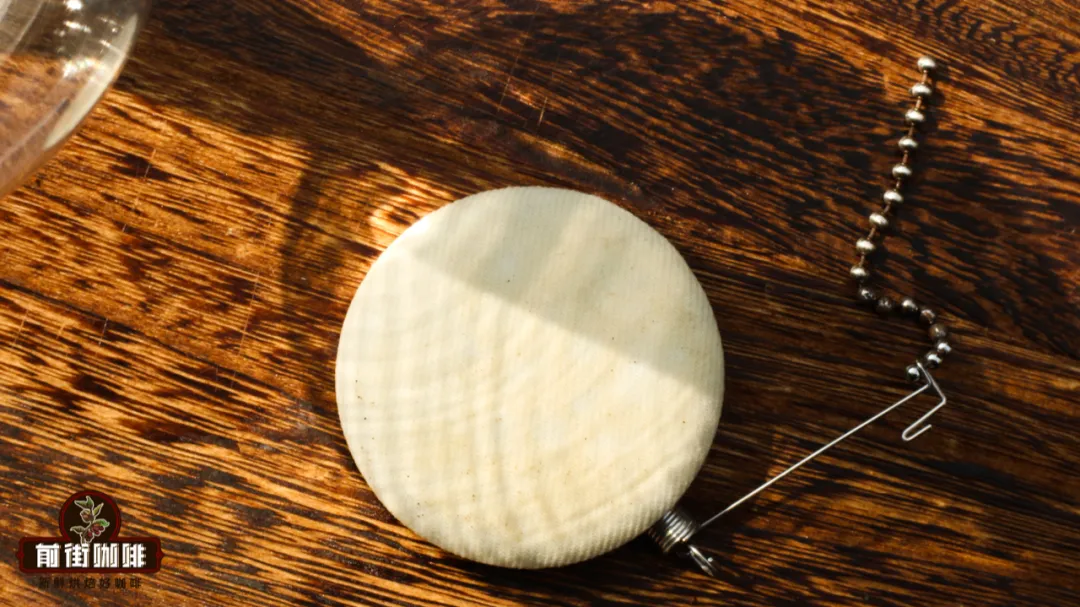
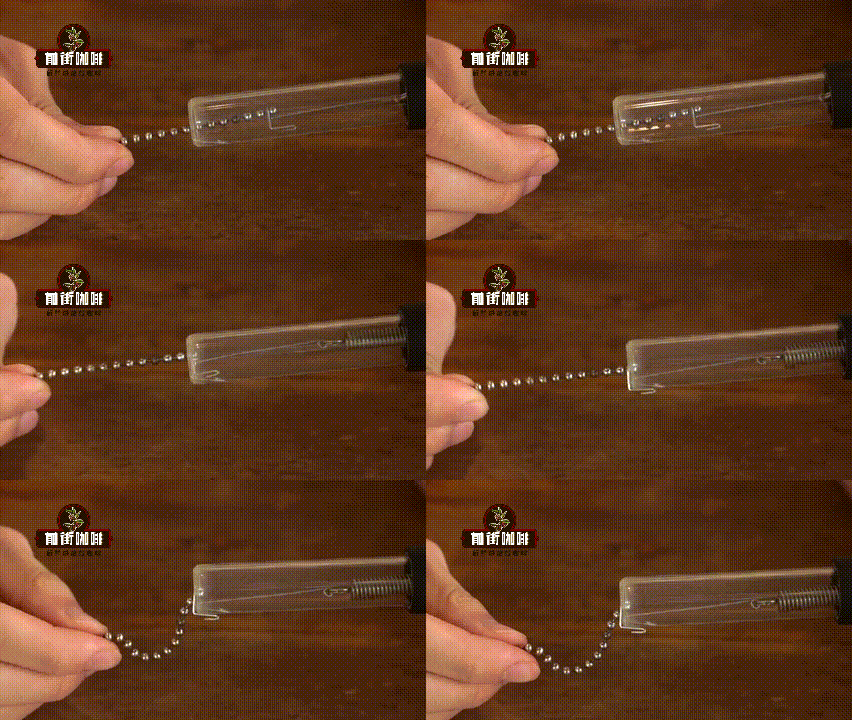
Additionally, many beginners using the siphon pot tend to overlook checking and cleaning the rubber gasket—a seemingly minor detail that directly impacts the pot’s seal and operational safety. Before each use, ensure the gasket is intact and properly installed, and after use, it’s advisable to clean it promptly to prevent residual coffee oils or scale from affecting performance and safety in future use.

The above content is compiled by CoffeeHunters, a coffee news website.


